 English
 中文简体
中文简体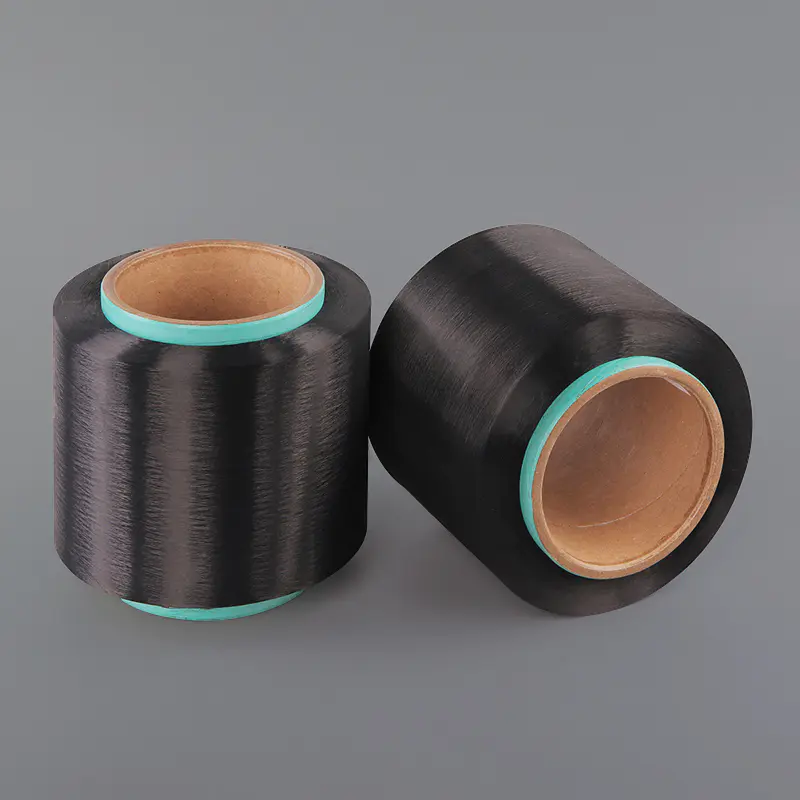
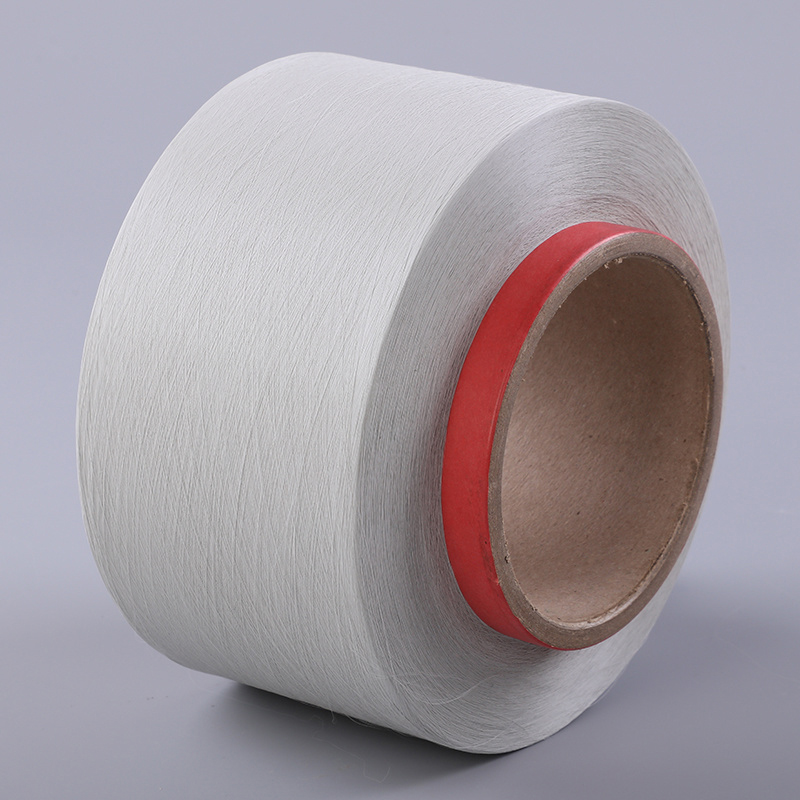


Material Specifications
| Property | Details |
| Conductive Element | Carbon-suffused nylon/polyester, or stainless steel metal fiber blends |
| Yarn Structure | Filament (continuous conductive path) or Blended Spun (staple fiber mix) |
| Surface Resistance | Typically 10^3 to 10^9 ohms (Depending on conductive content ratio) |
| Base Yarn Counts | Wide range available, e.g., 20D/3F, 40D/12F, 75D/24F (plus conductive component) |
| Color Appearance | Usually grey/black due to carbon content; White available for specific metallic technologies. |
Key Applications
These technical yarns are essential for safety and performance in critical environments:
- Cleanroom Apparel: Essential for manufacturing microelectronics and pharmaceuticals to prevent particulate attraction and ESD damage to components.
- Industrial Safety Workwear: Protective clothing for oil, gas, and chemical industries to prevent sparks in explosive atmospheres.
- Industrial Filtration: Filter bags for dust collection systems where static buildup can cause explosions or clogging.
- Smart Textiles & Wearables: Acting as sensors or data transmission paths within fabrics.
Core Advantages
Choosing intrinsic conductive yarns over chemical treatments offers superior long-term value:
- Permanent Performance: The anti-static properties are inherent to the fiber and last for the entire life of the product, regardless of washing or wear.
- Reliable Safety Compliance: Helps final products meet international safety standards for ESD control (e.g., EN 1149, ANSI/ESD S20.20).
- Versatile Blending: Can be interwoven or blended with standard cotton, polyester, or aramid fibers to achieve the desired balance of comfort, protection, and conductivity.