 English
 中文简体
中文简体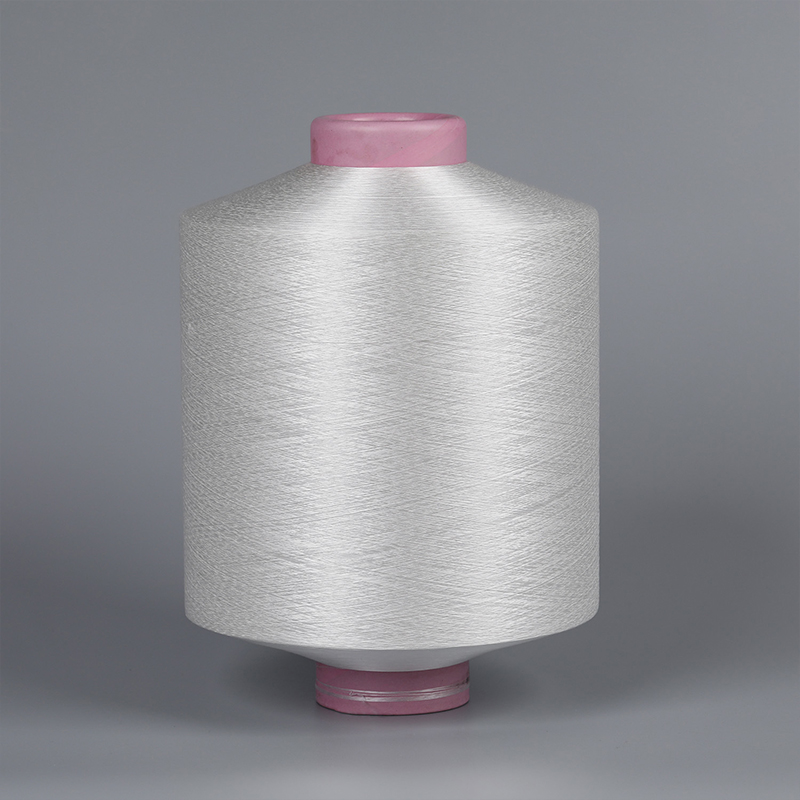
A sourcing manager recently asked us whether switching a standard polyester yarn to a recycled polyester yarn would make her collection sustainable. Our answer...
READ MORE
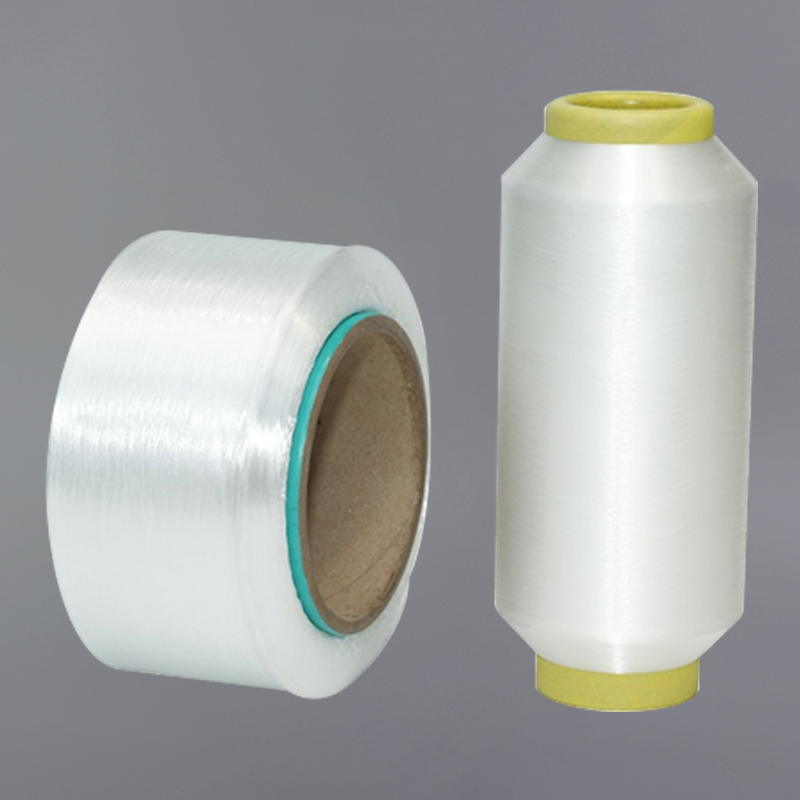
Bio-component yarn is made with two different kinds of material. We use the special machine to design this kind of product.
Usually, we can produce PE plus PP, low melting plus pet, pet plus PE. The product can be customized. We can design the product according to the guest request.
When we use two different materials, the final product can get higher performance.

A sourcing manager recently asked us whether switching a standard polyester yarn to a recycled polyester yarn would make her collection sustainable. Our answer...
READ MOREWhen you are choosing a yarn for a product that will face salt water, heavy friction, or months of humidity, polyester and nylon usually come up first in the d...
READ MOREWhat Is Polyester Staple Fiber? Polyester staple fiber (PSF) is a short-length fiber extruded from polyethylene terephthalate (PET) and cut into defined length...
READ MOREIf you are comparing fabrics for sportswear or sustainable everyday clothing, you have probably asked yourself: is recycled polyester breathable? The short ans...
READ MOREBio-component yarn is a fiber made by combining two different polymers within a single filament, engineered to deliver properties such as elasticity, softness, durability, and biodegradability that neither polymer could achieve alone, making it a top choice for performance textiles, hygiene products, and sustainable apparel manufacturing.
Bio-component yarn refers to fiber extruded from two distinct polymer types arranged in a fixed cross-sectional configuration, most commonly side-by-side or sheath-core. This dual structure allows manufacturers to combine the strengths of each polymer, for example pairing polyester for strength with polyethylene for low-melt bonding capability. The result is a yarn that behaves differently than single-polymer fibers, often offering self-crimping, thermal bonding, or enhanced softness depending on the polymer pairing and ratio used.
| Structure Type | Description | Typical Use |
| Side-by-Side | Two polymers placed parallel, creating helical crimp due to differential shrinkage | Stretch fabrics, sportswear |
| Sheath-Core | One polymer wraps around a core of the other polymer | Thermal bonding nonwovens |
| Islands-in-Sea | Multiple fine fibers embedded within a dissolvable matrix | Microfiber and suede-like textiles |
| Segmented Pie | Wedge-shaped sections splitting into ultra-fine fibers | Wipes, filtration media |
Manufacturers and brands choose Bio-component yarn for several measurable advantages over standard single-component fibers.
The versatility of bicomponent construction means this yarn type appears across a wide range of finished products.
| Industry | Application Example |
| Hygiene Products | Diaper top sheets, sanitary pads, adult incontinence products |
| Apparel | Stretch socks, activewear, lightweight insulation linings |
| Home Textiles | Pillow fillings, mattress covers, upholstery padding |
| Filtration | Air filters, liquid filtration media using fine split fibers |
| Automotive | Interior trim, sound insulation panels, headliners |
Selecting the correct grade depends on matching the polymer combination and fiber structure to the end application. Consider the following before placing an order.
| Property | Bio-component Yarn | Standard Polyester Yarn | Cotton Yarn |
| Elasticity | High, built-in crimp | Low to moderate | Low |
| Bonding Without Adhesive | Yes, via low-melt sheath | No | No |
| Biodegradability | Available with PLA blends | Very low | High |
| Softness for Skin Contact | Excellent | Moderate | Good but absorbs moisture |
| Cost per Kilogram | Moderate to high | Low | Moderate |
Is bio-component yarn the same as biodegradable yarn
Not always. The term bicomponent refers to the fiber structure containing two polymers, while biodegradability depends on the specific polymers chosen. Some bicomponent yarns use fully synthetic, non-biodegradable polymers, while others incorporate PLA or similar materials that do break down under industrial composting.
Can bio-component yarn be recycled
Recyclability depends on the polymer combination. PE-PET sheath-core fibers can often be processed through standard polyester recycling streams, though separation efficiency varies by facility.
What melting point should I expect from the sheath polymer
Most low-melt sheath polymers used in thermal bonding applications melt between 105 and 135 degrees Celsius, allowing fabric formation without damaging the higher-melting core fiber.
Does bio-component yarn cost more than regular yarn
Typically yes, due to the more complex spinning process requiring dual extruders and precise polymer ratio control. However, the bonding cost savings in nonwoven production can offset the higher raw material price.
Please fill out the form below and our team will contact you as soon as possible.
Addres: No.66 Qiaogang Road, Haian, Nantong City, Jiangsu Province, China
E-mail: service@gcfiber.com admin@gcfiber.com
Copyright ? GC FIBER All Rights Reserved. OEM Bio-component Yarn Supplier ODM Bio-component Yarn Factory
