 English
 中文简体
中文简体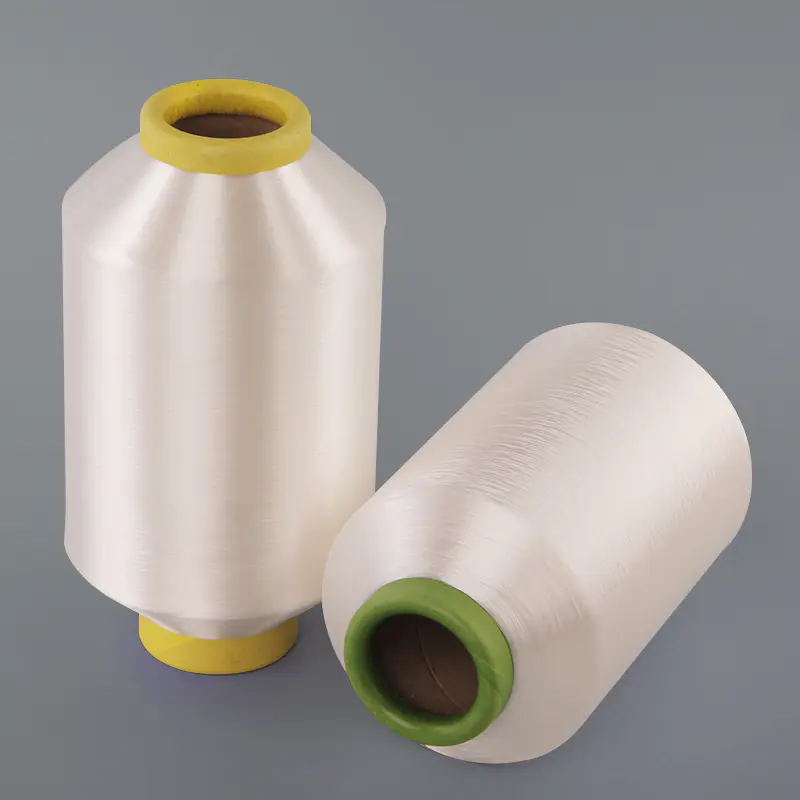
What Is Polyester Staple Fiber? Polyester staple fiber (PSF) is a short-length fiber extruded from polyethylene terephthalate (PET) and cut into defined length...
READ MORE
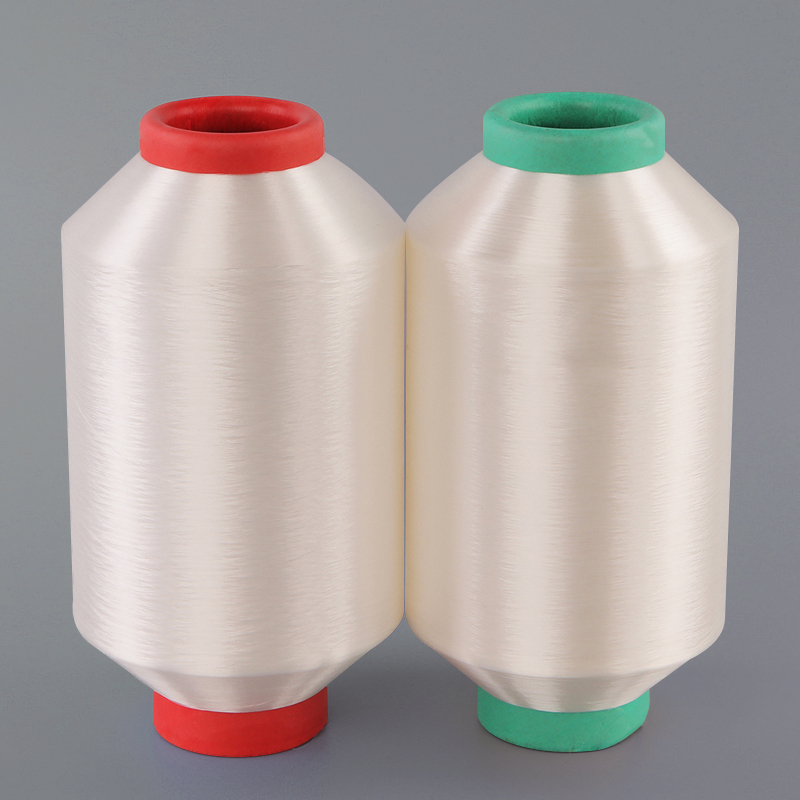
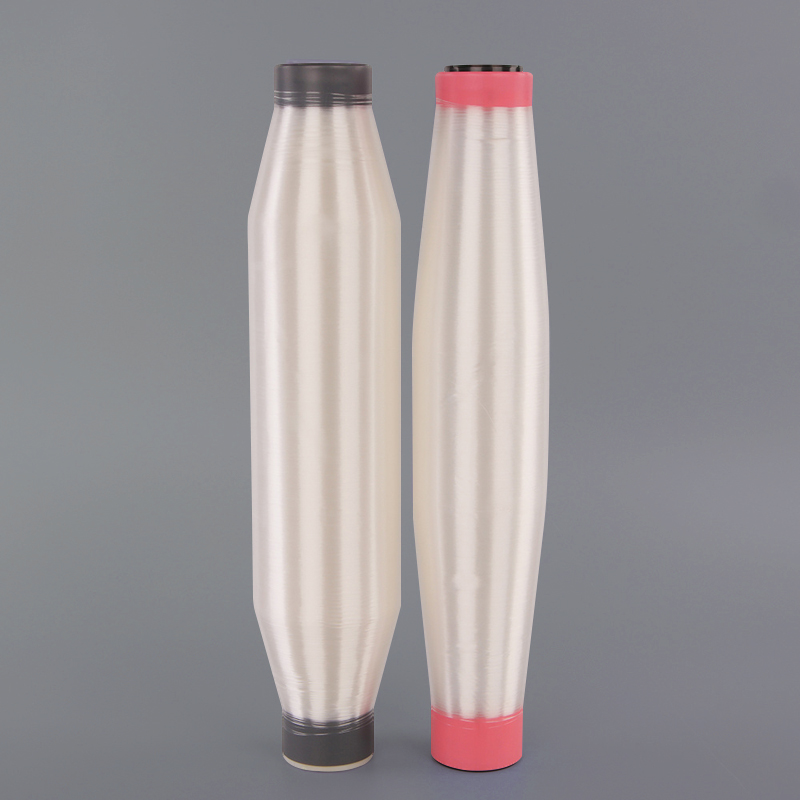
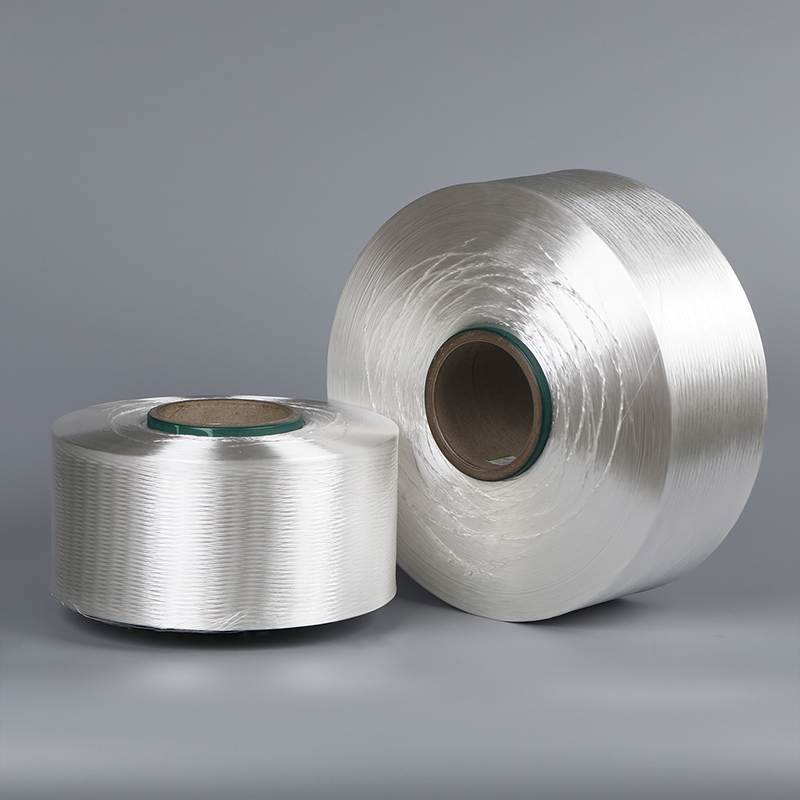
Low-melting Yarn is a specialized textile material widely known in the industry as hot melt yarn, Fusible Yarn, or Thermal Bonding Yarn. It is engineered to replace traditional chemical glues, providing a much cleaner, more eco-friendly, and safer solution for modern production processes. Consequently, some manufacturers also refer to it as a sustainable "Glue yarn."
Our product range primarily features nylon low melt yarn and polyester low melting yarn, with customizable melting points typically at 85°C and 110°C to suit various industrial needs.
Thanks to its excellent bonding properties, this versatile yarn is extensively used across both traditional textiles and technical applications, including:
High-strength sewing threads
Elasticity tapes and bands
Industrial filter nets
Delicate lace production
Advanced weaving fabrics

What Is Polyester Staple Fiber? Polyester staple fiber (PSF) is a short-length fiber extruded from polyethylene terephthalate (PET) and cut into defined length...
READ MOREIf you are comparing fabrics for sportswear or sustainable everyday clothing, you have probably asked yourself: is recycled polyester breathable? The short ans...
READ MOREYes, polyester can be recycled, but only when it is 100% polyester. Blended fabrics, dyes, and functional additives make post-consumer recycling far more diffi...
READ MOREWhen a shoe factory asks for a low-melting yarn that bonds at exactly 110°C without deforming the upper, or a protective clothing plant needs an anti-static PE...
READ MORELow melting yarn is a thermoplastic fiber yarn engineered with a lower melting point than the fibers it is blended with, allowing it to soften and bond fabric layers together when heat is applied during finishing or lamination. Brands and manufacturers choose low melting yarn primarily because it eliminates the need for extra adhesives, reduces production cost, and creates a softer hand feel in the finished textile. Below, we break down everything you need to know before sourcing this material for your production line.
Low melting yarn is typically made from co-polyester or modified polyester fibers that have a melting point ranging between 110 and 160 degrees Celsius, significantly lower than standard polyester which melts around 250 to 260 degrees Celsius. When the fabric containing this yarn is exposed to heat during a calendering or pressing process, the low melting component liquefies slightly and fuses with surrounding fibers, acting as an internal binding agent. Once cooled, it solidifies again and locks the structure in place, giving the fabric improved shape retention without stitching or gluing.
Manufacturers select this yarn for several measurable advantages over conventional binding methods. The table below summarizes the core benefits reported by textile producers.
| Feature | Practical Benefit |
| Low melting point (110-160C) | Bonds fabric layers without separate adhesive film |
| Self-bonding structure | Reduces lamination cost by 15-30 percent in many mills |
| Soft hand feel after fusing | Suitable for apparel linings and intimate wear |
| Good dimensional stability | Keeps non-woven products from sagging or curling |
| Compatible with standard polyester | Easy to blend on existing spinning equipment |
Another point worth noting is washability. Once the yarn has been heat-set into the fabric structure, the bonding generally survives 20 to 30 home wash cycles when the correct temperature was used during fusing, which is a common benchmark requested by quality control teams.
This material shows up across a wide range of industries because of its bonding capability. Some of the most frequent uses include:
Selecting the correct grade depends on your processing equipment and the final product requirements. Consider the following factors before placing an order.
| Selection Factor | What to Check |
| Melting temperature range | Match to your oven or press capability, common options are 110C, 130C, and 150C |
| Denier and filament count | Finer denier gives smoother surfaces, coarser denier gives more rigidity |
| Sheath to core ratio | A higher sheath ratio increases bonding strength but may reduce overall fiber tenacity |
| Color and dyeability | Confirm whether the yarn needs to match a dyed fabric or stay hidden as an inner layer |
| Minimum order quantity | Bulk pricing usually starts at 500kg to 1 ton depending on the supplier |
It is also wise to request a small trial roll before committing to a full container order. Running a test batch through your actual press at three different temperature settings, for example 120C, 135C, and 150C, will reveal the optimal fusing window for your specific machinery and prevent costly rework later.
To understand where low melting yarn fits, it helps to compare it directly against regular polyester yarn and hot melt adhesive film, two alternatives commonly used for the same bonding purpose.
| Material | Bonding Method | Cost Impact | Hand Feel |
| Low melting yarn | Fuses internally during heat press | Lower, no extra material needed | Soft and integrated |
| Regular polyester yarn | No bonding, requires stitching or glue | Higher labor cost for assembly | Depends on added adhesive |
| Hot melt adhesive film | Separate film layer applied with heat | Adds material and handling cost | Can feel stiff or plasticky |
For products where weight, softness, and cost efficiency matter most, such as filter mats and apparel interlinings, low melting yarn generally outperforms both alternatives. However, for applications needing extremely high bond strength under heavy mechanical stress, a combination of low melting yarn plus reinforcement stitching is sometimes recommended.
Does low melting yarn lose its bonding ability after multiple heat cycles
Generally no, as long as the temperature stays below the secondary melting threshold of the core fiber. Repeated minor heat exposure, such as ironing, does not typically reactivate or weaken the original bond.
Can low melting yarn be dyed the same way as regular polyester
It can be dyed, but because the melting point is lower, dyeing temperatures must be reduced to avoid premature softening of the fiber during the dye bath.
What happens if the pressing temperature is too high
The yarn can over melt, causing it to lose fiber form and create stiff, glossy patches on the fabric surface. Staying within the manufacturer recommended range, usually a window of about 10 to 15 degrees, avoids this issue.
Is low melting yarn suitable for food contact products
Some grades are certified for food contact filtration use, but this varies by supplier, so always request the relevant certification documents such as RoHS or REACH before sourcing.
Please fill out the form below and our team will contact you as soon as possible.
Addres: No.66 Qiaogang Road, Haian, Nantong City, Jiangsu Province, China
E-mail: service@gcfiber.com admin@gcfiber.com
Copyright ? GC FIBER All Rights Reserved. OEM Nylon Fusible Yarn Supplier ODM Low Melting Yarn Factory
