 English
 中文简体
中文简体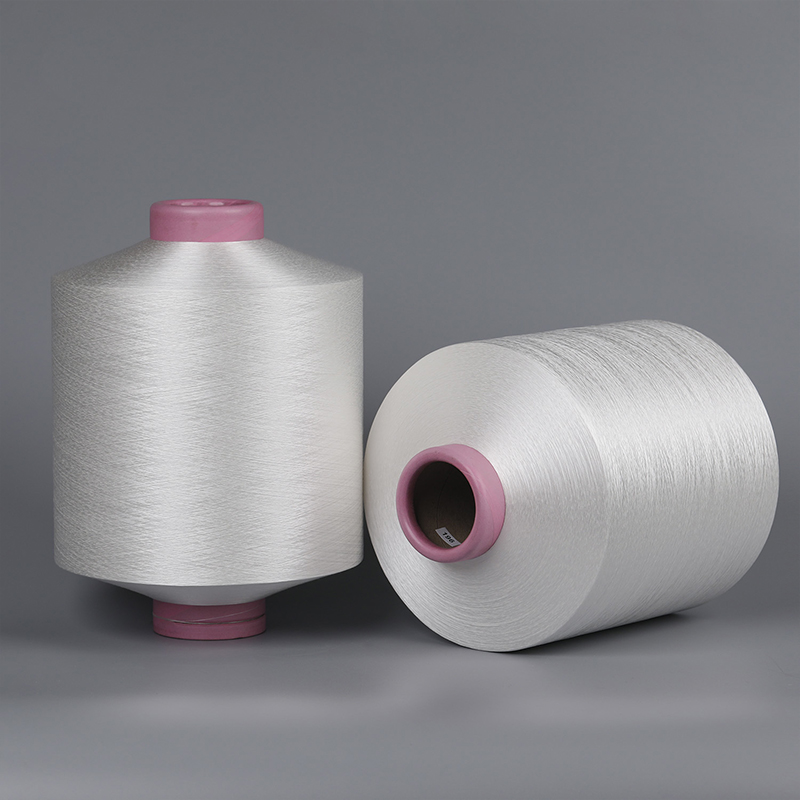
A sourcing manager recently asked us whether switching a standard polyester yarn to a recycled polyester yarn would make her collection sustainable. Our answer...
READ MORE
It is easy dyeing cationic polyester yarn. We put the special nano polymer into the polyester material and make the yarn high-performance.
ECDP yarn is softer, moist compared with polyester.
Usually, the polyester yarn dyeing temperature is 120 degree. While ECDP yarn can make deep color with good color fastness at 90 degree.
It can be used for underwear, lace, sportswear etc.
A sourcing manager recently asked us whether switching a standard polyester yarn to a recycled polyester yarn would make her collection sustainable. Our answer...
READ MOREWhen you are choosing a yarn for a product that will face salt water, heavy friction, or months of humidity, polyester and nylon usually come up first in the d...
READ MOREWhat Is Polyester Staple Fiber? Polyester staple fiber (PSF) is a short-length fiber extruded from polyethylene terephthalate (PET) and cut into defined length...
READ MOREIf you are comparing fabrics for sportswear or sustainable everyday clothing, you have probably asked yourself: is recycled polyester breathable? The short ans...
READ MOREEcdp Yarn is a recycled, eco-conformance-certified polyester yarn engineered for durability, color consistency, and reduced environmental footprint — making it a practical substitute for virgin polyester in apparel, home textiles, and industrial fabrics. Below is a full breakdown of what it is, why manufacturers choose it, and how to select the right grade for your project.
Ecdp Yarn stands for Eco-Certified Dope-Dyed Polyester Yarn. Unlike traditional yarns that are dyed after weaving, dope-dyeing adds pigment directly into the polymer melt before extrusion. This results in deeper color penetration, less water usage during production, and a yarn that resists fading even after 50+ industrial washes.
| Color Fastness | Rated 4-5 on the AATCC grayscale, meaning minimal fading after repeated washing |
| Tensile Strength | Average breaking strength of 4.5-5.2 cN/dtex, suitable for high-stress fabrics |
| Recycled Content | Typically composed of 70-100 percent post-consumer PET bottles |
| Water Savings | Up to 89 percent less water consumption versus traditional dyeing |
| Carbon Footprint | Reduces CO2 emissions by an estimated 60 percent per kilogram of yarn |
Selecting the correct grade depends on three primary factors: denier count, twist level, and intended fabric weight.
| Lightweight Apparel | 75D-150D, low twist, soft hand-feel |
| Medium Fabrics | 150D-300D, medium twist, balanced drape and durability |
| Heavy-Duty Textiles | 300D-600D, high twist, maximum abrasion resistance |
Buyers should also request a Global Recycled Standard (GRS) certificate to confirm the recycled content percentage matches supplier claims.
| vs Virgin Polyester | Comparable strength, but significantly lower water and energy use during dyeing |
| vs Cotton Yarn | Higher durability and faster drying, though less breathable |
| vs Conventional Dyed Polyester | Better colorfastness and no separate dyeing stage required |
Is Ecdp Yarn suitable for blending with natural fibers
Yes, it blends well with cotton and viscose at ratios up to 50 percent without compromising recycled certification.
Does dope-dyeing limit available colors
Standard production covers around 200 base shades, with custom color matching available for orders above 500 kilograms.
How does pricing compare to standard polyester yarn
Costs typically run 5 to 12 percent higher, offset by eliminated dyeing expenses and reduced wastewater treatment fees.
Please fill out the form below and our team will contact you as soon as possible.
Addres: No.66 Qiaogang Road, Haian, Nantong City, Jiangsu Province, China
E-mail: service@gcfiber.com admin@gcfiber.com
Copyright ? GC FIBER All Rights Reserved. OEM Easy Dyeing Polyester Yarn Supplier ODM Ecdp Yarn Factory
