 English
 中文简体
中文简体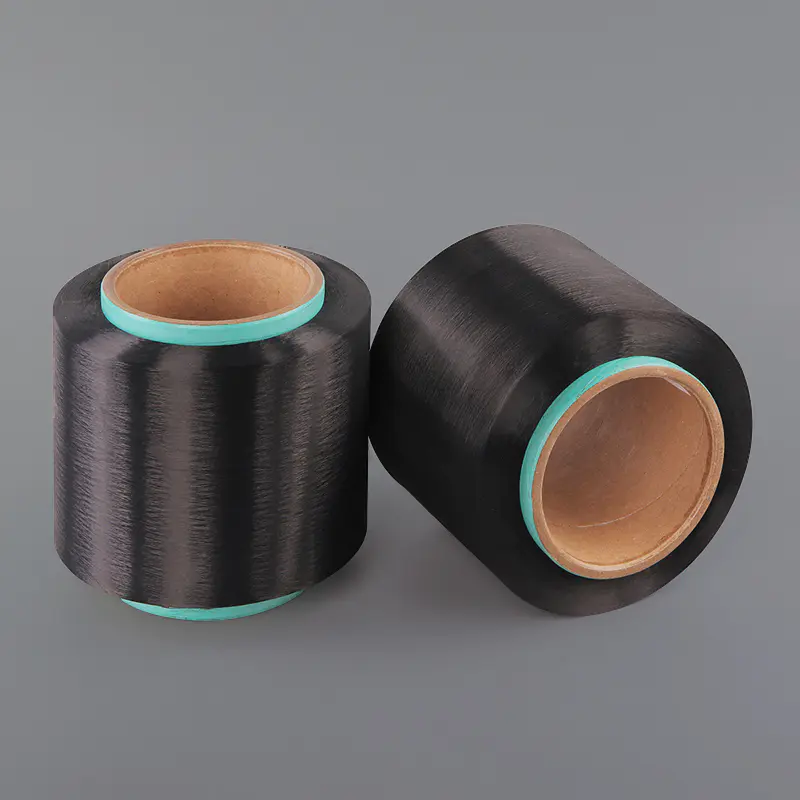
A sourcing manager recently asked us whether switching a standard polyester yarn to a recycled polyester yarn would make her collection sustainable. Our answer...
READ MORE
Anti-static Yarn is new functional product to reduce the static on the textile or industrial.
We design the special cross section for the yarn and add carbon or metallic oxide into the yarn. So the conductivity of the yarn can reach the 10^6 Ω/cm. After washing, the function still remains the same.
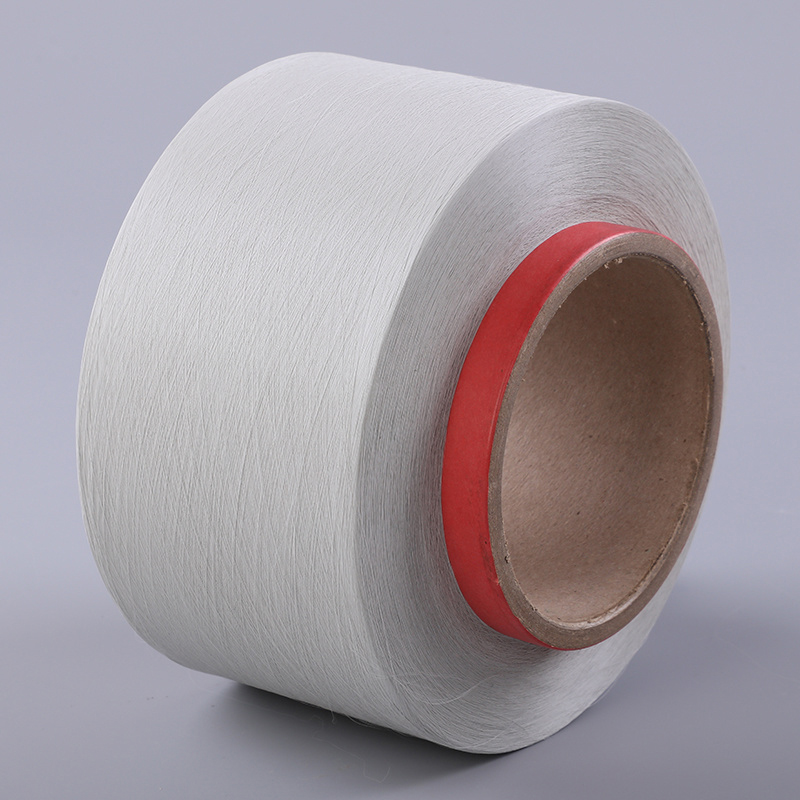
Now there are two colors: grey and black.

A sourcing manager recently asked us whether switching a standard polyester yarn to a recycled polyester yarn would make her collection sustainable. Our answer...
READ MOREWhen you are choosing a yarn for a product that will face salt water, heavy friction, or months of humidity, polyester and nylon usually come up first in the d...
READ MOREWhat Is Polyester Staple Fiber? Polyester staple fiber (PSF) is a short-length fiber extruded from polyethylene terephthalate (PET) and cut into defined length...
READ MOREIf you are comparing fabrics for sportswear or sustainable everyday clothing, you have probably asked yourself: is recycled polyester breathable? The short ans...
READ MOREAnti Static Yarn is a specially engineered textile fiber that prevents the buildup and discharge of static electricity by incorporating conductive elements such as carbon, metal fibers, or specialized polymer coatings into the yarn structure. It is the go-to solution for industries where static discharge can damage sensitive equipment, cause safety hazards, or affect product quality, including electronics manufacturing, cleanroom garments, automotive interiors, and protective workwear.
Anti static yarn is produced by blending or coating standard fibers like polyester, nylon, or cotton with conductive materials. The most common conductive additives include carbon black particles embedded within the fiber core, stainless steel filaments twisted into the yarn, or silver-plated nylon threads woven throughout the fabric structure.
The conductive component creates a pathway that allows static charges to dissipate into the air or ground rather than accumulating on the fabric surface. A typical anti static yarn contains between 1 percent and 5 percent conductive fiber by weight, which is sufficient to reduce surface resistivity from over 10 to the 12th power ohms down to between 10 to the 5th and 10 to the 9th power ohms.
Quick Definition
Anti static yarn = base fiber (polyester, nylon, cotton) + conductive fiber (carbon, stainless steel, or silver-coated nylon) woven or knitted in a grid pattern, typically every 4mm to 10mm.
The performance of anti static yarn depends on several measurable characteristics. Below is a breakdown of what sets quality anti static yarn apart from standard textile fibers.
| Feature | Typical Range | Why It Matters |
| Surface Resistivity | 10^5 to 10^9 ohms/square | Lower values mean faster static dissipation |
| Conductive Fiber Ratio | 1% to 5% | Higher ratios improve conductivity but raise cost |
| Grid Spacing | 4mm to 10mm | Tighter grids offer stronger ESD protection |
| Wash Durability | 50 to 100+ industrial washes | Determines long term ESD garment lifespan |
| Color Options | Limited (carbon shows as dark stripe) | Affects garment design flexibility |
Beyond the technical numbers, three practical benefits stand out for buyers and manufacturers:
Anti static yarn is woven or knitted into fabrics used across a wide range of industries. The application determines the conductive fiber type, ratio, and grid pattern used.
Cleanroom garments for semiconductor fabs typically use anti static yarn with carbon core fibers at a 5mm grid spacing. This setup achieves surface resistivity around 10^6 ohms, which meets ESD Association standard ANSI/ESD S20.20 requirements for handling sensitive electronic components.
Coveralls and uniforms for oil refineries, mining operations, and chemical plants often use stainless steel fiber blends at around 2 percent content. This provides durable conductivity even after repeated washing and exposure to abrasive conditions.
Seat fabrics, carpets, and headliners in vehicles use anti static yarn to prevent the buildup of charge that could interfere with onboard electronics or cause uncomfortable static shocks for passengers.
Surgical gowns and pharmaceutical processing garments use anti static yarn to reduce dust attraction, since static charge can pull airborne particles onto fabric surfaces, compromising sterile environments.
Selecting the correct Anti Static Yarn for a project depends on matching technical specifications to the operating environment. The following checklist outlines the main decision points.
Buying Tip
Always request a surface resistivity test report from the supplier rather than relying on marketing claims alone. A reading taken at 12% relative humidity is more reliable than one taken at 50% humidity, since humidity naturally lowers resistivity readings.
Understanding how anti static yarn differs from regular and other specialty yarns helps clarify when it is the right choice.
| Yarn Type | Static Control | Cost vs Standard | Best Use Case |
| Standard Polyester | None | Baseline | General apparel, no ESD risk |
| Anti Static Yarn | Moderate to High | +15% to 30% | Cleanrooms, ESD workwear, electronics |
| Fully Conductive Yarn | Very High | +50% to 100% | Grounding straps, EMI shielding |
| Flame Retardant Yarn | None (unless blended) | +20% to 40% | Fire hazard zones, welding |
In many high risk environments, anti static yarn is blended with flame retardant fibers to address both hazards simultaneously, which is common in oil and gas industry coveralls.
Yes, repeated washing and mechanical wear can reduce conductive fiber performance. Most industrial grade anti static fabrics are rated for 50 to 100 washes before resistivity rises beyond acceptable limits, though stainless steel blends often last longer than carbon core blends.
Carbon based conductive fibers typically appear as a visible gray or black stripe and limit dyeing options. Silver coated nylon fibers are easier to blend into lighter and brighter colored fabrics without obvious discoloration.
Yes, when blended at the standard 1 to 5 percent ratio with cotton or polyester, the fabric remains soft and skin friendly. The conductive fibers are embedded within or twisted alongside the base fiber and do not cause irritation in most users.
Anti static yarn addresses electrical charge buildup using conductive fibers, while antibacterial yarn uses agents like silver ions or zinc compounds to inhibit microbial growth. The two functions can be combined in a single fabric for medical or sportswear applications.
The grid pattern refers to the spacing between conductive yarn strands woven into the base fabric, usually measured in millimeters or as a stripe ratio such as one conductive yarn per 10 base yarns, directly affecting both cost and ESD performance.
Please fill out the form below and our team will contact you as soon as possible.
Addres: No.66 Qiaogang Road, Haian, Nantong City, Jiangsu Province, China
E-mail: service@gcfiber.com admin@gcfiber.com
Copyright ? GC FIBER All Rights Reserved. OEM Conductive Yarn Supplier ODM Anti Static Yarn Factory
