 English
 中文简体
中文简体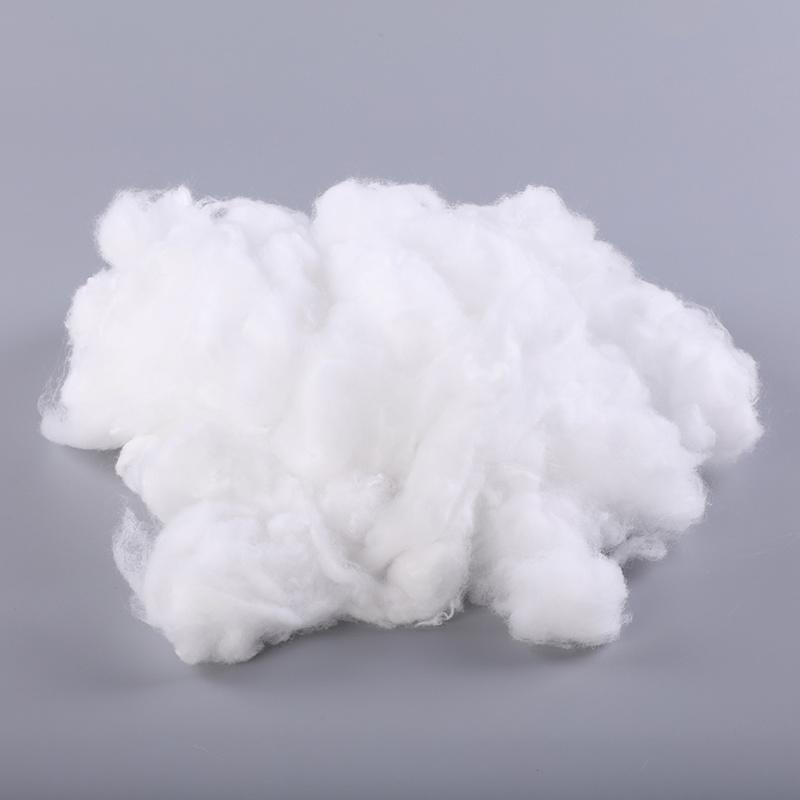
A sourcing manager recently asked us whether switching a standard polyester yarn to a recycled polyester yarn would make her collection sustainable. Our answer...
READ MORE
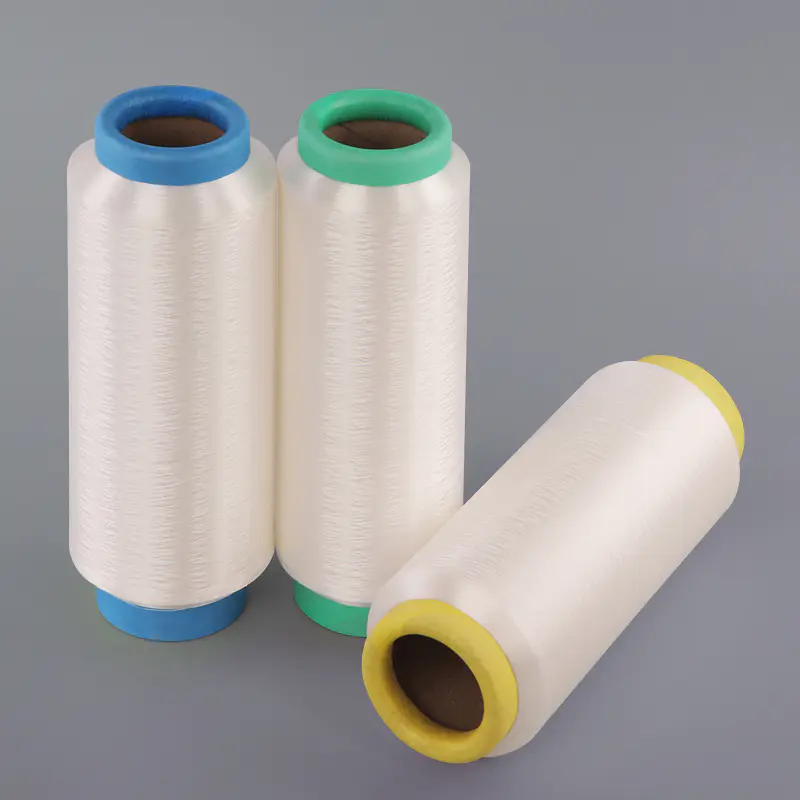
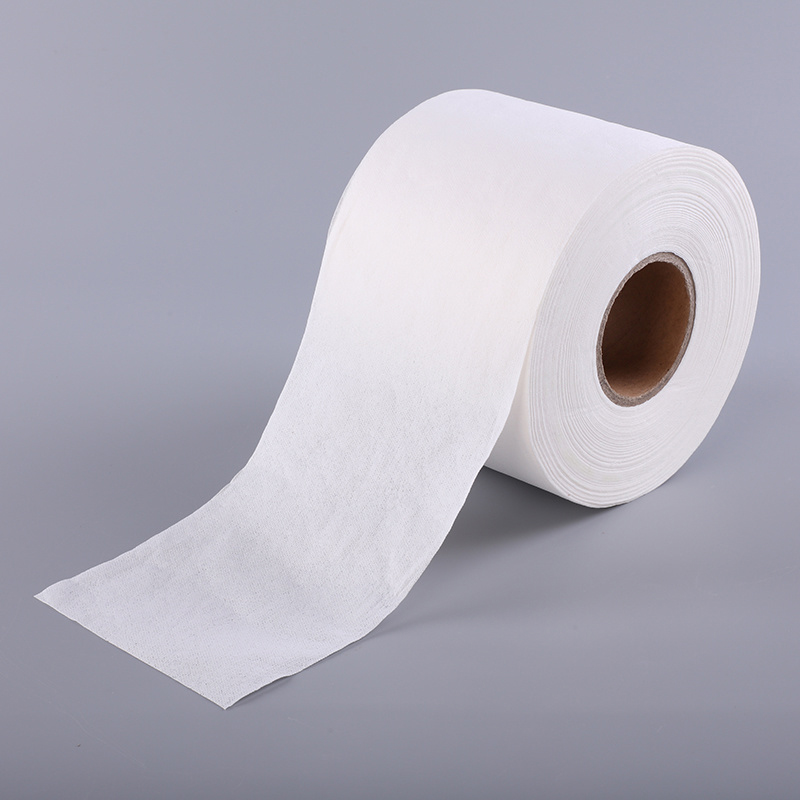
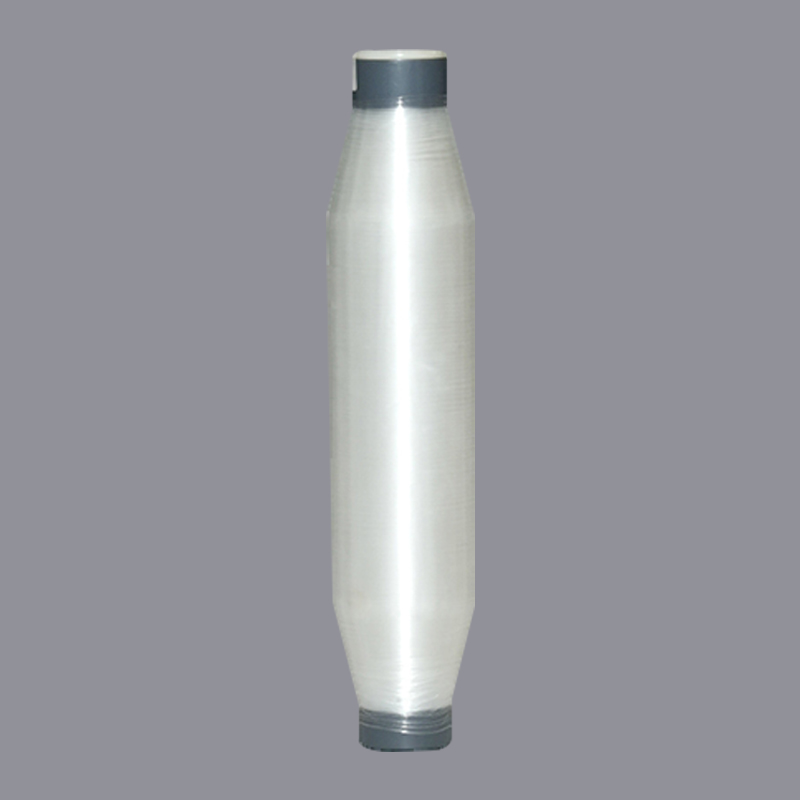
Our biodegradable yarn is made with different kinds of biodegradable material, such as PLA, PBS, PHA etc. It is eco-friendly and green product for future. Usually, it is biodegradable within 1 year under the ground and turn to Co2 plus water. At the moment, we can make Staple fiber, Filament yarn and Non-woven fabric.Most of them are used for textile, technic, medical and agriculture.
A sourcing manager recently asked us whether switching a standard polyester yarn to a recycled polyester yarn would make her collection sustainable. Our answer...
READ MOREWhen you are choosing a yarn for a product that will face salt water, heavy friction, or months of humidity, polyester and nylon usually come up first in the d...
READ MOREWhat Is Polyester Staple Fiber? Polyester staple fiber (PSF) is a short-length fiber extruded from polyethylene terephthalate (PET) and cut into defined length...
READ MOREIf you are comparing fabrics for sportswear or sustainable everyday clothing, you have probably asked yourself: is recycled polyester breathable? The short ans...
READ MOREBiodegradable yarn is a fiber-based yarn that breaks down naturally into water, carbon dioxide, and biomass through microbial activity, typically within 6 months to 5 years depending on the material and disposal environment. Made from sources like organic cotton, hemp, bamboo, soy protein, or PLA (polylactic acid), it offers a practical alternative to synthetic yarns that can persist in landfills for centuries. If you are sourcing materials for sustainable fashion, eco-friendly home goods, or craft projects with reduced environmental impact, Biodegradable Yarn is a strong starting point for understanding what fits your project.
Biodegradable yarn refers to spun fiber that microorganisms such as bacteria and fungi can decompose under natural conditions. Unlike conventional synthetic yarns made from petroleum-based polymers like polyester or nylon, biodegradable yarns are derived from renewable organic sources or bio-based polymers engineered to break down safely.
Common base materials include organic cotton, linen, jute, wool, bamboo viscose, Tencel (lyocell), hemp, and PLA spun from corn starch. Each of these returns to the soil through composting or natural decay without leaving behind microplastic residue, which is one of the biggest concerns with conventional acrylic or polyester yarns.
The appeal of biodegradable yarn goes beyond its end-of-life decomposition. Several measurable advantages make it a practical choice for manufacturers, designers, and consumers alike.
| Feature | Practical Benefit |
| Natural decomposition | Breaks down in 6 months to 5 years versus 20 to 200 years for synthetic fibers |
| Low chemical residue | Most variants avoid harsh dyes and finishes that leach into soil and water |
| Renewable sourcing | Raw materials like hemp and bamboo regrow quickly, often within 1 to 3 years |
| Reduced microplastic shedding | Washing produces organic fibers instead of plastic particles entering waterways |
| Skin compatibility | Lower likelihood of irritation, useful for baby clothing and sensitive-skin products |
For example, a hemp-based yarn can decompose in a home compost setting within roughly 3 to 6 months, while a comparable polyester yarn left in similar conditions shows little to no breakdown even after several years.
Biodegradable yarn is used across a range of industries where sustainability and end-of-life impact are part of the product design conversation.
In the apparel sector specifically, brands working toward circular fashion goals often use Biodegradable yarn as a base material to reduce the environmental footprint of garments at the disposal stage.
Selecting the correct biodegradable yarn depends on the intended use, durability requirements, and end-of-life expectations. Consider these factors before purchasing in bulk or for a specific project.
| Consideration | Recommendation |
| Project type | Choose cotton or bamboo for garments, hemp or jute for durable home goods |
| Decomposition timeline | PLA yarns decompose faster in industrial composting facilities than home compost |
| Dye and finish | Look for GOTS-certified or undyed yarns to avoid synthetic chemical additives |
| Texture and weight | Bamboo offers a silky drape, while hemp and jute provide a coarser, sturdier feel |
| Certification labels | Check for OEKO-TEX, GOTS, or USDA BioPreferred markings for verified claims |
A practical tip: if a yarn label only says natural fiber without specifying processing methods, it does not guarantee biodegradability, since some finishing chemicals can slow or block decomposition entirely.
Understanding how biodegradable yarn stacks up against synthetic and semi-synthetic alternatives helps clarify when it is the better choice.
| Yarn Type | Decomposition Time | Microplastic Risk | Typical Cost |
| Biodegradable (cotton, hemp, PLA) | 6 months to 5 years | None to minimal | Moderate to high |
| Polyester | 20 to 200 years | High | Low |
| Acrylic | Over 200 years | High | Low |
| Wool blend (with synthetic) | Partial, residue remains | Moderate | Moderate |
While synthetic yarns generally cost less upfront, the long-term environmental cost in landfill volume and microplastic pollution is significantly higher. For brands prioritizing sustainability claims, the cost difference is often offset by improved consumer perception and compliance with extended producer responsibility regulations now active in regions like the EU.
Does biodegradable yarn perform as well as synthetic yarn in durability
For most applications, yes. Hemp and jute often outperform synthetic fibers in tensile strength, while cotton and bamboo offer comparable softness and wear resistance for apparel use.
Can biodegradable yarn be washed in a regular washing machine
Most biodegradable yarns can be machine washed on gentle cycles with cold water, though some natural fibers like wool may require hand washing to prevent shrinkage.
Is biodegradable yarn more expensive than synthetic yarn
Generally yes, prices can run 20 to 50 percent higher due to sourcing and processing costs, though prices have been narrowing as production scales up globally.
Where can I find quality biodegradable yarn for production or crafting
Suppliers offering certified options such as Biodegradable yarn provide a reliable starting point for sourcing materials that meet both performance and sustainability requirements.
Please fill out the form below and our team will contact you as soon as possible.
Addres: No.66 Qiaogang Road, Haian, Nantong City, Jiangsu Province, China
E-mail: service@gcfiber.com admin@gcfiber.com
Copyright ? GC FIBER All Rights Reserved. OEM Biodegradable Yarn Supplier ODM PLA Yarn Factory
