 English
 中文简体
中文简体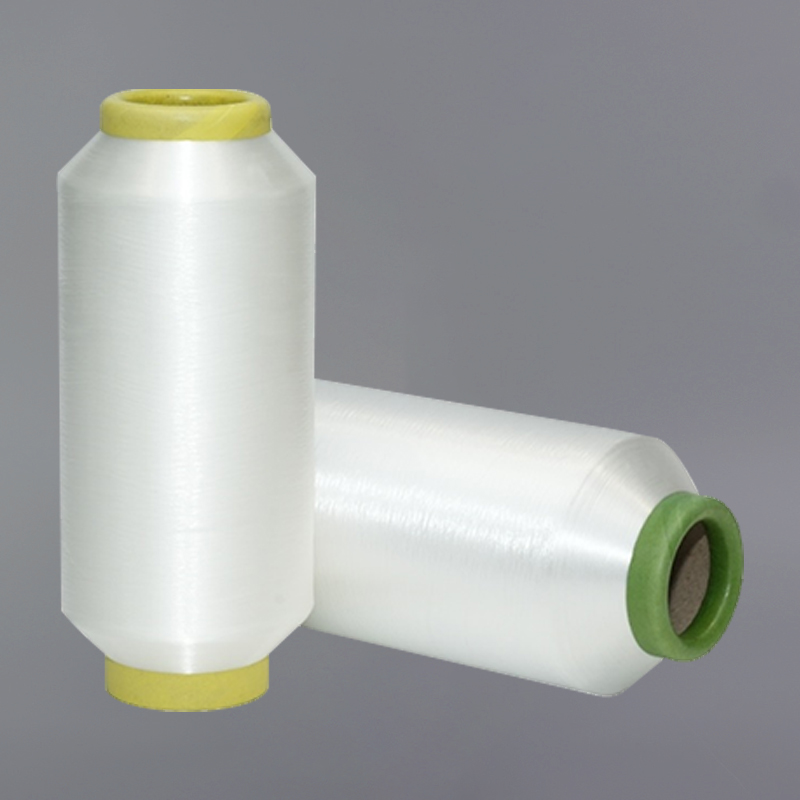
A sourcing manager recently asked us whether switching a standard polyester yarn to a recycled polyester yarn would make her collection sustainable. Our answer...
READ MORE
Polyester fiber, which is commonly known as "polyester", is a synthetic fiber made of organic dibasic acid and dibasic alcohol through chemical condensation.
Polyester has many advantages. It has excellent wrinkle resistance and shape preservation. It has high strength and elastic resilience, making the woven fabric strong and durable, while being able to quickly recover.
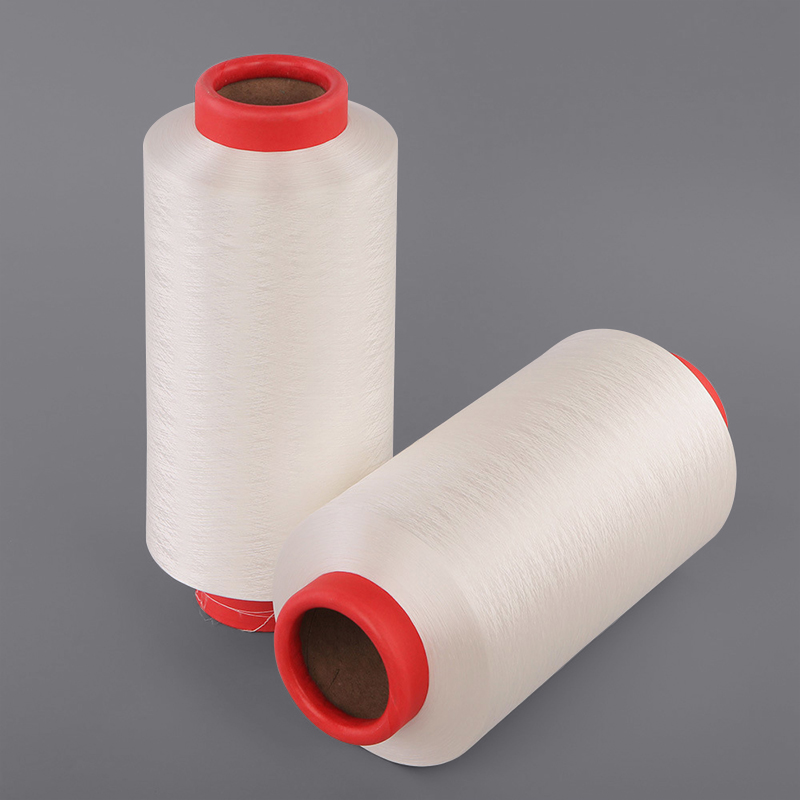
Now we can make the finest yarn, such as DTY 7D, 10D, 15D, raw-white and high filament.

A sourcing manager recently asked us whether switching a standard polyester yarn to a recycled polyester yarn would make her collection sustainable. Our answer...
READ MOREWhen you are choosing a yarn for a product that will face salt water, heavy friction, or months of humidity, polyester and nylon usually come up first in the d...
READ MOREWhat Is Polyester Staple Fiber? Polyester staple fiber (PSF) is a short-length fiber extruded from polyethylene terephthalate (PET) and cut into defined length...
READ MOREIf you are comparing fabrics for sportswear or sustainable everyday clothing, you have probably asked yourself: is recycled polyester breathable? The short ans...
READ MOREPolyester Filament Yarn is a continuous-strand synthetic yarn made from polyester polymer, prized for its strength, durability, and consistent texture. It is the go-to choice for industries that need a yarn with high tensile strength, low moisture absorption, and excellent colorfastness. If you are sourcing yarn for textiles, industrial fabrics, or home furnishings, Polyester Filament Yarn offers a reliable balance of cost, performance, and versatility that few other materials can match.
Polyester Filament Yarn is produced by extruding melted polyester polymer chips through tiny spinneret holes, forming long continuous fibers called filaments. Unlike staple yarns made from short fibers twisted together, filament yarn consists of unbroken strands that run the full length of the final product. This continuous structure gives the yarn a smoother surface, higher strength, and a more uniform appearance.
There are two primary types: Fully Drawn Yarn (FDY) and Drawn Textured Yarn (DTY). FDY has a smooth, straight filament structure ideal for applications requiring strength and stability, while DTY undergoes a texturing process that adds crimp and bulk, making it softer and more suitable for apparel.
Quick Fact: A single polyester filament can be as fine as 1 denier (thinner than a human hair) or as thick as 600+ denier for industrial-grade applications.
The popularity of this yarn stems from a combination of mechanical and chemical properties that outperform many natural and synthetic alternatives in specific use cases.
Polyester filament yarn typically offers tensile strength between 4.5 and 9.5 grams per denier, making it suitable for load-bearing applications such as webbing and ropes.
With a moisture regain rate of less than 0.4 percent, the yarn resists mildew, shrinking, and stretching even in humid environments.
Dyed or solution-dyed polyester filament retains color vibrancy through repeated washing and prolonged UV exposure, often rated 4 to 5 on the AATCC grayscale.
The yarn maintains its shape under tension and temperature changes, reducing wrinkling and deformation in finished products.
Because of its adaptability, this yarn is found across multiple industries, from fashion to construction. Below is a breakdown of typical use cases by sector.
| Industry | Application | Typical Denier Range |
| Apparel and Fashion | Shirts, dresses, sportswear linings | 50D to 150D |
| Home Textiles | Curtains, upholstery, bedding | 150D to 300D |
| Industrial Fabrics | Conveyor belts, tarpaulins, tents | 300D to 1000D |
| Automotive | Seat covers, airbags, seat belts | 250D to 1500D |
| Ropes and Webbing | Cargo straps, marine ropes | 1000D and above |
Selecting the correct yarn specification can prevent costly production issues down the line. Consider the following factors before placing an order.
Understanding how polyester filament yarn stacks up against other common materials helps clarify when it is the best choice.
| Property | Polyester Filament Yarn | Cotton Yarn | Nylon Filament Yarn |
| Tensile Strength | High | Moderate | Very High |
| Moisture Absorption | Very Low | High | Low |
| Elasticity | Moderate | Low | High |
| Cost per Kilogram | Low to Moderate | Moderate to High | High |
| UV Resistance | Good | Poor | Moderate |
For projects that need a balance between affordability, strength, and resistance to environmental wear, Polyester Filament Yarn often comes out as the most practical choice compared to cotton or nylon alternatives.
Is polyester filament yarn suitable for outdoor use
Yes. Its low moisture absorption and good UV resistance make it well suited for outdoor furniture covers, tents, and awnings that face prolonged sun exposure.
What is the difference between FDY and DTY
FDY is fully drawn during production and has a smooth, straight structure, while DTY undergoes additional texturing to create crimp, resulting in a bulkier and softer yarn suitable for apparel.
Can polyester filament yarn be dyed
Yes, raw white polyester filament yarn can be dyed using disperse dyes. Alternatively, solution-dyed yarn already contains color pigments mixed in before extrusion, offering better colorfastness.
How is the yarn quality measured
Quality is typically measured by denier consistency, tensile strength, elongation percentage, and the number of breaks per million meters during weaving or knitting.
What packaging is standard for bulk orders
Most suppliers package the yarn on cones weighing between 1.5 and 2.5 kilograms each, with cartons typically holding 20 to 24 cones for export shipping.
Please fill out the form below and our team will contact you as soon as possible.
Addres: No.66 Qiaogang Road, Haian, Nantong City, Jiangsu Province, China
E-mail: service@gcfiber.com admin@gcfiber.com
Copyright ? GC FIBER All Rights Reserved. OEM Polyester Filament Yarn Supplier ODM Polyester Filament Yarn Factory
