English
 中文简体
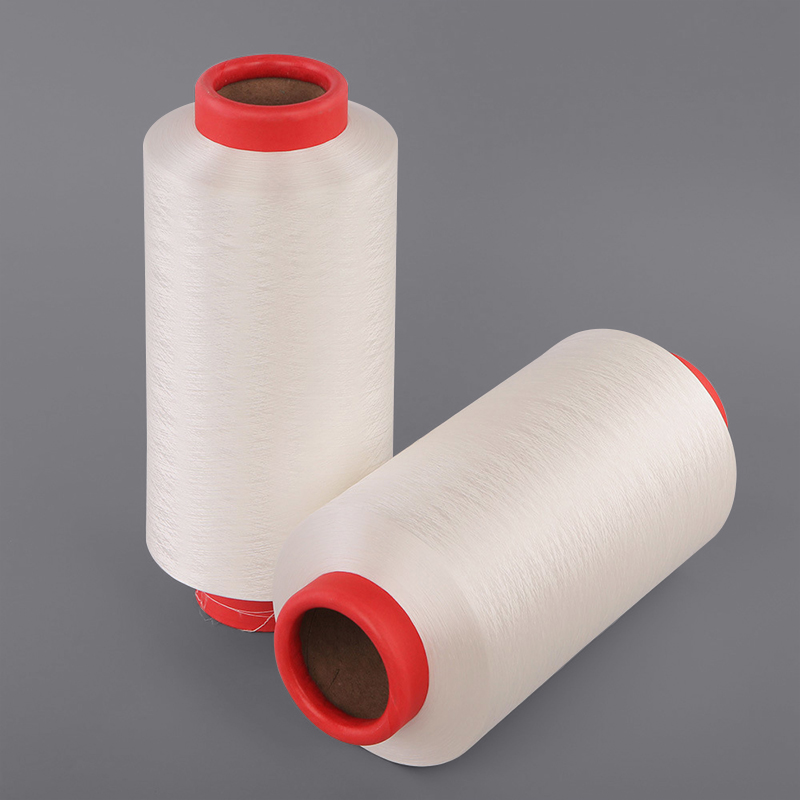
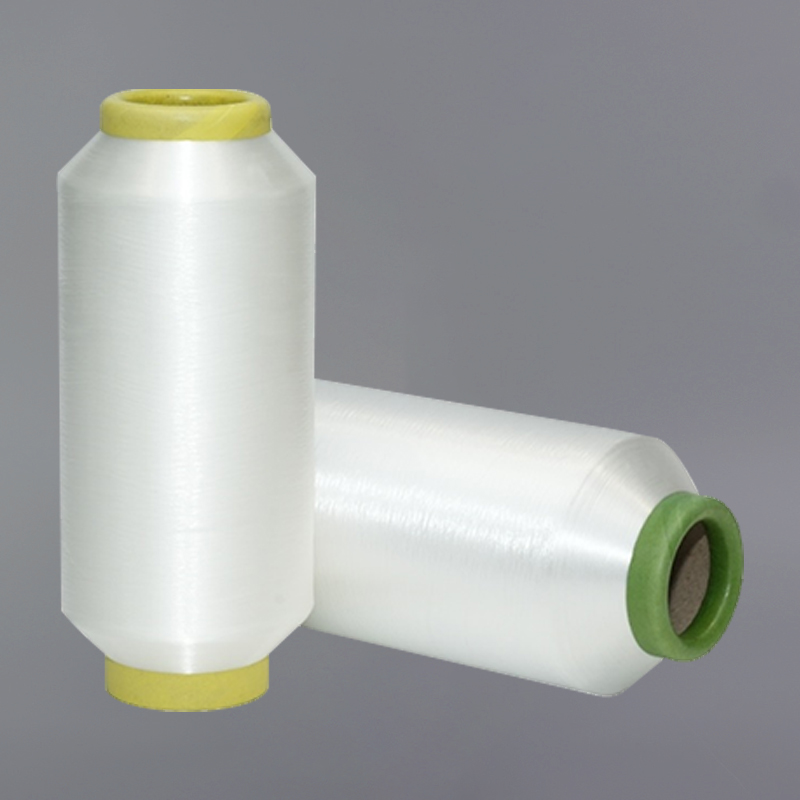
中文简体It is made with Bio-base PLA, fully biodegradable Feature: 1. Industrial compost product 2. Made with PLA 3. Eco-frie...
READ MORE
Content
With increasing global focus on sustainable development, biodegradable yarns are becoming one of the most sought-after alternative materials in the textile industry. Brands and consumers alike are eagerly anticipating that this bio-based material can completely solve the microplastic pollution problem caused by traditional synthetic fibers.
The widespread use of traditional high-performance synthetic fibers (such as polyester and nylon) is due to their excellent durability and tensile and abrasion resistance. Early biodegradable yarns did indeed lag behind in mechanical strength.
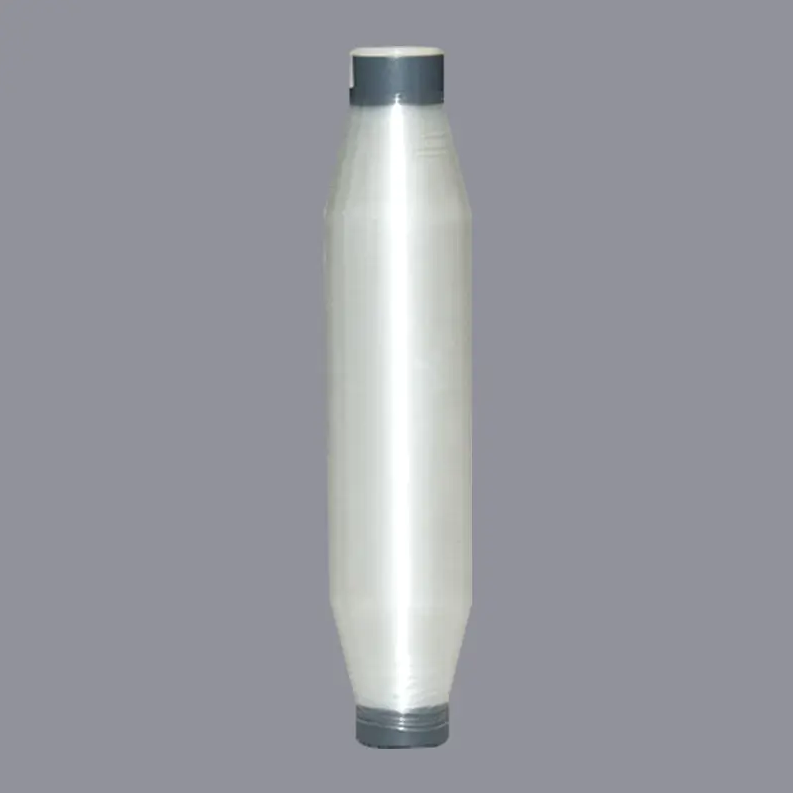
The core value of biodegradable yarns lies in their "degradable" property, but this creates a natural tension with consumers' demands for clothing lifespan.
While the abrasion resistance and lifespan of biodegradable yarns are no longer an insurmountable barrier, they remain key factors determining their ability to replace traditional materials on a large scale. With continued technological investment, we have reason to believe that future environmentally friendly bio-based materials will effectively combat microplastic residues while maintaining excellent durability, bringing a true green revolution to the textile industry.
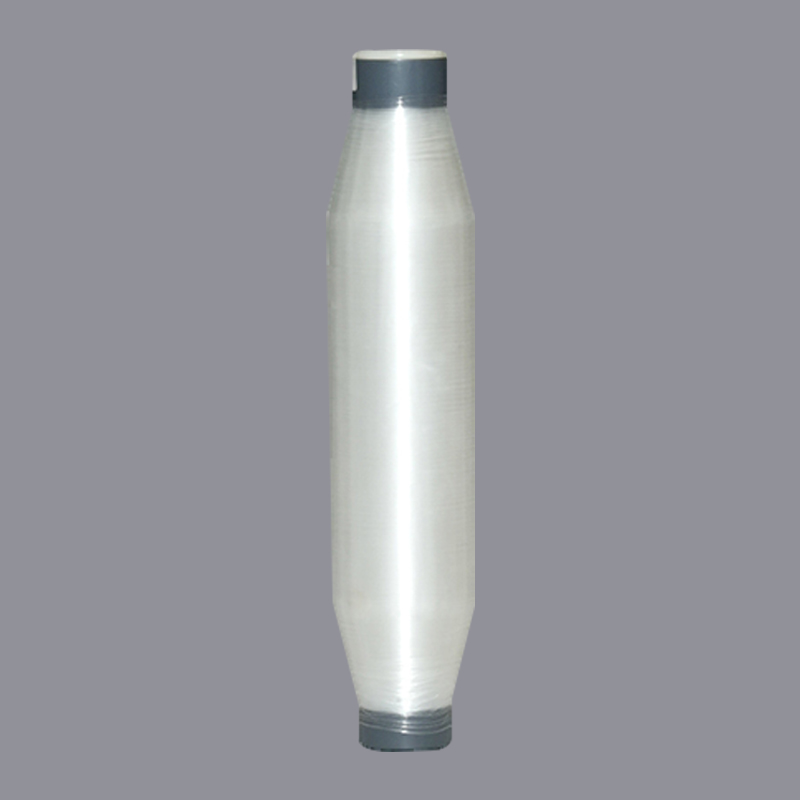
It is made with Bio-base PLA, fully biodegradable Feature: 1. Industrial compost product 2. Made with PLA 3. Eco-frie...
READ MOREPlease fill out the form below and our team will contact you as soon as possible.
Addres: No.66 Qiaogang Road, Haian, Nantong City, Jiangsu Province, China
E-mail: service@gcfiber.com admin@gcfiber.com
Copyright ? GC FIBER All Rights Reserved. Eco-Friendly Textile Products Manufacturer Biodegradable Yarn Company