 English
 中文简体
中文简体It is made with Bio-base PLA, fully biodegradable
Feature:
1. Industrial compost product
2. Made with PLA
3. Eco-friendly, from the earth, back to the earth
4. Anti Bacterial
5. Lower dyeing temperatures
6. Good UV stability

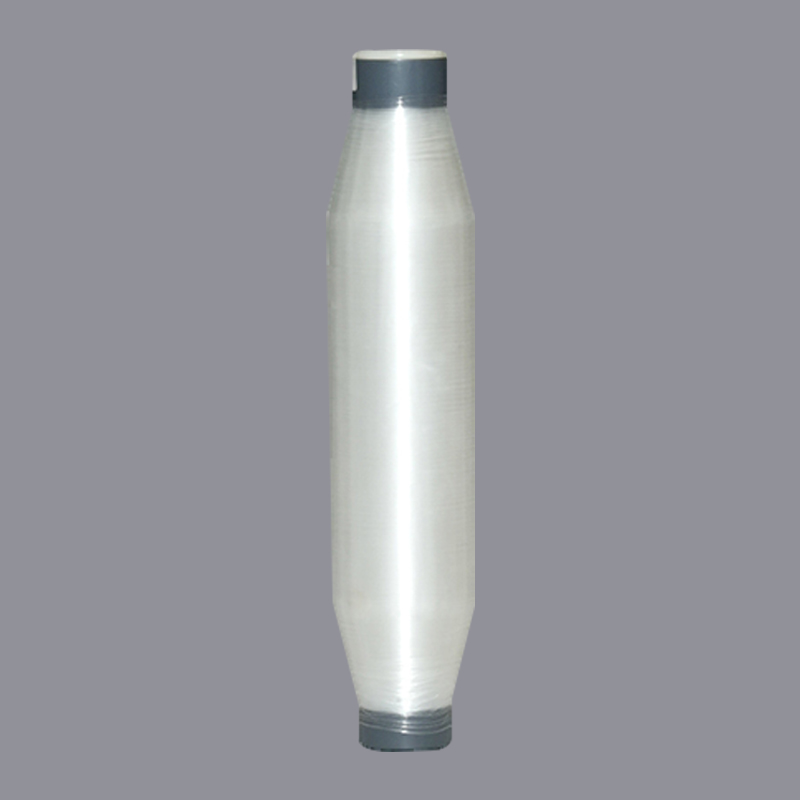
It is made with Bio-base PLA, fully biodegradable
Feature:
1. Industrial compost product
2. Made with PLA
3. Eco-friendly, from the earth, back to the earth
4. Anti Bacterial
5. Lower dyeing temperatures
6. Good UV stability
A sourcing manager recently asked us whether switching a standard polyester yarn to a recycled polyester yarn would make her collection sustainable. Our answer was not a simple yes or no. Recycled polyester is a meaning...
READ MOREWhen you are choosing a yarn for a product that will face salt water, heavy friction, or months of humidity, polyester and nylon usually come up first in the discussion. Polypropylene yarn should be on that shortlist to...
READ MOREWhat Is Polyester Staple Fiber? Polyester staple fiber (PSF) is a short-length fiber extruded from polyethylene terephthalate (PET) and cut into defined lengths, usually between 3 mm and 150 mm. Unlike filament yarn, wh...
READ MOREPLA Biodegradable Monofilament Yarn is a plant-based filament made from polylactic acid that decomposes under industrial composting conditions while still offering the strength, elasticity, and moisture resistance needed for demanding textile and industrial applications. It is produced through melt extrusion of PLA resin derived from renewable feedstocks such as corn starch or sugarcane, making it a practical substitute for conventional polyester or nylon monofilament in projects where end-of-life environmental impact matters.
Unlike petroleum-based monofilament, PLA monofilament yarn is built from lactic acid monomers that come from fermented plant sugars. The polymer chain structure allows the fiber to maintain a smooth, consistent diameter along its length, which is essential for weaving, netting, and filtration uses. Once its service life ends, the fiber can break down into water, carbon dioxide, and biomass under the right composting conditions, rather than persisting in landfills or waterways for decades.
The table below summarizes typical performance characteristics reported by fiber testing laboratories and monofilament manufacturers for standard-grade PLA monofilament yarn.
| Raw Material | Polylactic acid (PLA) resin from renewable plant starch |
| Diameter Range | 0.05 mm to 3.0 mm depending on application |
| Tensile Strength | 3.0 to 5.5 grams per denier |
| Elongation at Break | 15 percent to 35 percent |
| Melting Point | Approximately 150 to 170 degrees Celsius |
| Density | Around 1.24 to 1.27 grams per cubic centimeter |
| Moisture Regain | Low, generally under 1 percent |
| UV Resistance | Moderate, improves with additive treatment |
Claims of biodegradability are only meaningful when backed by recognized testing frameworks. Two standards are most commonly referenced by fiber and packaging labs when evaluating PLA-based products.
Both standards require that a material disintegrate and biodegrade into carbon dioxide, water, and biomass within a defined timeframe under controlled composting conditions, typically 90 to 180 days at elevated temperature and humidity. Home composting rates are slower and less predictable than industrial composting, so PLA monofilament is best routed to a commercial composting facility when biodegradation is the goal.
| Agricultural Netting | Crop support nets and mulch nets that can be tilled into soil after harvest |
| Erosion Control Fabric | Slope stabilization mesh that breaks down once vegetation is established |
| Filtration Media | Filter screens for temporary or single-cycle industrial filtration tasks |
| Fashion and Home Textiles | Woven and knitted fabrics for brands positioning around sustainable material sourcing |
| Packaging Reinforcement | String, twine, and mesh components for compostable packaging systems |
| Feedstock Source | Renewable plant starch | Petroleum-based polymer |
| End of Life | Compostable under industrial conditions | Persists for decades, limited recycling |
| Heat Resistance | Lower melting point, less suited to high heat | Generally higher heat tolerance |
| Cost | Typically higher due to resin sourcing | Lower due to established supply chains |
| Carbon Footprint | Lower over full lifecycle in most published assessments | Higher due to fossil fuel origin |
Does this yarn biodegrade in a home compost bin. Not reliably. Most PLA products require the higher and more consistent temperatures of an industrial composting facility to break down within a reasonable timeframe.
Is the yarn suitable for outdoor use. Yes for temporary or seasonal applications such as agricultural netting, though prolonged sun and moisture exposure will shorten its usable life compared to synthetic alternatives.
Can it be dyed like standard monofilament. Yes, PLA accepts disperse dyes and pigment masterbatching during extrusion, though dye uptake and color fastness can differ from polyester.
Please fill out the form below and our team will contact you as soon as possible.
Addres: No.66 Qiaogang Road, Haian, Nantong City, Jiangsu Province, China
E-mail: service@gcfiber.com admin@gcfiber.com
Copyright ? GC FIBER All Rights Reserved. Custom PLA Biodegradable Monofilament Yarn Manufacturers
