English
 中文简体
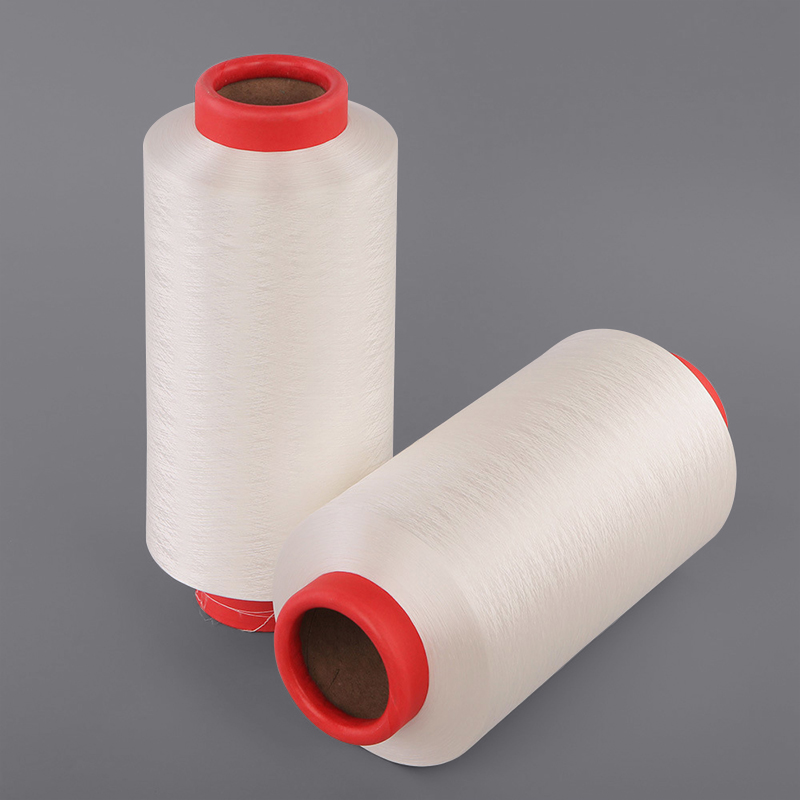
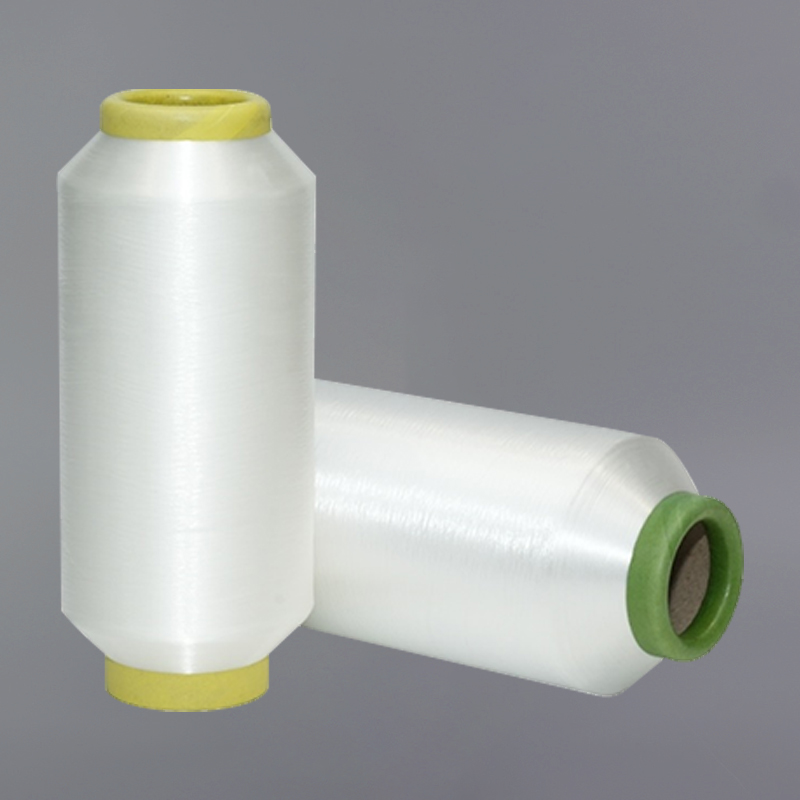
中文简体It is made with Bio-base PLA, fully biodegradable Feature: 1. Industrial compost product 2. Made with PLA 3. Eco-frie...
READ MORE
Content
Biodegradable yarn is made primarily by extruding polylactic acid PLA resin derived from corn starch or sugarcane into fine continuous filaments or staple fibers, then spinning these fibers into yarn using conventional textile machinery. The result is a yarn that performs like polyester but breaks down naturally under industrial composting conditions within a matter of months rather than centuries. If you are sourcing finished material rather than manufacturing it yourself, you can explore ready made biodegradable yarn options designed for apparel, home textiles, and technical applications.
Making biodegradable yarn generally follows four major stages, each of which affects the final strength, texture, and degradation rate of the fiber.
| Step | Description |
| Raw material preparation | PLA resin pellets are dried to remove moisture since residual water causes hydrolysis during melting |
| Melt extrusion | Dried pellets are heated to around 180 to 220 degrees Celsius and pushed through a spinneret to form continuous filaments |
| Drawing and cooling | Filaments are stretched and cooled to align polymer chains, which increases tensile strength |
| Spinning or texturizing | Filaments are either kept as continuous filament yarn or cut into staple fiber and spun into yarn on ring or rotor spinning systems |
Depending on the intended end use, manufacturers process the base PLA fiber into several distinct product formats.
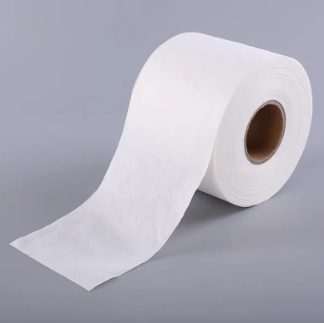
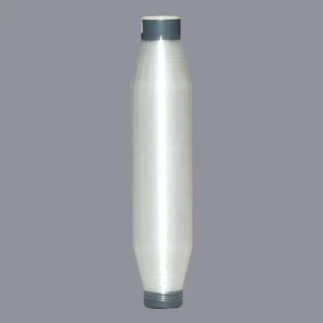
Below are common formats of biodegradable yarn available for different manufacturing needs.
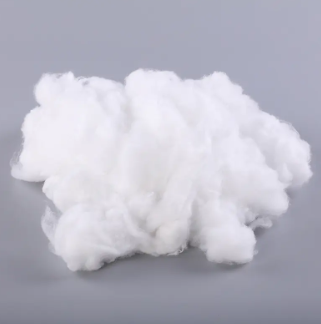
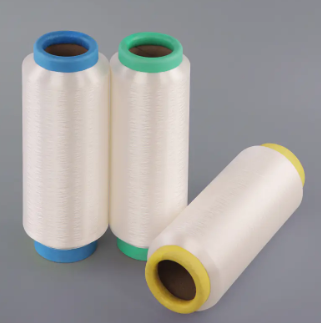
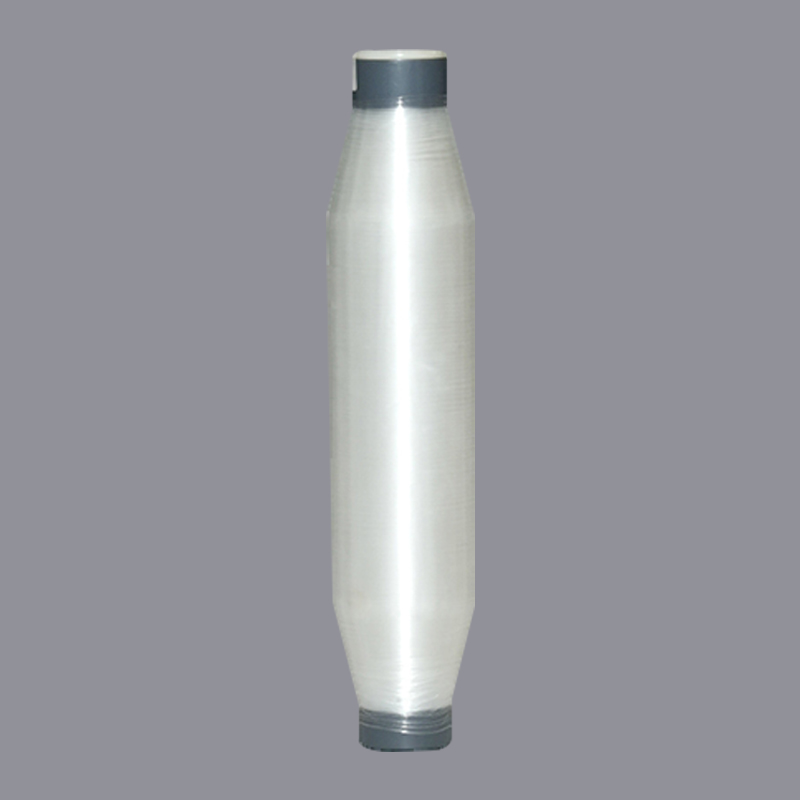
| PLA Biodegradable Staple Fiber | PLA Biodegradable Filament Yarn | PLA Biodegradable Non Woven Fabric | PLA Biodegradable Monofilament Yarn |
 |
 |
 |
 |
According to the European Bioplastics association, PLA accounts for one of the largest shares of global bioplastic production capacity because its mechanical properties closely match those of conventional polyester while its carbon footprint is significantly lower since it is derived from renewable plant starch rather than petroleum.
Not all biodegradable yarn breaks down at the same rate. Several variables influence how quickly the material returns to natural compounds.
| Property | Biodegradable PLA Yarn | Conventional Polyester Yarn |
| Raw material source | Renewable plant starch | Petroleum based |
| End of life behavior | Breaks down under composting conditions | Persists for decades or longer |
| Tensile strength | Comparable to standard polyester | High and consistent |
| Moisture absorption | Slightly higher than polyester | Low |
Biodegradable yarn is increasingly used across apparel, home furnishing, agriculture, and medical textiles where end of life disposal is a growing concern for brands and regulators alike. Common applications include eco friendly clothing lines, disposable hygiene products, mulch films for agriculture, and packaging textiles.
Buyers evaluating biodegradable yarn suppliers should request data on melt flow index, tenacity, elongation at break, and certified compostability testing results such as those following ASTM D6400 or EN 13432 standards to confirm the material meets recognized biodegradation benchmarks.
It is made with Bio-base PLA, fully biodegradable Feature: 1. Industrial compost product 2. Made with PLA 3. Eco-frie...
READ MOREPlease fill out the form below and our team will contact you as soon as possible.
Addres: No.66 Qiaogang Road, Haian, Nantong City, Jiangsu Province, China
E-mail: service@gcfiber.com admin@gcfiber.com
Copyright ? GC FIBER All Rights Reserved. Eco-Friendly Textile Products Manufacturer Biodegradable Yarn Company