Home / Products / Biodegradable Yarn / PLA Biodegradable Non Woven Fabric
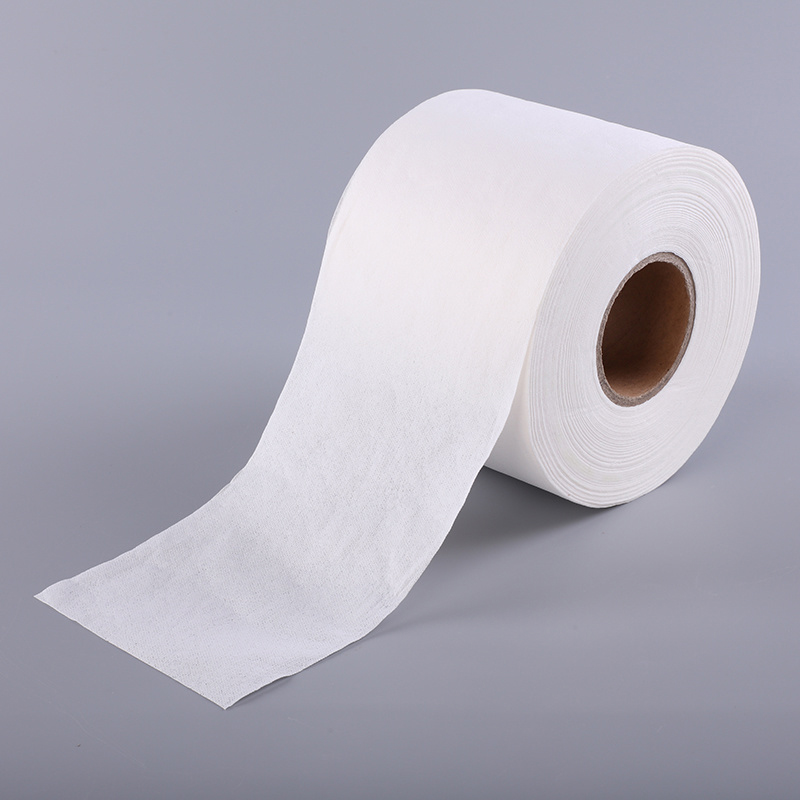
Custom PLA Biodegradable Non Woven Fabric
  • PLA Biodegradable Non Woven Fabric
  • PLA Biodegradable Non Woven Fabric
PRODUCT

PLA Biodegradable Non Woven Fabric

Feature: 
1. Industrial compost product
2. Made with PLA 
3. Eco friendly , from the earth, back to the earth
4. Anti Bacterial
5. Lower dyeing temperatures 
6. Good UV stability

  • Product Details
  • FAQ
  • Contact Us
Category:
Non Woven Fabric  
30GSM
50GSM
100GSM
Other:
Shanghai seaport
Special produce by order

Our PLA Biodegradable Non Woven Fabric delivers a premium, eco-friendly alternative to traditional petroleum-based plastics. Engineered with advanced spunbond or meltblown technology, this high-uniformity fabric provides excellent mechanical strength and soft touch, allowing your brand to meet aggressive plastic-reduction goals instantly.

Key Value Propositions & Benefits
100% Plant-Based & Plastic-Free
Manufactured entirely from renewable corn-starch derived PLA. It contains zero fossil-fuel plastics, ensuring your final products are completely free from microplastic shedding and harmful chemical residues.

Certified Industrial Compostable
Validated to break down fully in industrial composting systems within months, leaving nothing but nutrient-rich soil. Ideal for markets with strict plastic bans and EPR (Extended Producer Responsibility) regulations.

Inherent Food-Grade & Anti-Bacterial Safety
Naturally resistant to bacteria, mold, and odor development without any added chemical biocides. Hypoallergenic and incredibly gentle on the skin, making it exceptionally safe for hygiene, medical, and food-contact applications.

High Tensile Strength & Easy Processing
Engineered for excellent dimensional stability and tear resistance. It processes seamlessly on standard converting lines for slitting, heat-sealing, ultrasonic welding, and coating, eliminating the need for expensive new machinery.

Outstanding UV Stability & Weathering
Superior resistance to UV-light degradation compared to polypropylene. It maintains its structural integrity and color even under prolonged sunlight exposure, making it highly reliable for outdoor use.


Applications & Use Cases

Target Industry Recommended Applications
Hygiene & Medical Biodegradable face masks, eco-friendly wet wipes, sanitary napkins, diapers, and disposable medical gowns.
Eco-Packaging & Retail Premium biodegradable shopping bags, tea bags, coffee pods, agricultural crop covers, and fruit protection bags.
Industrial & Catering Compostable filtration media, airline disposables, eco-friendly table cloths, and automotive interior linings.
About
GC FIBER
GC FIBER has been a professional custom PLA Biodegradable Non Woven Fabric Manufacturers and PLA Biodegradable Non Woven Fabric Company in China since 2006 years. We are devoted to researching, developing, producing, and selling special and functional eco-friendly textile products.
Our products include Biodegradable Yarn, Low Melting Yarn, ECDP Yarn, Anti Static Yarn, HDPE Yarn, Bio-component Yarn, and Polyester Filament Yarn.
We are always interested in cooperating with our guests to develop new material.
News
  • What Is Hot Melt Yarn and Why It Matters Hot melt yarn is a type of thermoplastic filament engineered to soften and flow at a specific temperature range, then re-solidify to create a permanent bond between two or more l...

    READ MORE
  • The most eco-friendly yarn available today is Biodegradable Yarn made from PLA (Polylactic Acid), a plant-based fiber that returns to the earth through industrial composting instead of persisting as plastic waste for de...

    READ MORE
  • Thermal Bonding Yarn is a heat activated fiber that softens and melts at a set temperature, typically between 80 degrees Celsius and 130 degrees Celsius, then re solidifies on cooling to permanently join fabric layers, ...

    READ MORE
Message Feedback
Biodegradable Yarn Industry knowledge

What Is PLA Biodegradable Non-Woven Fabric?

PLA (Polylactic Acid) non-woven fabric is manufactured by bonding PLA fibers together through spunbond or meltblown technology, forming a fabric structure without traditional weaving or knitting. Derived from renewable plant resources such as corn starch and sugarcane, it stands as a bio-based alternative to petroleum-derived non-wovens.

This fabric is Industrial Compostable — under the temperature, humidity, and microbial activity of an industrial composting facility, it breaks down into water, carbon dioxide, and organic matter, completing a true "from the earth, back to the earth" material cycle.

Key Properties at a Glance

Property Highlight
Renewable Origin Made from plant-based PLA, not petroleum
Industrial Compostability Breaks down under controlled composting
Antibacterial Natural inhibition, no added chemicals
Lower Processing Temp More energy-efficient bonding
UV Stability Resists yellowing under sunlight
Table: Key property highlights of PLA biodegradable non-woven fabric

Why These Properties Matter

The natural antibacterial properties of PLA make this fabric a practical base material for hygiene items, wipes, and medical-adjacent textiles — without requiring additional antibacterial finishing chemicals.

Lower Energy Footprint in Processing

PLA fiber can be thermally bonded at lower temperatures than many conventional synthetics, helping manufacturers reduce energy consumption during finishing stages and lower overall production footprint.

Durability Under Light Exposure

Good UV stability means the fabric resists premature yellowing and strength loss over time, making it suitable for outdoor packaging, agriculture, and transport applications where light exposure is unavoidable.

Typical Application Scenarios

  • Hygiene products (wipes, liners) — antibacterial, compostable
  • Agricultural covers & mulch — UV stable, compostable
  • Packaging & shopping bags — renewable origin, compostable
  • Medical-adjacent disposables — antibacterial, breathable structure
  • Geotextiles & protective layers — UV stable, durable

Frequently Asked Questions

Q: Is PLA non-woven fabric compostable at home?

A: No. This material is designed for industrial composting facilities that provide the controlled conditions required for breakdown. Home composting typically cannot achieve these conditions.

Q: Does the antibacterial property require added chemicals?

A: No. The antibacterial characteristic comes from the inherent lactic acid components in the PLA polymer, not a separate coating or treatment.

Q: Is PLA non-woven fabric suitable for outdoor use?

A: Yes. Its good UV stability allows it to withstand prolonged sunlight exposure with minimal degradation, making it viable for select outdoor and agricultural applications.