English
 中文简体
中文简体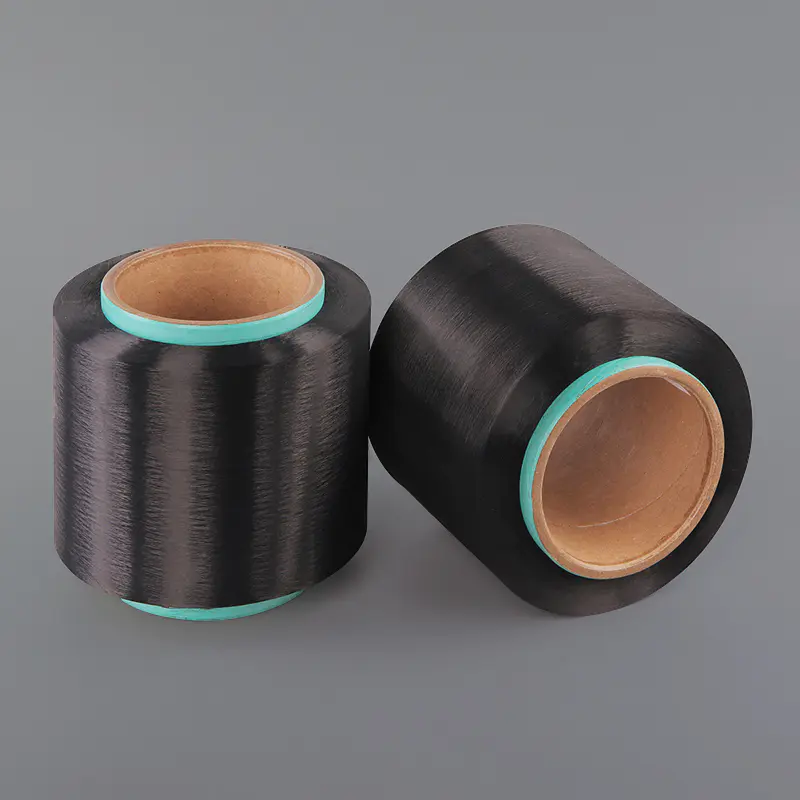
It is made with Bio-base PLA, fully biodegradable Feature: 1. Industrial compost product 2. Made with PLA 3. Eco-frie...
READ MORE
Content
There are four main types of antistatic yarn used in textile manufacturing today: carbon black core yarn, metal fiber blended yarn, hygroscopic fiber yarn, and surface-treated yarn. Each type dissipates static charge through a different mechanism, and the right choice depends on the resistivity level your end product needs, how many wash cycles the fabric must survive, and whether color or cost matters more for your application. For most cleanroom garments, work uniforms, and conveyor belts, carbon black core Anti Static Yarn remains the most common and cost-effective option, while metal fiber blends are reserved for environments demanding the lowest possible resistivity.
Carbon black core yarn, sometimes called bi-component or sheath-core antistatic yarn, is built with a carbon black-loaded polymer core wrapped in a standard polyester or nylon sheath. The core typically contains between 15 percent and 30 percent carbon black by weight, which is enough to cross the percolation threshold and create a continuous conductive path through the fiber. The outer sheath keeps the fabric soft to the touch and able to take dye normally, while the hidden core handles the actual job of carrying charge away from the surface.
This structure is why carbon black core yarns dominate cleanroom garments and protective workwear. According to industry sourcing data published by GC FIBER, this yarn type is rated for 50 to 100 industrial wash cycles without significant performance loss, which makes it durable enough for daily-use uniforms rather than single-use protective gear.
| Property | Typical Value |
| Carbon black content in core | 15 percent to 30 percent by weight |
| Surface resistivity range | 10 to the 6th to 10 to the 9th ohm per cm |
| Wash durability | 50 to 100 industrial wash cycles |
| Common base polymers | Polyester, nylon |
A practical example of this category is Anti Static Polyester Yarn Black, manufactured by GC FIBER in FDY 20D, 40D, and 60D counts with a black resistance rating of 10 to the 6th ohm per cm. The black color comes directly from the carbon-loaded core, and the manufacturer notes the resistance suppression effect holds steady even in low-humidity conditions, which sets it apart from antistatic methods that rely on moisture absorption.
Metal fiber yarns blend stainless steel, silver-coated, or copper-coated microfibers into a cotton or polyester base to achieve the lowest resistivity levels available in textile antistatic products. Stainless steel fibers are the most widely used because they combine high conductivity with strong mechanical durability and corrosion resistance, according to technical guidance published by the Jiangsu Textile Research Institute. Silver-coated fibers add an antimicrobial benefit on top of conductivity, while copper-coated fibers offer excellent conductivity but are more prone to oxidation over time.
Because metal fiber yarn can reach surface resistivity values low enough to function almost like a grounding wire, it is reserved for the most demanding environments, such as semiconductor fabrication and chemical processing, where even a small static discharge could damage equipment or ignite vapors. A typical composition seen in industry product data is 80 percent cotton blended with 20 percent conductive metal fiber, or ratios as high as 70/30, depending on how aggressive the resistivity target is.
| Metal fiber type | Key characteristic |
| Stainless steel | High mechanical strength, corrosion resistant, most common choice |
| Silver-coated | Conductive plus antimicrobial, used in medical and hygiene textiles |
| Copper-coated | Excellent conductivity, susceptible to oxidation over repeated use |
Hygroscopic antistatic yarn works on a completely different principle than carbon or metal fiber types. Instead of building a conductive path into the fiber, it uses moisture-absorbing materials such as modified viscose to keep a thin layer of water on the fiber surface, which naturally improves surface conductivity and helps charge dissipate before it builds up. This approach is comfortable against skin and blends well into apparel fabrics, which is why it shows up frequently in everyday antistatic clothing rather than industrial protective gear.
The tradeoff is humidity dependence. In dry winter conditions or low-humidity cleanrooms, hygroscopic fiber loses much of its moisture film and its antistatic performance drops noticeably. This is the exact limitation that carbon-core and metal-fiber yarns are designed to avoid, since both maintain stable resistivity regardless of ambient humidity.
Within the polyester and PET family, manufacturers can tune the resistivity of antistatic yarn by adjusting carbon loading and fiber color. A grey-toned PET yarn, for instance, typically targets a higher resistivity band than a black carbon-core yarn because it uses a lighter carbon loading to preserve a lighter, dyeable base color.
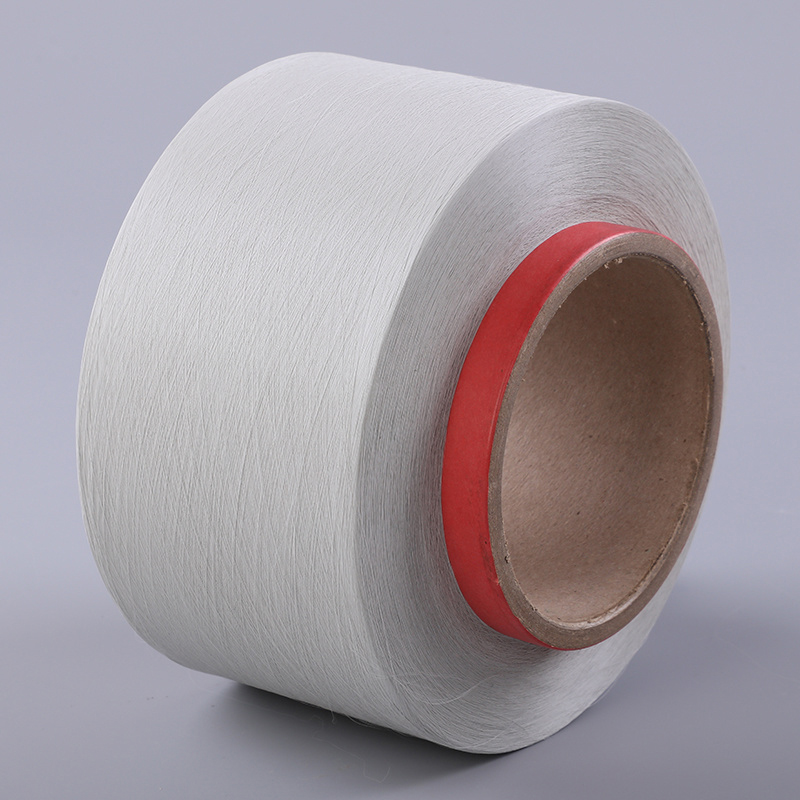
One example from current product specifications is Anti Static PET Yarn Grey Color, offered in FDY 20D, 40D, 60D, and DTY 60D counts with a resistance rating of 10 to the 9th ohm per cm. This places it in a moderate antistatic band suited to general protective clothing, curtains, and dust-control fabrics where some resistivity is needed but a fully conductive black yarn is not required. The manufacturer states this yarn retains its static suppression performance through repeated washing and is not affected by changes in ambient humidity, a combination that lets it serve both dry electronic workshops and more humid medical settings.
Choosing among antistatic yarn types comes down to matching the resistivity band to the compliance standard the finished product must meet. A garment built for general dust control does not need the same conductivity as a glove used on a semiconductor production line. The table below summarizes how the four yarn types typically line up against common use cases.
| Yarn type | Typical resistivity | Best-fit application |
| Carbon black core (black) | 10 to the 6th ohm per cm | Cleanroom suits, ESD workwear, dust-proof cloths |
| Carbon black core (grey or light tone) | 10 to the 9th ohm per cm | General protective clothing, curtains, carpets |
| Metal fiber blend | Below 10 to the 6th ohm per cm | Semiconductor fabrication, chemical industry, high-risk electronics |
| Hygroscopic fiber | Variable, humidity dependent | Everyday antistatic apparel, light dust resistance |
Durability through laundering is one of the most overlooked factors when selecting antistatic yarn for apparel or reusable workwear. Carbon black core and engineered PET yarns are built with the conductive material inside the fiber structure rather than as a surface coating, which is why their antistatic performance survives heat and repeated washing far better than treatments applied only to the fabric surface. Surface-applied antistatic finishes, by contrast, wash out after a limited number of cycles and need to be reapplied, making them a poor fit for industrial uniforms that go through daily laundering.
For buyers comparing yarn specifications, it helps to request wash-cycle and heat-resistance data directly from the manufacturer alongside the resistivity figure, since two yarns with the same ohm rating can behave very differently after fifty wash cycles depending on whether the conductive element is embedded in the core or coated on the surface.
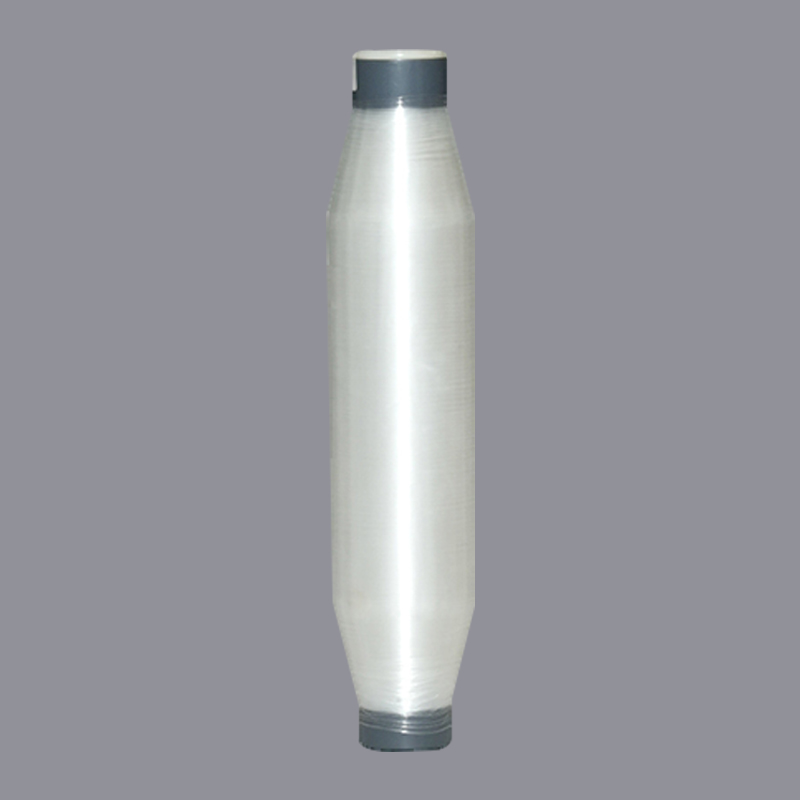
It is made with Bio-base PLA, fully biodegradable Feature: 1. Industrial compost product 2. Made with PLA 3. Eco-frie...
READ MOREPlease fill out the form below and our team will contact you as soon as possible.
Addres: No.66 Qiaogang Road, Haian, Nantong City, Jiangsu Province, China
E-mail: service@gcfiber.com admin@gcfiber.com
Copyright ? GC FIBER All Rights Reserved. Eco-Friendly Textile Products Manufacturer Biodegradable Yarn Company