English
 中文简体
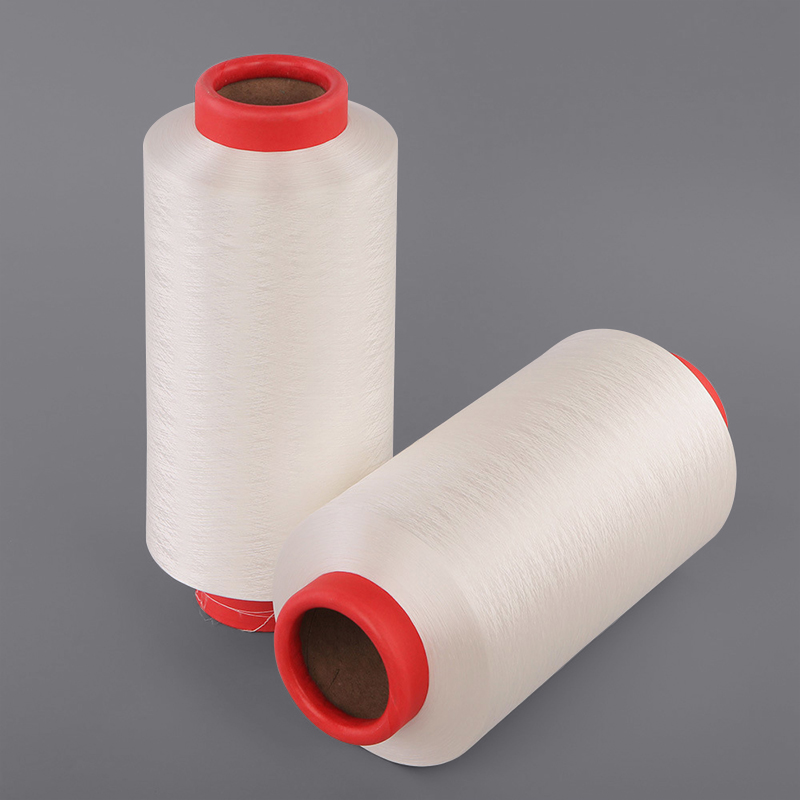
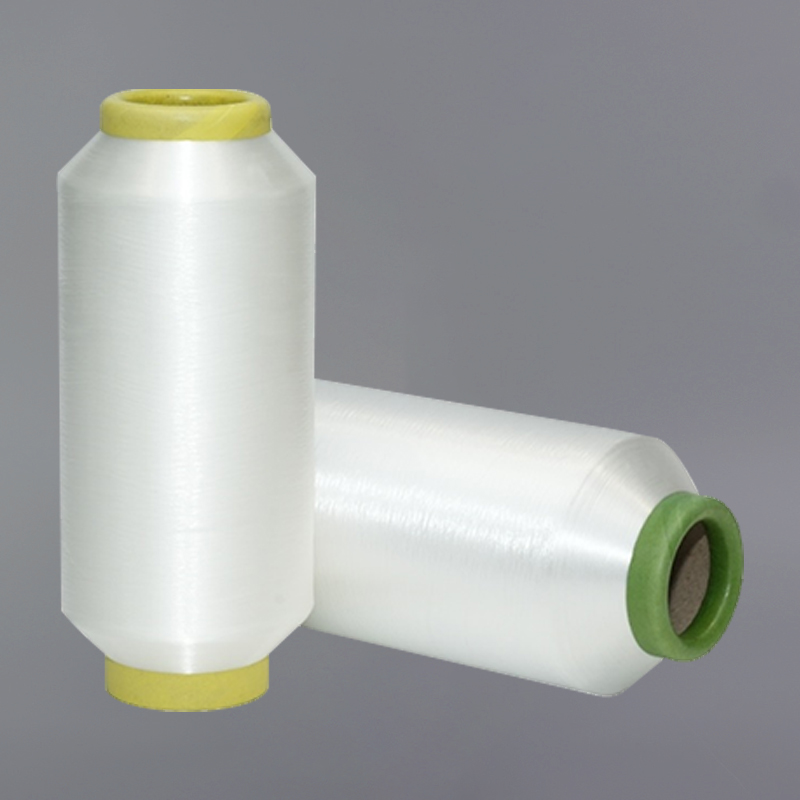
中文简体It is made with Bio-base PLA, fully biodegradable Feature: 1. Industrial compost product 2. Made with PLA 3. Eco-frie...
READ MORE
Content
Polyester filament, as a leading synthetic fiber, is widely used in various fields such as clothing manufacturing, home textiles, industrial fabrics, and engineering construction, thanks to its excellent strength, wear resistance, and good processing performance. As the chemical fiber with the highest global production and widest application, polyester filament is not only a core raw material for the textile industry but also an indispensable composite material in modern industrial manufacturing.
Polyester filament exhibits diverse physical characteristics depending on its processing technology (such as POY, DTY, FDY, etc.), thus meeting the needs of different downstream industries.
This is the most traditional application market for polyester filament.
Sports and casual wear: Utilizing the high strength and quick-drying properties of polyester filament to manufacture sweat-wicking shirts and sportswear.
Outerwear and business wear: Deformed polyester DTY (drawn textured yarn) is often used to make imitation wool and cotton fabrics, which are crisp, wrinkle-resistant, and easy to wash and dry.
Underwear and hosiery: Fine denier polyester filament can be made into soft, skin-friendly knitted fabrics, replacing some natural fibers.
The advantages of polyester filament in lightfastness and durability make it the preferred choice in the home textile industry.
Curtains and tablecloths: Possessing good lightfastness and flame retardant properties (after special treatment).
Bedding: Blended or interwoven with cotton fibers to improve the wear resistance and wrinkle resistance of sheets and duvet covers.
Carpets and decorative fabrics: Industrial polyester filament is often used for high-strength carpet backing.
With technological advancements, the application range of industrial polyester filament has expanded significantly:
Automotive industry: Used in the manufacture of tire cords, seat belts, airbags, and interior fabrics.
Civil engineering: Used to make geotextiles for roadbed reinforcement, drainage filtration, and dam seepage prevention.
Conveyor belts and ropes: Utilizing its high modulus and high strength characteristics to produce mining conveyor belts, high-pressure water hoses, and marine ropes.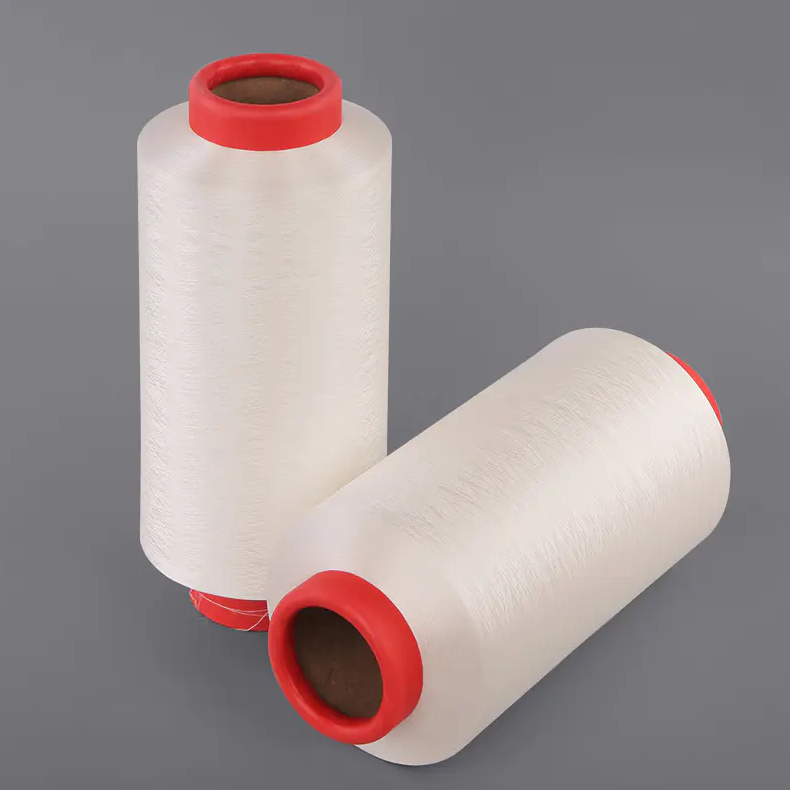
After gaining a deeper understanding of the uses of polyester filament, we can analyze the reasons for its irreplaceable role in the textile and industrial fields through the following core performance dimensions:
Excellent Physical Strength and Abrasion Resistance: Polyester filament has high tensile strength and a large elastic modulus. This means that fabrics made from it are not only durable but also maintain their shape even after frequent washing or long-term use, resisting wrinkles and deformation, significantly extending product lifespan.
Excellent Weather Resistance and Chemical Stability: This fiber has natural UV resistance and strong resistance to acids, alkalis, and other chemicals. This characteristic makes it an ideal choice for outdoor products (such as tents and umbrellas) and complex industrial environments (such as geotextiles and filter fabrics).
High Production Cost-Effectiveness: Compared to natural fibers, polyester filament has higher production efficiency, stable raw material sources, and can be mass-produced. This not only reduces procurement costs for downstream manufacturers but also allows end consumers to obtain high-quality textile products at more affordable prices.
Strong Potential for Functional Modification: Polyester filament has strong plasticity, and special functions such as flame retardancy, antibacterial properties, moisture wicking, and antistatic properties can be easily achieved through physical or chemical means. This flexibility allows it to transcend traditional textile fields and enter high-end application markets such as medical and special protective equipment.
From the clothes we wear to the carpets under our feet and the safety features in our cars, polyester filament is everywhere. With the development of green and environmentally friendly trends, recycled polyester filament is gradually becoming a new favorite in the industry, further expanding its application boundaries in the field of environmentally friendly fashion through the recycling and reuse of waste plastic bottles.
It is made with Bio-base PLA, fully biodegradable Feature: 1. Industrial compost product 2. Made with PLA 3. Eco-frie...
READ MOREPlease fill out the form below and our team will contact you as soon as possible.
Addres: No.66 Qiaogang Road, Haian, Nantong City, Jiangsu Province, China
E-mail: service@gcfiber.com admin@gcfiber.com
Copyright ? GC FIBER All Rights Reserved. Eco-Friendly Textile Products Manufacturer Biodegradable Yarn Company