English
 中文简体
中文简体It is made with Bio-base PLA, fully biodegradable Feature: 1. Industrial compost product 2. Made with PLA 3. Eco-frie...
READ MORE
Content
No, yarn and cotton are not the same. Cotton is a natural plant fiber, while Yarn is a continuous thread-like material made from various fibers such as cotton, wool, and synthetic fibers through a spinning process. In short, cotton is one of the raw materials for yarn, while yarn is a processed product of cotton.
Yarn production begins with the selection of fibers. Besides cotton, there are wool, silk, polyester, and others. These raw materials undergo processes such as opening, combing, drafting, and twisting to ultimately form continuous yarn. Different fibers and processes affect the strength, elasticity, and uses of the yarn.
There are many types of yarn, the most common being cotton yarn, wool yarn, and blended yarn. They play key roles in the textile industry:
Apparel Manufacturing: Cotton yarn is breathable and comfortable, suitable for summer clothing; wool yarn is warm and used for autumn and winter clothing.
Home Furnishings: Yarn is used to make curtains, carpets, and bedding.
Industrial Applications: High-strength yarn is used for canvas, ropes, etc.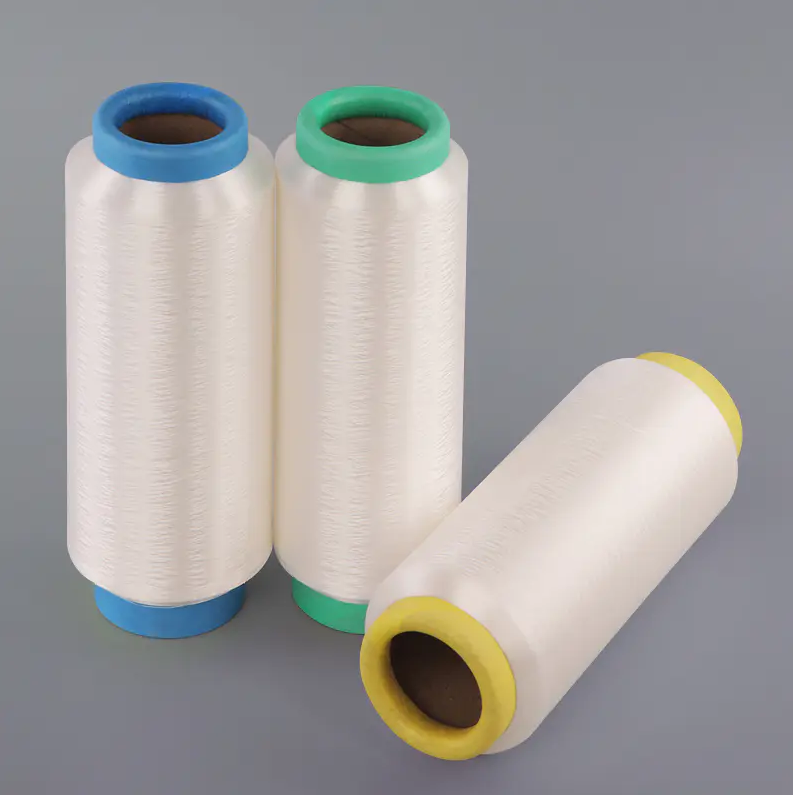
With the increasing popularity of sustainable development concepts, the demand for environmentally friendly yarns is growing. Recycled yarns are made from recycled materials, and organic cotton yarns reduce pesticide use. Technological innovation is also driving industry development; for example, smart yarns have electrical conductivity or temperature control functions.
Consumers should pay attention to the following when purchasing yarn:
Material: Choose the appropriate fiber according to the intended use.
Diameter: The higher the yarn count, the finer the yarn and the softer the fabric.
Color and Fastness: Ensure high color fastness to avoid fading.
As the foundation of the textile industry, yarn connects raw materials and finished products. Understanding the characteristics and applications of yarn helps in making better product selections. In the future, the yarn industry will continue to develop towards environmental protection and intelligentization to meet market demands.
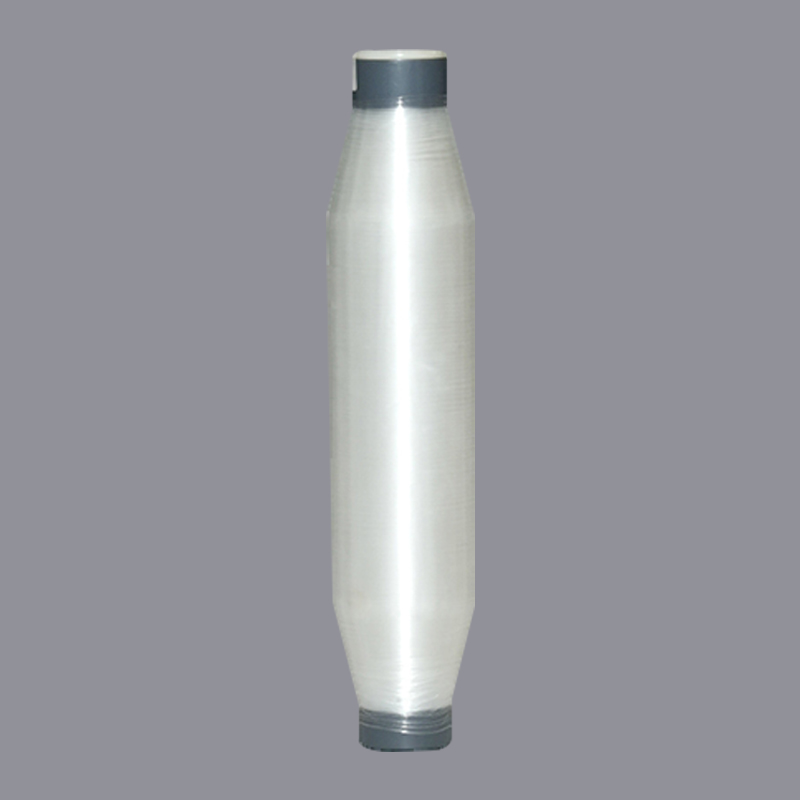
It is made with Bio-base PLA, fully biodegradable Feature: 1. Industrial compost product 2. Made with PLA 3. Eco-frie...
READ MOREPlease fill out the form below and our team will contact you as soon as possible.
Addres: No.66 Qiaogang Road, Haian, Nantong City, Jiangsu Province, China
E-mail: service@gcfiber.com admin@gcfiber.com
Copyright ? GC FIBER All Rights Reserved. Eco-Friendly Textile Products Manufacturer Biodegradable Yarn Company