English
 中文简体
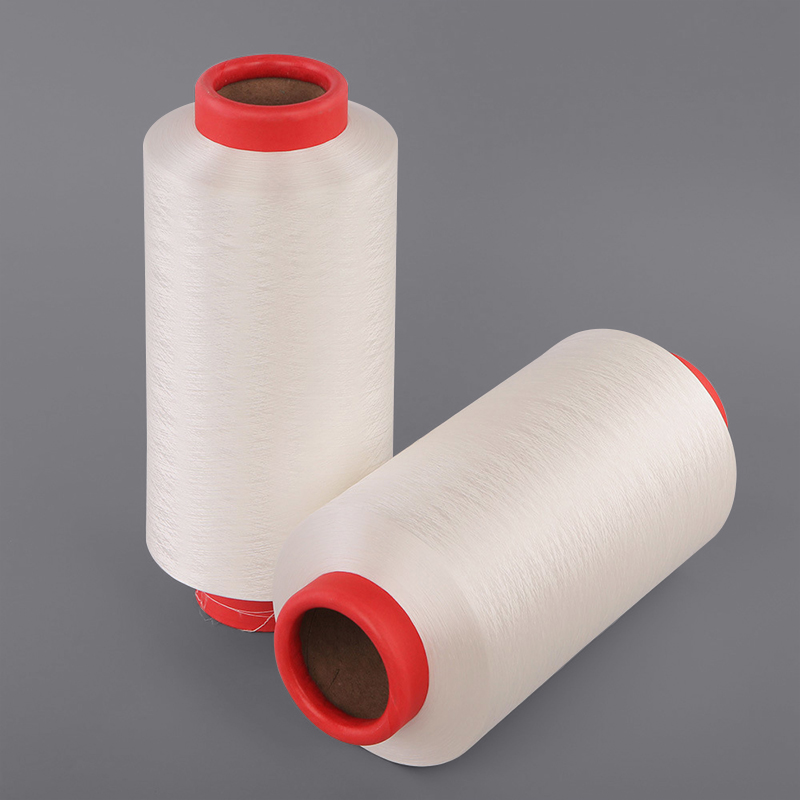
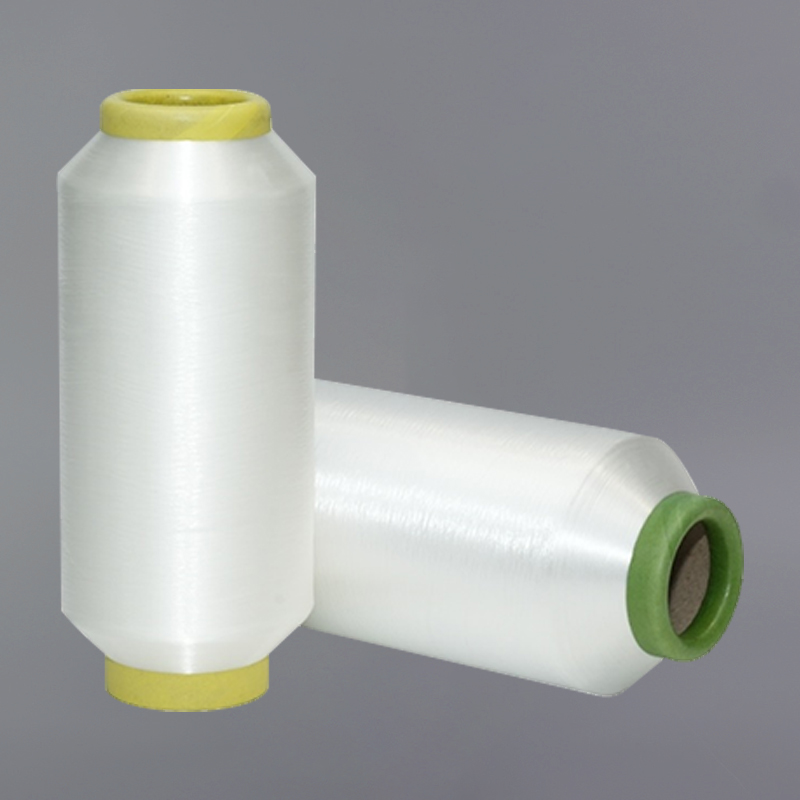
中文简体It is made with Bio-base PLA, fully biodegradable Feature: 1. Industrial compost product 2. Made with PLA 3. Eco-frie...
READ MORE
Content
Biodegradable yarns are highly suitable for application scenarios with high environmental protection requirements and clear sustainability goals. Especially in the fields of textile and apparel, medical and healthcare, agricultural cultivation, household products, packaging materials, and disposable products, they are gradually replacing traditional synthetic fiber yarns and some cotton yarn products, becoming an important component of the green material system.
Biodegradable yarns are widely used in: eco-friendly clothing fabrics, sustainable fashion brand products, ecological underwear, infant and toddler clothing, functional close-fitting garments.
Application value: taking PLA biodegradable yarn (polylactic acid yarn) as an example, its raw materials come from plant resources such as corn and sugarcane. After use, it can naturally decompose under specific conditions, effectively reducing the long-term environmental pollution caused by textile waste.
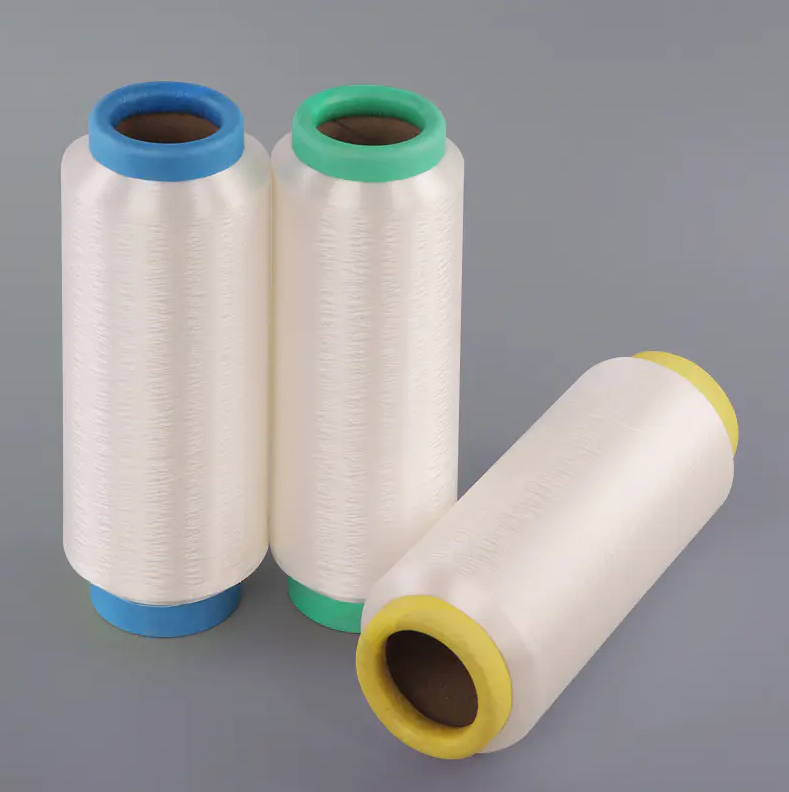
Biodegradable yarns have unique advantages in the medical industry: absorbable sutures, medical dressing yarns, medical bandage materials, postoperative care textiles, disposable medical textiles.
Typical characteristics: good biocompatibility, non-toxic and non-irritating, naturally degradable, reduced pressure of medical waste disposal, continuously increasing application value in sustainable medical systems.
In the agricultural field, biodegradable yarns are mainly used for: agricultural binding lines, fruit tree fixing lines, vine guiding lines, seedling support lines, agricultural covering textiles.
Practical advantages: no recycling treatment required after use, natural decomposition, avoiding “white pollution” caused by residual traditional plastic ropes, significantly improving ecological agriculture friendliness.
Applicable products include: eco-friendly curtains, home decorative textiles, carpet yarns, cushion fabrics, soft furnishing weaving materials.
Driven by the concept of green home living, biodegradable yarns are gradually entering the mid-to-high-end home furnishing market and becoming an important material choice for environmentally friendly home decoration.
Application scenarios of biodegradable yarns in the packaging industry: eco-friendly packaging ropes, ecological packaging mesh bags, woven packaging bags, degradable packaging fabrics, logistics eco-friendly bundling materials.
Especially suitable for green logistics, low-carbon supply chains, and sustainable packaging system construction scenarios.
Suitable for use in: disposable eco-friendly products, degradable textile products, eco-friendly cleaning products, ecological fiber products, temporary-use textiles.
| Comparison dimension | Biodegradable yarns | Traditional synthetic yarns |
| Environmental friendliness | High | Low |
| Degradability | Naturally degradable | Non-degradable |
| Carbon emissions | Low | High |
| Sustainability | Strong | Weak |
| Ecological impact | Friendly | Easily causes pollution |
Characteristics of scenarios suitable for biodegradable yarns: emphasis on environmental attributes, targeting green consumer groups, compliance with sustainable development policy orientation, requirements for material life cycle, need to reduce waste disposal costs.
Biodegradable yarns are not “universal materials,” but they have irreplaceable advantages in environmentally oriented industrial scenarios. From green textiles, medical health, and ecological agriculture, to eco-packaging, sustainable home furnishing, and low-carbon consumer goods fields, biodegradable yarns are gradually transforming from “new materials” into “basic environmental materials.” Under the background of “dual-carbon goals” and sustainable development, the application scenarios of biodegradable yarns will continue to expand.
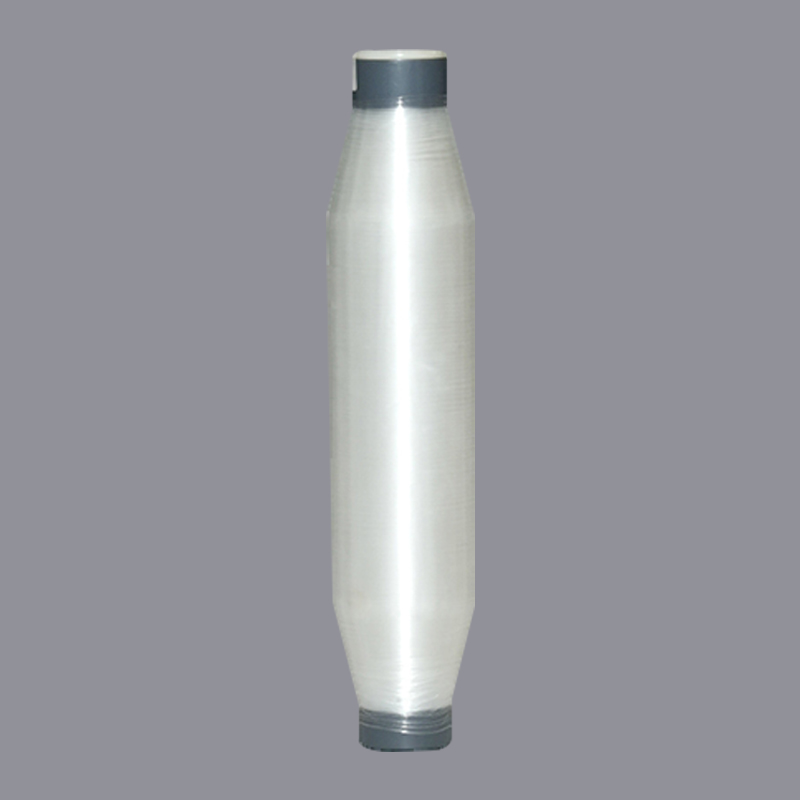
It is made with Bio-base PLA, fully biodegradable Feature: 1. Industrial compost product 2. Made with PLA 3. Eco-frie...
READ MOREPlease fill out the form below and our team will contact you as soon as possible.
Addres: No.66 Qiaogang Road, Haian, Nantong City, Jiangsu Province, China
E-mail: service@gcfiber.com admin@gcfiber.com
Copyright ? GC FIBER All Rights Reserved. Eco-Friendly Textile Products Manufacturer Biodegradable Yarn Company