 English
 中文简体
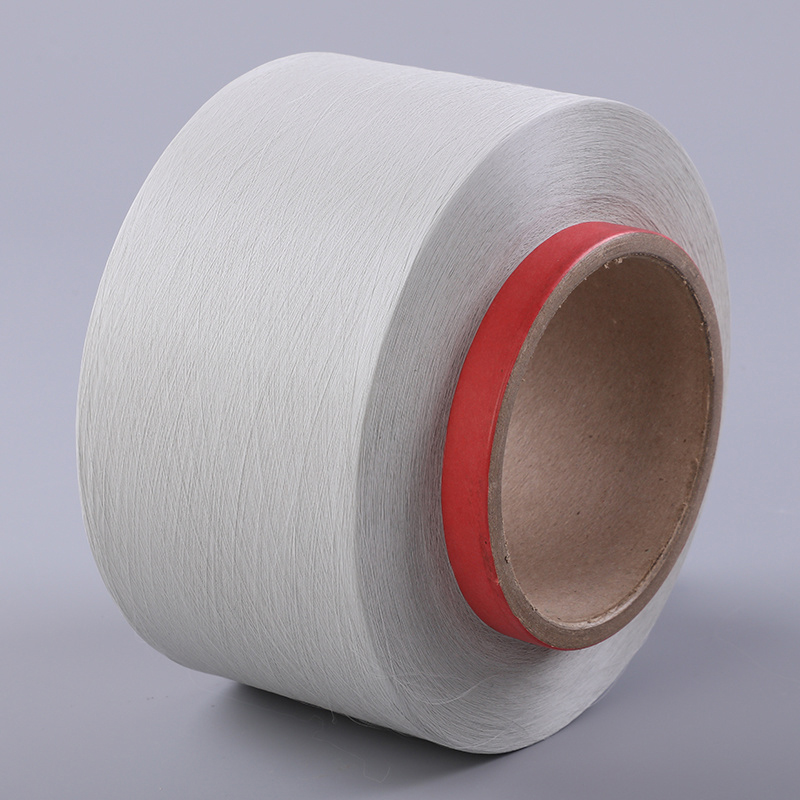
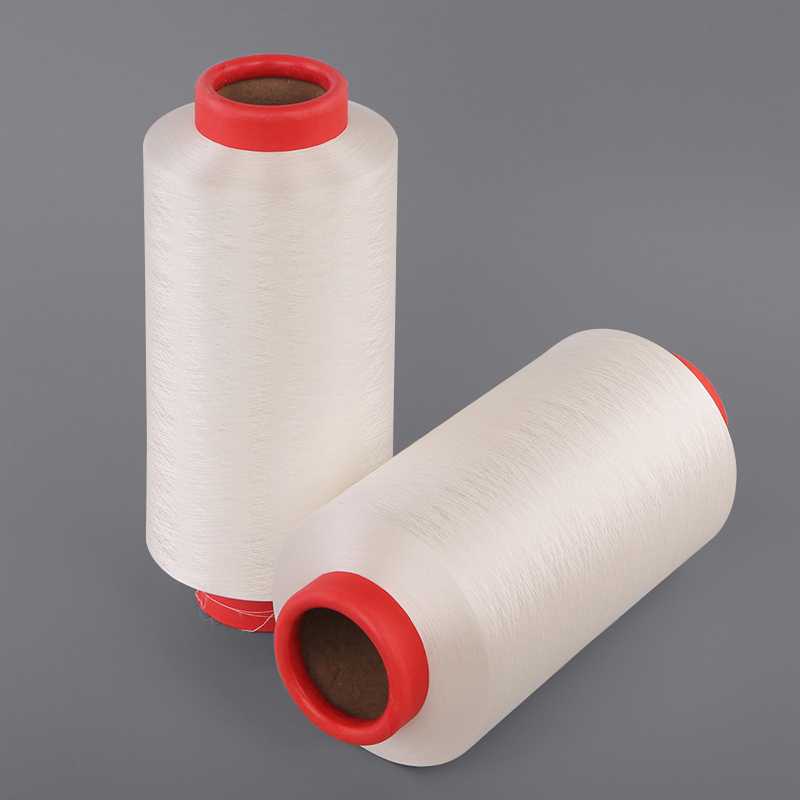
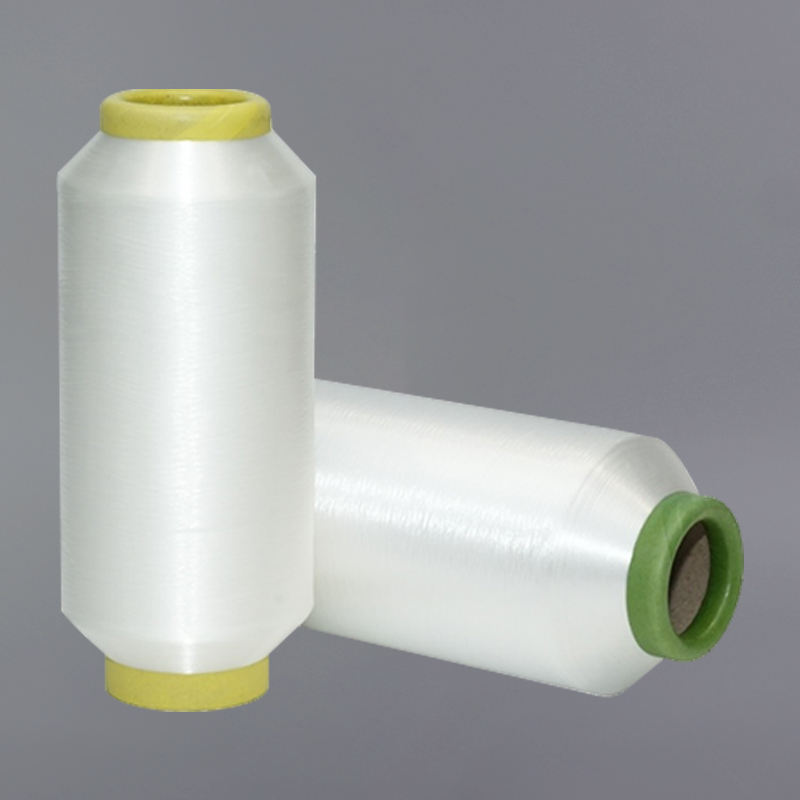
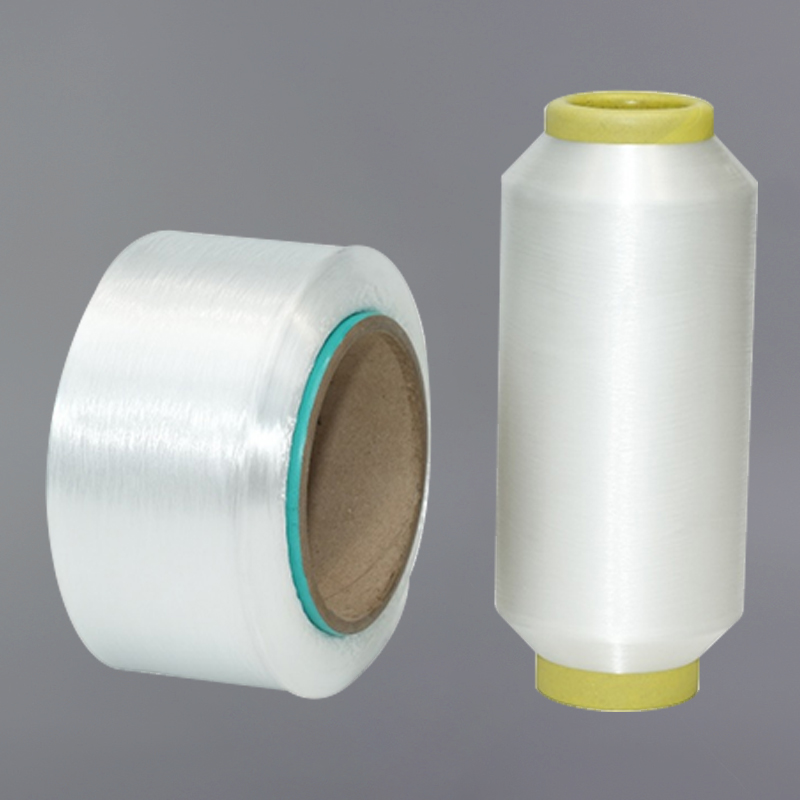
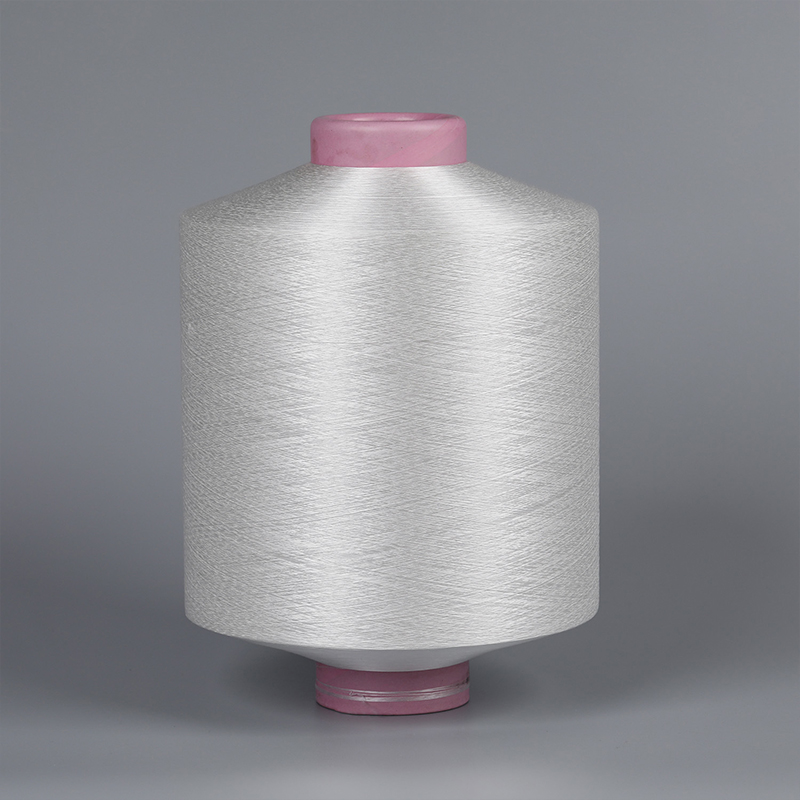


Specification
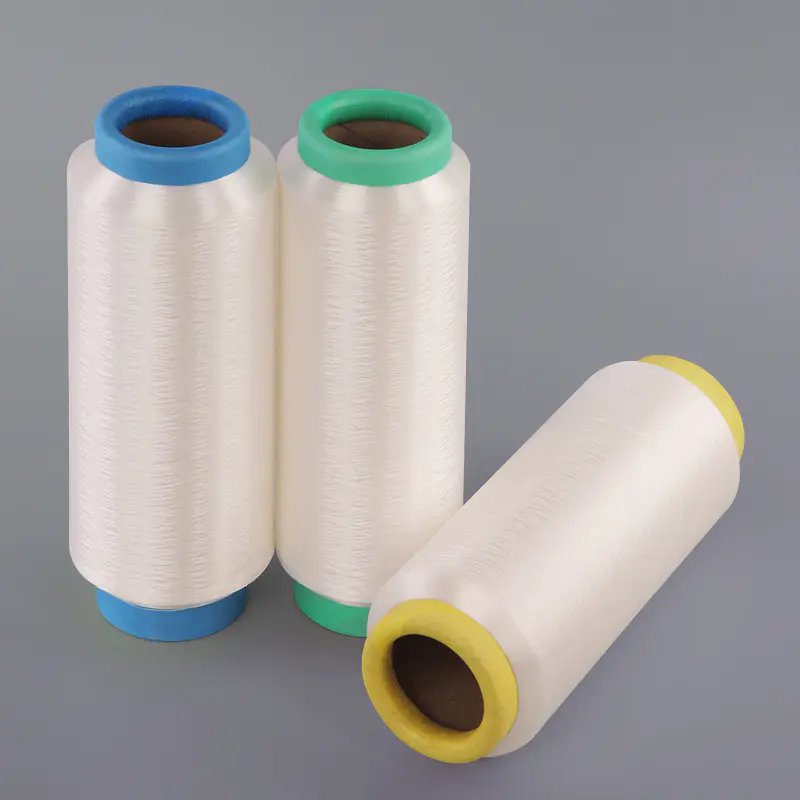
| Item | Typical Range |
|---|---|
| Denier | 70D - 1000D |
| Elongation at Break | Approximately 25% - 45%, versus roughly 15% - 25% for standard yarn |
| Fiber Type | Polyester (PET) or Nylon 6/66 multifilament |
| Tenacity | Moderate to high, balanced against elongation |
| Cross Section | Round |
| Packaging | Dyeing tube or paper cone, customizable |
Elongation and tenacity are balanced against each other during production, so the exact figures are set to match the intended end use rather than fixed to a single standard.
Applications
- Seatbelt webbing and safety straps: absorbs sudden shock loads without snapping.
- Airbag fabric: extends briefly on deployment to reduce peak impact force.
- Elastic and stretch woven fabrics: adds give to fabric without requiring spandex.
- Industrial webbing and rope: improves resistance to sudden jerking loads during lifting or towing.
- Sewing and bonding thread: reduces thread breakage on high-speed machines by absorbing tension spikes.
Advantages
- Shock absorption: extends under sudden load instead of snapping immediately.
- Fewer breakages in production: better tolerance for tension spikes on high-speed weaving, knitting, and sewing equipment.
- Stretch without spandex: gives fabric designers a way to add give while keeping the fabric close to 100 percent polyester or nylon, which can simplify recycling.
- Good recovery: returns close to its original length after moderate stretching rather than staying permanently deformed.