English
 中文简体
中文简体Made of PBS (Polybutylene Succinate), fully biodegradable.Features:1.Home compostable2.Raw material: PBS Polybutylene Su...
READ MORE
Content
Yes, polyester can be recycled, but only when it is 100% polyester. Blended fabrics, dyes, and functional additives make post-consumer recycling far more difficult than most people expect. Mechanical recycling is the most common route, but it generally produces lower-quality fiber. Chemical recycling can bring polyester back to near-virgin quality, yet it remains expensive and not widely available. That is why the practical answer is not a simple yes or no. It depends on the feedstock, the process, and the buyer’s willingness to accept trade-offs.
Polyester is a form of PET, the same plastic used in beverage bottles. When you hear “recycled polyester” or rPET, it typically starts from clear water bottles rather than old clothing. The two main processing methods differ significantly.
Mechanical recycling involves collecting, sorting, cleaning, shredding, melting, and re-pelletizing the plastic. It is relatively affordable and widely used. The main drawback is that each heat cycle shortens polymer chains, so the resulting fiber has less strength and flexibility. Most rPET fiber is therefore blended with virgin polyester for spinning.
Chemical recycling breaks the polymer back into its monomers, then repolymerizes them into new polyester. This approach can remove dyes and contaminants, creating fiber that is almost indistinguishable from virgin. However, commercial chemical recycling plants are still limited, and the energy and capital costs are high.
The table below summarizes the core trade-offs.
| Method | Input | Process | Output Quality | Main Limitation |
|---|---|---|---|---|
| Mechanical | Clear PET bottles | Sort, shred, melt, pellet | Slightly degraded | Cannot remove additives; limited cycles |
| Chemical | Mixed or colored PET | Depolymerize into monomers | Near-virgin | High cost; limited commercial scale |
For a buyer, the practical difference is that mechanically recycled fiber is often less consistent in dyed color and strength, while chemically recycled fiber is still rare and expensive. This impacts how you plan quality control and cost.
The bottle-to-fiber path is easier because PET bottles are collected through deposit systems. Textile-to-textile recycling, however, requires sorting garments by fiber composition, which is not automated at scale. This is why most recycled polyester in apparel actually comes from bottles, not old clothes.
Even though recycling technology exists, the actual recycling rate of polyester textiles remains low. Three structural reasons explain this gap.
Recycling does not eliminate the shedding of microfibers. Every wash of rPET clothing still releases small fibers, which is a growing concern for water and soil pollution.
In practice, mechanical recycling can be repeated only two or three times before the polymer chains become too short. A plastic bottle may become a fiber, then a lower-grade product, and eventually cannot be recycled at all.
Some studies show that rPET production can use up to 59% less energy than virgin polyester, but energy savings do not resolve the end-of-life microplastic problem.
Brands often market rPET as sustainable, but without verification it can be little more than greenwashing. A garment labeled “made with recycled polyester” may contain only a small percentage of recycled content. Buyers should request documentation of the recycled content ratio and the feedstock source.
Purchasing recycled polyester is not simply a checkbox. You should evaluate whether the content claim is verifiable and whether the filament quality meets your production needs.
Color consistency is another common issue. Mechanical rPET often has variable viscosity and causes yarn breakage during spinning if not carefully controlled. When matching colors across batches, you may need to allocate extra time for lab dips and re-dyeing.
To get a clearer picture of how polyester behaves in real fabric production, you can read our guide on what polyester filament yarn is used for.
Recycled polyester is one path, but it is not the only way to reduce plastic waste. For some applications, alternative fibers can provide a more complete environmental solution.
One way to avoid the limitations of recycled polyester is to choose fibers that do not need recycling in the same way. Biodegradable yarns can enter composting or anaerobic digestion at end of life, which removes the sorting and melt-processing steps.
Biodegradable fibers such as PLA (polylactic acid) offer a different end-of-life option. PLA is made from plant-based feedstocks and can break down under industrial composting conditions.
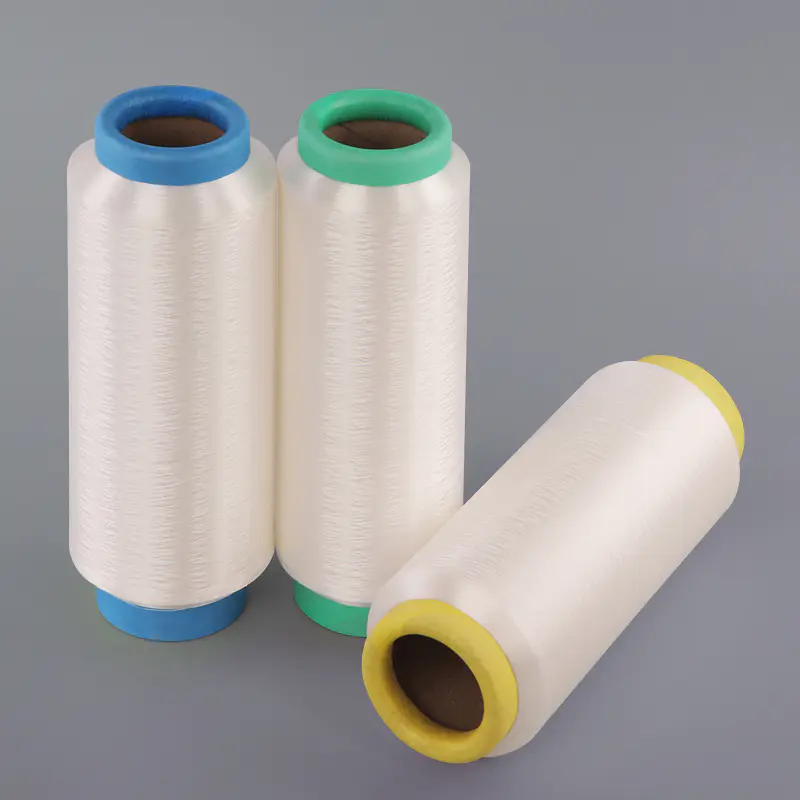 PLA Biodegradable Filament Yarn for Eco-Friendly TextilesThis continuous-filament PLA yarn offers a bio-based alternative to synthetic fibers, supporting industrial compostability and reduced microplastic pollution. Its inherent antibacterial properties add value for sustainable fabric production.View Product →
PLA is also available in staple fiber form for nonwoven and spun yarn applications, providing similar processability to polyester while adding biodegradability.
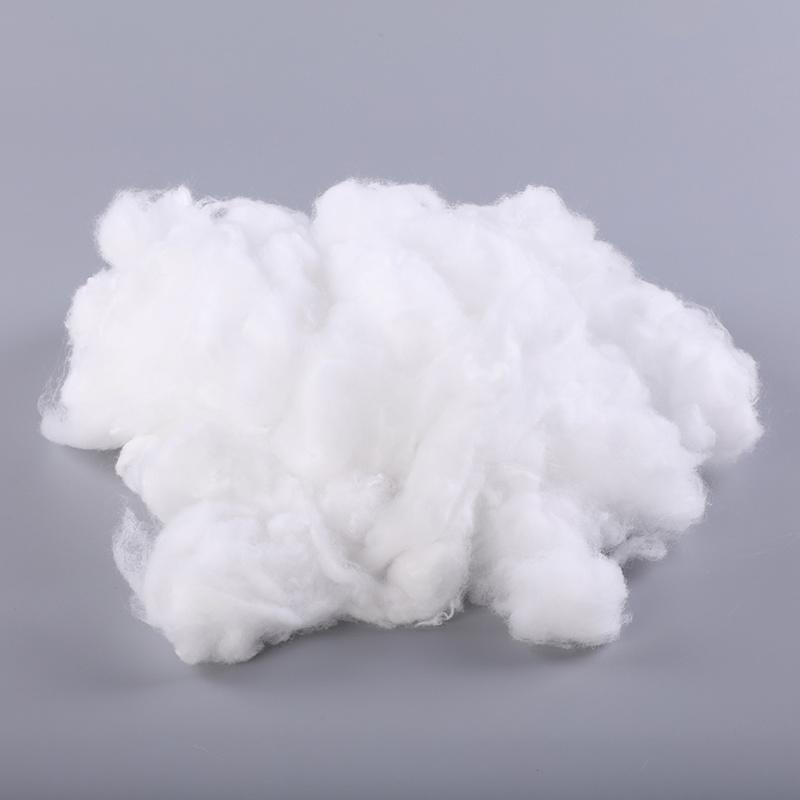 PLA Biodegradable Staple Fiber for Nonwoven and Spun YarnDerived from renewable plant resources, this staple fiber provides a compostable option with similar processability to polyester. It suits nonwoven and spun yarn applications while promoting circularity.View Product →
Lower-temperature dyeing is another way to reduce impacts. Modified polyester yarns like ECDP can be dyed at 85°C instead of the usual 130°C, cutting steam and chemical consumption.
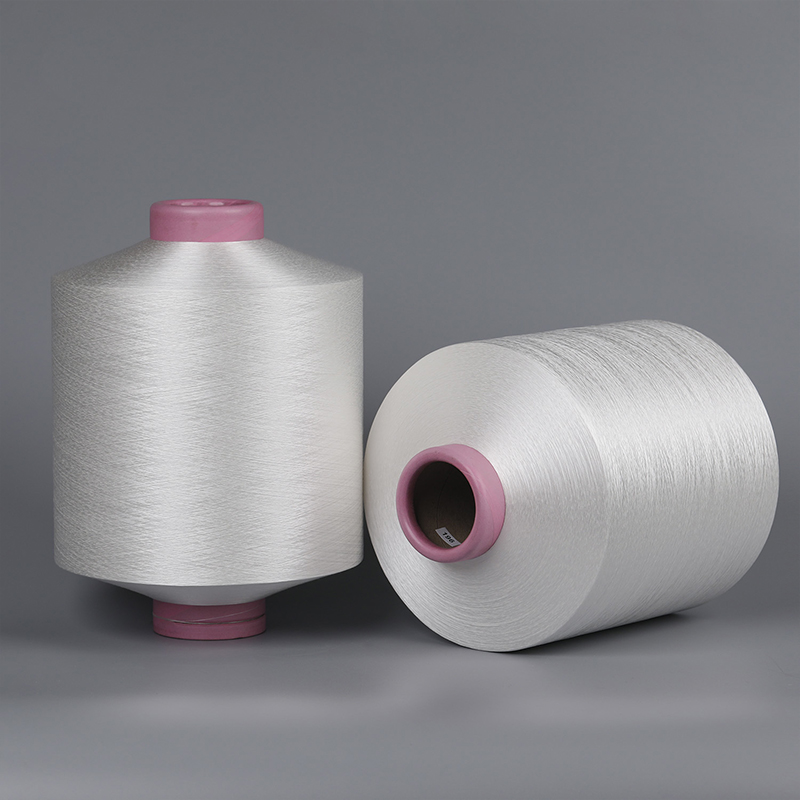 ECDP Textured DTY Yarn for Low-Temperature DyeingThis modified polyester yarn can be dyed at 85°C, reducing steam and chemical use compared to standard polyester. It offers a soft touch and good color fastness, ideal for skin-contact and sportswear applications.View Product →
As a specialty fiber supplier, we offer these alternatives alongside our polyester yarn series, and we can help you evaluate trade-offs for your specific product. Explore how GC FIBER approaches specialty materials.
Polyester can be recycled, but a recycled label does not guarantee a sustainable product. The real decisions are about feedstock quality, process energy, fiber performance, and end-of-life management.
Before you commit to rPET, ask your supplier concrete questions. If you are evaluating a fiber partner, choose one that can explain the trade-offs and offers alternatives when recycled polyester may not be the best fit.
The short answer to “can polyester be recycled” remains: yes, but with clear eyes about what the recycling process actually achieves.
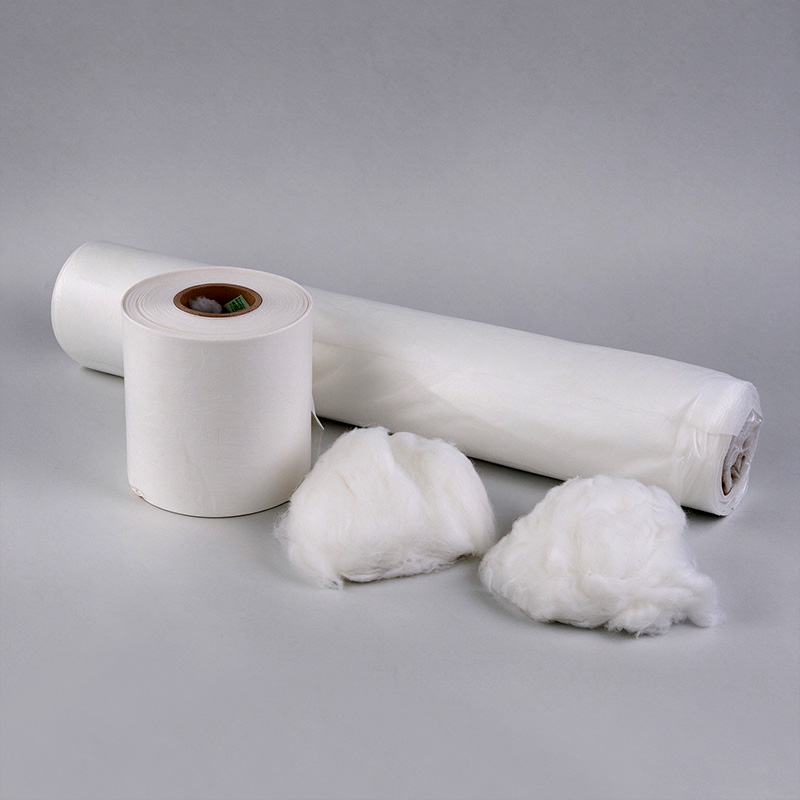
Made of PBS (Polybutylene Succinate), fully biodegradable.Features:1.Home compostable2.Raw material: PBS Polybutylene Su...
READ MOREPlease fill out the form below and our team will contact you as soon as possible.
Addres: No.66 Qiaogang Road, Haian, Nantong City, Jiangsu Province, China
E-mail: service@gcfiber.com admin@gcfiber.com
Copyright ? GC FIBER All Rights Reserved. Eco-Friendly Textile Products Manufacturer Biodegradable Yarn Company