English
 中文简体
中文简体Made of PBS (Polybutylene Succinate), fully biodegradable.Features:1.Home compostable2.Raw material: PBS Polybutylene Su...
READ MORE
Content
When a shoe factory asks for a low-melting yarn that bonds at exactly 110°C without deforming the upper, or a protective clothing plant needs an anti-static PET yarn that still meets the surface resistance limit after 50 industrial washes, the real definition of high-performance textiles becomes practical: it is a measurable, repeatable property in the raw material, not a marketing label. At fiber level, performance is the difference between a production run that passes and one that causes rework.
High-performance textiles are usually described with terms like high strength, high modulus, thermal stability, chemical resistance, and electrical conductivity. But in daily sourcing, the same "high performance" means the fiber does something ordinary polyester and cotton cannot, consistently and under defined conditions. For our product range, that includes a low melting point for bonding without adhesive, built-in antistatic behavior that does not fade after washing, and controlled biodegradability for single-use applications.
From a fiber supplier's point of view, the key is repeatability. A high-performance yarn must deliver the same melting point on every bobbin, the same surface resistance after continuous use, and the same dyeing uptake from lot to lot. For a complete explanation of how low-melting yarn behaves during heat bonding, see our guide to low-melting yarn.
The first rule in specifying high-performance textiles is to look at the polymer, not the fabric. The same polyester can be a standard textile fiber, a low-melting bonding fiber, or an anti-static conductive fiber depending on the polymerization and spinning process. Our ECDP yarns, for example, are modified to accept cationic dyes at lower temperatures than normal PET, and we supply them as FDY, POY, and DTY so the mill can match the yarn form to the weaving or knitting process.
When the target is static control, anti-static polyester yarns use a conductive mechanism inside the filament. In black versions, the carbon loading is evenly distributed during production, which supports consistent antistatic behavior even after repeated washing and abrasion.
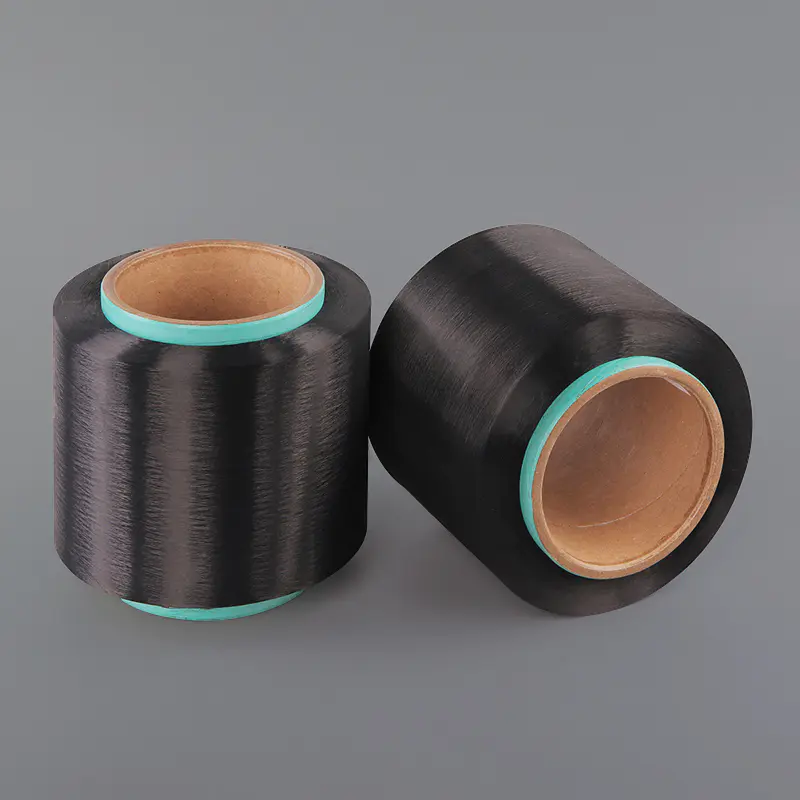 Conductive Black Polyester Yarn for Static ControlThis black polyester yarn integrates evenly distributed carbon for consistent antistatic performance. Its resistance of 10⁶ Ω/cm and wash durability make it suitable for workwear, cleanroom garments, and automotive interiors.View Product →
For HDPE yarns, the flat FDY structure gives a cool-to-touch feel and a specific cross-section that is useful for cooling fabrics. For PE/PP bio-component yarns, two different polymers in one filament can produce a self-bonding or structural effect, often eliminating the need for adhesive in nonwoven processes.
When you compare performance yarns, make the supplier declare each property with a test standard and a tolerance. The value alone means little if you do not know the test method or the acceptable deviation.
| Specification | Why it matters | What to check in the data sheet |
|---|---|---|
| Linear density | Defines yarn count and fabric coverage | dtex or denier, plus tolerance |
| Tensile strength | Determines weaving tension and end-use durability | cN/dtex or breaking tenacity |
| Elongation at break | Affects knitting behavior and stretch recovery | Percentage at break, within a defined range |
| Melting temperature | Controls the bonding window in composite processes | 85°C or 110°C for low-melting products |
| Surface resistance | Shows antistatic durability | ohm/sq value after wash test |
| Biodegradation | Confirms disposal claim | Degradation percentage under ISO or ASTM method |
For shoe uppers and other heat-bonded assemblies, the polyester low-melting yarn for shoes upper is a good example. Its melting point must stay within a tight range, because the upper material itself may be heat-sensitive.
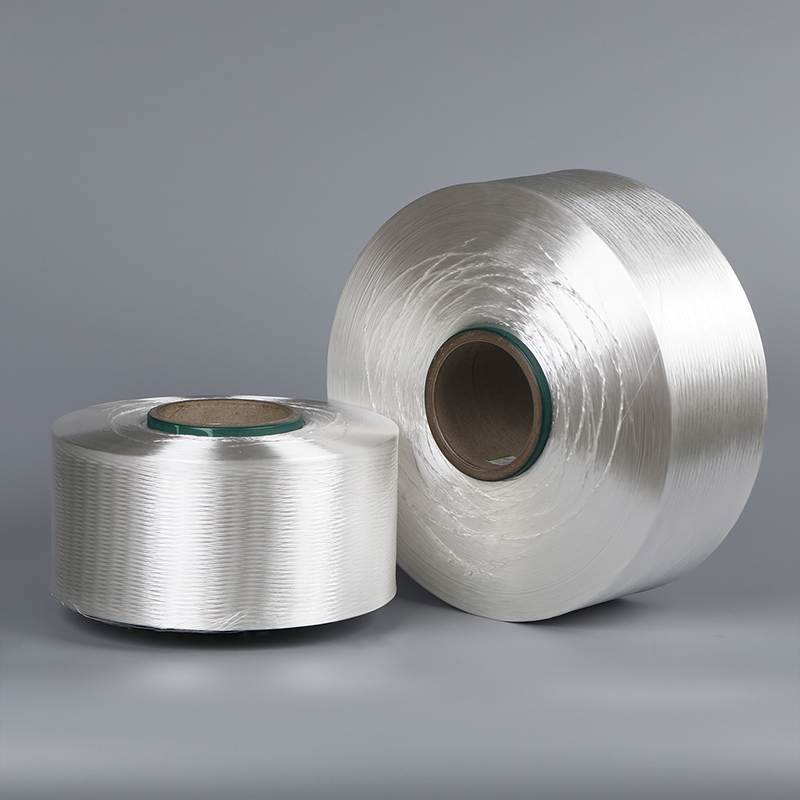 Low-Melt Polyester Yarn for Shoe Upper BondingEngineered with a 110°C melting point and high tenacity, this yarn bonds shoe upper layers without thermal damage. Its precise winding supports automated production and reduces downtime.View Product →
Performance fibers are rarely bought for decoration. They solve a specific process issue. In the footwear industry, a sheath-core polyester low-melting yarn can replace part of the stitching or liquid adhesive in the upper assembly, because the yarn melts at 110°C and forms a bond after heat pressing. In disposable nonwovens, PLA biodegradable nonwoven fabrics give manufacturers a controlled end-of-life path, unlike conventional polypropylene, and also offer lower dyeing temperatures in some applications.
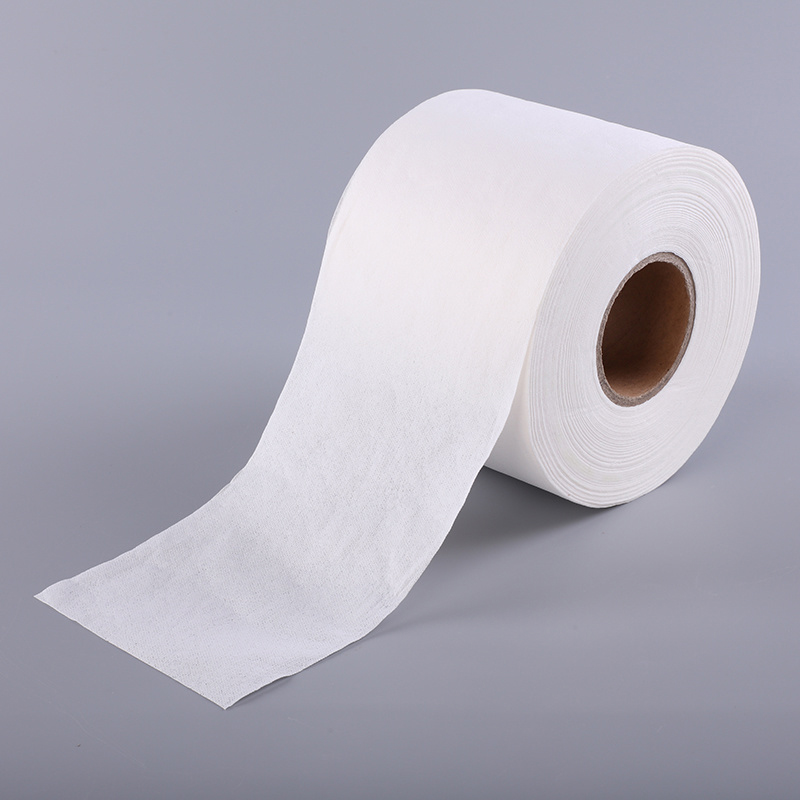 Plant-Based Biodegradable PLA Nonwoven FabricMade from corn-starch PLA, this fabric is industrial compostable and free from fossil plastics. It offers high strength, softness, and natural antibacterial properties for hygiene and food-contact uses.View Product →
In workwear or electronics, anti-static yarns prevent dust attraction and static discharge. In automotive interiors, low-melting yarns help create stable lamination. The application is often defined by the yarn's property, not by a fixed list of industries.
Before you replace a standard yarn with a functional one, walk through the process capability of the new fiber. Here are the practical questions that usually reveal whether a supplier can support you.
Because high-performance textiles are defined at the yarn stage, working directly with a fiber producer can save time. A factory that controls polymerization and spinning can adjust the product to your process: a different melting point, a softer hand, a higher antistatic retention, or a tailored biodegradation profile. Since 2006, we have focused on special and functional eco-friendly textile products and are always interested in co-developing new materials with customers. Our location in Jiangsu, near Shanghai and Ningbo ports, supports fast delivery for trial and bulk orders.
If you have a product spec or a process engineering problem that needs a new fiber, define the measurable property first, then share the expected tolerance and use condition. Ask a fiber producer to make it repeatable. That is what high-performance textiles mean in real manufacturing.
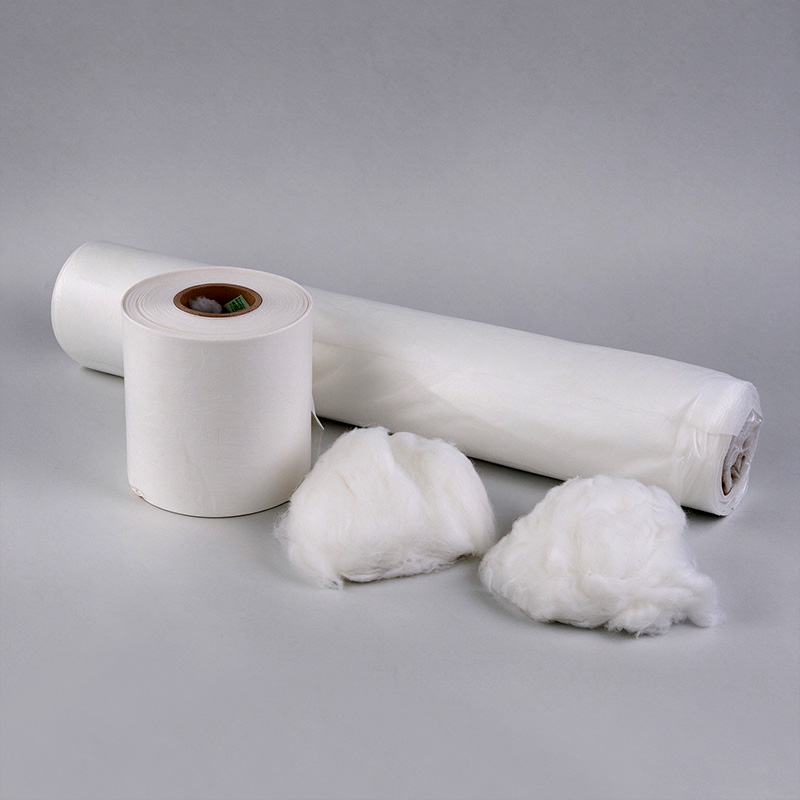
Made of PBS (Polybutylene Succinate), fully biodegradable.Features:1.Home compostable2.Raw material: PBS Polybutylene Su...
READ MOREPlease fill out the form below and our team will contact you as soon as possible.
Addres: No.66 Qiaogang Road, Haian, Nantong City, Jiangsu Province, China
E-mail: service@gcfiber.com admin@gcfiber.com
Copyright ? GC FIBER All Rights Reserved. Eco-Friendly Textile Products Manufacturer Biodegradable Yarn Company