English
 中文简体
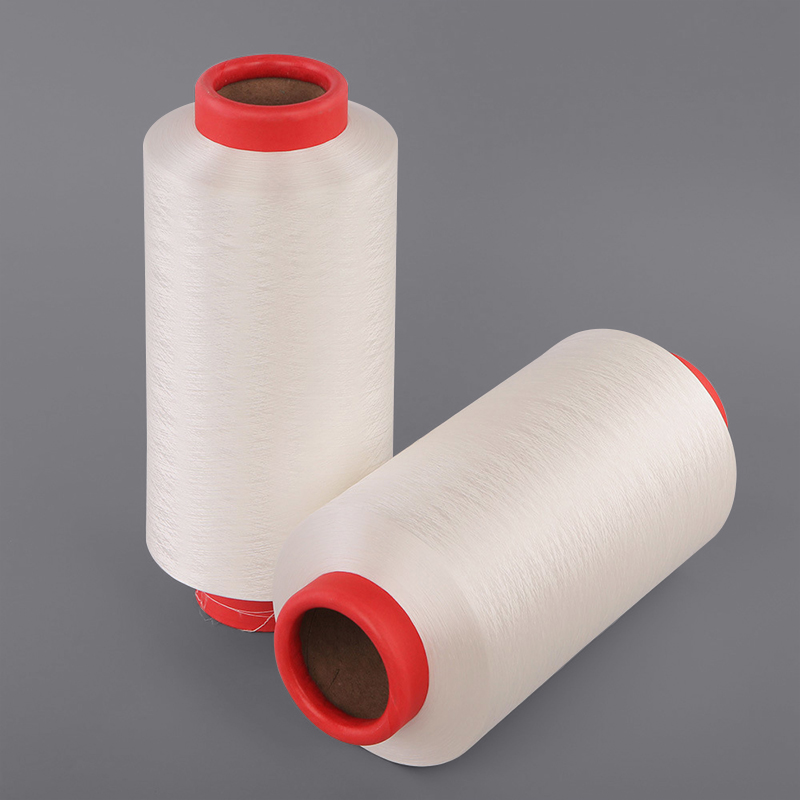
中文简体It is made with Bio-base PLA, fully biodegradable Feature: 1. Industrial compost product 2. Made with PLA 3. Eco-frie...
READ MORE
Content
Yes, the vast majority of yarns will burn, melt, or decompose when exposed to flame. The real question is how a specific fiber behaves under heat. Cotton ignites easily and keeps burning. Wool resists ignition and usually self-extinguishes. Polyester, nylon, and PLA melt into hot, dripping beads before combustion even begins. These differences determine whether a yarn is a genuine fire hazard or simply a material with a defined melting point.
For anyone buying yarn for apparel, upholstery, industrial textiles, or technical applications, this distinction affects material selection, compliance testing, and end-user safety. This guide explains the factors that control yarn flammability, compares major fiber types, and gives practical advice for assessing fire risk before you commit to a product.
Fiber chemistry is the dominant factor. Cellulosic fibers such as cotton, linen, viscose, and bamboo-derived rayon decompose into flammable gases when heated, so they ignite quickly and sustain combustion with a lingering afterglow. Protein fibers like wool and silk contain higher nitrogen levels and absorb more moisture, which makes them naturally difficult to ignite. Thermoplastic fibers like polyester, nylon, PLA, and polypropylene soften and melt before burning, and the molten polymer can drip and carry flame to nearby surfaces.
The limiting oxygen index (LOI) is one useful reference: the minimum oxygen concentration that supports combustion. Normal air contains about 21% oxygen. Fibers with an LOI below 21% burn readily in air, while values above 21% indicate a tendency to self-extinguish. The table below summarizes typical behavior for common yarn families.
| Fiber category | Examples | Reaction to flame | LOI range |
|---|---|---|---|
| Cellulosic | Cotton, linen, rayon | Ignites easily, burns rapidly, leaves afterglow | 18–19 |
| Protein | Wool, silk | Hard to ignite, slow burn, self-extinguishing | 23–25 |
| Thermoplastic | Polyester, nylon, PLA, PE, PP | Melts and shrinks first; drips molten polymer | 20–22 |
| Acrylic | Acrylic, modacrylic | Acrylic burns rapidly with black smoke; modacrylic is inherently FR | 18–29 |
Cotton yarn ignites at roughly 400 °C and burns with a steady yellow flame, leaving soft grey ash and a smoldering afterglow. Once ignited, cotton continues burning even after the flame source is removed. In most consumer markets, cotton used in sleepwear, upholstery, and children's products requires flame-retardant treatment to meet safety regulations.
Wool is the safest of the common natural fibers. Its higher nitrogen content, natural moisture, and scaly surface make it hard to ignite. When the flame is removed, wool usually stops burning by itself and forms a brittle, crushable black bead with a burnt-hair odor. This self-extinguishing behavior makes wool a strong candidate for blankets, upholstery, and protective clothing.
Silk burns more slowly than cotton and also tends to self-extinguish, although it is more sensitive than wool. It leaves a gritty black residue and a burnt-feather smell. Higher cost limits silk to premium applications, but its fire performance is a genuine advantage in luxury interiors and specialized garments.
Synthetic fibers follow a different pattern: most are thermoplastics, so heat triggers melting and shrinking before combustion. That creates a separate risk, namely molten polymer that sticks to skin and drips burning droplets, but it also means many synthetics are easier to extinguish than cotton.
Polyester softens at roughly 220–250 °C. Under flame, it shrinks away, melts, and drips burning polymer with a sweet chemical smell, leaving a hard dark bead. Because the melt can spread fire to nearby materials, polyester is best described as a melt-drip fiber rather than a highly flammable one. For a detailed look at the material family and production routes, read our guide to what polyester filament yarn is. If you are evaluating fine-denier options, a polyester micro filament yarn gives you a practical example of how fiber fineness changes surface area and burn response.
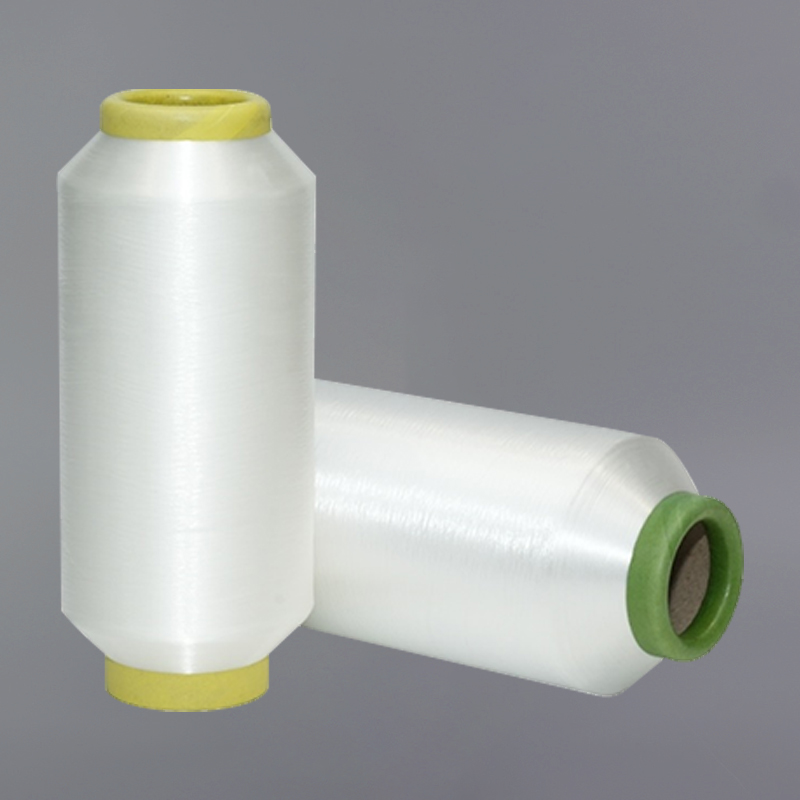 Custom Polyester Micro Filament Yarn DTY 18D/48F Manufacturers, Company - GC As Polyester Micro Filament Yarn DTY 18D/48F manufacturer and Polyester Micro Filament Yarn company in China, GC FIBER specializes in c...View Product →
Polylactic acid (PLA) yarn is a biobased thermoplastic made from fermented plant starch. Its melting point is much lower, around 150–170 °C, so PLA softens and shrinks quickly under modest heat. The practical result is that PLA collapses and melts before it sustains a vigorous flame. The broader sustainability picture is covered in our article on what PLA is and where it fits in textile manufacturing. Buyers interested in this fiber can review our PLA biodegradable filament yarn page for typical specifications and processing notes.
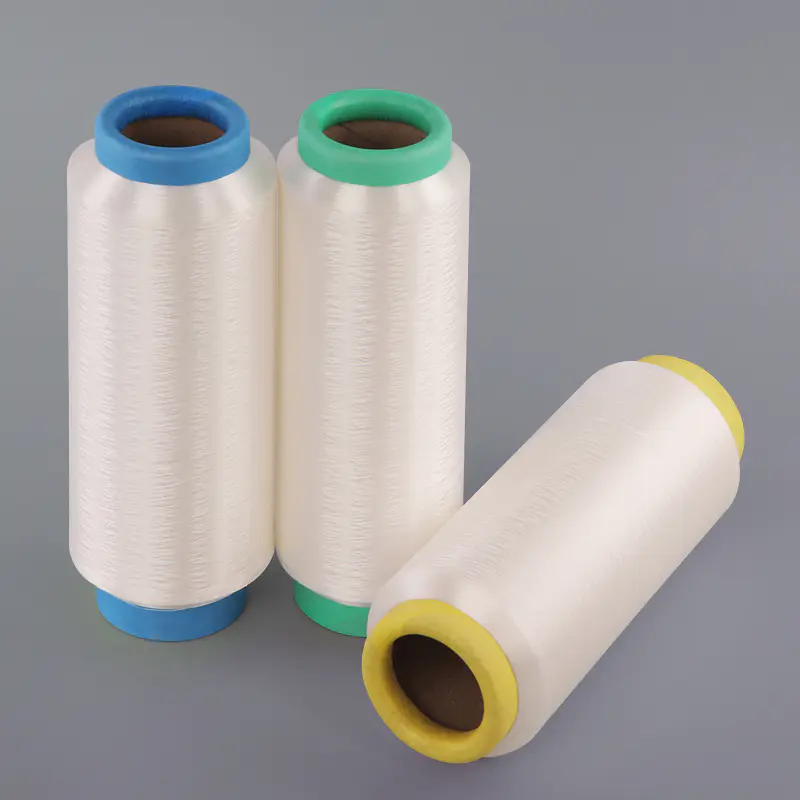 Custom PLA Biodegradable Filament Yarn Manufacturers, Company - GC FIBERAs PLA Biodegradable Filament Yarnmanufacturer and PLA Biodegradable Filament Yarn company in China, GC FIBER specializes in custom PLA B...View Product →
Acrylic is the exception among commodity synthetics: it burns rapidly once ignited and produces dense black smoke and melting drips. It should never be treated as inherently flame-resistant. For workwear and soft furnishings, acrylic is sometimes blended with modacrylic fibers to raise flame resistance.
Nylon melts at 220–260 °C and often self-extinguishes in knitted structures, but the drips remain a contact-burn hazard. Polyethylene (PE) and polypropylene (PP) yarns melt at roughly 130–165 °C and can burn in the molten state, so they need careful handling near open flames and hot machinery.
A simple burn test can identify the fiber family of an unknown yarn. This is a controlled procedure, not a casual experiment.
Cotton continues burning with afterglow; wool stops within a second or two; polyester shrinks, melts, and drips; acrylic burns quickly with black smoke. Combined with the supplier's declared fiber content, these observations give you enough information for a basic fire-risk assessment.
For applications with strict fire-safety requirements, commodity yarns are usually replaced or upgraded in one of three ways: use inherently flame-resistant fibers such as aramid or modacrylic; apply a flame-retardant finish during dyeing or finishing; or choose a yarn whose structural behavior reduces fire risk.
Anti-static yarns play a quieter safety role. They dissipate static charge that can trigger sparks in dust-laden environments such as textile mills, chemical plants, and cleanrooms. By reducing the chance of static discharge, an anti-static yarn removes one ignition source even when the fiber itself is not flame-resistant. This is why functional yarn selection is as much about preventing fires as about surviving them.
Low-melting yarns are a different case: they melt deliberately at a controlled temperature to bond fabric layers in shoes, filters, and composite textiles. A 100% polyester low-melting yarn rated at 110 °C is engineered to fuse at a predictable temperature, so it should never be mistaken for a flame-proof product. Its value lies in precision: separating "melt for bonding" from "melt because of a fire" prevents costly specification errors.
 Custom Pure Polyester Low Melting Yarn 110 Degree 20D, 30D, 40D, 50D, 70D, 100DAs Pure Polyester Low Melting Yarn 110 Degree 20D, 30D, 40D, 50D, 70D, 100D, 150D, 200D, 300D. manufacturer and Pure Polyester Low Melt...View Product →
Every end use carries a different level of fire exposure, and the right yarn matches fiber chemistry to the requirement. Use the table below as a starting point for product decisions.
| Application | Primary fire risk | Recommended fiber direction |
|---|---|---|
| Children's sleepwear | Rapid flame spread | FR-treated cotton or inherently FR fiber |
| Curtains and upholstery | Flame spread and smoke | Wool or FR-treated polyester |
| Industrial workwear | Flash fire, molten metal splash | Aramid or FR viscose blends |
| Transport seating | Dripping molten polymer | Low-drip FR polyester |
| Shoe upper bonding | Controlled heat exposure | Low-melting yarn with a clearly defined melt point |
When sourcing from a supplier, never rely on the word "safe" alone. Ask for the limiting oxygen index, the melting point, and any flame-retardant certification or test report. A manufacturer that controls the polymer from the raw material stage can usually document these figures with confidence.
So, is yarn flammable? The honest answer is yes for nearly all fibers, but the practical risk depends on how the yarn burns, how fast it burns, whether it melts or self-extinguishes, and what protective systems are built into the finished product. Cotton burns fast and keeps burning. Wool self-extinguishes. Polyester melts and drips. Acrylic burns aggressively. PLA softens at a relatively low temperature. There is no universal "safe yarn" — only the yarn that matches your fire-risk profile.
For industrial buyers, the responsible approach is to verify material properties before committing to a large order. Work with a supplier that can disclose melt points, LOI values, and processing tolerances. Specialty fiber manufacturers with in-house development capability are often better placed to document this data, because they control the polymer and extrusion process from the start. Matching the fiber to the risk is not complicated once you have the right numbers.
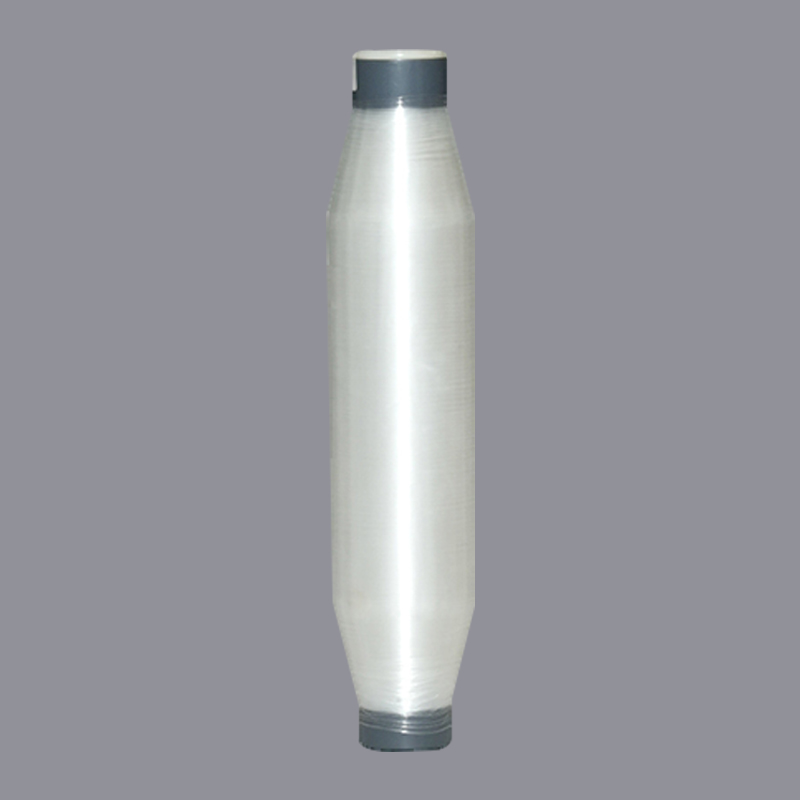
It is made with Bio-base PLA, fully biodegradable Feature: 1. Industrial compost product 2. Made with PLA 3. Eco-frie...
READ MOREPlease fill out the form below and our team will contact you as soon as possible.
Addres: No.66 Qiaogang Road, Haian, Nantong City, Jiangsu Province, China
E-mail: service@gcfiber.com admin@gcfiber.com
Copyright ? GC FIBER All Rights Reserved. Eco-Friendly Textile Products Manufacturer Biodegradable Yarn Company