English
 中文简体
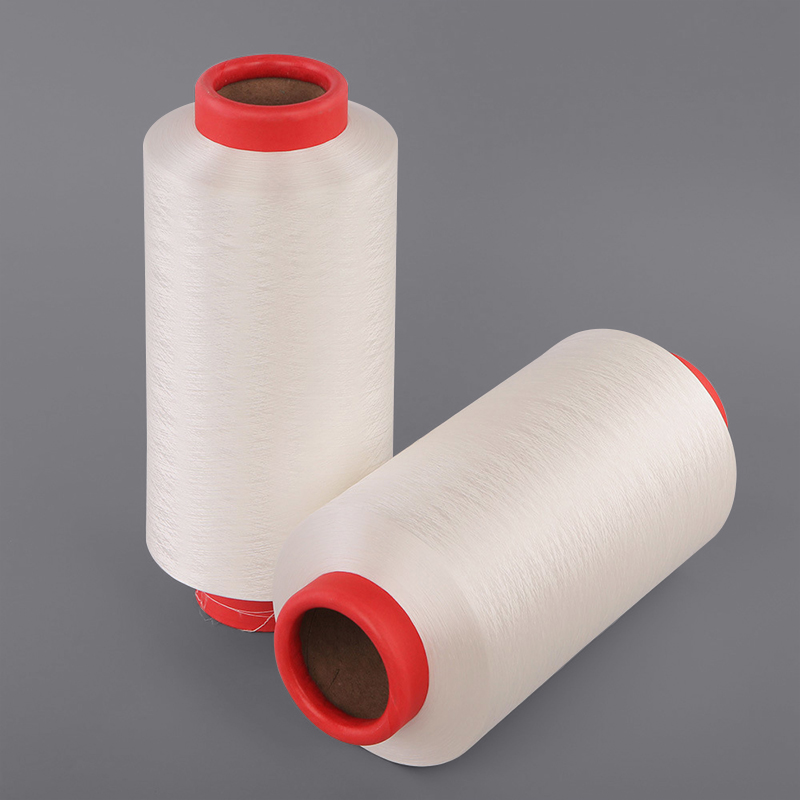
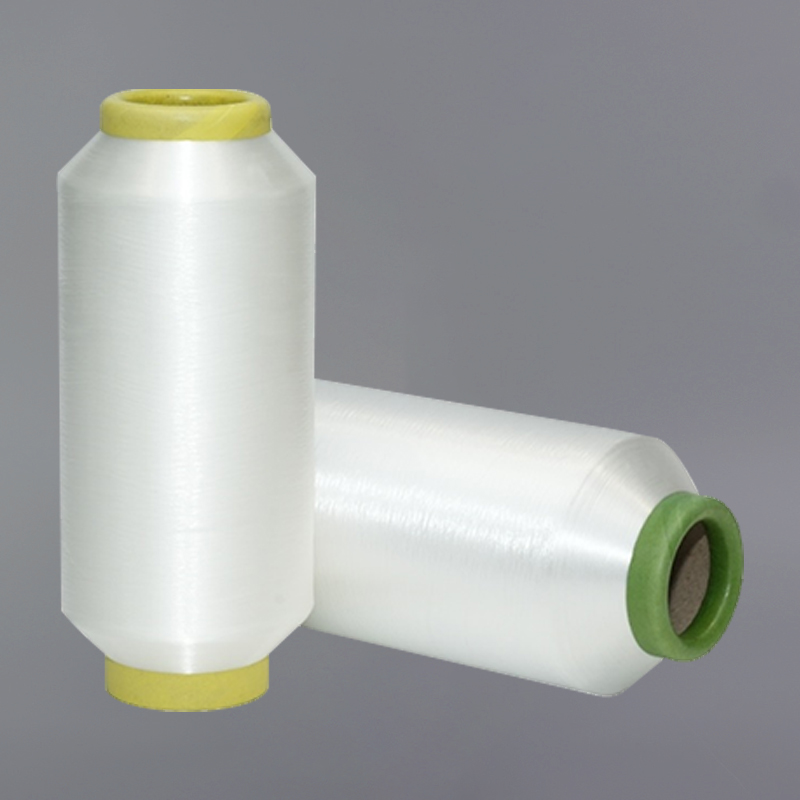
中文简体It is made with Bio-base PLA, fully biodegradable Feature: 1. Industrial compost product 2. Made with PLA 3. Eco-frie...
READ MORE
Content
The primary reason to choose biodegradable yarns is their ability to eliminate long-term textile waste by returning to nature at the end of their lifecycle. Unlike synthetic fibers that persist for centuries, biodegradable yarns are broken down by microorganisms into water, CO2, and biomass, effectively preventing landfill accumulation and persistent microplastic pollution in our oceans.
To understand the importance of this choice, one must look at the stark contrast in degradation timelines. Traditional petroleum-based fibers are engineered for durability, which becomes an ecological hazard once the garment is discarded.
| Fiber Type | Material Origin | Est. Degradation Time |
|---|---|---|
| Standard Polyester | Petrochemicals | 200 - 500 Years |
| PLA (Polylactic Acid) | Corn Starch/Sugar | 6 - 24 Months (Industrial) |
| Organic Wool/Cotton | Animal/Plant | 1 - 6 Months |
Every time a synthetic garment is washed, it sheds thousands of tiny plastic filaments. These microplastics are too small for filtration systems and eventually enter the global food chain.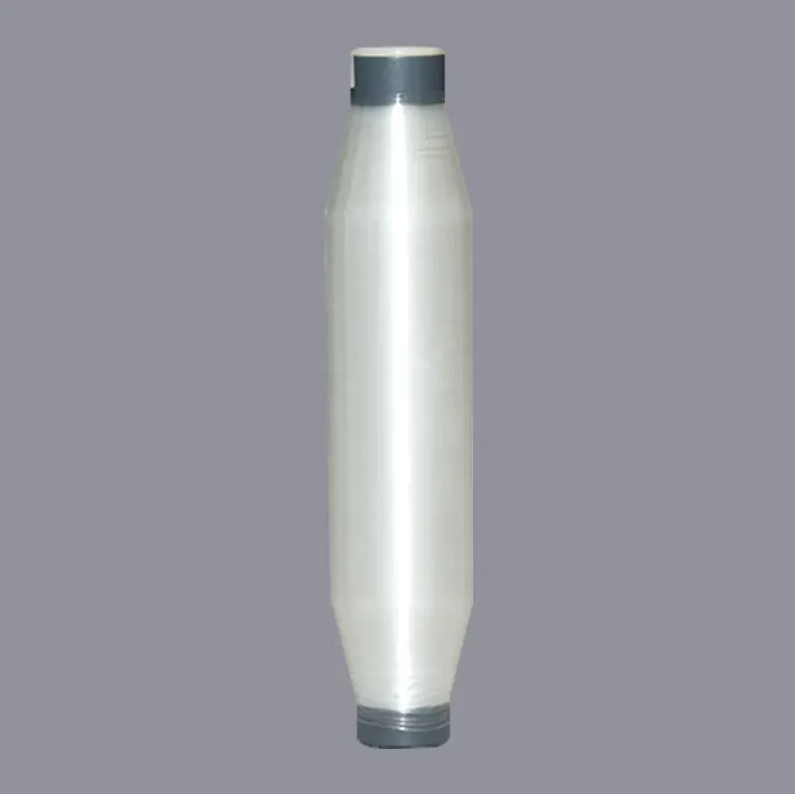
Biodegradable yarns facilitate a "Cradle-to-Cradle" production model, ensuring that the resources used in manufacturing can eventually support new life.
Modern engineering has ensured that choosing sustainability no longer means sacrificing quality. Advanced biodegradable yarns match the tensile strength, dye affinity, and softness of traditional synthetics. By opting for these materials, brands and consumers contribute to a future where high-performance textiles coexist harmoniously with ecological preservation.
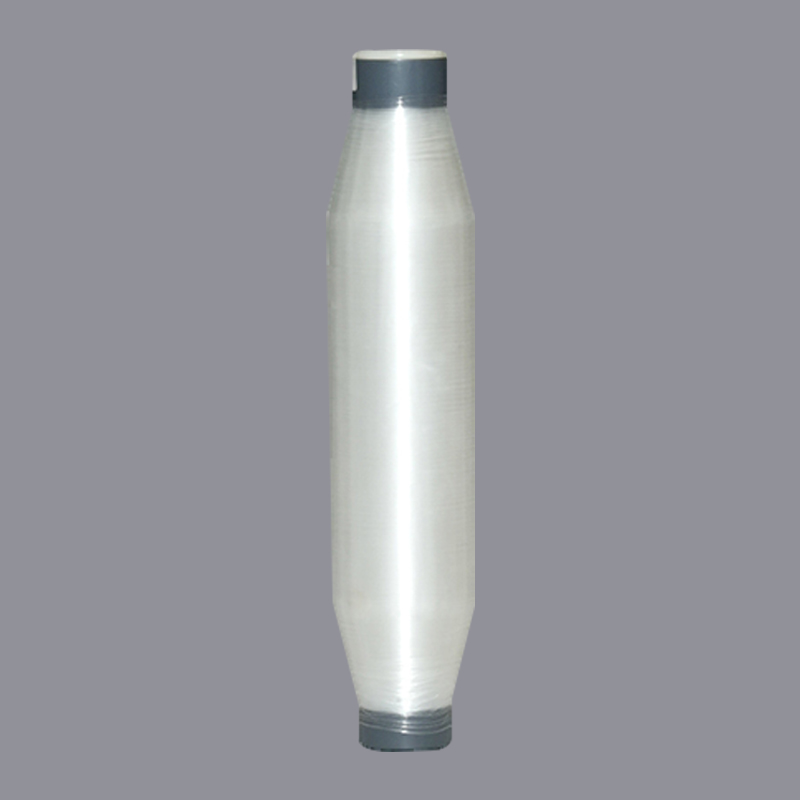
It is made with Bio-base PLA, fully biodegradable Feature: 1. Industrial compost product 2. Made with PLA 3. Eco-frie...
READ MOREPlease fill out the form below and our team will contact you as soon as possible.
Addres: No.66 Qiaogang Road, Haian, Nantong City, Jiangsu Province, China
E-mail: service@gcfiber.com admin@gcfiber.com
Copyright ? GC FIBER All Rights Reserved. Eco-Friendly Textile Products Manufacturer Biodegradable Yarn Company