English
 中文简体
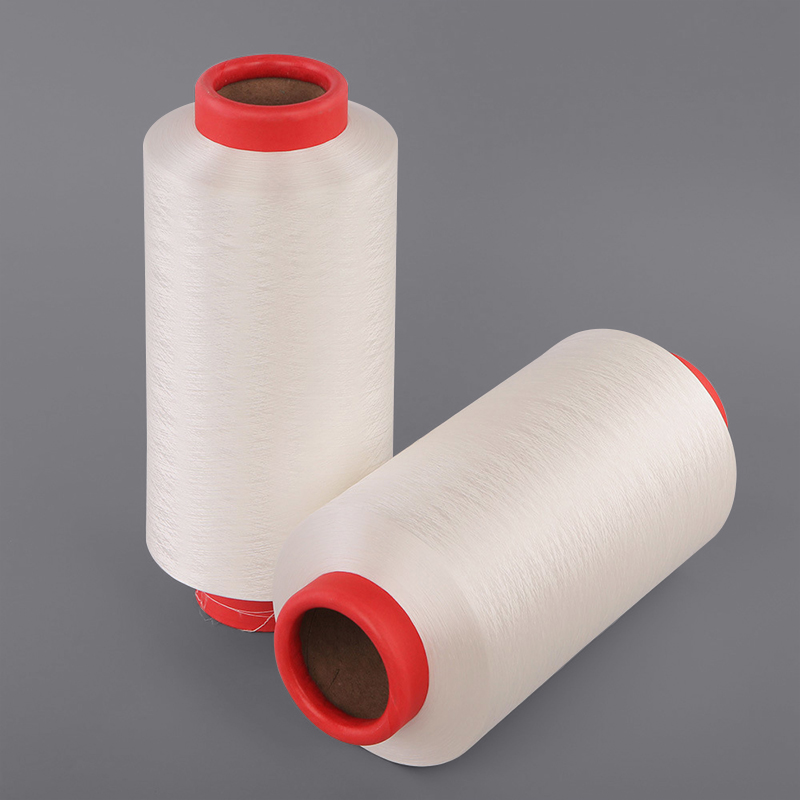
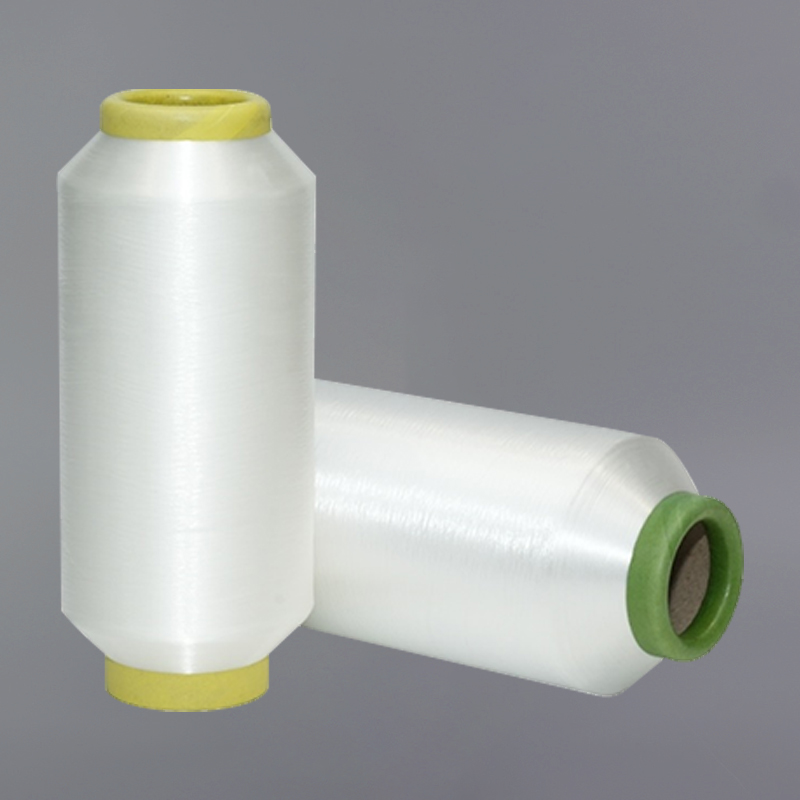
中文简体It is made with Bio-base PLA, fully biodegradable Feature: 1. Industrial compost product 2. Made with PLA 3. Eco-frie...
READ MORE
Content
Anti-static yarn and conductive yarn are not the same thing, though both are used to manage electrical charge in textiles. Anti-static yarn prevents the buildup of static electricity by dissipating charge slowly, while conductive yarn actively carries electrical current along its length. Choosing the wrong type can lead to product failure, safety hazards, or unnecessary cost—so understanding the distinction is essential before specifying either in a design.
Anti-static yarn works by reducing the surface resistivity of a fabric to a level where charge cannot accumulate. It typically achieves this by blending in fibers with moderate electrical conductivity—such as carbon-coated fibers or certain synthetic polymers—so that any charge generated by friction or contact quickly dissipates into the surrounding environment rather than building up to a discharge event.
Conductive yarn, by contrast, is engineered to transport electrical current along a defined path. It incorporates materials such as stainless steel microwires, silver-coated nylon, or carbon fiber bundles that give it a measurably low resistance. This makes it suitable for applications where the textile itself must function as an electrical component—not merely resist static buildup.
The key difference is directionality of charge movement: anti-static yarn dissipates charge broadly across a surface, while conductive yarn channels it along a specific path.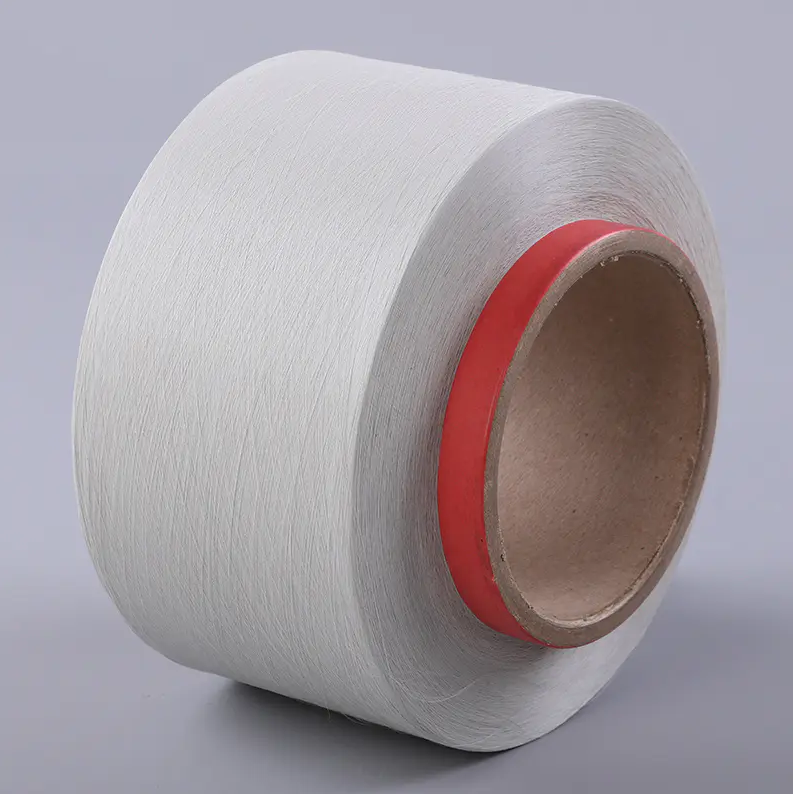
The most reliable way to distinguish the two types is by their electrical resistance values. Industry standards and product datasheets consistently use resistance ranges to classify yarn function:
| Category | Surface Resistivity (Ω/sq) | Typical Yarn Type | Primary Function |
|---|---|---|---|
| Insulative | > 10¹² Ω/sq | Standard textile fiber | No charge management |
| Anti-static | 10⁶ – 10¹² Ω/sq | Anti-static yarn | Static dissipation |
| Static Dissipative | 10⁴ – 10⁶ Ω/sq | High-performance anti-static | Controlled dissipation |
| Conductive | < 10⁴ Ω/sq | Conductive yarn | Current transmission |
In practical terms, conductive yarn can have a linear resistance as low as 1–50 Ω/cm depending on the metal content and construction, while anti-static yarn typically measures in the megaohm range per unit length. A fabric made with silver-coated conductive yarn may achieve sheet resistance below 1 Ω/sq—far beyond what is needed or achievable with anti-static fiber blends.
Application requirements almost always make the choice clear. Anti-static yarn is about protection and compliance; conductive yarn is about enabling electronic functionality in fabric.
Neither yarn type is superior in all respects. Each involves trade-offs that must be weighed against the target application.
| Factor | Anti-Static Yarn | Conductive Yarn |
|---|---|---|
| Washability | Good (carbon-core types stable; surface-treated types degrade) | Variable; stainless steel is durable, silver-coated can tarnish or leach |
| Hand feel & comfort | Soft; low fiber content has minimal impact on textile feel | Stainless steel can feel stiff or scratchy; silver-coated nylon is softer |
| Conductivity level | Moderate (megaohm range); sufficient for static control only | High (ohm to kilohm range); supports actual current flow |
| Mechanical strength | Comparable to base fiber; minimal penalty | Metal content can increase stiffness but also tensile strength in some cases |
| EMI shielding effectiveness | Negligible | Significant; fabrics can achieve 30–60 dB attenuation at relevant frequencies |
| Regulatory standards | EN 1149, ANSI/ESD S20.20, IEC 61340 | Application-specific (IEC 60601 for medical, MIL-STD for defense, etc.) |
In most functional applications, no—anti-static yarn cannot replace conductive yarn. The resistance values are separated by several orders of magnitude, and that gap matters operationally. For example, a touchscreen glove made with anti-static yarn will not reliably register input on a capacitive screen because the resistance is too high to transfer the capacitance signal. A heating element made from anti-static yarn would generate negligible heat because it cannot carry meaningful current.
The reverse is also true in specific contexts. Using conductive yarn in a garment meant only for static dissipation in an ESD environment can actually create a safety risk: if the fabric is too conductive, it may allow current to pass through the wearer in a fault condition, rather than safely dissipating charge. Standards like EN 1149 explicitly define maximum conductivity thresholds for this reason.
There are some overlap zones. High-performance anti-static fabrics used in ATEX-rated environments (for explosive atmospheres) can approach the lower boundary of what might loosely be called "conductive," but they are still not interchangeable with purpose-built conductive yarn for circuit applications.
Start with the functional requirement, not the material. Ask these questions in order:
The boundary between anti-static and conductive yarn is becoming more nuanced as smart textile applications grow. Some next-generation yarns are being engineered to serve dual roles: they provide sufficient conductivity for data transmission along sensor leads while maintaining a surface resistivity that meets ESD protection standards across the wider fabric.
Research into carbon nanotube and graphene-coated fibers shows promise for achieving tunable resistance across the full spectrum—from 10⁶ Ω/sq down to near-metallic levels—within a single fiber architecture. However, these materials remain largely at the research and limited-production stage as of 2025, with cost and scalability still presenting barriers to mass textile adoption.
For current commercial projects, the two categories remain operationally distinct, and selecting the correct one at the specification stage avoids costly redesign or compliance failures during testing.
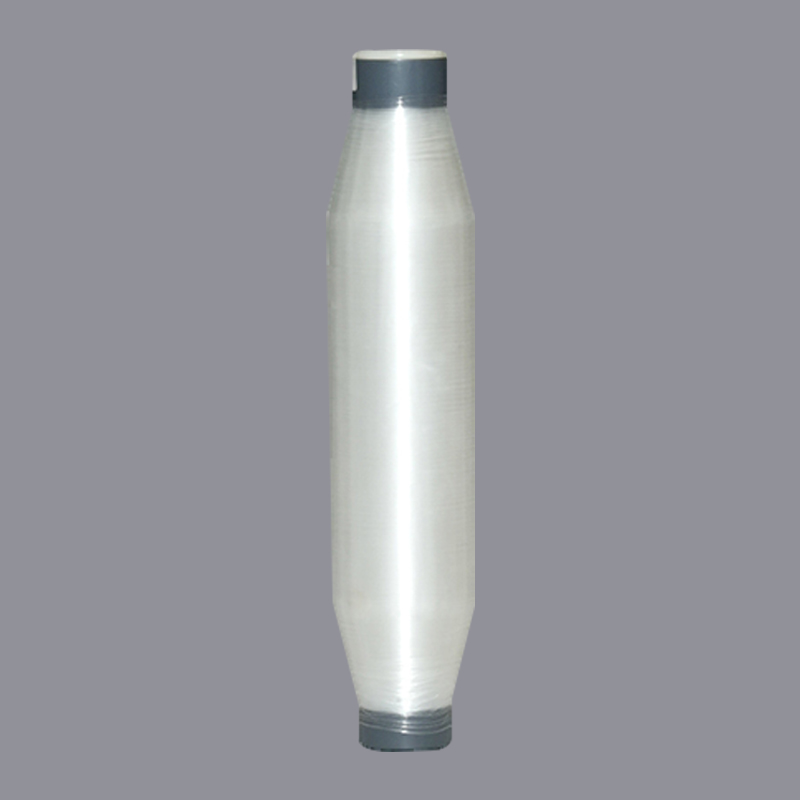
It is made with Bio-base PLA, fully biodegradable Feature: 1. Industrial compost product 2. Made with PLA 3. Eco-frie...
READ MOREPlease fill out the form below and our team will contact you as soon as possible.
Addres: No.66 Qiaogang Road, Haian, Nantong City, Jiangsu Province, China
E-mail: service@gcfiber.com admin@gcfiber.com
Copyright ? GC FIBER All Rights Reserved. Eco-Friendly Textile Products Manufacturer Biodegradable Yarn Company