English
 中文简体
中文简体It is made with Bio-base PLA, fully biodegradable Feature: 1. Industrial compost product 2. Made with PLA 3. Eco-frie...
READ MORE
Content
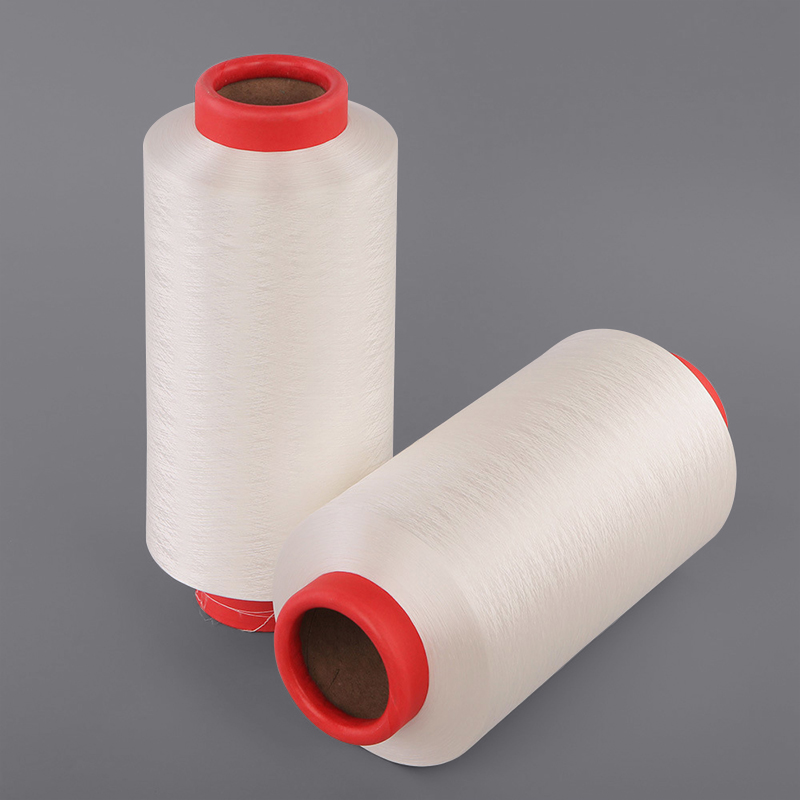
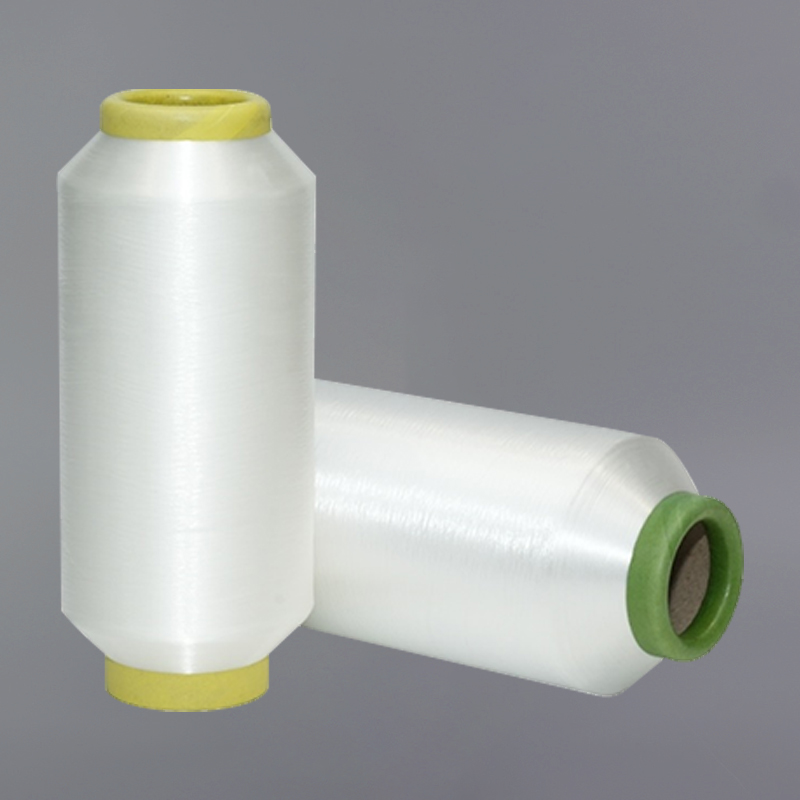
Hot melt yarn is a type of thermoplastic filament engineered to soften and flow at a specific temperature range, then re-solidify to create a permanent bond between two or more layers of fabric, fiber, or nonwoven material. It is also known in the industry as low-melting yarn, fusible yarn, or thermal bonding yarn, and the three terms are largely interchangeable depending on the region and the manufacturer using them.
The core function of this yarn is to replace stitching, glue, or mechanical fasteners with a heat-activated bond. Once heated to its melting point and pressed, the yarn liquefies at the fiber surface and penetrates the surrounding structure, forming a solid connection point after cooling. This gives manufacturers a way to join materials without needles, thread breakage, or liquid adhesives that can seep through fabric and cause staining.
Direct answer: Hot melt yarn is a low-melting-point filament (commonly copolyester, copolyamide, or polyethylene based) used to fuse layers of textile or nonwoven material together through heat and pressure, without needing sewing, welding, or wet adhesives.
The bonding mechanism behind fusible yarn relies on a controlled phase change. Every hot melt yarn has a defined melting range, typically expressed as a softening point and a full melt point. Below the softening point the yarn behaves like a normal textile filament with tensile strength and flexibility. As the material passes through a heat source, whether that is a calender roller, an infrared tunnel, an ultrasonic horn, or a hot air oven, the yarn's crystalline structure begins to break down.
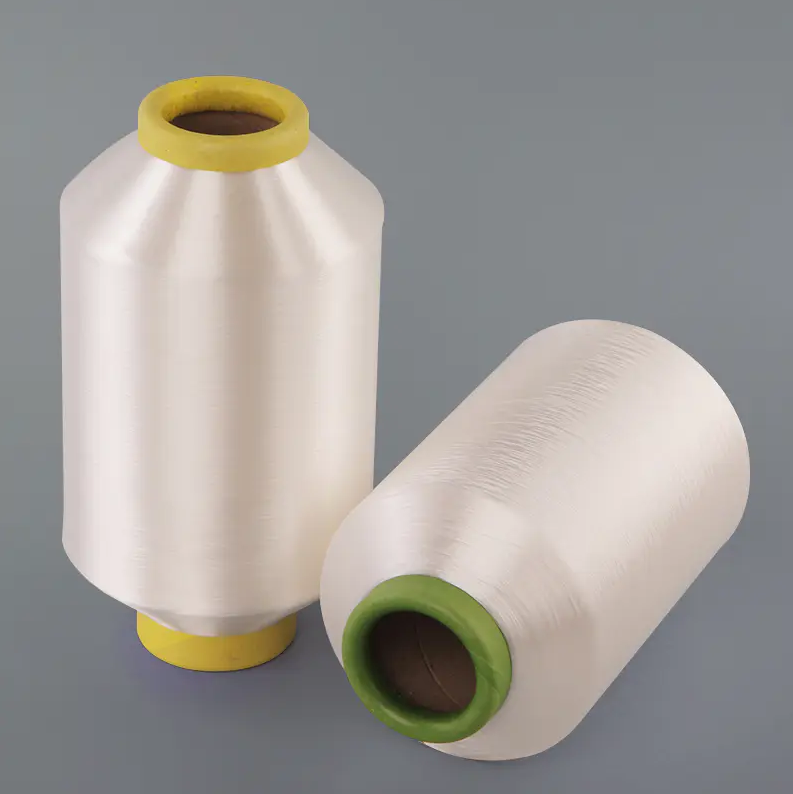
Once the yarn reaches its melt point, the polymer becomes viscous and starts to wet out the surrounding fibers. Pressure applied during this stage forces the melted polymer into the gaps between adjacent yarns or nonwoven fibers. When the assembly cools, the polymer re-crystallizes and locks the structure in place, creating a bond point that can be stronger than the base fabric itself in some configurations.
Manufacturers control bond strength primarily by adjusting three variables together: temperature, dwell time, and pressure. Changing any one of these without adjusting the others typically produces either an under-bonded joint that separates under load or an over-bonded joint that becomes stiff and brittle.
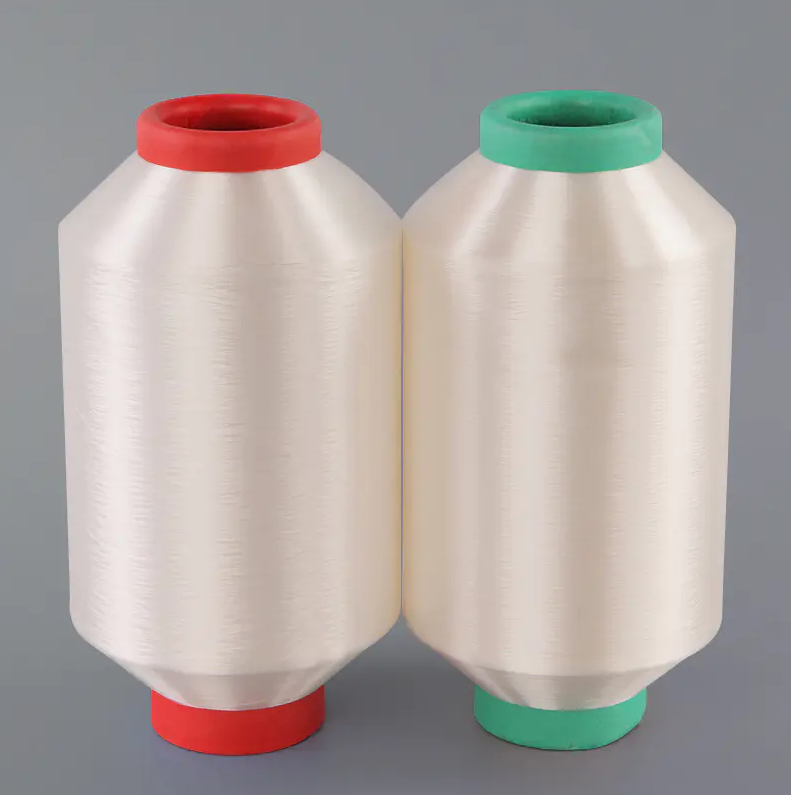
Choosing the right low-melting yarn for a project depends on matching the technical specification to the intended bonding process and end use. The most important properties to check before ordering are melting point, denier, tenacity, shrinkage rate, and color options.
| Property | Typical Range | Notes |
|---|---|---|
| Melting Point | 80 to 150 degrees Celsius | Copolyester grades sit at the lower end, copolyamide grades run higher |
| Denier | 20D to 300D | Finer deniers suit apparel, heavier deniers suit technical textiles |
| Tenacity | 2.0 to 4.5 grams per denier | Higher tenacity reduces breakage during high speed knitting or weaving |
| Shrinkage | Under 5 percent | Low shrinkage prevents distortion of the finished bonded fabric |
| Color Options | Natural, white, black, dyed | Dyed yarn should be tested for color migration during the heat cycle |
These figures vary between suppliers, so a data sheet from the specific manufacturer should always be requested before production trials begin.
Not all fusible yarn is made from the same polymer family. The choice of base material affects melting behavior, chemical resistance, hand feel, and cost.
This is the most widely used type across apparel and home textile bonding. It offers a stable melt window, good washability, and reasonable cost, which makes it the default choice for interlining and garment reinforcement.
Known for stronger adhesion to synthetic fabrics and better elasticity recovery, this type is common in sportswear, seam sealing tapes, and stretch fabric bonding where flexibility matters after the bond sets.
With the lowest melting range among common types, this yarn is chosen for heat sensitive substrates, low temperature nonwoven bonding, and packaging applications where the base material cannot tolerate high processing heat.
Thermal bonding yarn shows up in far more places than most people realize. Below is a breakdown of where it is used and why it is preferred over sewing or wet adhesives in each case.
Manufacturers weighing thermal bonding against stitching or liquid adhesive should consider more than just cost. Each method has trade-offs across speed, durability, and appearance.
| Method | Processing Speed | Surface Finish | Common Failure Mode |
|---|---|---|---|
| Hot Melt Yarn Bonding | Fast, continuous line speed | Smooth, no needle holes | Delamination if heat cycle is uneven |
| Mechanical Stitching | Moderate, limited by needle speed | Visible stitch line | Thread breakage and seam puckering |
| Liquid Adhesive Bonding | Slower due to drying or curing time | Can stiffen or discolor fabric | Adhesive bleed through and stiffening over time |
Getting consistent results from low-melting yarn depends heavily on process discipline rather than the yarn alone. Below are practical guidelines drawn from common textile bonding line setups.
Set the heating zone approximately 10 to 15 degrees Celsius above the yarn's stated melting point to account for heat loss between the heater and the fabric surface. Running too close to the exact melt point often leads to inconsistent bonding across the width of the roll.
Most fusible yarn grades need between 3 and 15 seconds of contact time at temperature, depending on fabric thickness. Thicker layered assemblies require the longer end of this range so heat can penetrate to the yarn positioned deeper in the stack.
Roller pressure between 2 and 5 bar is typical for calender bonding lines. Insufficient pressure leaves gaps in the bond line, while excessive pressure can push melted polymer through to the fabric face and create shine marks.
Before committing a large batch to production, it is standard practice to run a peel strength test and a wash durability test on a sample lot. A peel test measures the force needed to separate the bonded layers, usually recorded in newtons per centimeter of bond width. Wash durability testing puts the bonded sample through the same laundering conditions the finished product will face, then checks for delamination or curling at the bond edge.
A commonly cited benchmark in industrial textile bonding is a minimum peel strength of 3 newtons per centimeter for garment interlining applications, though technical textiles used in automotive or filtration settings often require higher thresholds depending on the load the bond will carry in service.
Because hot melt yarn is sensitive to heat by design, storage conditions matter more than with standard textile yarn. Cones and spools should be kept in a dry area away from direct sunlight, with ambient temperature held below the yarn's softening point at all times to prevent the material from fusing to itself on the spool.
Most commercial grades melt between 80 and 150 degrees Celsius, with copolyester types generally sitting lower and copolyamide types sitting higher within that range.
Yes, properly bonded fabric using copolyester or copolyamide hot melt yarn is designed to withstand normal home laundering, provided the bonding process met the recommended temperature and pressure settings during production.
No, fusible interfacing is a fabric layer coated with adhesive resin, while fusible yarn is a filament woven or knitted directly into a fabric structure that later activates under heat to create the bond.
Excess stiffness usually points to over-bonding, where too much heat, pressure, or dwell time caused more polymer to migrate into the fabric than necessary, hardening the bond area beyond what the design intended.
When stored correctly in dry conditions below the softening temperature, most hot melt yarn maintains stable performance for at least two years from the production date, though checking the supplier data sheet for the specific grade is recommended.
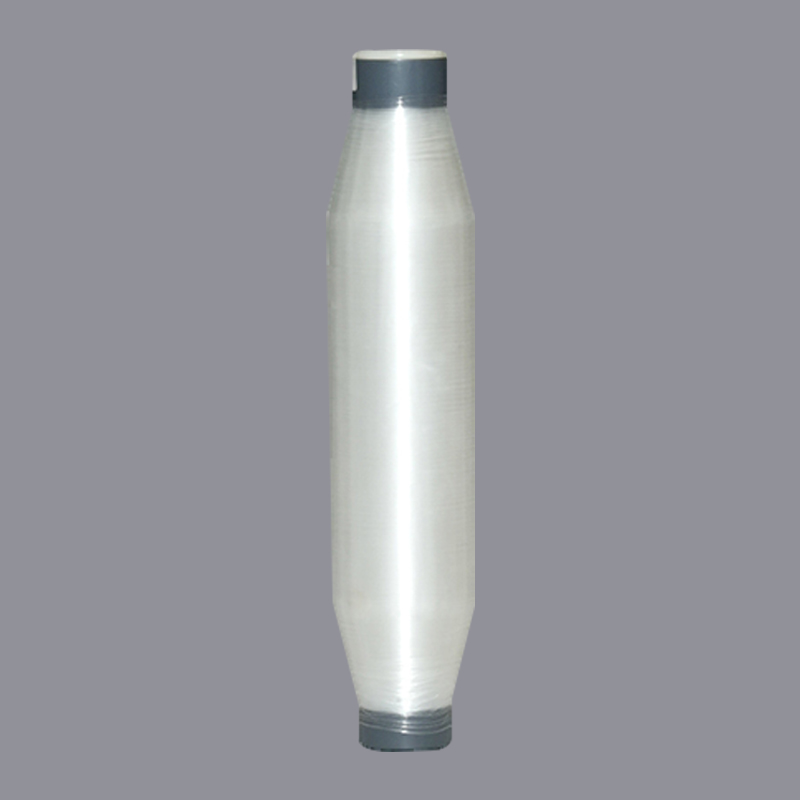
It is made with Bio-base PLA, fully biodegradable Feature: 1. Industrial compost product 2. Made with PLA 3. Eco-frie...
READ MOREPlease fill out the form below and our team will contact you as soon as possible.
Addres: No.66 Qiaogang Road, Haian, Nantong City, Jiangsu Province, China
E-mail: service@gcfiber.com admin@gcfiber.com
Copyright ? GC FIBER All Rights Reserved. Eco-Friendly Textile Products Manufacturer Biodegradable Yarn Company