English
 中文简体
中文简体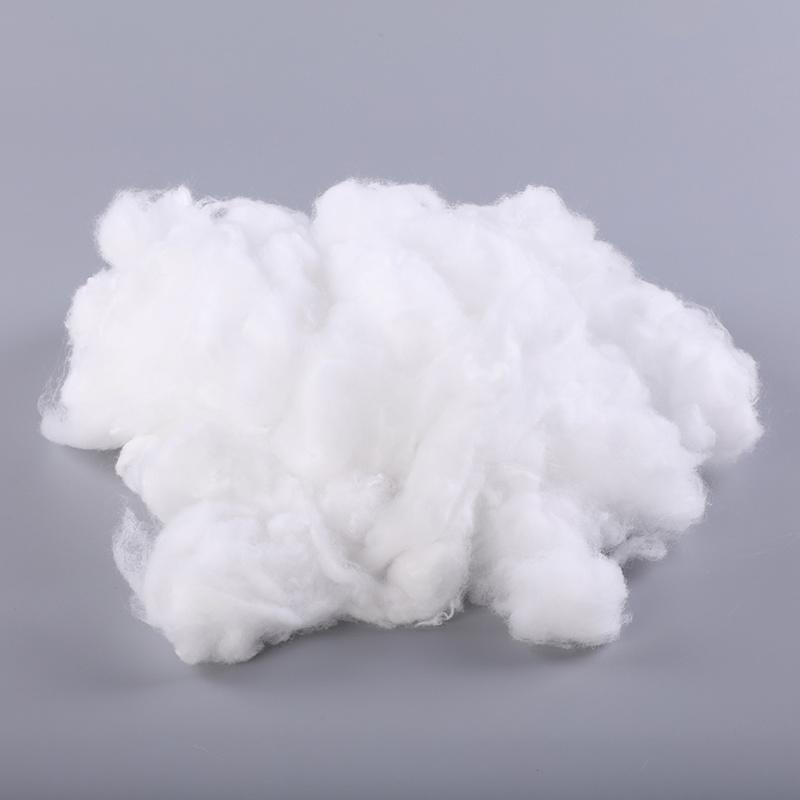
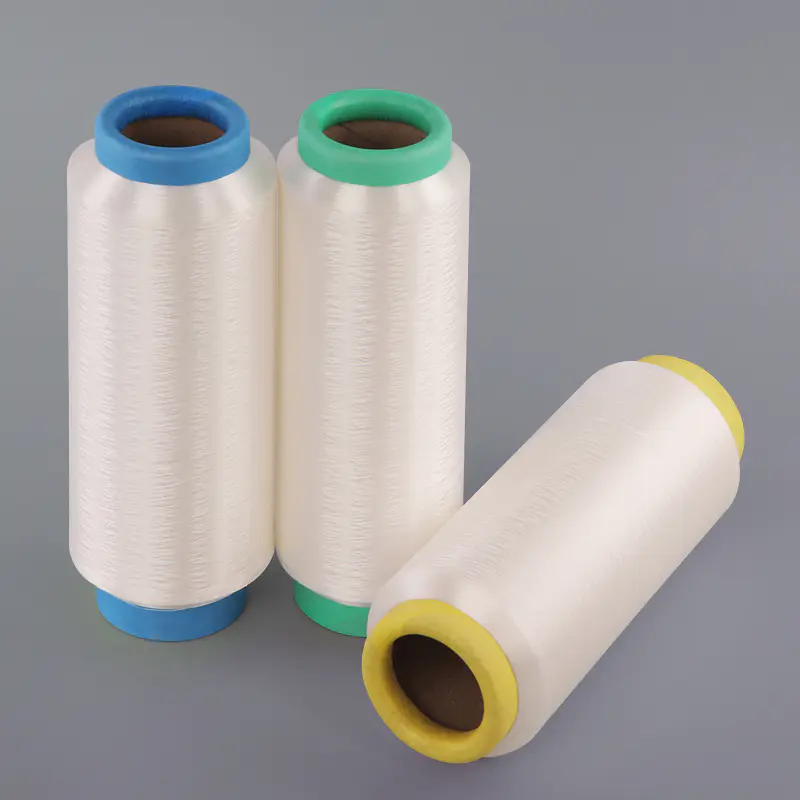
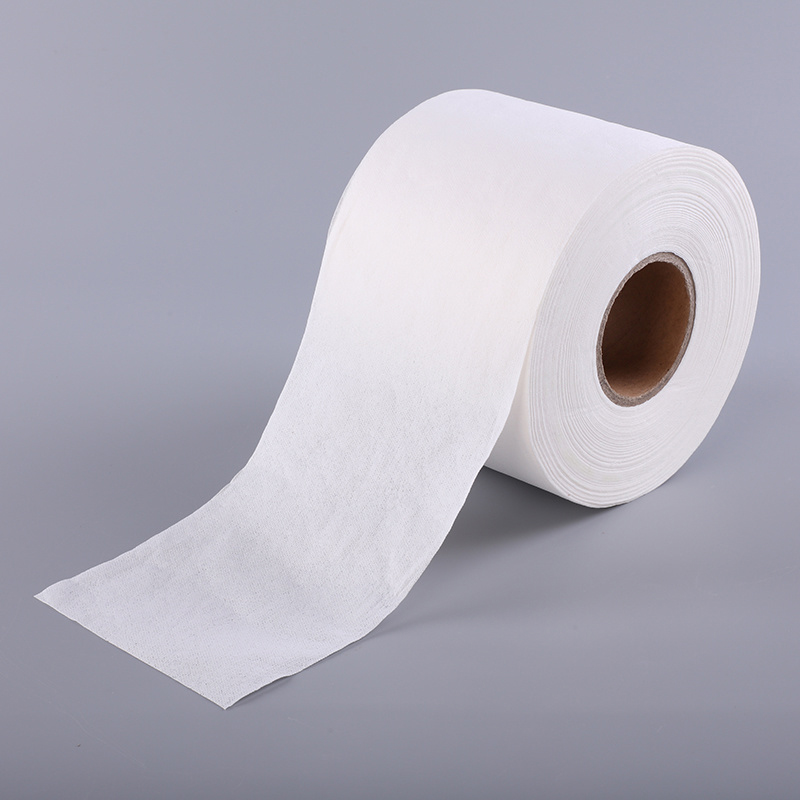
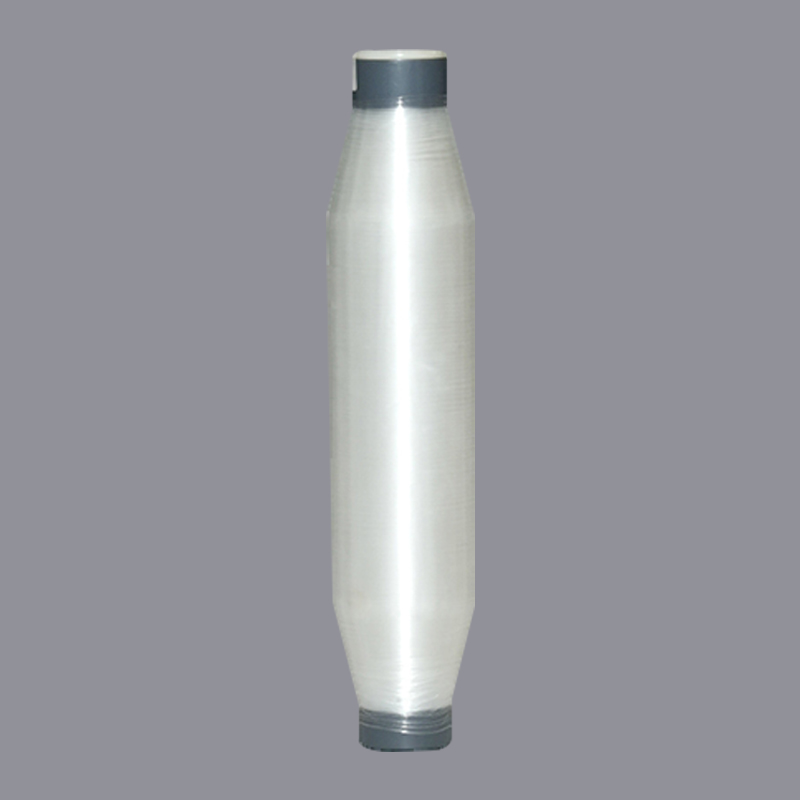
It is made with Bio-base PLA, fully biodegradable Feature: 1. Industrial compost product 2. Made with PLA 3. Eco-frie...
READ MORE
Content
The most eco-friendly yarn available today is Biodegradable Yarn made from PLA (Polylactic Acid), a plant-based fiber that returns to the earth through industrial composting instead of persisting as plastic waste for decades. Compared with cotton, recycled polyester, and other so-called green fibers, PLA-based biodegradable yarn is the only mainstream option that combines a renewable raw material, a verified end-of-life composting pathway, and performance suitable for apparel, home textiles, and technical products.
Before comparing specific fibers, it helps to define the standard a yarn must meet to be considered genuinely sustainable. Industry sustainability frameworks generally evaluate textile fibers against four factors.
Judged against these four criteria, PLA-based Biodegradable Yarn scores well across the board, which is why it has become a preferred substitute for conventional polyester in sustainability-driven product lines.
The table below compares the raw material origin and end-of-life outcome for the fiber types most often marketed as sustainable. General fiber category information reflects common industry classifications used by organizations such as Textile Exchange and the European Bioplastics association.
| Fiber Type | Raw Material | End of Life | Typical Processing Load |
|---|---|---|---|
| PLA Biodegradable Yarn | Corn starch or sugarcane (renewable) | Industrial compostable | Lower dyeing temperature |
| Organic Cotton | Plant based (renewable) | Biodegradable in soil | High water use |
| Recycled Polyester | Reprocessed petroleum plastic | Does not biodegrade | Moderate, avoids virgin resin |
| Conventional Polyester | Virgin petroleum | Persists for decades | Higher dyeing temperature |
PLA fiber is produced by fermenting plant sugars into lactic acid and then polymerizing it into a fiber-grade resin. This gives Biodegradable Yarn several practical advantages that set it apart from other eco-labeled materials.
Compostability claims for PLA materials are typically evaluated against two internationally recognized frameworks. ASTM D6400, maintained by ASTM International, sets the requirement for labeling a material compostable in industrial facilities across North America. EN 13432, maintained by the European Committee for Standardization, defines the equivalent requirement across the European Union. Both standards call for the material to break down into carbon dioxide, water, and biomass within a defined window under controlled industrial composting conditions.
PLA fiber accepts dye at a meaningfully lower temperature than conventional polyester, which reduces the energy needed during the dyeing and finishing stages of textile manufacturing and shortens the production cycle.
The lactic acid structure within PLA fiber naturally resists bacterial growth, which removes the need for additional chemical antibacterial treatments in hygiene-sensitive products such as intimate apparel and home textiles.
PLA fiber resists yellowing and strength loss under prolonged sunlight, making it suitable for outdoor textiles, shading fabric, and agricultural applications where synthetic alternatives often degrade faster than expected.
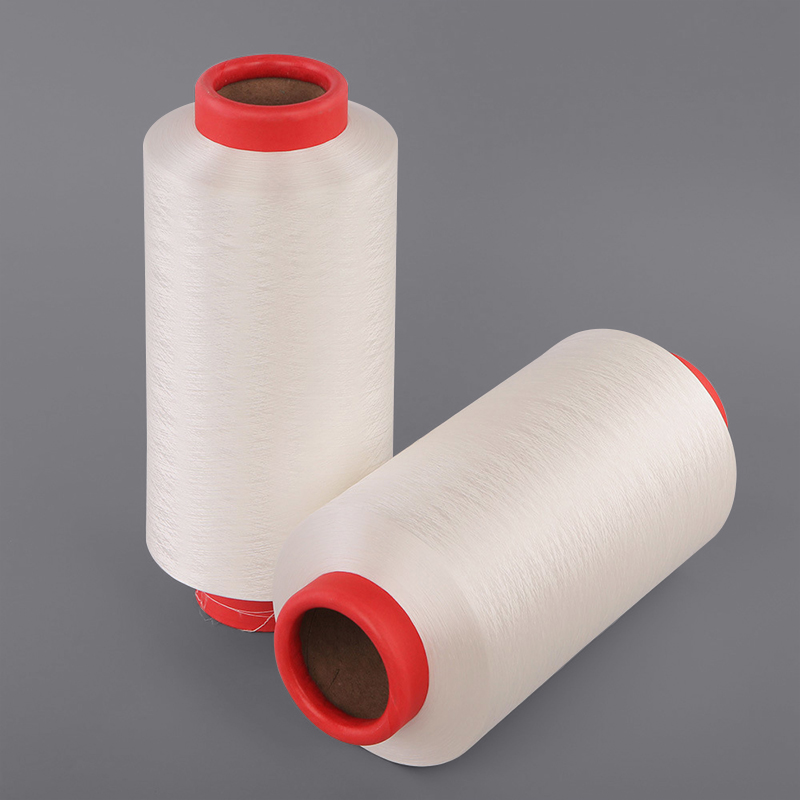
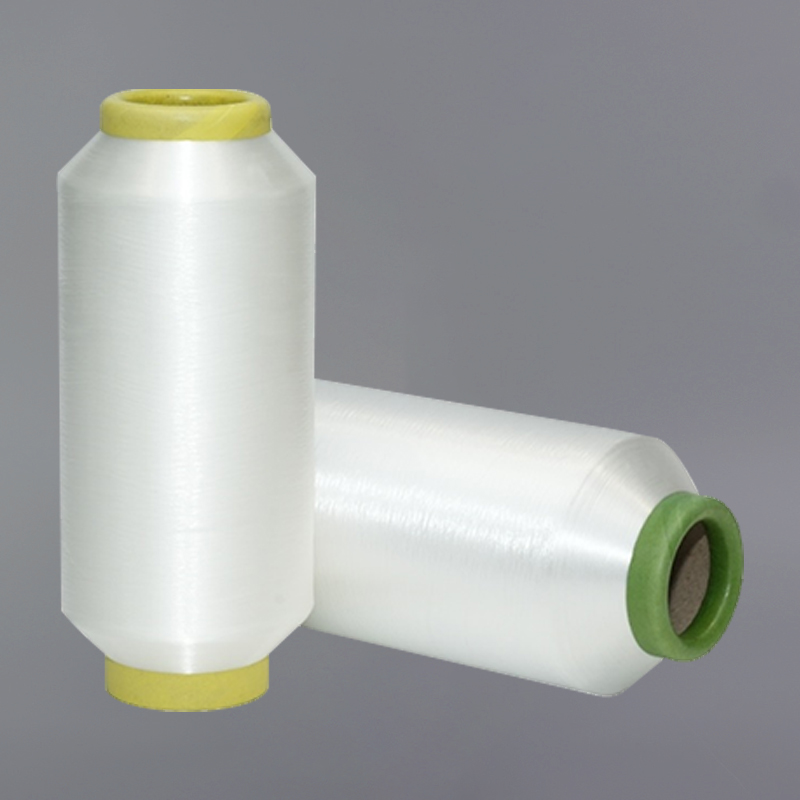
Biodegradable Yarn is manufactured in several forms to match different production methods, from spun staple fiber to continuous filament and industrial monofilament.
| Product Form | Best Suited Applications |
|---|---|
| Staple Fiber | Activewear linings, pillow and mattress filling, nonwoven wipes |
| Filament Yarn | Fine woven or knitted fabric, embroidery thread, eco-fashion apparel |
| Non Woven Fabric | Face masks, wipes, compostable shopping bags, agricultural covers |
| Monofilament Yarn | Tea bag string, filtration mesh, agricultural netting, technical weaving |
Does biodegradable yarn break down in a home compost bin. Not reliably. PLA fiber requires the elevated temperature and humidity of an industrial composting facility to break down within the timeframe defined by ASTM D6400 and EN 13432, so it should be routed to a commercial composting stream rather than a backyard bin.
Is biodegradable yarn as strong as polyester. Standard grade PLA yarn offers tensile strength and elongation suitable for apparel, home textile, and many technical uses, though for extreme heat resistance or very high load applications conventional polyester may still outperform it.
Can biodegradable yarn be dyed in normal production lines. Yes. PLA fiber accepts disperse dyes and pigment masterbatching, and it typically processes at a lower dyeing temperature than conventional polyester without requiring new equipment.
When raw material renewability, verified compostability, processing energy, and real-world performance are all weighed together, PLA-based Biodegradable Yarn stands out as the most eco-friendly yarn category available for apparel, home textile, and technical textile production today. Its combination of a plant-based origin and an internationally certified end-of-life pathway gives brands a practical way to lower environmental impact without giving up fiber performance.

It is made with Bio-base PLA, fully biodegradable Feature: 1. Industrial compost product 2. Made with PLA 3. Eco-frie...
READ MOREPlease fill out the form below and our team will contact you as soon as possible.
Addres: No.66 Qiaogang Road, Haian, Nantong City, Jiangsu Province, China
E-mail: service@gcfiber.com admin@gcfiber.com
Copyright ? GC FIBER All Rights Reserved. Eco-Friendly Textile Products Manufacturer Biodegradable Yarn Company