English
 中文简体
中文简体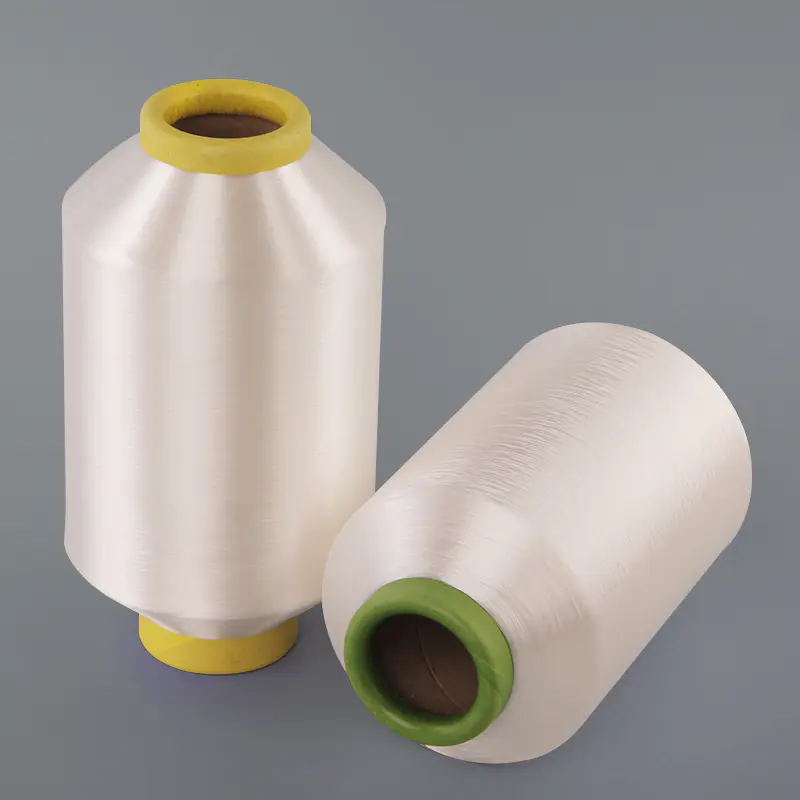
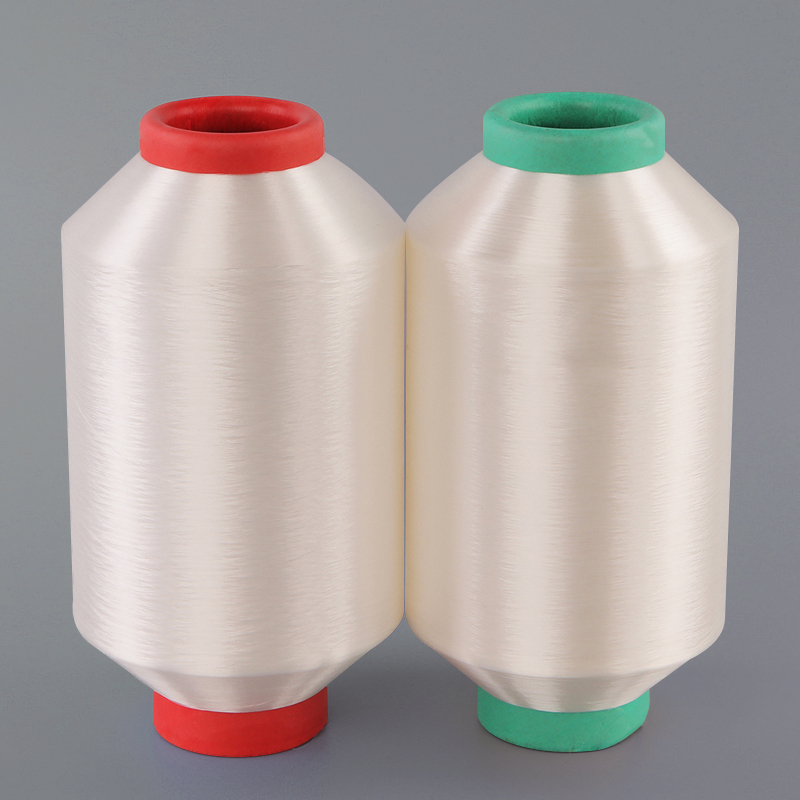
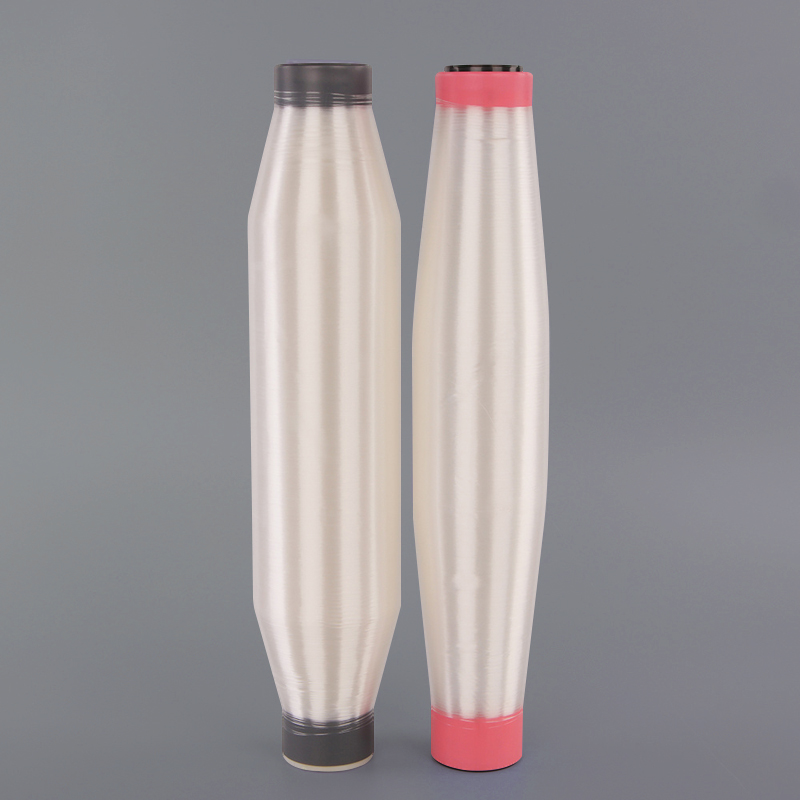
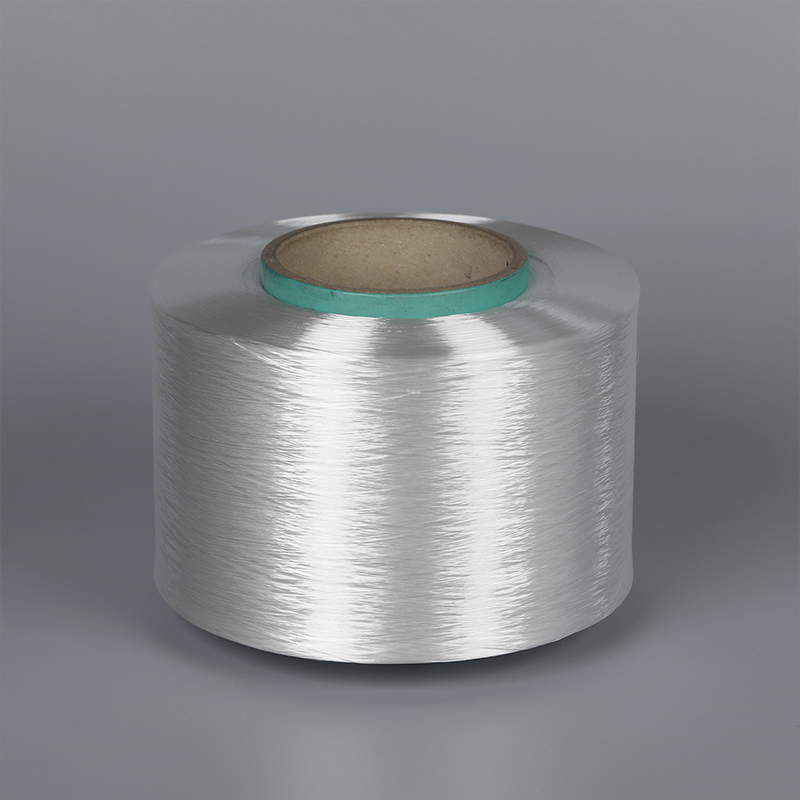
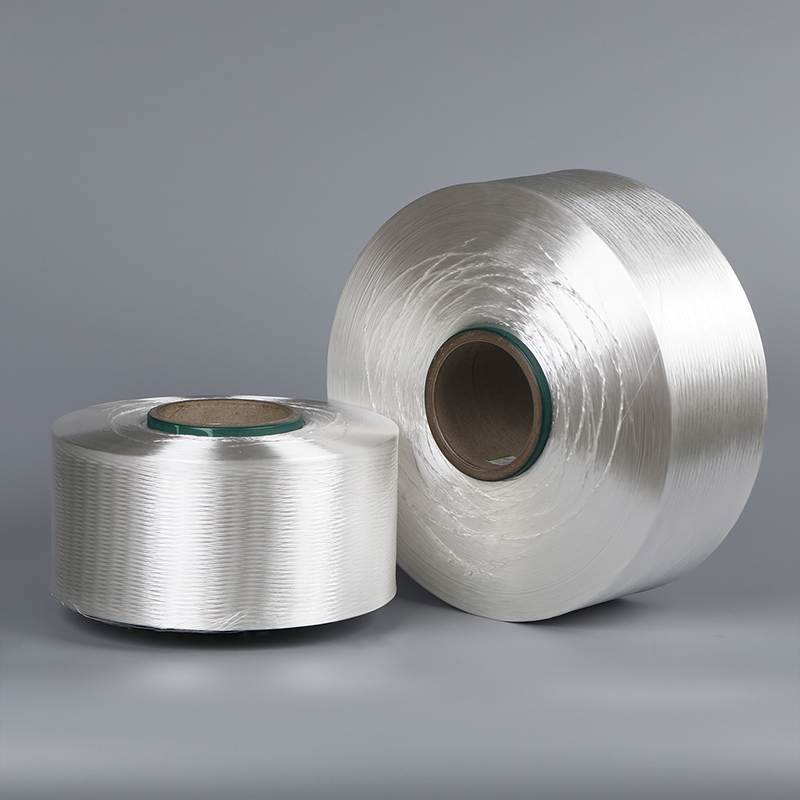
It is made with Bio-base PLA, fully biodegradable Feature: 1. Industrial compost product 2. Made with PLA 3. Eco-frie...
READ MORE
Content
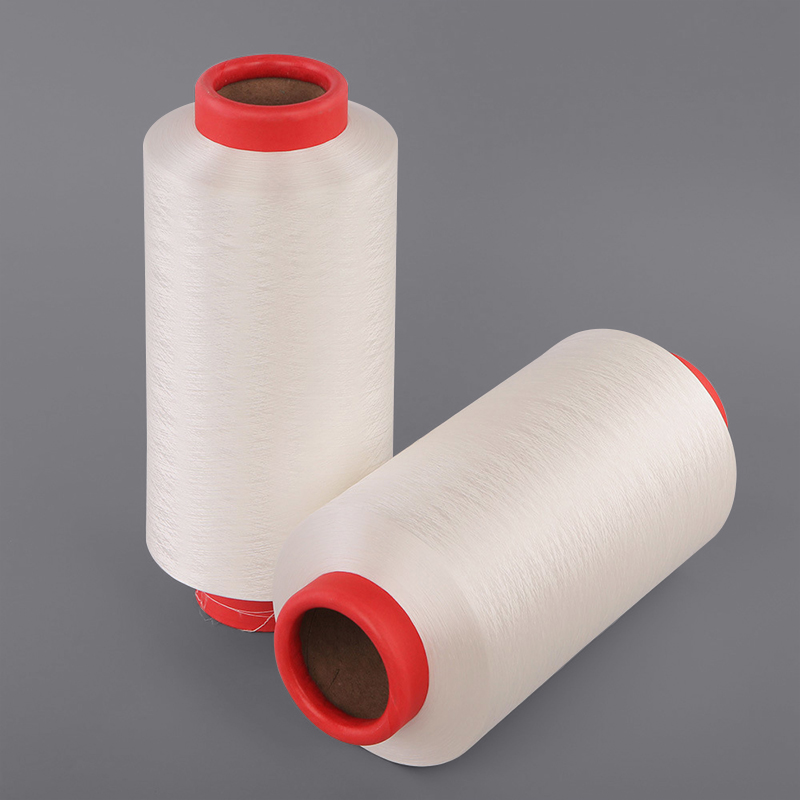
Thermal Bonding Yarn is a heat activated fiber that softens and melts at a set temperature, typically between 80 degrees Celsius and 130 degrees Celsius, then re solidifies on cooling to permanently join fabric layers, seal edges, or lock core fibers in place without any liquid glue. It works as a built in adhesive inside the yarn structure itself, so the bonding step happens directly on knitting, weaving, or heat pressing equipment rather than through a separate gluing process.
Because the melting point is engineered rather than natural, manufacturers can select a Thermal Bonding Yarn that activates safely below the melting range of the base fabric, which protects delicate fibers such as spandex, fine nylon, or lightweight polyester from heat damage while still forming a strong, durable joint.
The yarn is spun from a modified polyester or nylon polymer with a lowered crystalline melting point. During processing, controlled heat from a steam chamber, hot air oven, or heated calender roller brings the yarn to its activation temperature. The polymer surface turns viscous, flows into the surrounding fiber structure, and then hardens again as the material cools, creating a fixed mechanical and chemical bond.
| Stage | What Happens | Typical Condition |
| Heating | Yarn reaches its designed melting point and begins to soften | Steam press, hot air tunnel, or heated roller |
| Flow and Contact | Molten polymer spreads across adjoining fibers or fabric layers | Light pressure applied during pressing or calendering |
| Cooling and Set | Polymer re-solidifies, locking fibers into a fixed bond | Ambient cooling or chilled roller contact |
Not every job needs the same activation temperature or fiber base. Selecting the right type keeps the bond strong while protecting sensitive materials from heat exposure.
| Type | Melting Point | Best Suited For |
| Pure Nylon (Copolyamide) | 85 degrees C or 110 degrees C | Seamless underwear, lace, lingerie ribbon, elastic trims |
| Pure Polyester (Low Melt PET) | 110 degrees C | 3D knitted structures, chenille cores, industrial ropes |
| Sheath Core Polyester | 110 degrees C sheath, high melt core | Fine deniers where the fabric must stay flexible after bonding |
| Shoe Upper Grade Polyester | 110 degrees C | Flyknit and 3D knitted shoe uppers, sports mesh |
Because the activation window can be tuned by fiber composition, Thermal Bonding Yarn shows up across a wide range of finished goods, from intimate apparel to technical footwear components.
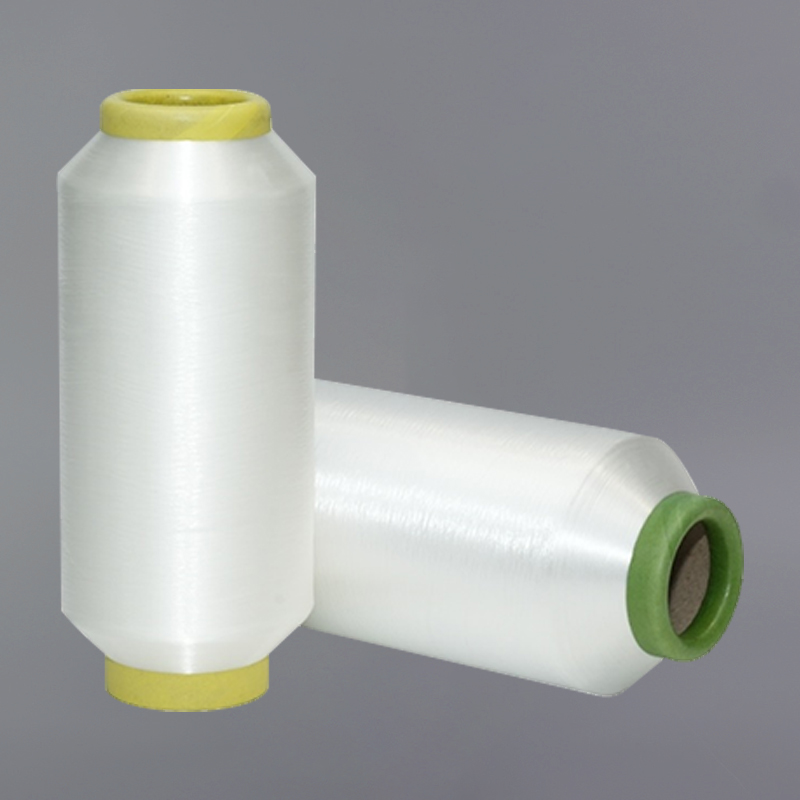
Below is a selection of Thermal Bonding Yarn options, each engineered around a specific fiber base, melting point, and denier range so that processors can match the yarn to their fabric and their heat setting equipment.
Choosing between 85 degrees C and 110 degrees C mainly depends on what sits next to the yarn during processing. A lower activation point such as 85 degrees C is gentler on stretch fibers like spandex, so it fits seamless underwear and fine lace. A higher point such as 110 degrees C suits structural jobs like 3D flyknit shoe uppers or ropes, where the bond needs to survive later steam setting steps performed on the rest of the garment.
| Question | Practical Guidance |
| Which equipment can activate the yarn | Steam presses, hot air tunnels, heated calenders, and industrial ovens all work, provided the temperature is controlled precisely |
| Does it replace all fabric glue | In most bonding, edge sealing, and core locking jobs yes, though heavy structural lamination may still combine yarn bonding with mechanical stitching |
| How is quality checked | Peel strength testing and wash durability cycles are the standard checks used by textile mills before bulk production |
Manufacturing data referenced above reflects standard processing ranges reported by textile fiber producers for copolyamide and low melt polyester yarns.
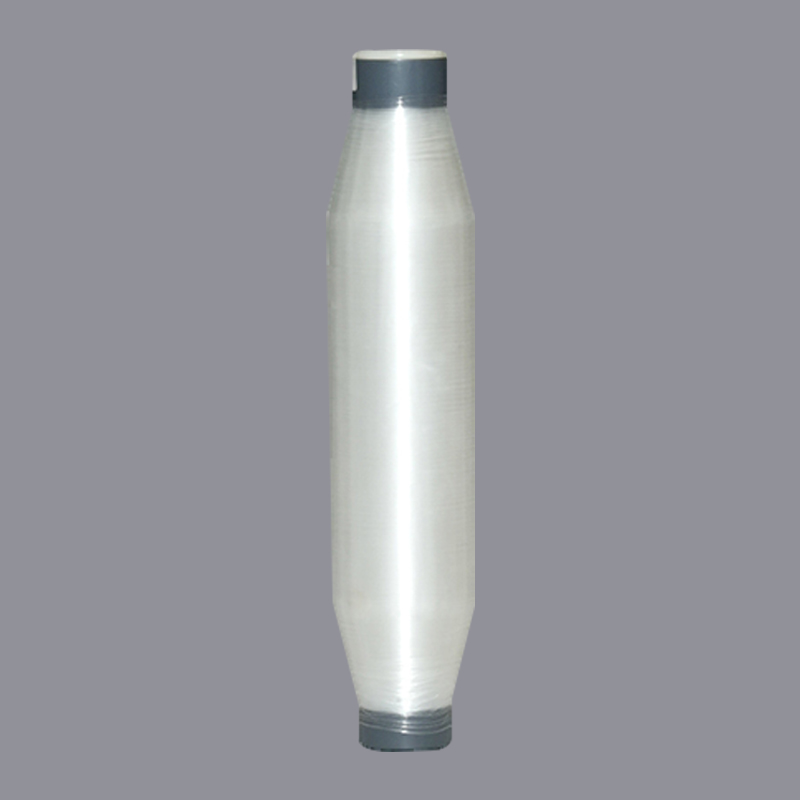
It is made with Bio-base PLA, fully biodegradable Feature: 1. Industrial compost product 2. Made with PLA 3. Eco-frie...
READ MOREPlease fill out the form below and our team will contact you as soon as possible.
Addres: No.66 Qiaogang Road, Haian, Nantong City, Jiangsu Province, China
E-mail: service@gcfiber.com admin@gcfiber.com
Copyright ? GC FIBER All Rights Reserved. Eco-Friendly Textile Products Manufacturer Biodegradable Yarn Company