English
 中文简体
中文简体
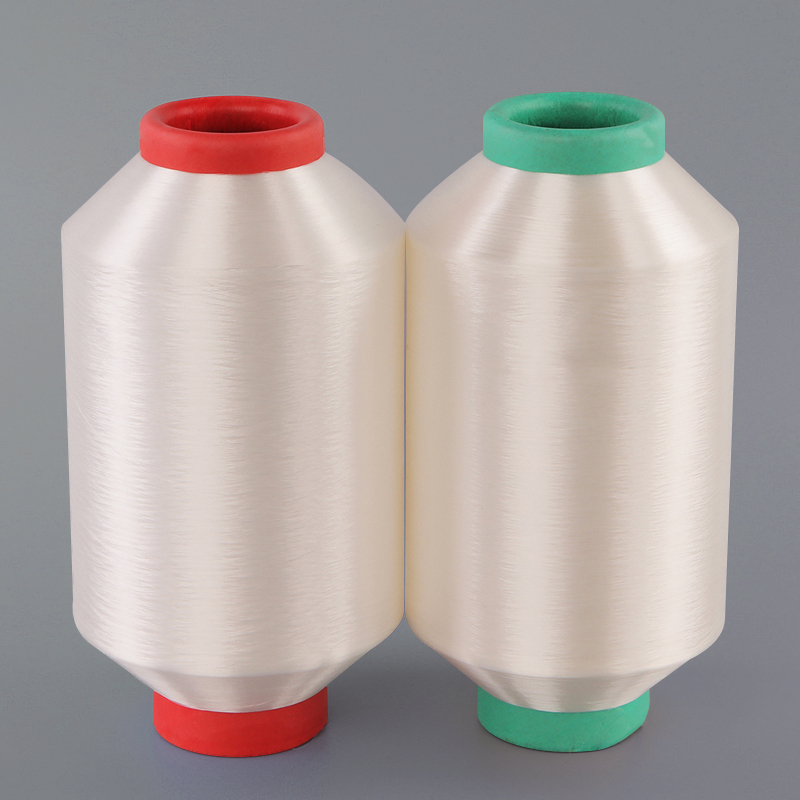
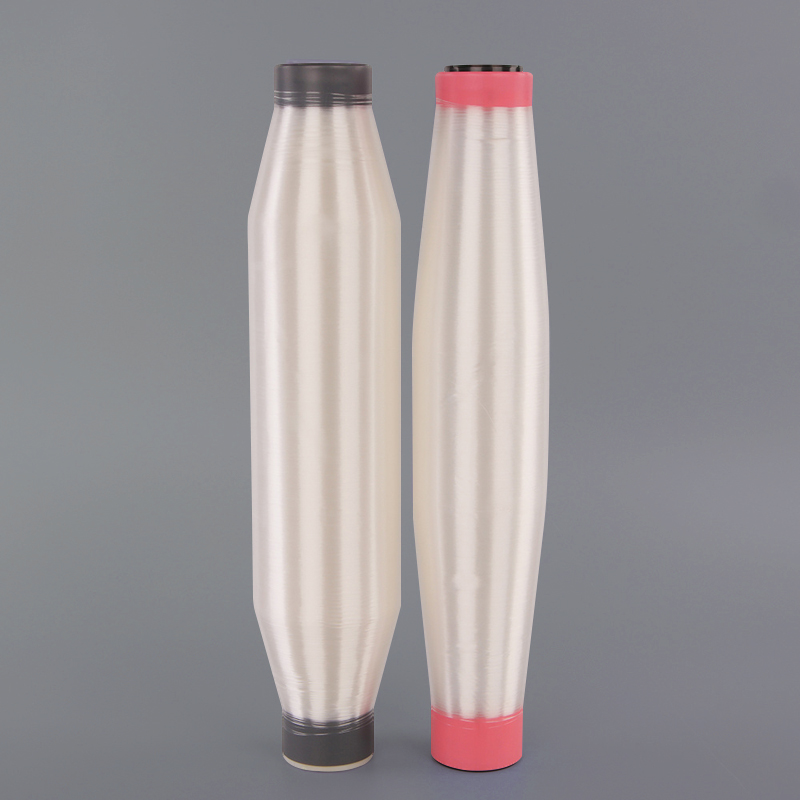
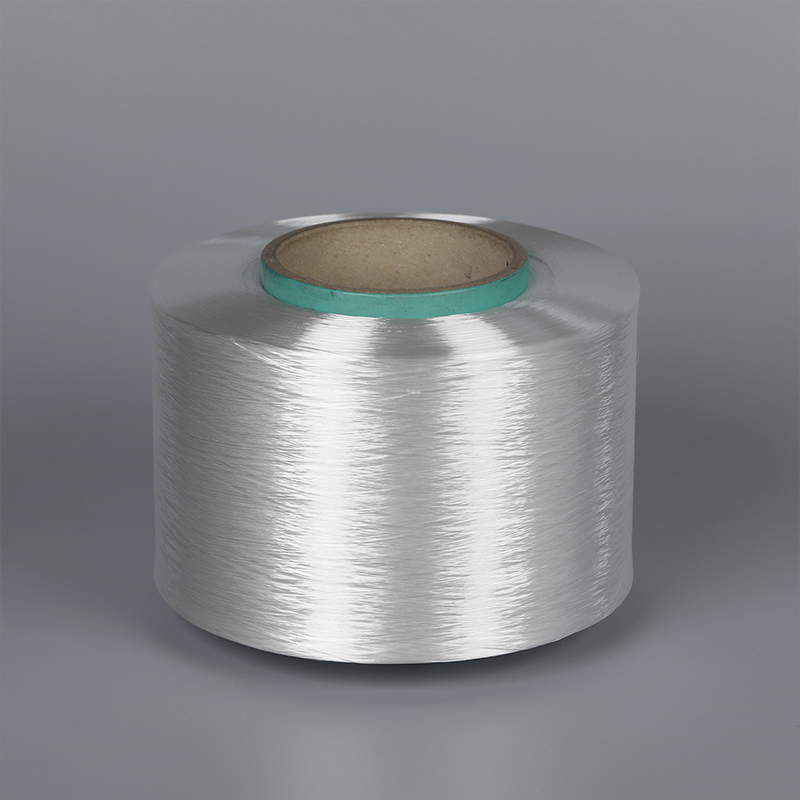
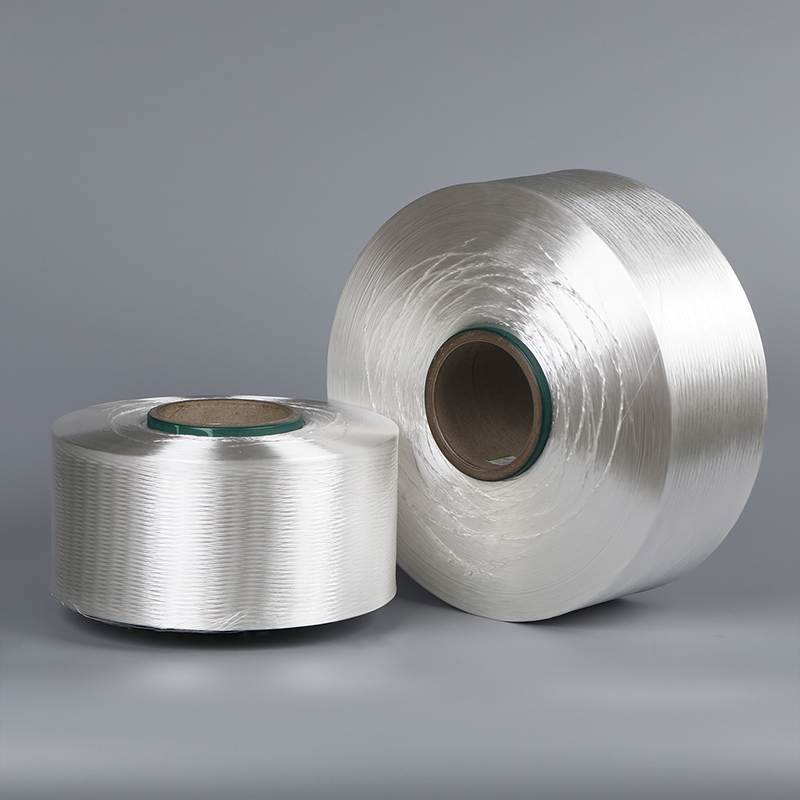
It is made with Bio-base PLA, fully biodegradable Feature: 1. Industrial compost product 2. Made with PLA 3. Eco-frie...
READ MORE
Content
Fusible Thread is used to bond fabric layers, seal edges, and hold fibers in place with heat alone, replacing liquid glue in seven core textile jobs: seamless underwear construction, lace and ribbon edge sealing, chenille yarn core fixing, 3D knitted fabric shaping, shoe upper lamination, rope and cable wire sealing, and bonded sewing thread work. Each job pairs a specific melting point with a specific fiber type, and matching the two correctly is what determines whether a bond holds up through washing and daily wear.
Before going into detail, the table below lines up each use case with the melting point and fiber base that manufacturers commonly select for it. This information reflects product specification pages published by GC FIBER for its low melting yarn range.
| Use Case | Recommended Melt Point | Typical Fiber Base |
|---|---|---|
| Seamless underwear | 85 degrees C | Nylon |
| Lace and ribbon bonding | 85 to 110 degrees C | Nylon or polyester |
| Chenille yarn core fixing | 110 degrees C | Polyester |
| 3D knitted fabric shaping | 110 degrees C | Polyester or sheath-core polyester |
| Shoe upper lamination | 110 degrees C | Polyester, purpose-built |
| Rope and cable wire sealing | 85 to 110 degrees C | Nylon or polyester |
| Bonded sewing thread | 85 to 110 degrees C | Nylon or polyester |
In seamless underwear, thread that melts at a low 85 degrees C is chosen so it activates without stressing spandex or fine elastic fibers nearby. Once heated, it fuses panel edges together so there is no raised seam against the skin, which is the entire point of a seamless garment. The lower activation point matters here because stretch fibers lose their recovery if pushed past their own heat tolerance during the bonding step.
Lace trims and narrow ribbons fray easily once cut, so manufacturers run the raw edge past a heat source to melt the thread woven into the border. This locks the edge without adding a folded hem, which would make delicate lace bulky. Because lace is often layered with other soft-touch materials, an 85 to 110 degree C range keeps the bonding step gentle enough not to stiffen the surrounding fabric.
Chenille yarn is built from short pile fibers wrapped around a core, and without something holding that core tight, the pile sheds constantly. A polyester thread melting around 110 degrees C is fed in as part of the twisting process, then heat-set so it locks the pile fibers to the core permanently. This is one of the most common industrial uses because it solves a shedding problem that is otherwise very hard to engineer around.
Three-dimensional knitted fabrics rely on internal bonding points to hold their raised or layered structure after they come off the knitting machine. A sheath-core polyester thread is often used here specifically because only the outer layer melts at 110 degrees C while the inner core stays solid, so the fabric gains structure without going stiff or brittle. This bi-component approach is described in GC FIBER's specification for its sheath-core polyester product line.
Modern knit and mesh shoe uppers are laminated in layers, and a thread activating at 110 degrees C is used because it sits well below the roughly 260 degree C melting point of standard polyester, so it will not scorch or distort the surrounding mesh. This gives footwear manufacturers a repeatable bonding window across synthetic mesh, knit fabric, and nonwoven lining without extra adhesive layers.
Ropes and cable wire sheathing both need a way to lock fiber bundles together at the surface so strands do not loosen or separate under repeated tension. Fusible thread melted into the outer wraps solidifies on cooling and holds the bundle in a fixed shape, adding durability without changing the flexibility of the rope core.
Bonded sewing thread uses the same heat-activation principle at the stitch level. As the thread passes through a heated needle or press, it partially melts and re-solidifies inside the stitch, locking the seam so it resists loosening on high-speed industrial machines. This method is commonly paired with both nylon and polyester bases depending on how the finished seam needs to feel and stretch.
The fiber base changes the feel and performance of the final bond as much as the melting point does. The list below summarizes what each base tends to offer, based on the product characteristics listed on GC FIBER specification pages.
GC FIBER manufactures a full range of low melting yarns covering the melting points and fiber bases discussed above.
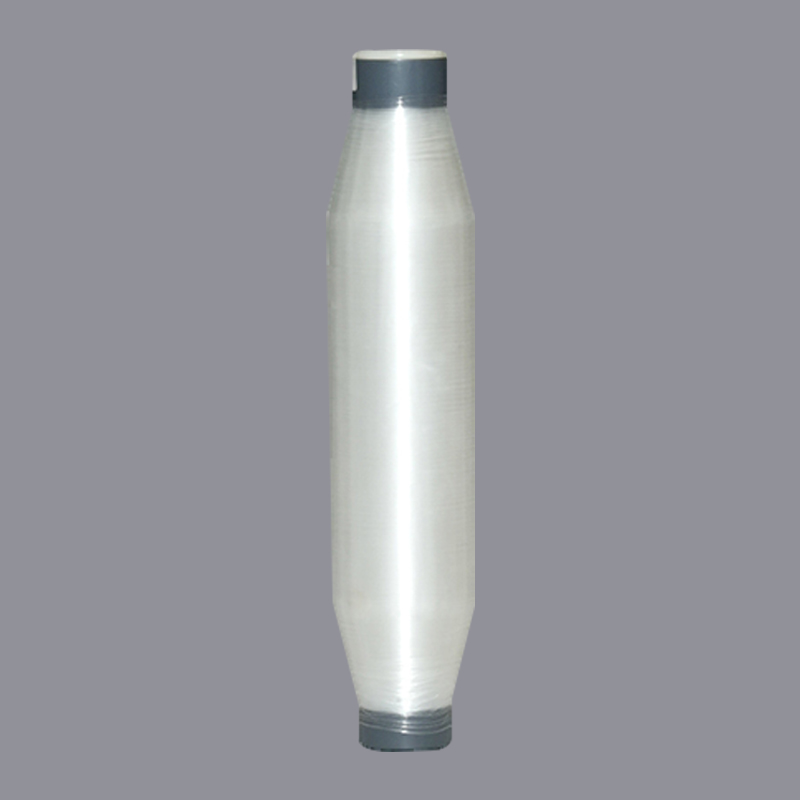
It is made with Bio-base PLA, fully biodegradable Feature: 1. Industrial compost product 2. Made with PLA 3. Eco-frie...
READ MOREPlease fill out the form below and our team will contact you as soon as possible.
Addres: No.66 Qiaogang Road, Haian, Nantong City, Jiangsu Province, China
E-mail: service@gcfiber.com admin@gcfiber.com
Copyright ? GC FIBER All Rights Reserved. Eco-Friendly Textile Products Manufacturer Biodegradable Yarn Company