 English
 中文简体
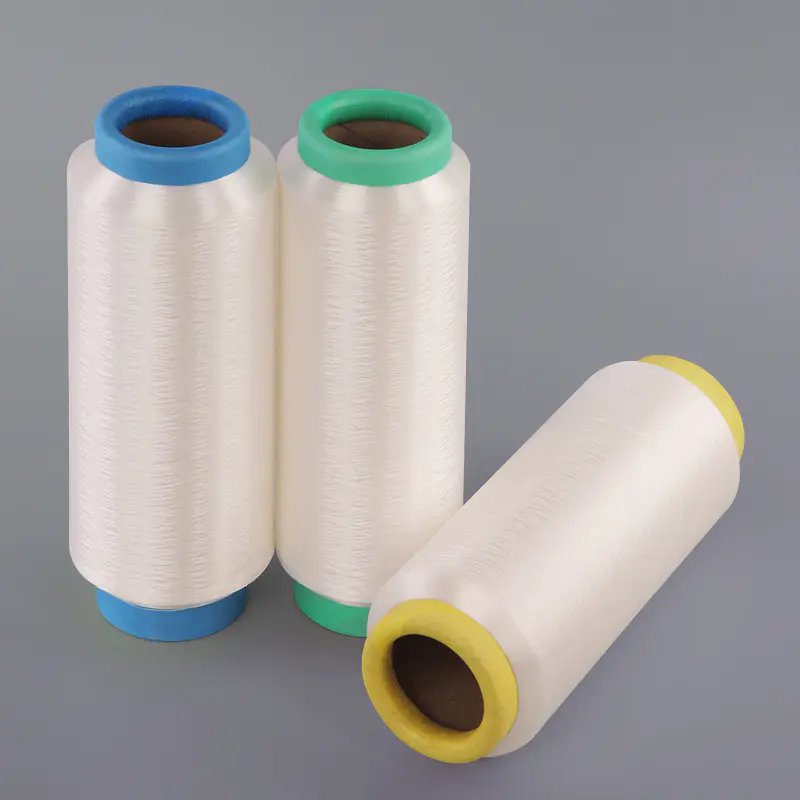
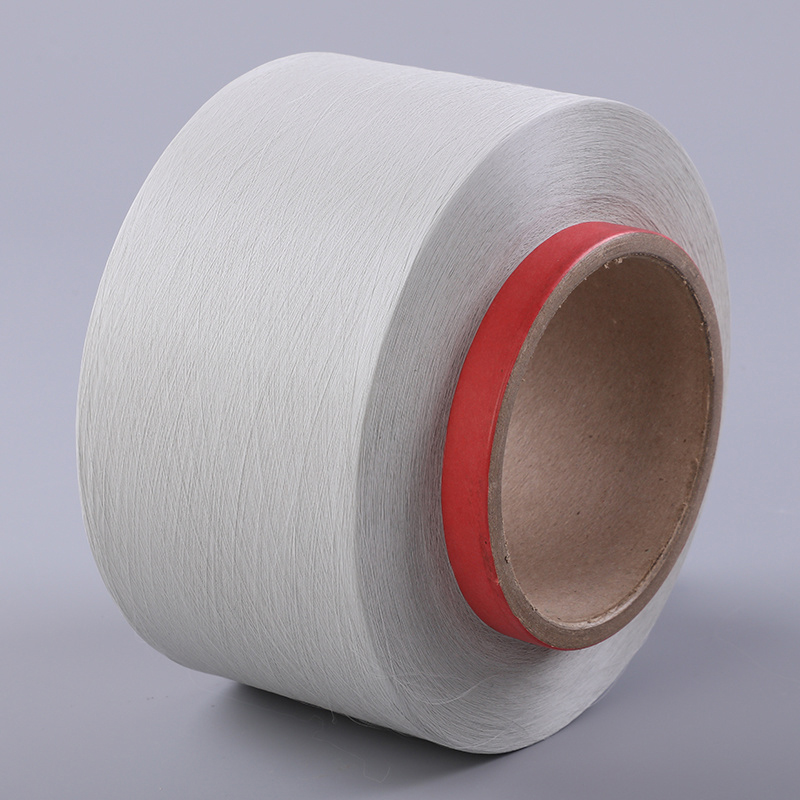
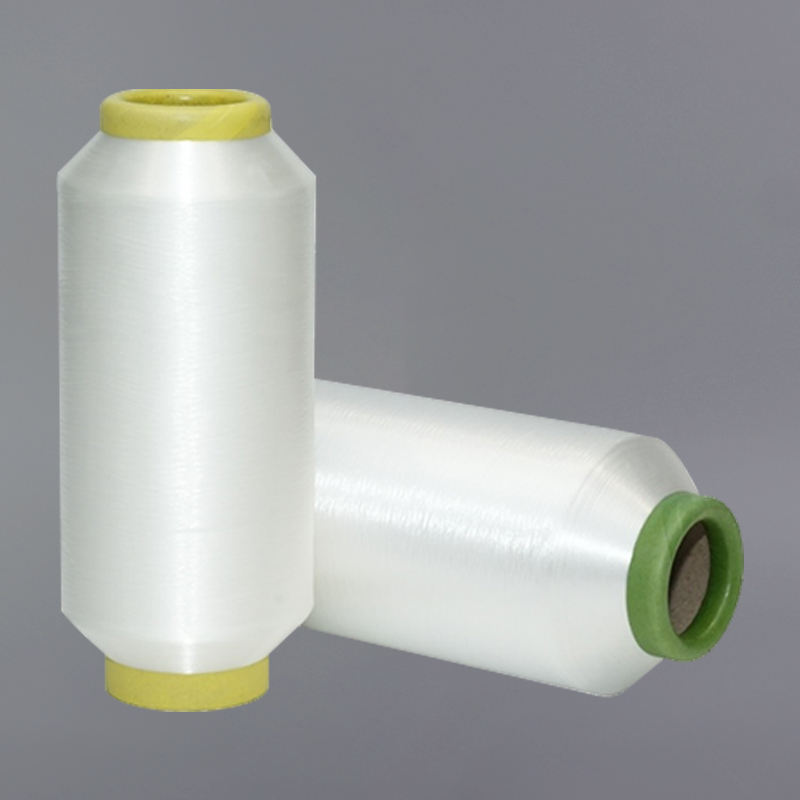
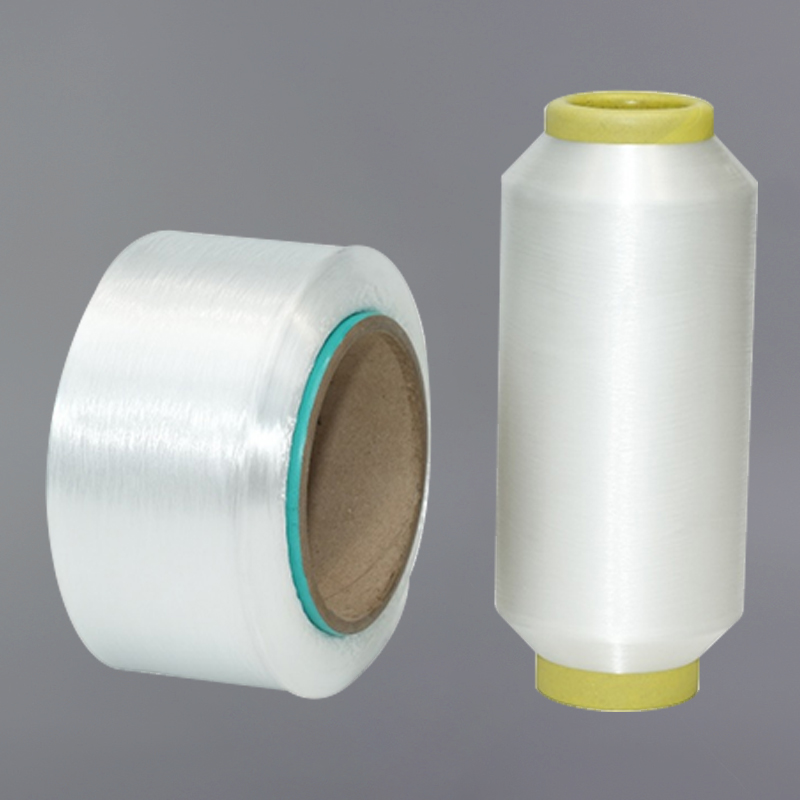
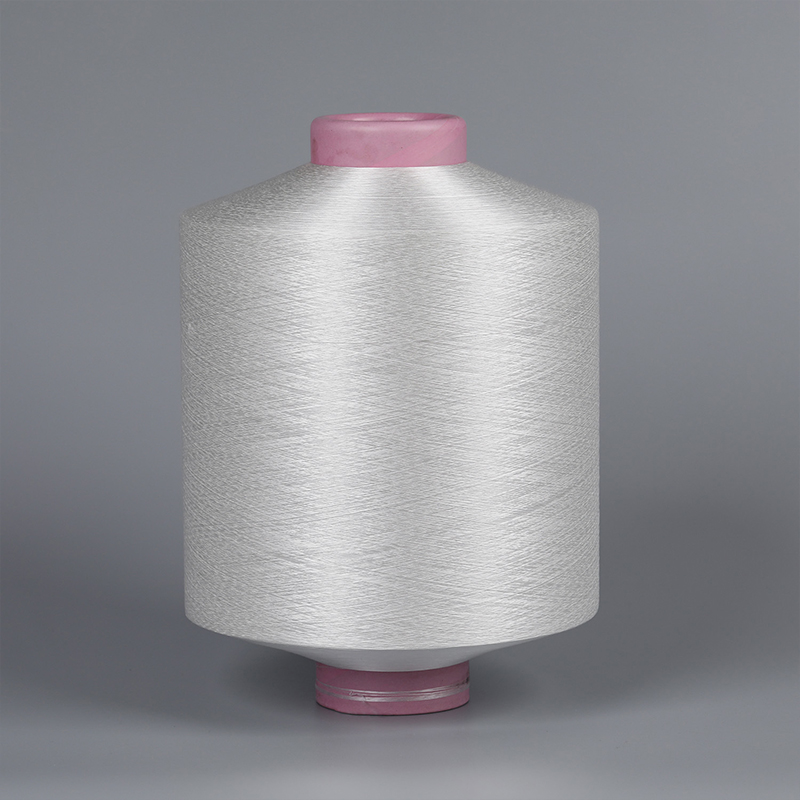


Specification
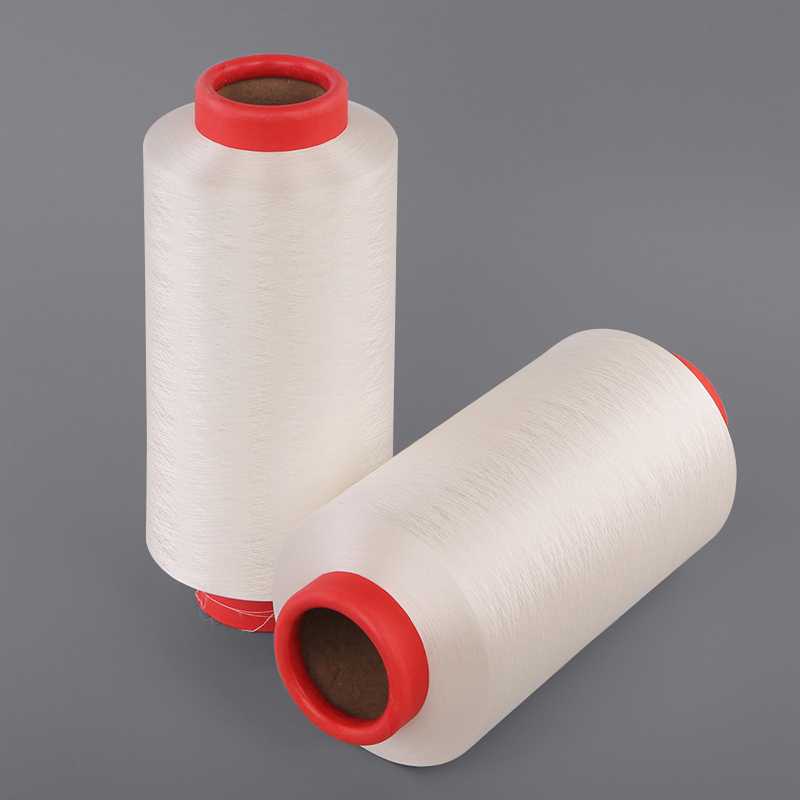
| Item | Typical Range |
|---|---|
| Total Yarn Denier | 20D - 150D |
| Filament Fineness | Often below 1 denier per filament (microfilament range) |
| Filament Count | High, relative to total denier |
| Fiber Type | Polyester or Nylon microfilament |
| Hand Feel | Very soft, silk-like |
| Packaging | Dyeing tube or paper cone, customizable |
Filament count and total denier are matched to the target fabric weight, since a fabric meant for sheer apparel and one meant for dense downproof shells call for different filament packing even at a similar total denier.
Applications
- High-density downproof fabric: tighter possible weave helps hold down and feathers inside the shell.
- Sheer and lightweight apparel lining: fine filaments keep the fabric light without feeling thin or rough.
- Artificial suede and microfiber base fabric: common starting material before further napping or splitting treatment.
- High-count fine weave shirting: supports a smooth, dense fabric surface at low fabric weight.
- Wipe and filtration nonwovens: high filament surface area improves particle capture and absorbency.
Advantages
- Softer hand feel: more filament surface contact per total denier gives a noticeably smoother touch.
- Denser possible weave: higher filament count supports tighter, more cover-rich fabric construction.
- Better drape: fine filaments let lightweight fabric fall and move more naturally.
- Silk-like luster: finer filaments scatter light differently, giving a softer sheen than coarser yarn.