 English
 中文简体
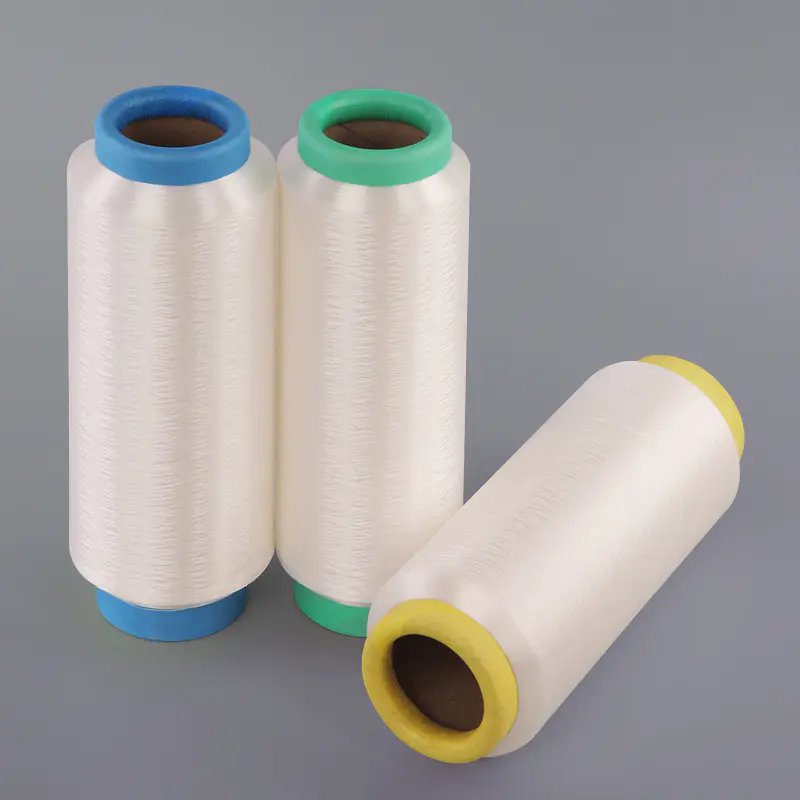
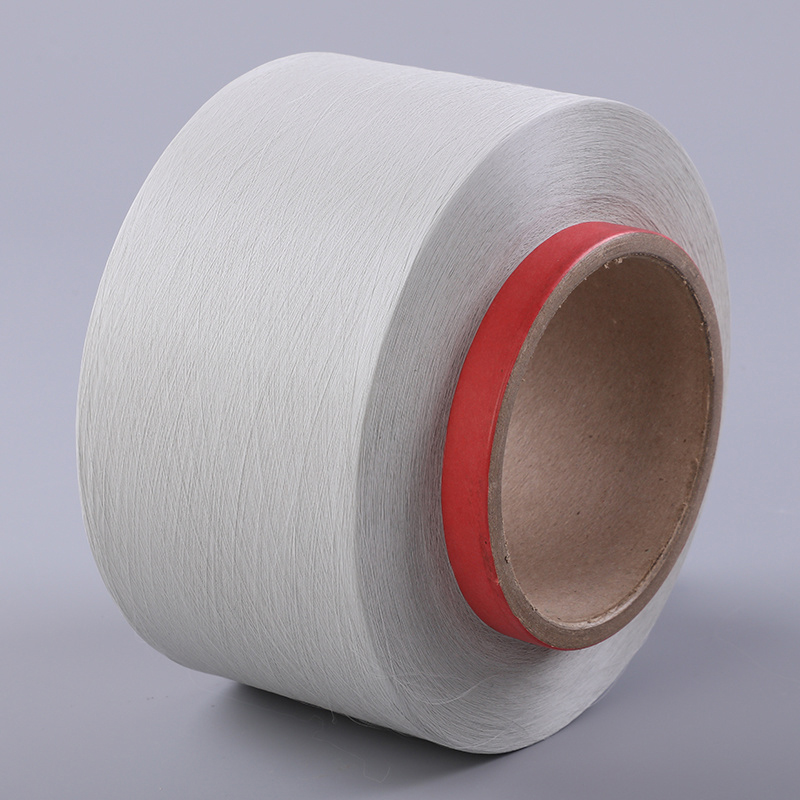
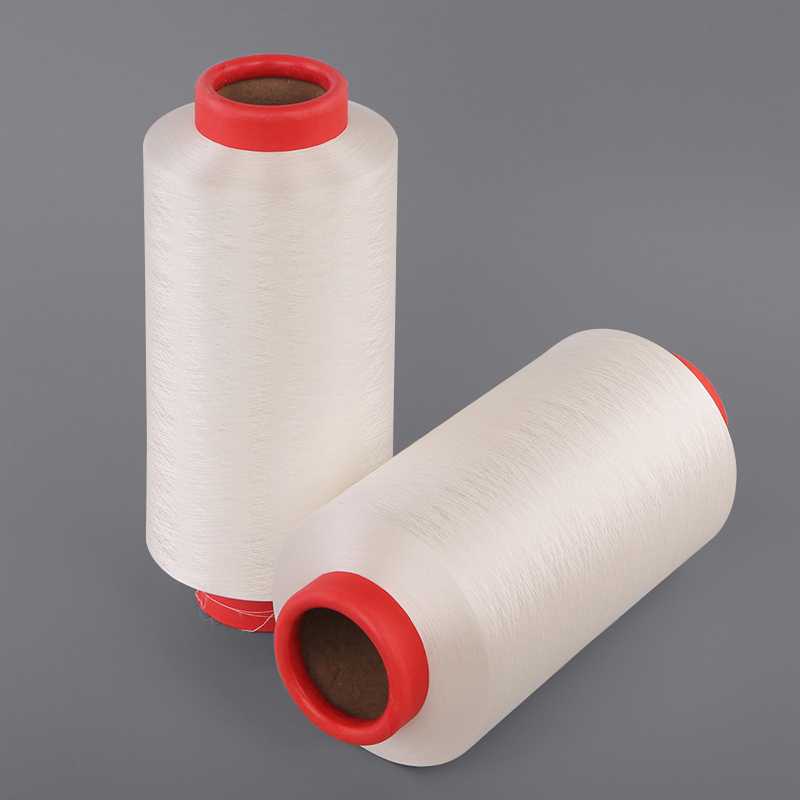
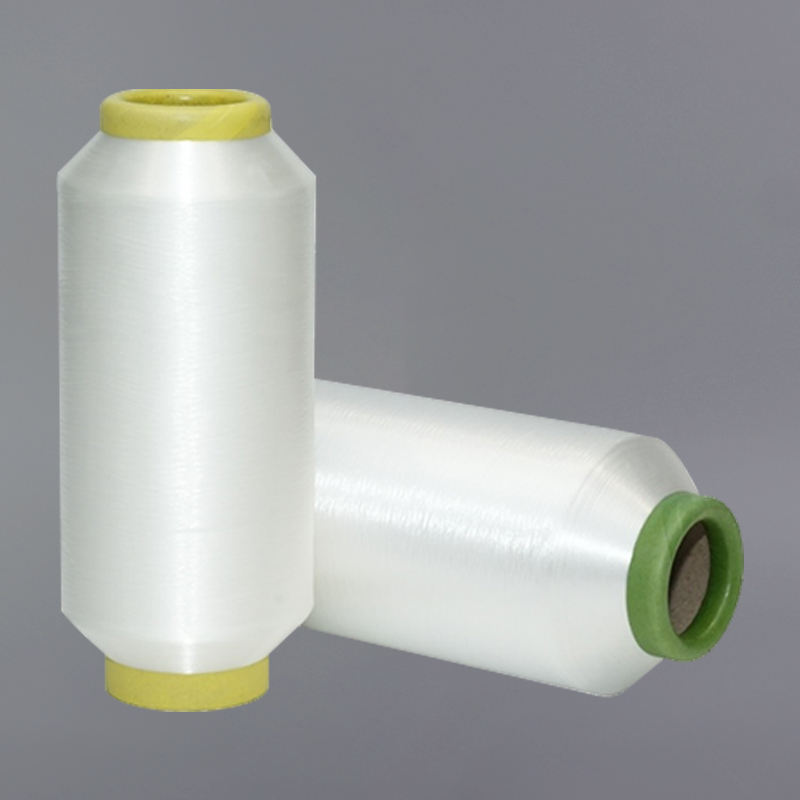
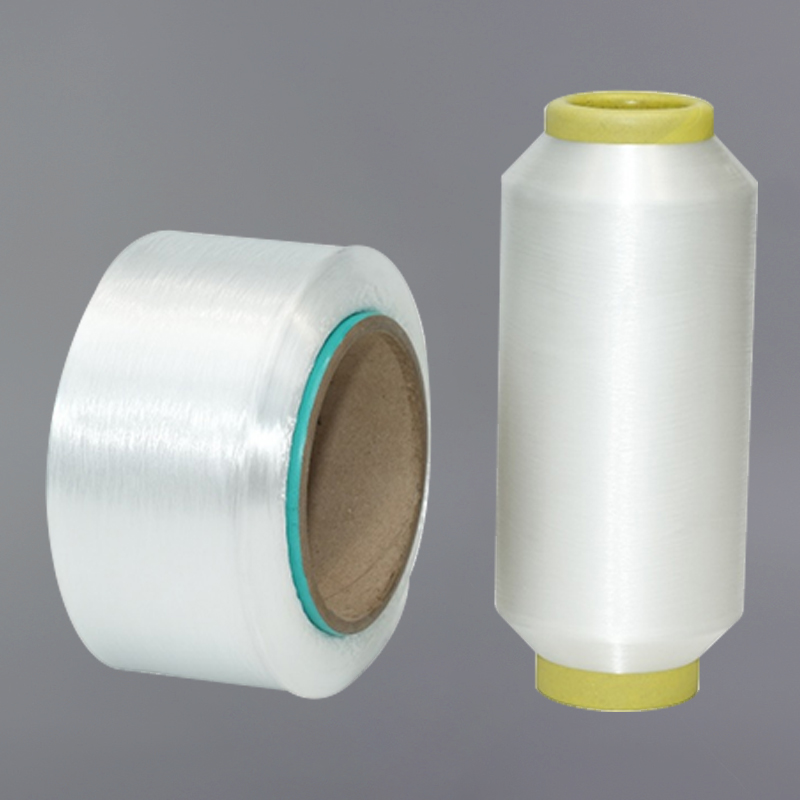
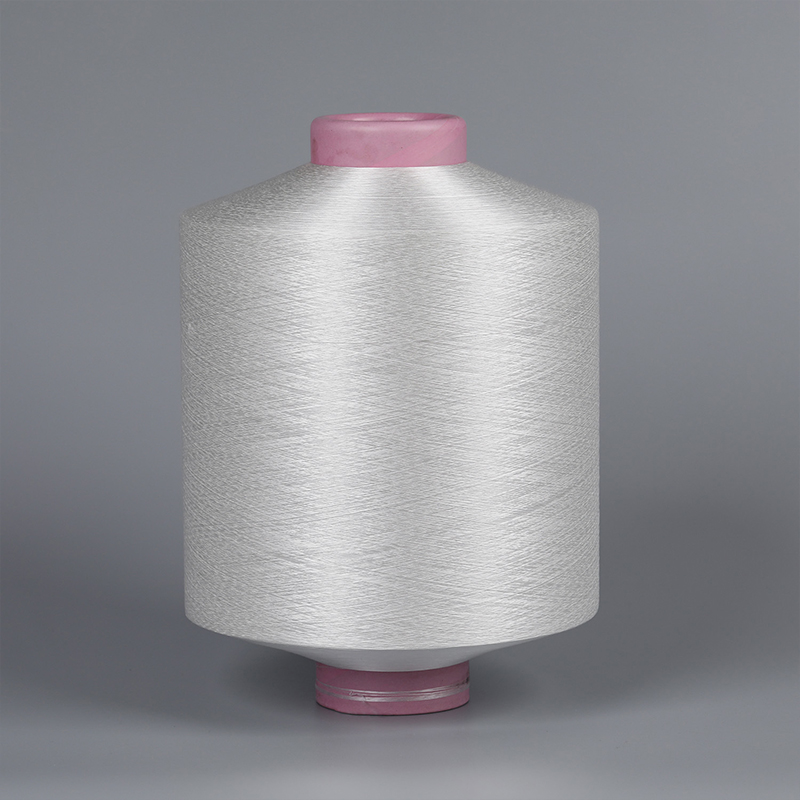


| Composition | 100% polyester (PET) filament |
| Denier Range | 50D - 1200D, common counts 75D, 100D, 150D, 300D |
| Filament Count | 24F - 288F depending on denier and fabric hand feel target |
| Luster | Semi-dull, full dull, or bright, per fabric surface requirement |
| Tenacity | 4.0 - 5.5 cN/dtex |
| Boiling Water Shrinkage | Less than 8%, tested per batch |
| Color | Raw white standard; dope dyed and cationic dyeable options available |
| Standard Packaging | 1.5kg - 3kg per cone, network bag wrapped, palletized for export |
| Minimum Order | 1 ton per denier and luster combination |
| Certification | ISO 9001 factory, OEKO-TEX Standard 100 available on request |
Applications
- Woven apparel fabric used as warp or weft in poplin, taffeta, and satin constructions where fabric needs a smooth, stable surface.
- Sewing thread base filament supplies the raw filament that thread mills twist and finish into core-spun or polyester sewing thread.
- Narrow fabric and webbing gives strap, ribbon, and elastic tape producers a filament with predictable tensile properties for narrow looms.
- Warp knitting for lining fabric runs on tricot machines to produce garment lining and mesh fabric with a consistent hand feel.
- Home textile fabric used in curtain and upholstery base cloth where dimensional stability matters after repeated washing.
Advantages
- Ready to weave or knit skips the separate draw-texturizing step needed for partially oriented yarn, saving a processing stage on your side.
- Stable dimensions low and consistent shrinkage keeps finished fabric width and weight closer to target across the whole roll.
- Even dye uptake uniform molecular orientation reduces streaky or patchy dyeing compared with mixed-lot yarn.
- Wide denier and luster stock common counts ship fast, reducing the wait between order confirmation and loom start-up.
- Cost efficient for standard fabrics cuts out the added cost of separate texturizing when the end fabric does not need a textured or stretch yarn.