English
 中文简体
Made of PBS (Polybutylene Succinate), fully biodegradable.Features:1.Home compostable2.Raw material: PBS Polybutylene Su...
READ MORE
Content
If you are comparing ECDP with cationic dyeable polyester, start with this conclusion: ECDP is usually not a separate fiber family. It is a narrower, easier-dyeing grade within the cationic-dyeable polyester family. The practical question is not “cationic dyeable or not,” but how much dyeing latitude, color depth, energy savings, and process control the grade gives your dyehouse.
That distinction matters because “cationic dyeable polyester” is a broad label. Two suppliers can quote the same phrase and deliver fibers with different comonomer content, dye saturation, temperature response, and fastness. ECDP, or easy cationic dyeable polyester, normally signals a grade positioned for lower-temperature dyeing, brighter shades, or a softer hand. The label is a starting point, not a full specification.
Both ECDP and conventional cationic dyeable polyester, often shortened to CDP, are modified polyesters. The polymer includes anionic dye sites, typically based on a sulfonate comonomer such as sodium sulfoisophthalate. Cationic dyes carry positive charges and bond to those sites by ionic attraction. Regular polyester has no meaningful supply of such sites and is normally dyed with disperse dyes under high temperature and pressure.
ECDP takes the same principle and tunes it for easier processing. Commercial grades are often promoted for deep shades at lower dyeing temperatures, good color brightness, and a softer handle than standard CDP. Some ECDP routes are designed around atmospheric or low-pressure dyeing, while conventional CDP may need higher temperatures or a more carefully controlled cycle. The exact window depends on the polymer, denier, filament count, and dye recipe.
For buyers, the decision is practical. Choose ECDP when lower dyeing temperature, high color yield, or a softer hand solves a real production problem. Choose a broader CDP grade when the supply chain already has a validated dyeing curve and the priority is repeatable color on a known recipe. Do not assume ECDP is automatically better. It is a different balance of dyeability, mechanical properties, and cost.
The key chemistry is the dye site. Cationic dye molecules are positively charged; the modified polyester contains negatively charged sulfonate groups. When the fiber is heated in water, the polymer chains open enough for dye molecules to diffuse in, and the dye attaches at those sites. Shade intensity therefore depends on the number and accessibility of sites, not simply on dye concentration.
ECDP grades usually aim to make those sites easier to reach. That can mean a lower dyeing temperature, a shorter cycle, or a higher color yield at the same dye input. In practice, a dyehouse may see strong shade development at 85–95°C in some ECDP qualities, while a conventional CDP may run closer to 100–110°C or require a more pressure-sensitive cycle. These are process tendencies, not universal guarantees. pH, liquor ratio, electrolyte, leveling agent, heating rate, and hold time can all shift the result.
The fiber also changes fabric hand and downstream behavior. ECDP is often selected for softness, bright color, and good draping in knitwear, sportswear, linings, and melange effects. But easier dyeing can come with trade-offs in tenacity, shrinkage control, or heat stability. Compare fully finished fabric, not just yarn. A shade that looks deep in the lab may lose clarity after heat setting, washing, or abrasion.
| Comparison point | ECDP | Cationic dyeable polyester (CDP) | What to verify |
|---|---|---|---|
| Positioning | A grade tuned for easier dyeing, lower temperature, or brighter shade | Broad family of polyester modified with anionic dye sites | Supplier's dyeing curve and grade data |
| Dye mechanism | Cationic dyes bond to sulfonate sites | Same ionic mechanism | Site type, pH control, leveling system |
| Typical dyeing tendency | Often promoted for lower-temperature or atmospheric routes | May need higher temperature, pressure, or longer cycle | Lab dip at your liquor ratio and water quality |
| Color result | Bright, deep shades with good color yield in suitable grades | Good cationic dye uptake; results vary by modification level | Color yield, metamerism, fastness |
| Hand and fabric effect | Often softer, but check tenacity and shrinkage | Can be firmer or more variable by grade | Softness, shrinkage, heat setting |
| Blend behavior | Useful in two-tone effects with regular polyester | Also used in cross-dyeing and two-tone designs | Cross-staining and clear contrast |
| Fastness risk | Good when properly fixed; lower-temperature routes need validation | Good when dye sites and fixation are controlled | Wash, light, rubbing, perspiration fastness |
| Sourcing risk | “ECDP” may be used loosely across grades | “CDP” is equally broad | Lot data, denier, tenacity, elongation, shrinkage |
Use the table as a screening tool, not a substitute for a dyehouse trial. The decisive evidence is a lab dip on the actual yarn, followed by a pilot dyeing on the actual machine. Ask for the dyeing curve, not just a color card.
The most visible use is two-tone or cross-dyed fabric. If ECDP or CDP is blended with regular polyester, a cationic dye colors the modified component while a disperse dye colors the regular component. That lets a designer build heather, melange, stripe, or contrast effects without printing. The risk is cross-staining: the disperse dye may tint the cationic component, or the cationic dye may mark the regular polyester. A clear result depends on dye selection, pH, temperature sequence, and thorough washing.
ECDP is also useful when a brand wants deep shades without a heavy dye load. Dark navy, emerald, wine, and black can be easier to build on ECDP than on regular polyester. The softer hand helps in circular knits, sweater yarns, and next-to-skin blends. In upholstery and automotive interiors, the same chemistry can support rich colors, but light fastness and heat stability become more important than shade depth. Always test the finished construction, because backing, coating, and heat setting can change the result.
For buyers specifying an ECDP yarn, the useful brief is not “easy dyeable” alone. State the target shade, dyeing temperature range, fastness standard, blend ratio, fabric weight, and expected finishing route. If the project uses a standard cationic dyeable CDP yarn, ask the supplier to confirm the dyeing curve and color yield against that same brief.
ECDP is supplied in several filament forms, and the form affects how the dyehouse handles it. Flat FDY gives a clean, uniform filament for woven and knit fabrics where dimensional stability matters. Textured DTY adds bulk, stretch, and a softer touch for knits and apparel. POY is a pre-oriented feedstock for downstream texturing or drawing, so it suits spinners and processors who control the later steps.
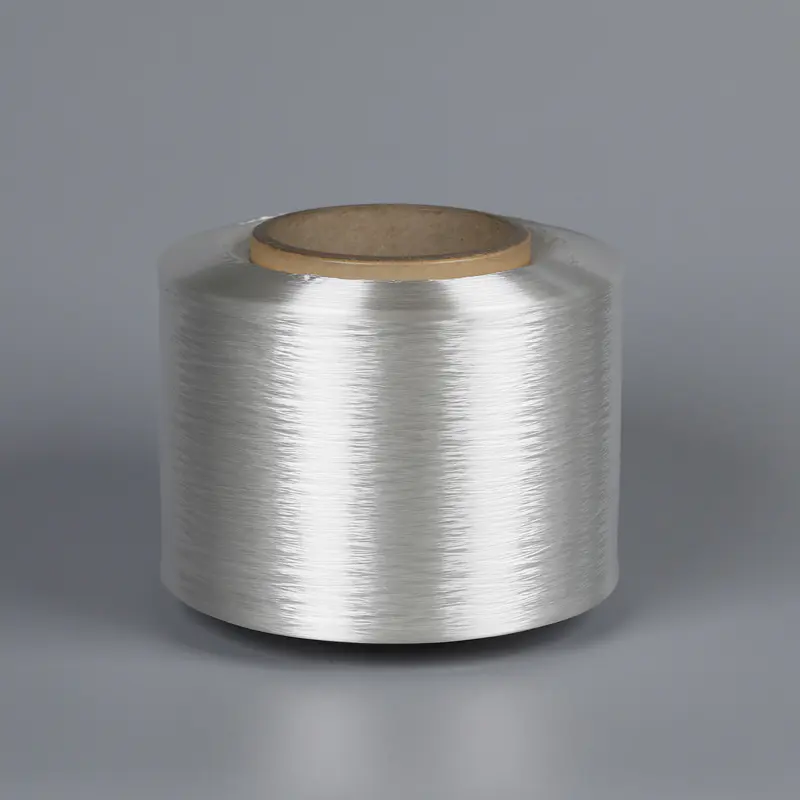 ECDP Flat FDY Yarn for Smooth Wovens and KnitsFlat, non-textured modified polyester FDY with 85°C atmospheric deep dyeing, suited to fine wovens, smooth knits, and applications valuing surface clarity.View Product →
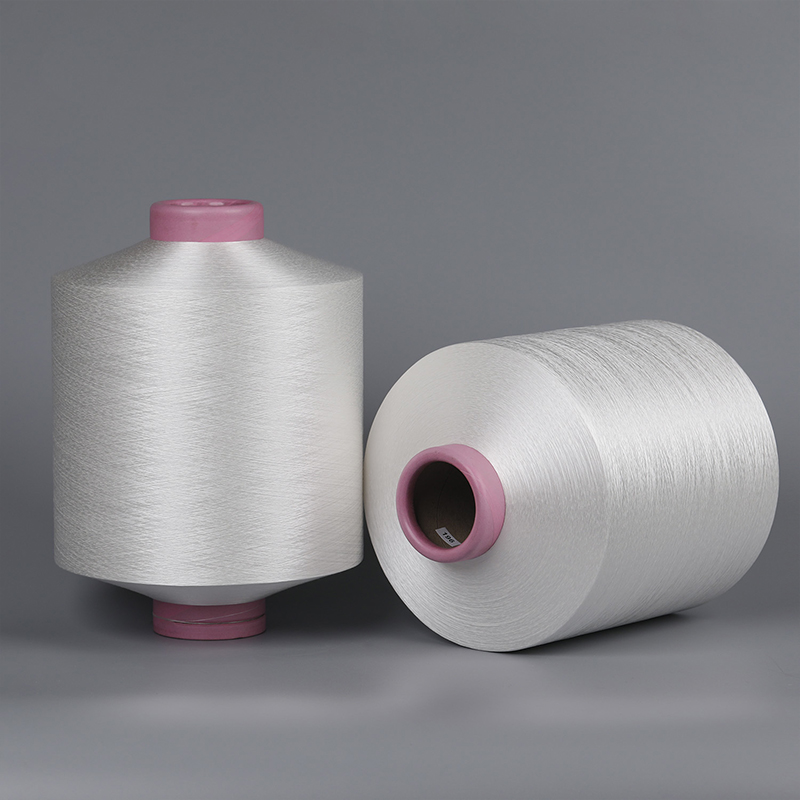 ECDP Textured DTY Yarn for Soft KnitsDraw-textured modified polyester adds bulk and softness, with 85°C atmospheric deep dyeing for sportswear, underwear, and knitted fabrics.View Product →
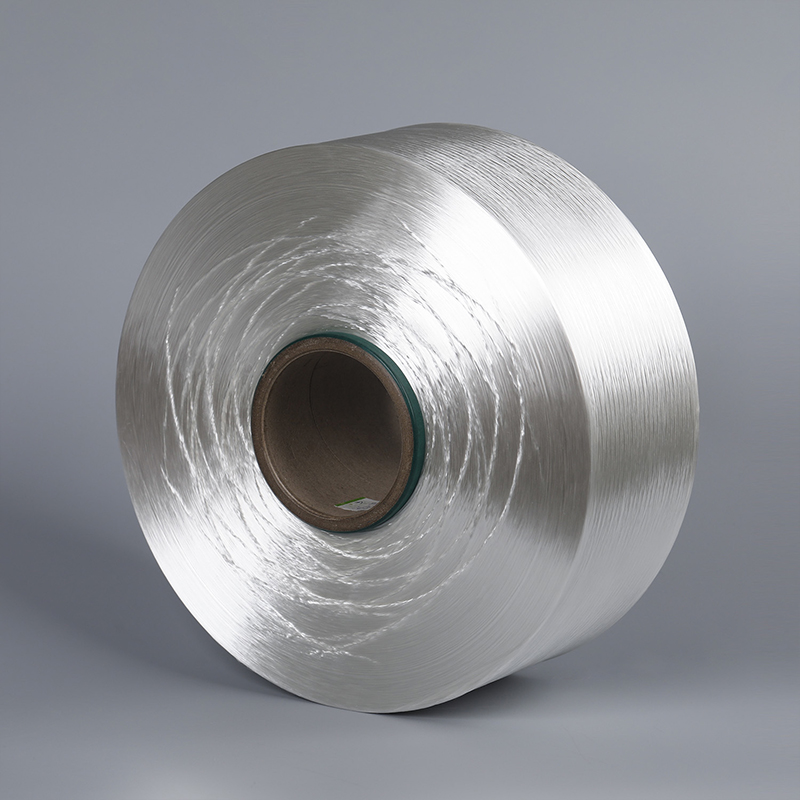 ECDP Pre-oriented POY Yarn for Downstream ProcessingPartially oriented modified polyester feedstock for texturing or drawing, carrying 85°C deep-dye chemistry for sportswear, underwear, knitting, and weaving.View Product →
Specify denier, filament count, tenacity, elongation, shrinkage, oil pick-up, and package form. For dyeing, add the recommended dyeing temperature, pH range, and any restrictions on pressure or carrier use. If the yarn will be blended, state the blend ratio and the dye sequence. That single page of data prevents most “the fiber works, but the fabric does not” disputes.
The biggest risk is treating “ECDP” or “cationic dyeable polyester” as a complete specification. They are family names. A purchase order should define the polymer type, modification route if known, denier, filament count, tenacity, elongation, shrinkage, oil content, and dyeing recommendation. For critical programs, add color yield, fastness targets, and an approved dyeing curve.
Second, lower-temperature dyeing is not automatically lower cost. It can save energy, but it may require different leveling agents, longer rinsing, or tighter pH control. Run the cost model on the full dye cycle, including water, chemicals, wastewater load, and rework. Third, bright shades can expose uneven dye uptake. A fiber that looks excellent in a dark shade may show streaks in pale colors. Test the lightest and darkest shades in the range.
Finally, confirm the commercial definition with the supplier. Ask whether the grade is a true ECDP, a conventional CDP, or a blend of modified and regular polymer. Ask for the dyeing temperature window in writing. If the answer is “standard” or “same as CDP,” request a sample and a curve before committing to bulk.
Not exactly. ECDP is generally a sub-grade of cationic dyeable polyester positioned for easier dyeing, lower temperature, or higher color yield. Cationic dyeable polyester is the broader family. The practical difference is in the dyeing curve and performance data, not just the name.
Some ECDP grades are promoted for dark shades around 85–95°C, but this is supplier- and shade-dependent. Pale shades, thick fabrics, and high fastness requirements may need a different curve. Confirm with a lab dip and a pilot run.
Yes, it is often used for two-tone effects. A cationic dye colors the ECDP component, while a disperse dye colors regular polyester. Cross-staining and contrast must be tested, because dye selection and process sequence determine the final look.
It can reduce energy use when it enables lower-temperature dyeing, but that is a process benefit, not an automatic sustainability claim. Water use, chemical load, waste, and fiber origin still matter. Ask for evidence tied to the actual dyehouse route.
ECDP and cationic dyeable polyester are closely related. The useful buying decision is not “which one wins,” but which grade gives your dyehouse a reliable window for the shade, fabric, and fastness you need. Start with the dyeing curve, then verify color yield, hand, shrinkage, and cross-staining on the finished fabric. If a supplier can document those points, the acronym becomes a practical tool instead of a vague label.
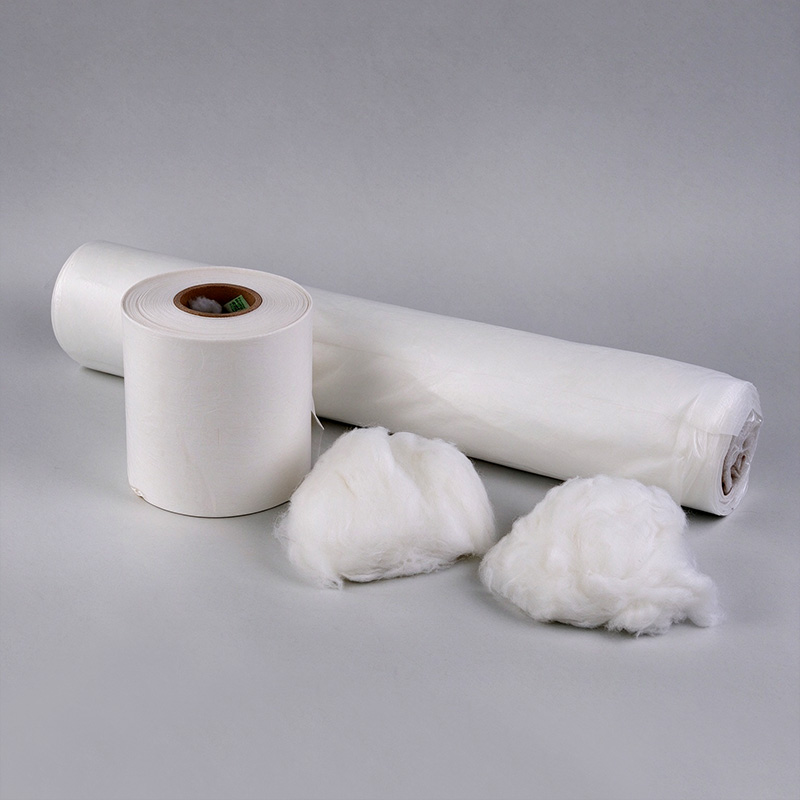
Made of PBS (Polybutylene Succinate), fully biodegradable.Features:1.Home compostable2.Raw material: PBS Polybutylene Su...
READ MOREPlease fill out the form below and our team will contact you as soon as possible.
Addres: No.66 Qiaogang Road, Haian, Nantong City, Jiangsu Province, China
E-mail: service@gcfiber.com admin@gcfiber.com
Copyright ? GC FIBER All Rights Reserved. Eco-Friendly Textile Products Manufacturer Biodegradable Yarn Company