English
 中文简体
中文简体It is made with Bio-base PLA, fully biodegradable Feature: 1. Industrial compost product 2. Made with PLA 3. Eco-frie...
READ MORE
Content
Polyester fiber is the raw filament used to build countless textile products, while microfiber is a specific category of ultra fine polyester (or polyester blend) fiber measured at less than one denier per filament. The main difference comes down to filament thickness: standard polyester fiber ranges widely in diameter depending on its intended use, while microfiber is always spun far finer, which is what gives it a softer hand feel, higher surface area, and stronger absorbency compared to regular polyester fiber.
If you need a fabric for structural strength, outerwear shells, or upholstery backing, standard polyester fiber is usually the better fit. If you need a fabric for cleaning cloths, plush bedding, or moisture wicking sportswear, microfiber is typically the stronger choice. The sections below walk through the technical differences, real world applications, cost factors, and care routines for both materials.
Polyester fiber is a synthetic filament made primarily from polyethylene terephthalate, produced through a melt spinning process where the polymer is heated, extruded through spinnerets, and cooled into continuous strands. These strands are then either kept as filament yarn or cut into short staple lengths for spinning into blended yarns. Regular polyester filament yarn is produced in a wide range of deniers, commonly anywhere from 1 denier up to 300 denier or higher, depending on whether the end use calls for a lightweight lining fabric or a heavy duty industrial textile.
Because the fiber diameter can be adjusted so broadly, polyester fiber shows up in an enormous range of products. Garment interlining, seatbelt webbing, tarpaulin backing, rope, filling for pillows and jackets, and woven apparel fabric all rely on polyester fiber engineered to a specific thickness and tenacity for that job.
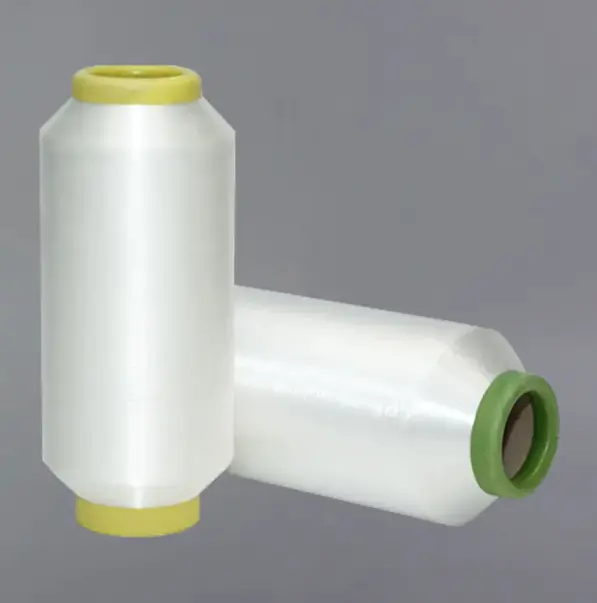
Microfiber is not a separate chemical family from polyester. It is a fineness classification. By common textile industry convention, a fiber qualifies as microfiber when each filament measures under 1 denier, and many commercial microfiber products fall between 0.5 and 0.9 denier per filament. Some microfiber fabrics are pure polyester, while others are a polyester and polyamide blend, which is common in cleaning cloths because the polyamide component helps carry moisture toward the polyester surface for faster drying.
To put the scale in perspective, a single microfiber filament can be roughly 100 times finer than a human hair, which is why microfiber textiles feel unusually soft and dense compared to standard woven polyester fabric of similar weight. That fineness also multiplies the total surface area of the yarn, which is the main reason microfiber cloths pick up dust, oil, and moisture so effectively.
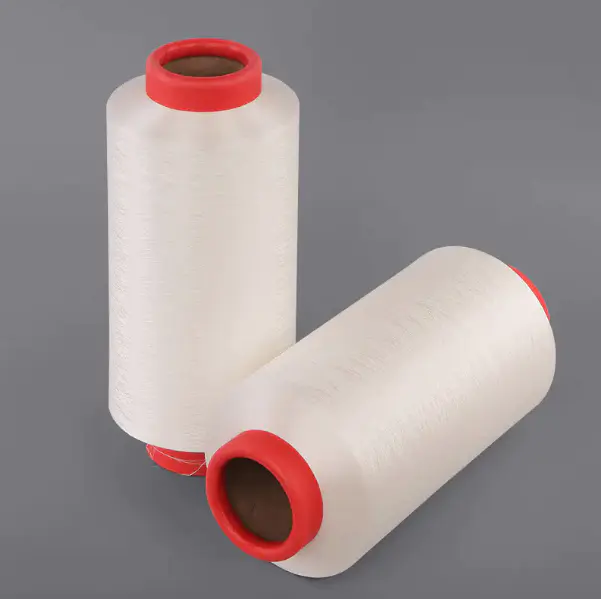
The table below lines up the two materials across the traits buyers ask about most often when sourcing fabric or filling material.
| Trait | Standard Polyester Fiber | Microfiber |
|---|---|---|
| Typical filament fineness | 1 to 300 plus denier | Under 1 denier |
| Hand feel | Ranges from crisp to soft depending on weave | Consistently soft and plush |
| Absorbency | Lower, unless treated or blended | Higher due to increased surface area |
| Common products | Woven apparel, webbing, filling, industrial fabric | Cleaning cloths, plush bedding, sportswear linings |
| Relative production cost | Generally lower per kilogram | Generally higher due to finer spinning process |
Denier measures the weight in grams of 9000 meters of a single filament. A lower number means a finer strand. This single measurement drives most of the practical differences between polyester fiber and microfiber, because finer filaments pack more strands into the same cross section of yarn. More strands per yarn means more surface area, which is why microfiber towels dry faster and pick up more particles than a standard polyester towel of the same weight.
Fiber diameter also affects how light reflects off the fabric surface. Coarser polyester fiber tends to produce a slightly crisper, more structured sheen, which suits garments that need to hold shape, such as jacket shells or workwear. Microfiber scatters light differently because of its density, giving fabrics a matte, velvety appearance that many buyers associate with premium bedding and plush toys.
Regular polyester fiber remains the workhorse choice for products where strength, cost control, and shape retention matter more than surface softness.
Buyers sourcing bulk polyester fiber for filament yarn production typically prioritize consistent denier, breaking strength, and color uptake, since these directly affect downstream weaving or knitting quality.
Microfiber earns its place in products where softness, moisture handling, and fine particle capture are the priority.
A microfiber cleaning cloth can trap and hold dust particles mechanically between its split filaments, which is why it often outperforms a cotton cloth of similar size on dry dusting tasks without needing any cleaning solution.
Standard polyester fiber generally holds up well against repeated stretching and abrasion, which is why it is a common choice for outdoor gear and heavy use textiles. Its coarser filaments resist snagging better in rough handling environments such as industrial settings or outdoor furniture.
Microfiber, because of its fine filament structure, is more sensitive to high heat and abrasive washing. Washing microfiber above manufacturer recommended temperatures can melt or fuse the fine filaments together, which reduces its absorbency and softness permanently. With proper low heat washing and air drying or low tumble settings, microfiber products can still last through hundreds of wash cycles while keeping their texture.
Standard polyester fiber is typically less expensive to produce than microfiber because it does not require the extra spinning steps needed to draw filaments down below 1 denier or to split composite filaments into finer strands. For buyers working on tight fabric budgets, blending standard polyester fiber with cotton or other natural fibers is often a practical way to balance cost and comfort.
Microfiber costs more per kilogram on average, but the added surface area and softness can justify the premium for products where performance is the main selling point, such as premium cleaning cloths or high end bedding. When comparing suppliers, it helps to request denier specifications directly rather than relying on marketing terms alone, since fineness claims can vary between manufacturers.
| Care Step | Standard Polyester Fiber | Microfiber |
|---|---|---|
| Wash temperature | Warm water generally tolerated | Cool to warm water recommended |
| Fabric softener | Usually fine to use | Best avoided, it coats filaments and reduces absorbency |
| Drying method | Tumble dry on standard heat | Air dry or low heat tumble dry |
| Washing with lint producing fabrics | Lower risk of lint pickup | Should be washed separately to avoid lint attraction |
Start by identifying the main job the fabric needs to do. If the priority is structural strength, cost efficiency, or bulk filling material, standard polyester fiber is the more practical starting point. If the priority is softness, fast moisture absorption, or fine particle capture, microfiber is worth the added cost.
In most commercial products, yes. Microfiber is a fineness classification applied to fiber, and polyester is one of the most common base materials used to make it, though some microfiber products blend polyester with polyamide.
Microfiber is more absorbent than standard polyester fiber because its finer filaments create far more surface area within the same fabric weight, allowing it to hold and wick moisture more effectively.
Generally yes. The finer spinning process required to produce microfiber adds cost compared to standard denier polyester fiber production.
It is best avoided. High heat can melt or fuse the fine filaments together, which reduces softness and absorbency over time. Cool to warm water is generally recommended.
Microfiber is the stronger choice for cleaning cloths because its split filament structure traps dust and oil mechanically, often reducing the need for cleaning chemicals.
Standard polyester fiber is typically preferred for outerwear shells because it holds structure and resists abrasion better under repeated outdoor use.
Yes. Many fabrics combine coarser polyester fiber for structure with a microfiber face layer for softness, giving a balance of durability and comfort in a single textile.
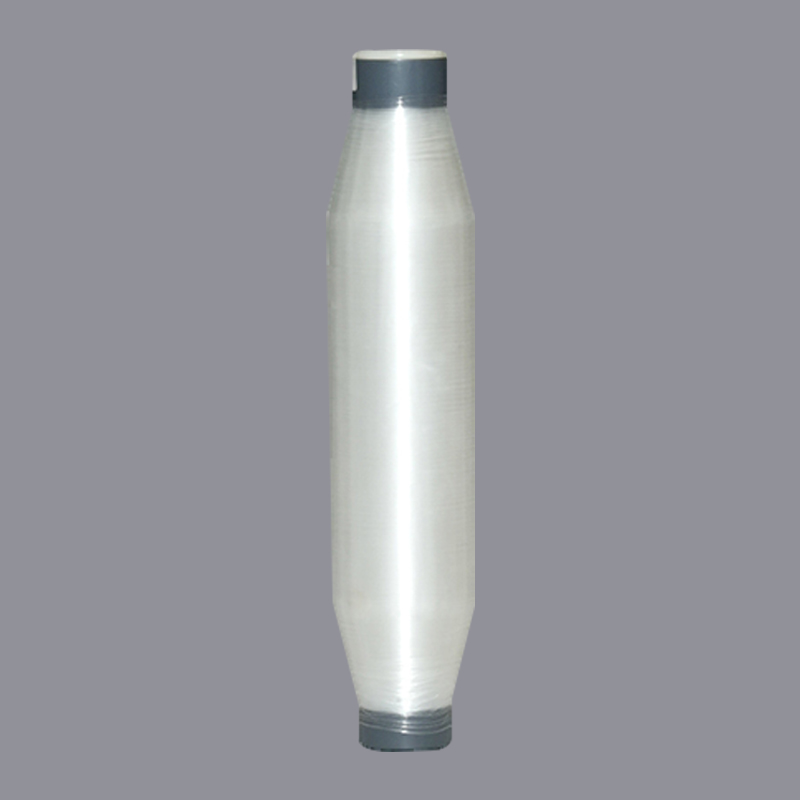
It is made with Bio-base PLA, fully biodegradable Feature: 1. Industrial compost product 2. Made with PLA 3. Eco-frie...
READ MOREPlease fill out the form below and our team will contact you as soon as possible.
Addres: No.66 Qiaogang Road, Haian, Nantong City, Jiangsu Province, China
E-mail: service@gcfiber.com admin@gcfiber.com
Copyright ? GC FIBER All Rights Reserved. Eco-Friendly Textile Products Manufacturer Biodegradable Yarn Company