English
 中文简体
中文简体It is made with Bio-base PLA, fully biodegradable Feature: 1. Industrial compost product 2. Made with PLA 3. Eco-frie...
READ MORE
Content
A sourcing manager recently asked us whether switching a standard polyester yarn to a recycled polyester yarn would make her collection sustainable. Our answer was not a simple yes or no. Recycled polyester is a meaningful improvement over virgin polyester, but it is not a closed-loop solution. It can lower energy use and postpone plastic waste, yet it still sheds microplastics, depends on sorting systems, and has a more complicated end-of-life story than most marketing suggests.
Recycled polyester, usually called rPET, starts as post-consumer PET bottles, factory waste, or recovered polyester textiles. In most commercial production, the material is cleaned, crushed, melted, and converted into chips. Those chips are extruded again into filament yarn, staple fiber, or nonwoven fabric.
Mechanical recycling remains the dominant route. Chemical recycling, which breaks polyester down into monomers, holds promise for more circular recovery but still requires significant energy. As a producer of specialty yarns, we track these differences because they affect melting stability, tenacity, and dye uptake.
One important fact stays the same: recycling does not change the polyester molecule. rPET is still a plastic polymer once processed, and it is not biodegradable in ordinary landfill or marine conditions. The label "recycled" describes its origin, not its behavior at the end of its useful life.
The strongest argument for recycled polyester is that it displaces virgin polyester. PET bottle waste that would otherwise go to landfill or the ocean can be turned into fiber with lower energy demand and reduced reliance on crude oil. The practical benefits include:
These benefits are genuine, but they are conditional. The collection and sorting system must be effective, the waste must travel a reasonable distance, and the yarn must be used in a product that can still be recycled or repaired at the end of its service life.
rPET fibers are still plastic fibers. When garments are washed, they release microfibers just like virgin polyester. Recycled content does not solve the microplastic problem; it only changes the starting point of the material.
A PET bottle is designed for a closed bottle-to-bottle loop. Turning it into a yarn can make future recycling harder because blended fabrics, dyes, and finishes are difficult to separate. The bottle may end up as a garment, and that garment may still end up in landfill.
GRS and RCS certifications verify recycled content and chain of custody. They do not measure microplastics or biodegradability, so they should be paired with other evidence rather than treated as proof of overall sustainability.
Recycled polyester does not solve the non-biodegradability of synthetic fibers. For short-life textiles such as wipes, interlinings, or disposable nonwovens, the end-of-life question can be more important than the feedstock question. In these cases, biodegradable alternatives like PLA are worth evaluating.
PLA filament yarn is produced from plant-based lactic acid. Under industrial composting conditions, it can break down into carbon dioxide, water, and biomass. That is a fundamentally different end-of-life pathway from PET and rPET, making PLA a useful complement to recycled polyester rather than a perfect replacement.
| Material | Feedstock | Energy profile | Main end-of-life issue |
|---|---|---|---|
| Virgin polyester | Oil-derived PET | High; carbon-intensive | Non-biodegradable; sheds microfibers |
| Mechanical rPET | PET bottles and industrial waste | Lower than virgin; quality drops with each cycle | Non-biodegradable; sheds microfibers |
| Chemical rPET | Mixed PET waste | Higher energy and chemical inputs; can recover monomers | Still non-biodegradable |
| PLA filament | Plant-based lactic acid | Moderate; often lower than fossil-derived synthetics | Biodegrades under industrial composting; disposal conditions matter |
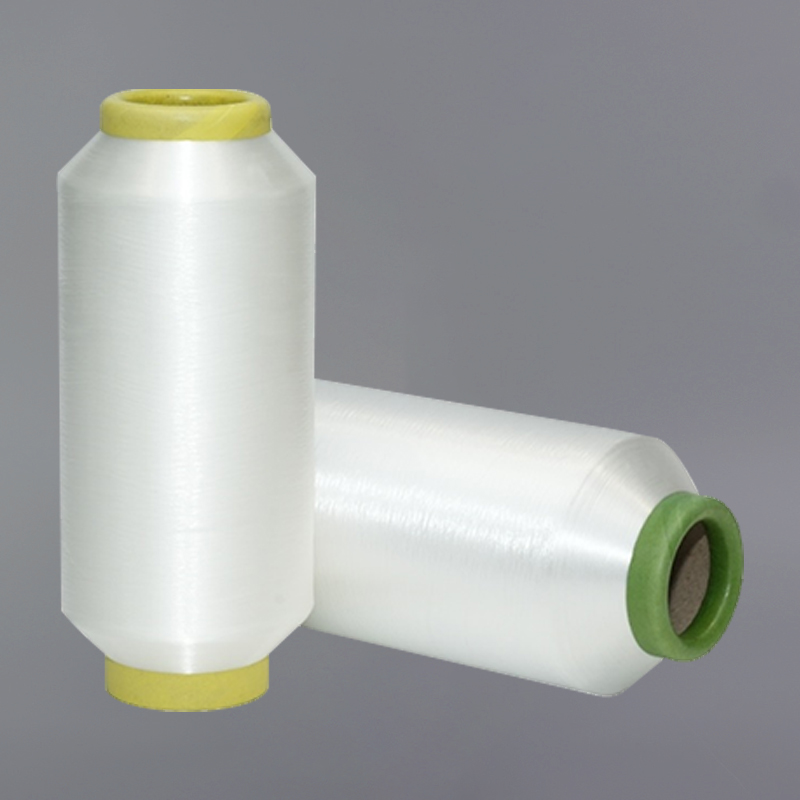
 PLA Biodegradable Filament Yarn for Eco-Friendly TextilesThis plant-based filament yarn offers industrial compostability and inherent antibacterial properties, making it a practical complement to recycled polyester for brands seeking fully biodegradable fabric solutions.View Product →
PLA is not a universal replacement for polyester, but it directly addresses the non-biodegradability that recycled content does not solve.
At GC FIBER, a specialty fiber producer, we see sustainability as a system issue, not a material label. A recycled yarn that is dyed at 130°C, dried, and finished inefficiently can still carry a higher impact than a non-recycled yarn engineered to process at lower temperatures.
This is why easy-dyeing polyester, or ECDP, deserves attention. ECDP is modified to absorb dye at lower temperatures, often around 85°C instead of 130°C, and it can achieve dark shades with less heat energy. The lower the processing temperature, the smaller the carbon footprint of finishing, regardless of whether the polymer is recycled.
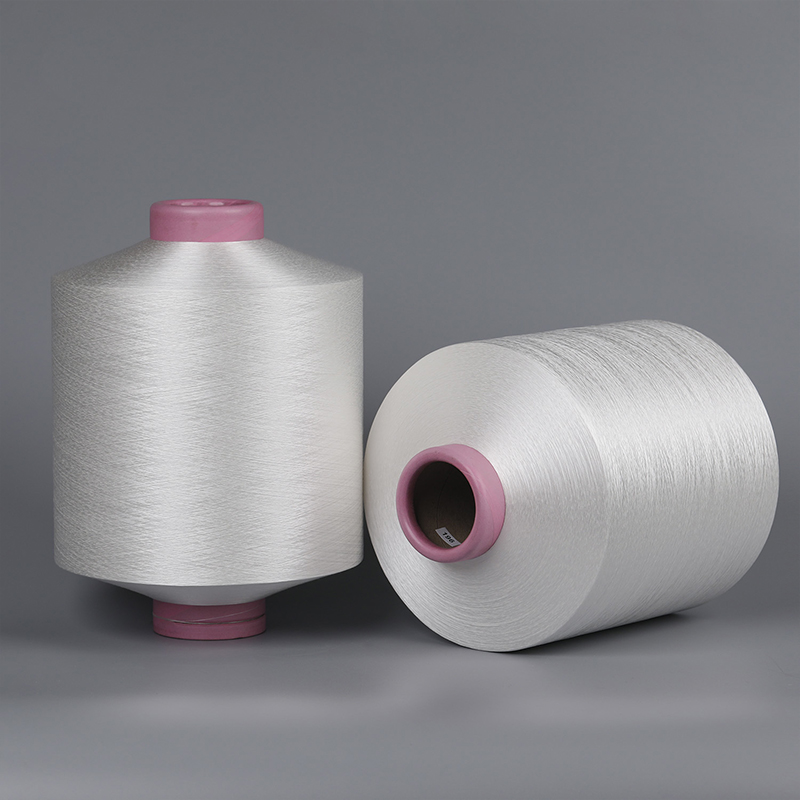 ECDP Textured DTY Yarn with Low-Temperature DyeingModified to dye at 85°C, this yarn reduces energy use and dye consumption while providing soft hand feel and deep color, ideal for intimate apparel and sustainable finishing processes.View Product →
For sourcing teams, this means a material claim such as "recycled" should never be evaluated in isolation. Pair it with process data and certifications. Our technical article explains how easy-dyeing polyester yarn reduces the environmental impact of colored yarns.
The question is incomplete until you finish it: sustainable compared with what? Against virgin polyester, rPET is usually preferable. Against a closed-loop bio-based material, rPET looks incomplete. And against a vague green claim with no supply-chain evidence, no single label should be trusted.
Recycled polyester is a transitional material, not a final solution. The most responsible approach is to reduce virgin polymer consumption, design for reuse, and pair material choices with cleaner processing. That combination, rather than a single label, is what makes a textile system genuinely more sustainable.
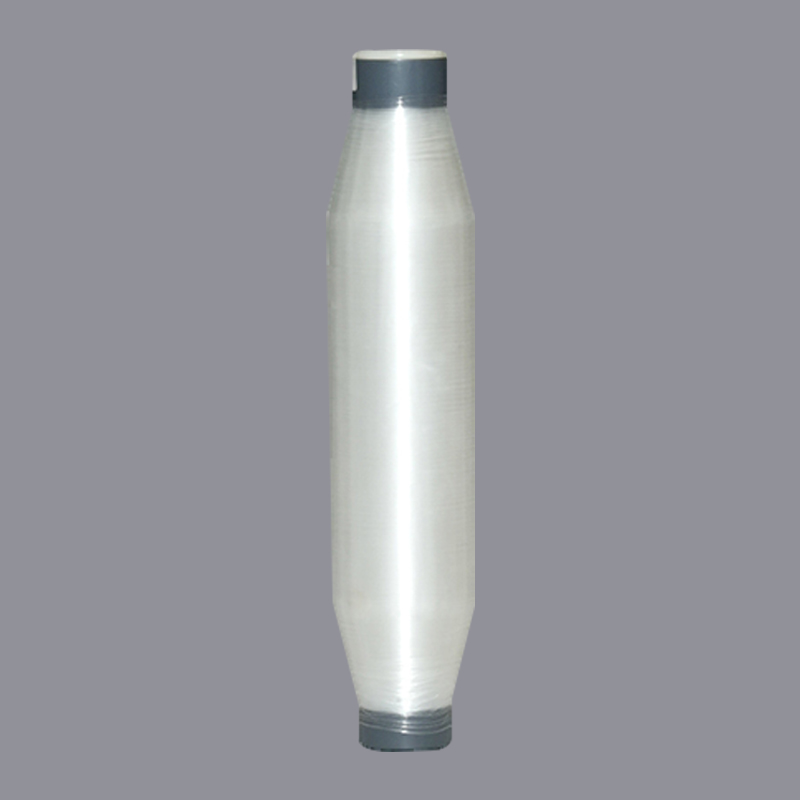
It is made with Bio-base PLA, fully biodegradable Feature: 1. Industrial compost product 2. Made with PLA 3. Eco-frie...
READ MOREPlease fill out the form below and our team will contact you as soon as possible.
Addres: No.66 Qiaogang Road, Haian, Nantong City, Jiangsu Province, China
E-mail: service@gcfiber.com admin@gcfiber.com
Copyright ? GC FIBER All Rights Reserved. Eco-Friendly Textile Products Manufacturer Biodegradable Yarn Company