 English
 中文简体
中文简体It is made with Bio-base PLA, fully biodegradable Feature: 1. Industrial compost product 2. Made with PLA 3. Eco-frie...
READ MORE
Content
A microfiber cleaning cloth can pull a week's worth of kitchen grease off a stainless steel surface using nothing but running water. The same material forms the lining of a winter jacket that wicks sweat away before it turns cold, and the head of a hospital mop that traps bacteria without chemical disinfectant. All of these products share one foundation: polyester microfiber fabric. Its filaments measure only a few micrometers across, and that geometric difference explains why it behaves so differently from ordinary polyester.
Polyester microfiber fabric is a woven or knitted textile made from ultra-fine polyester filaments. A standard polyester filament is 15 to 25 micrometers in diameter. A polyester microfiber filament is almost always below 10 micrometers, with the most common commercial grades running from 2 to 5 micrometers. In industry specifications, fineness is expressed as denier per filament, or DPF, and microfiber is generally defined as DPF of 1.0 or less.
Fiber fineness changes surface area, and surface area changes behavior. A 5-micrometer filament has roughly four times the surface area of a 20-micrometer filament at the same mass. That larger surface produces a softer hand feel, faster moisture transport, and much stronger mechanical trapping of dust, oil, and fine particles. These are measurable consequences of fiber geometry, not marketing effects, and they drive every functional difference discussed below.
Microfiber fabric starts at the polymer level. Polyester chips are melted and extruded through spinnerets, and the molten polymer is drawn into continuous filaments. The critical step is drawing the filament thin enough while keeping its diameter uniform. A variation of even one or two micrometers that would go unnoticed in standard yarn becomes a visible defect in microfiber, appearing as streaks, uneven dye uptake, or weak areas after weaving.
Two production routes are common in microfiber manufacturing. Direct spinning extrudes filaments through a spinneret with very fine holes to produce a low-DPF yarn. The split or island-in-the-sea process combines two incompatible polymers in one filament, then splits or dissolves one component to create microfibers far finer than direct spinning allows. After the yarn is produced, it is woven or knitted into fabric, then finished with processes such as brushing, sanding, or splitting to expose the microfilaments and develop the final hand feel.
Yarn form matters at the specification stage. POY, FDY, and DTY are not interchangeable: POY is a partially oriented intermediate, FDY is fully drawn and smooth, and DTY is textured for bulk and elasticity. The differences between POY, FDY, and DTY yarns determine which one fits the intended fabric structure and downstream treatment.
For anyone buying finished microfiber fabrics, the practical consequence is that the fabric's performance is largely locked in before the loom starts. A yarn supplier that controls filament diameter, denier uniformity, and elongation can prevent a long list of downstream defects.
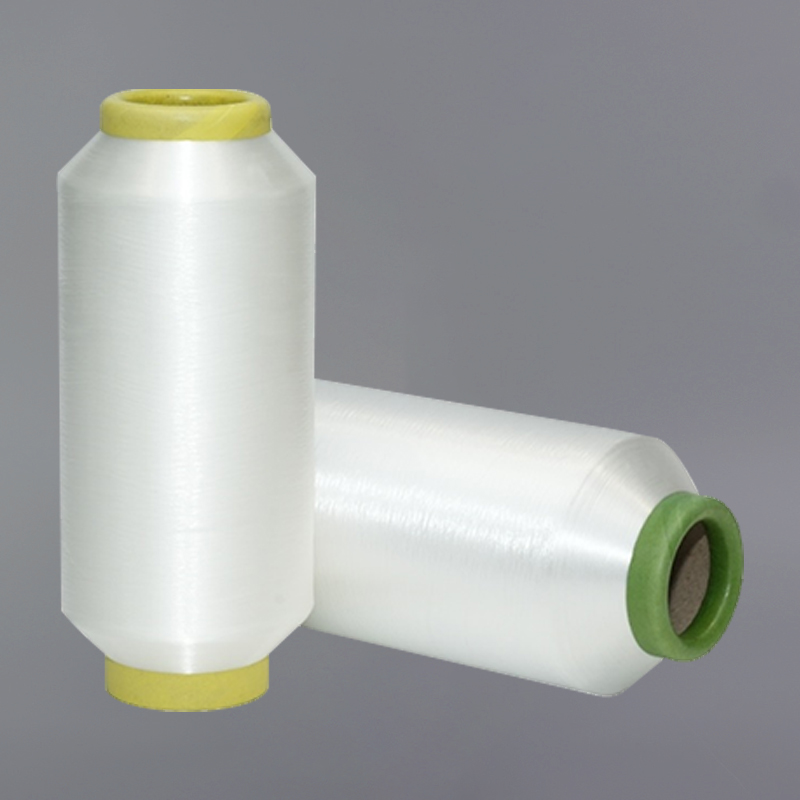 Polyester Micro Filament YarnIt is made with polyester, we can special produce micro filament, DPF can less 0.5View Product →
Four measurable properties explain why polyester microfiber fabric earns its place in performance textiles:
The comparison below summarizes the practical differences between polyester microfiber fabric and regular polyester fabric.
| Property | Polyester Microfiber | Regular Polyester |
|---|---|---|
| Filament diameter | Below 10 µm | 15-25 µm |
| Softness | Very soft, draped | Crisper, firmer |
| Water absorption | High, fast wicking | Low to moderate |
| Drying time | Fast | Moderate |
| Lint and dust trapping | Strong | Weak |
| Wrinkle recovery | Excellent | Good |
In practice, these differences determine which applications the fabric suits best. The particle-trapping behavior makes microfiber the default for cleaning textiles; the softness and moisture transport drive its use in apparel and bedding.
Polyester microfiber fabric serves four major markets. In apparel, it appears in athletic base layers, cycling jerseys, and lightweight jackets where moisture management and packability matter more than insulation thickness. In the home, microfiber bedding and upholstery provide a smooth, lint-free surface that resists dust mites and stays cool in summer. For cleaning, microfiber cloths, mop heads, and wipes dominate commercial and household cleaning because they remove up to 99 percent of surface bacteria with water alone. Industrial and automotive applications use microfiber for filtration media, precision wiping cloths, and interior surfaces where even a single loose fiber can ruin a paint finish or contaminate a cleanroom.
Each application places different demands on the yarn. A cleaning cloth needs maximum surface area and loop density; a base layer needs controlled moisture transport and stretch recovery; a filtration medium needs a consistent pore structure. This is why sourcing decisions should always start from the end use rather than from the fabric's surface appearance.
Whether you buy finished fabric or yarn to make it, three specifications determine whether the product will perform as expected:
For fabric weavers and knitters, yarn consistency is the most underestimated risk. Uneven denier or elongation creates streaks, blotchy dyeing, and weak points that appear only after finishing. A supplier with strict process control eliminates this risk at the source.
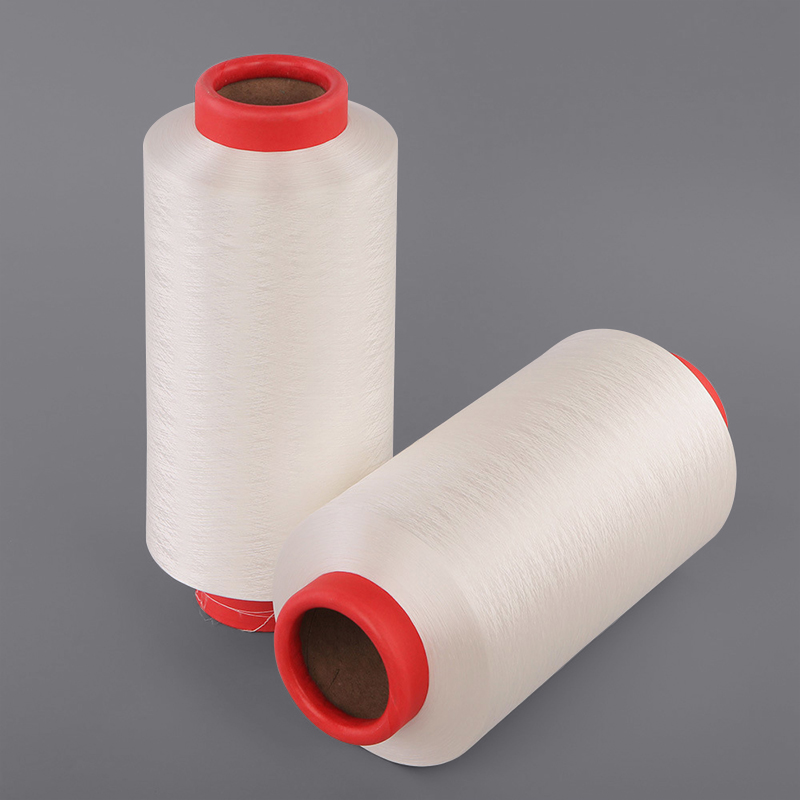 Polyester Finest YarnIt is made with polyester, we can special produce the finest yarn , 7D and 10D DTY is workable in our factory .View Product →
Microfiber's fine filaments are an advantage, but they also set the care rules. Wash in cold or warm water below 40°C, because hot water can weaken the fiber structure over time. Avoid fabric softeners entirely; their residue fills the narrow gaps between filaments and sharply reduces absorbency and cleaning performance. Dry on a low heat setting or air dry, and do not use a high-temperature iron on the fabric surface. If you use microfiber for cleaning, wash it separately from cotton items and avoid contact with bleach, which degrades polyester chemistry.
Following these rules maintains the fiber structure and keeps the fabric performing for hundreds of wash cycles.
Polyester microfiber fabric is defined not by its label but by the diameter and uniformity of the filaments that form it. Those filaments are fixed at the yarn manufacturing stage, long before the fabric is woven, finished, or cut. Buyers who specify DPF, structure, and finishing treatment precisely, and who choose a yarn supplier with consistent process control, will get fabric that performs exactly where it is used.
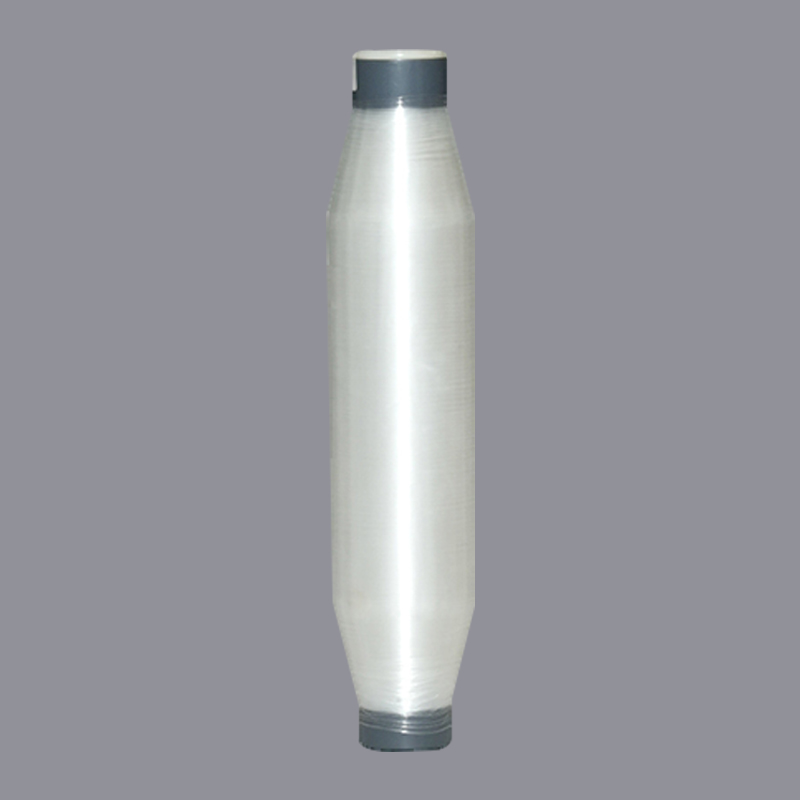
It is made with Bio-base PLA, fully biodegradable Feature: 1. Industrial compost product 2. Made with PLA 3. Eco-frie...
READ MOREPlease fill out the form below and our team will contact you as soon as possible.
Addres: No.66 Qiaogang Road, Haian, Nantong City, Jiangsu Province, China
E-mail: service@gcfiber.com admin@gcfiber.com
Copyright ? GC FIBER All Rights Reserved. Eco-Friendly Textile Products Manufacturer Biodegradable Yarn Company


