English
 中文简体
中文简体Made of PBS (Polybutylene Succinate), fully biodegradable.Features:1.Home compostable2.Raw material: PBS Polybutylene Su...
READ MORE
Content
A texturing mill that receives 150D/48F partially oriented yarn with elongation at break below 110% will spend the week chasing fuzz and broken filaments, however carefully the machine is set. That is why POY is bought on specification rather than on price alone. POY is the first saleable form of polyester filament: it leaves the spinning line with just enough molecular orientation to be wound, packed and shipped, and it is designed to be drawn and textured downstream, not knitted as it arrives.
Everything else about POY follows from that position in the production chain: low crystallinity, high residual elongation, a narrow and sensitive drawing window, and quality disputes that trace back to the spinning and winding line far more often than to the texturing floor.
POY is made by melt-spinning polyester chips and winding the filament bundle at take-up speeds of roughly 2,500 to 4,000 m/min. At those speeds the polymer chains align partway along the fibre axis. That partial alignment is enough for the yarn to hold its shape on a package, but well short of full drawing. Standard textile POY typically shows tenacity of about 2.0 to 2.8 cN/dtex, elongation at break of 100% to 150%, and boiling-water shrinkage of 50% to 70%.
Birefringence, the optical measure of chain alignment, generally falls between 0.02 and 0.06 in textile POY. That is the practical dividing line between POY and FDY. FDY is spun and drawn in one integrated step at higher speeds and arrives fully oriented, ready for knitting or weaving; POY must be drawn at a ratio of roughly 1.5 to 2.2 before its strength and elongation become useful in fabric.
Texturing-grade POY carries spin finish at 0.3% to 0.6% oil-on-yarn and is wound into packages of about 8 to 15 kg on paper or plastic tubes. These numbers look minor until a package with uneven density sloughs during unwinding and stops a texturing position.
Most textile POY goes into false-twist texturing. The yarn passes through a heater at roughly 180 to 220 C, takes twist, cools, and is untwisted again, turning a smooth filament into a bulky, stretchy DTY at speeds of about 600 to 1,000 m/min. The commercial point is that the POY specification and the texturing settings are a matched pair: draw ratio, heater temperature and the ratio between the draw and twist zones all have to be tuned to the elongation the spinner delivered.
Because the draw step absorbs most of the elongation, a lot with high elongation variance forces the mill to run below its optimum draw ratio. The symptom is uneven dye uptake and shade banding that only appears after dyeing, which is the most expensive place to find it.
Modified polymers follow the same route on a different chemistry. ECDP pre-oriented yarn is spun from a copolymer that accepts cationic dyes, so the texturing line turns out a yarn that can be dyed in deep shades at lower temperatures without carriers.
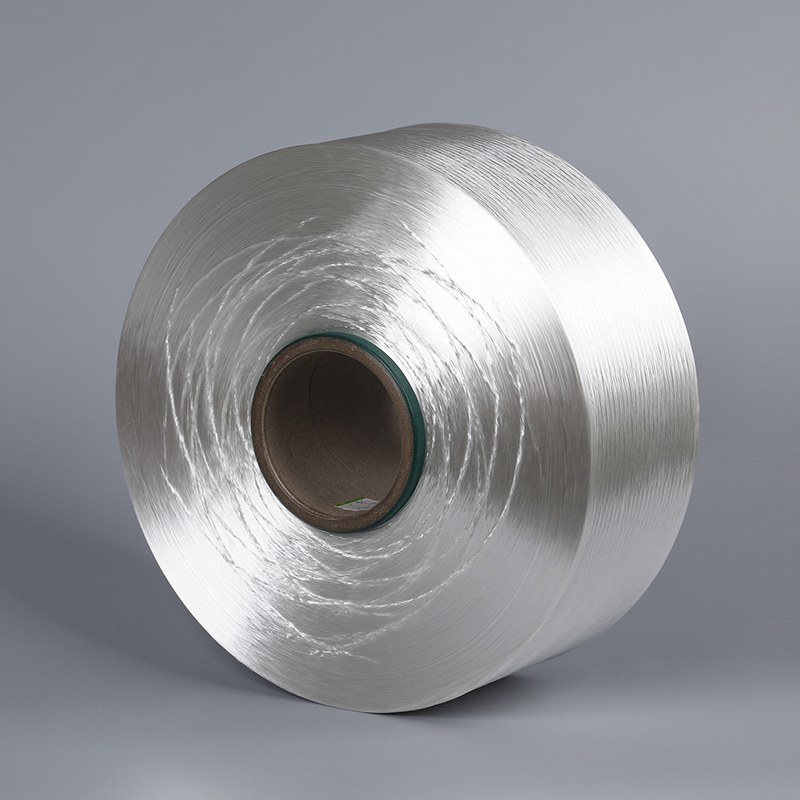 ECDP Pre-Oriented POY Yarn for Deep-Dye TexturingModified polyester POY with cationic-dye chemistry, intended for downstream draw-texturing or draw-winding and atmospheric deep dyeing at 85°C.View Product →
The three names describe stages rather than competing products. The table below collects the values most often quoted in purchase specifications.
| Property | POY | FDY | DTY |
|---|---|---|---|
| Spinning route | 2,500 to 4,000 m/min take-up | 4,000 to 6,000 m/min with in-line drawing | Spun as POY, then textured |
| Chain orientation | Partial, birefringence 0.02 to 0.06 | High, fully drawn | High, plus crimp and bulk |
| Tenacity | 2.0 to 2.8 cN/dtex | 3.8 to 4.5 cN/dtex | 3.0 to 3.8 cN/dtex |
| Elongation at break | 100% to 150% | 20% to 40% | 20% to 35% |
| Boiling-water shrinkage | 50% to 70% | 5% to 10% | 2% to 5% |
| Downstream step required | Drawing and texturing | None for most weaving | None for most knitting |
If a supplier quotes FDY-level tenacity on a POY datasheet, ask which test method produced the figure. Tensile values are meaningless without the gauge length and testing speed; ISO 2062 and ASTM D2256 are the usual references, and they do not report identical results.
POY contracts that survive a full year of production usually pin down seven items.
Two of these deserve extra attention. Elongation CV is where a cheap quotation usually hides its cost, and oil pick-up drifts quietly when a metering pump ages.
Most complaints land on the spinner, and for good reason: the spinning line sets the ceiling on what texturing can achieve.
Filter pressure rise, uneven quenching air, spin-finish starvation at the metering pump and worn guides all produce the same symptom. Once broken filaments reach the heater, they wrap and the position stops.
Pump wear, chip moisture variation and quenching temperature changes shift the draw response gradually. A mill that only checks denier may not notice until a dyed lot shows streaks.
Ribbon build, bulging edges and hard shoulders cause tension spikes during unwinding. At fine denier per filament, around 1 dpf and below, the margins shrink further, which is why microfiber grades are ordered with tighter elongation and oil pick-up limits.
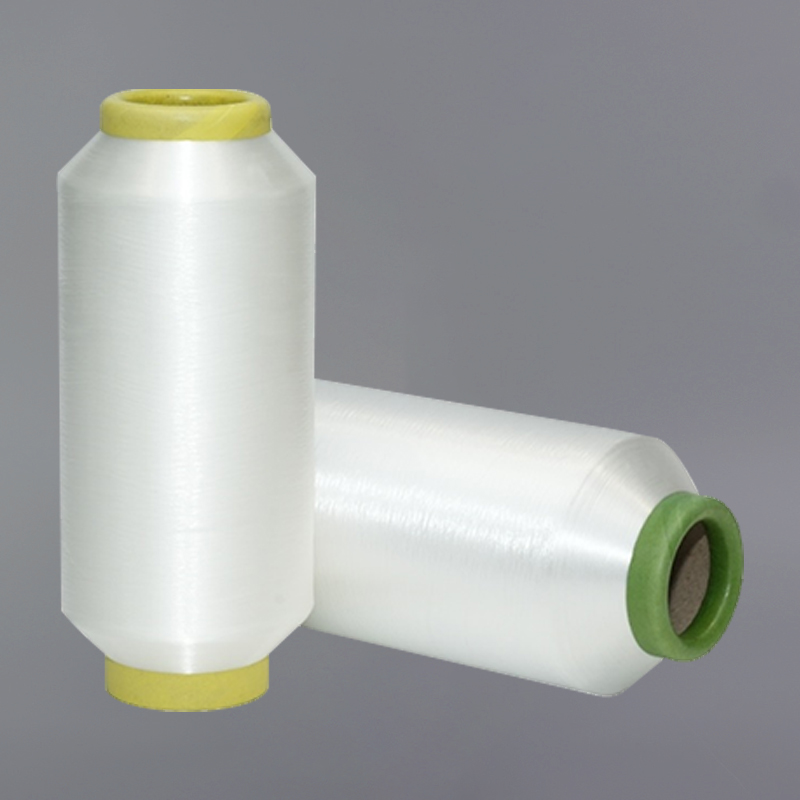 Polyester Micro Filament DTY Yarn for Fine FabricsCustom fine-denier DTY with DPF below 0.5, offering soft hand-feel and stable rewinding for lightweight apparel and dense cover fabrics.View Product →
Standard POY is a commodity; most of the technical interest appears when the polymer or the cross-section changes.
These variants are still POY at the point of sale and still get drawn and textured downstream, but the drawing window is narrower and the dyeing behaviour differs enough that the texturing recipe has to be rebuilt from scratch.
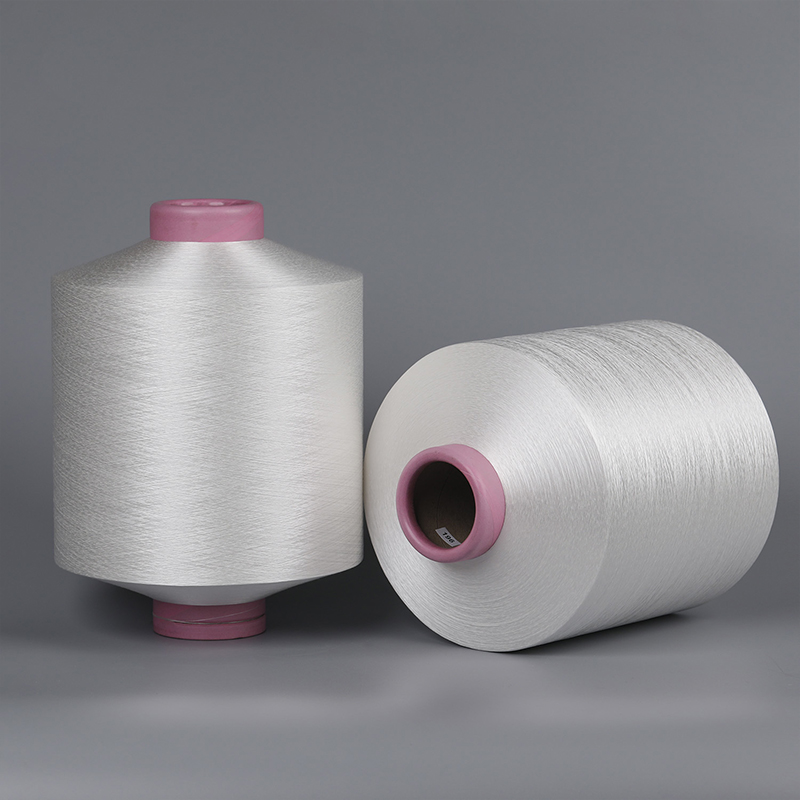 Custom ECDP Draw Texturing Yarn for Atmospheric Deep DyeingModified polyester DTY designed for 85°C atmospheric-pressure deep dyeing, suitable for spandex blends and applications from underwear to sportswear.View Product →
A trial of 5 to 10 kg per specification tells you how the yarn behaves on your machine. It does not tell you whether the mill can repeat that result twelve months later, so a few checks belong in the first conversation.
If you are still separating the stages in your own head, this plain-language explanation of what POY yarn is covers the same ground from the spinning angle. When your denier and elongation targets are fixed, send the specification to our team and we will match it against a production lot.
Partially oriented yarn rewards buyers who treat it as an engineered intermediate rather than a commodity reel. Fix the denier, the elongation CV, the oil pick-up and the package format; verify the data lot by lot; then let the texturing recipe follow the yarn instead of fighting it. That sequence is what keeps shade banding off the dyehouse floor and keeps a texturing position running at full speed.
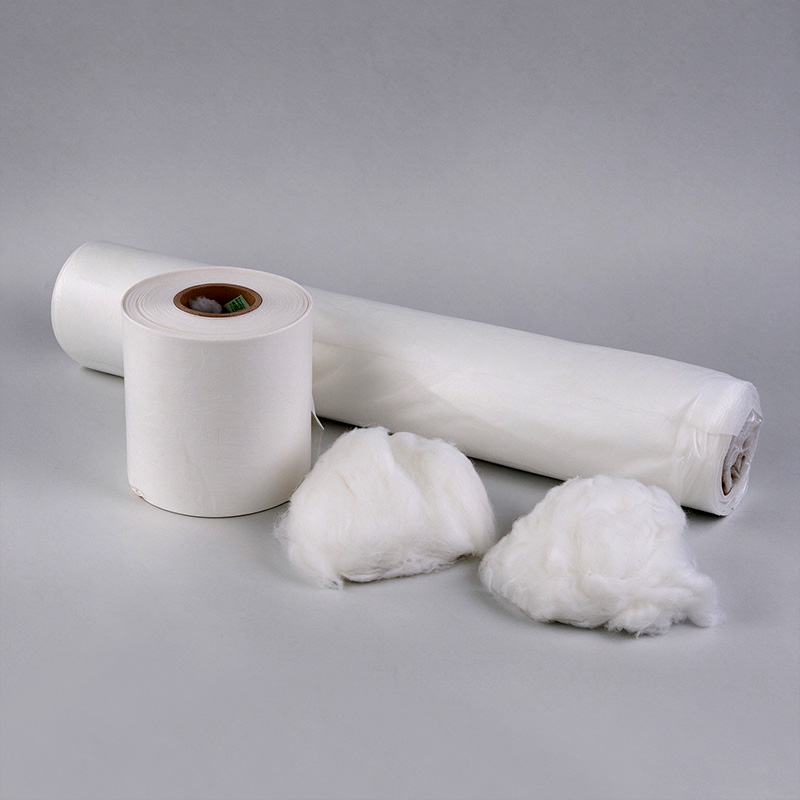
Made of PBS (Polybutylene Succinate), fully biodegradable.Features:1.Home compostable2.Raw material: PBS Polybutylene Su...
READ MOREPlease fill out the form below and our team will contact you as soon as possible.
Addres: No.66 Qiaogang Road, Haian, Nantong City, Jiangsu Province, China
E-mail: service@gcfiber.com admin@gcfiber.com
Copyright ? GC FIBER All Rights Reserved. Eco-Friendly Textile Products Manufacturer Biodegradable Yarn Company