English
 中文简体
中文简体Made of PBS (Polybutylene Succinate), fully biodegradable.Features:1.Home compostable2.Raw material: PBS Polybutylene Su...
READ MORE
Content
A specification sheet arrives with two words that decide price, certification and test planning: recycled polyester. The fibre itself is ordinary PET, the same polymer as virgin polyester. What changes is the route it travelled to reach your machine, and that route decides what you can claim, how easily it dyes, and how repeatable the next lot will be.
The short answer: recycled polyester, usually written rPET, is polyethylene terephthalate made from post-consumer or post-industrial waste such as beverage bottles, spinning waste, cutting offcuts and, increasingly, worn garments, instead of newly refined petrochemical feedstock. The chemistry stays the same. The supply chain, the contamination risk and the price mechanism do not.
That gap explains a scene most buyers recognise: two suppliers quote the same 150D/48F yarn, one comfortably priced and one noticeably higher, and the cheaper yarn raises filter pressure within a few hours of spinning. Nothing in the word "recycled" tells you which one you are holding.
Polyester is PET, a polymer built from terephthalic acid and monoethylene glycol. The letter "r" says nothing about the molecule; it describes what was melted to make it. Three feedstock streams dominate commercial supply:
Bottle flake dominates because it is easy to collect in volume and relatively clean. Garment-to-garment recycling remains difficult. Two clarifications save trouble later: recycled content and recyclability are different properties, and "recycled" without chain-of-custody documentation is a description rather than evidence.
Most quality differences between rPET offers trace back to one question: was the waste melted, or chemically taken apart?
Bottles or clean fibre waste are sorted, washed, dried, shredded and melted, then re-extruded into pellets or spun directly into filament and staple. Each melt cycle shortens the polymer chain and lowers intrinsic viscosity, so IV has to be managed deliberately. The route is energy-efficient and widely available, but it cannot erase colour reliably and is sensitive to PVC or PLA contamination.
Depolymerisation through glycolysis, methanolysis or hydrolysis breaks PET back into monomers such as BHET, DMT and MEG, which are then repolymerised into fresh PET. Quality approaches virgin grade and dyes are removed, but energy use, cost and available capacity are higher, so this route still serves premium and food-contact applications more than commodity fibre.
| Aspect | Mechanical recycling | Chemical recycling |
|---|---|---|
| Feedstock | Sorted bottle flake, clean fibre scrap | Mixed, coloured or blended textile waste |
| Core process | Wash, shred, melt, re-extrude or direct spin | Depolymerise to monomers, then repolymerise |
| Polymer quality | IV falls with each melt cycle | Restored close to virgin IV |
| Colour options | Grey and black predominate; dope dyeing helps | White and pastel shades feasible |
| Energy and cost | Lower energy, lower cost, wide capacity | Higher energy and cost, limited capacity |
On paper, no. Match intrinsic viscosity, spinning temperature, draw ratio and finish, and recycled filament behaves much like virgin PET: similar tenacity, elongation, shrinkage and dye uptake. In practice, the differences appear in the details.
The answer is specification rather than faith: ask for IV, contamination limits and a pre-shipment test report, adjust filtration to the polymer actually arriving, and run a trial before committing a full production run.
rPET suits applications where durability, dimensional stability and easy care matter more than compostability:
Dope dyeing deserves mention here. Adding colour in the melt instead of the dye bath removes an entire wet process, and it is often the simplest way to work with mechanically recycled polymer whose colour history cannot be fully erased.
Hand feel is settled later, at spinning. Where softness and moisture management drive the brief, denier per filament and filament count matter more than the feedstock label. A fine-denier option that illustrates the point:
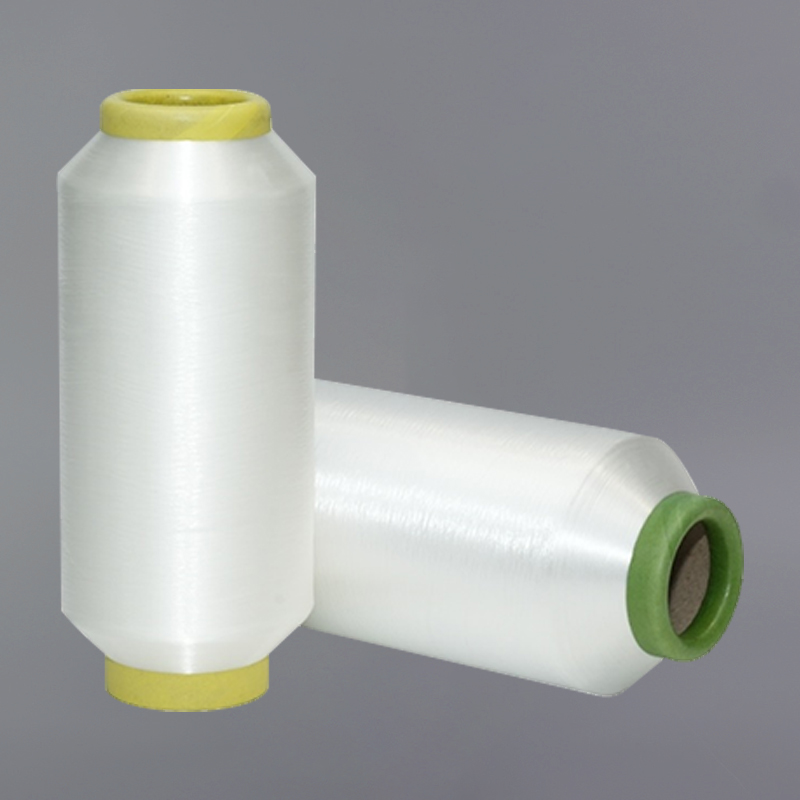 Custom Polyester Micro Filament DTY YarnFine-denier DTY yarn with DPF below 0.5, suited to lightweight apparel, linings, and soft peach-skin or suede-like fabrics where hand feel matters.View Product →
Recycled polyester is not automatically the lowest-impact option in every application, and buyers who treat it that way get caught out. Four limits matter:
rPET and biodegradable polymers answer different questions. rPET keeps existing PET in circulation, which suits durable products with established collection systems. PLA and PBS target the opposite problem: what happens when a product is lost to the environment or has to break down in an industrial compost stream.
PLA is plant-based, processes at much lower temperatures than PET, dyes in milder conditions and biodegrades under industrial composting. The trade-offs are heat resistance, limited composting infrastructure and a shorter record in demanding applications. For compostable nonwovens, agricultural textiles and single-use items, a fibre such as:
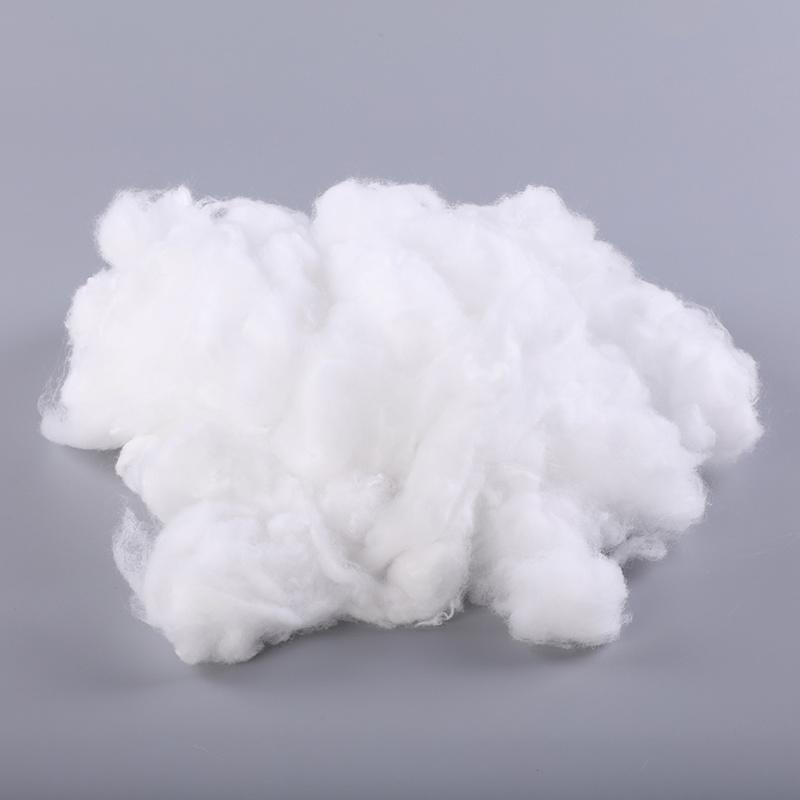 Custom PLA Biodegradable Staple FiberPlant-based staple fiber for compostable nonwovens, agricultural textiles, and single-use items, with lower dyeing temperatures than conventional polyester.View Product →
Functional fibres solve a different problem, cutting processing cost. Low-melt binder yarns replace solvent-based adhesives in lamination and shoe uppers, while anti-static yarns remove the need for topical finishes in technical textiles.
Because rPET varies more than virgin polymer, the purchase checklist runs longer than usual:
For a closer look at grades, recycling methods and selection criteria, this guide to recycled polyester fibre grades and buying criteria covers the specification side in more depth.
Recycled content rarely arrives alone. Most projects pair an rPET or biodegradable component with a functional fibre that makes the process work: a binder that melts at the right temperature, a yarn that controls static, or a carrier that dyes at a lower temperature.
GC FIBER has produced specialty and functional eco-textile fibres since 2006, supplying biodegradable PLA and PBS, low-melting yarns, ECDP, anti-static, HDPE, bicomponent and polyester filament yarns from its base in Nantong, Jiangsu, close to the Ningbo and Shanghai ports. The company positions itself as a co-development partner rather than a catalogue supplier, which matters when a recycled content target has to be matched to a specific bonding temperature, dyeing profile or hand feel.
For thermal bonding projects that would otherwise need an adhesive, a 110 °C polyester binder is a practical starting point:
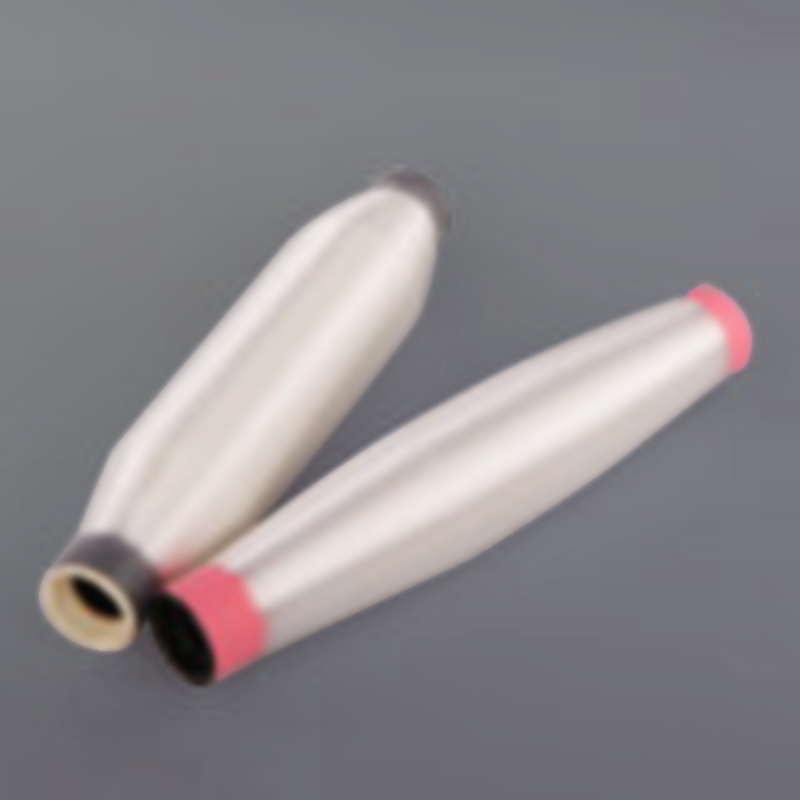 Pure Polyester Low Melting Yarn 110 DegreeThermal bonding yarn with a stable around 110°C melting point for projects needing adhesive replacement in 3D knits, shoe uppers, lace, and nonwovens.View Product →
If you are specifying recycled or functional fibre for a new programme, the technical team can review your process conditions and shortlist grades. Talk to the team about denier, temperature and certification requirements.
Recycled polyester is a feedstock decision, not a performance promise. The polymer is the same PET your machines already run; what changes is where it came from, how many times it has been melted, and how much documentation stands behind the claim.
Get the specification right, covering IV, contamination, colour route and certification, and rPET behaves like the polyester you know. Skip those steps, and the difference shows up on the machine, in the dye bath and in the audit.
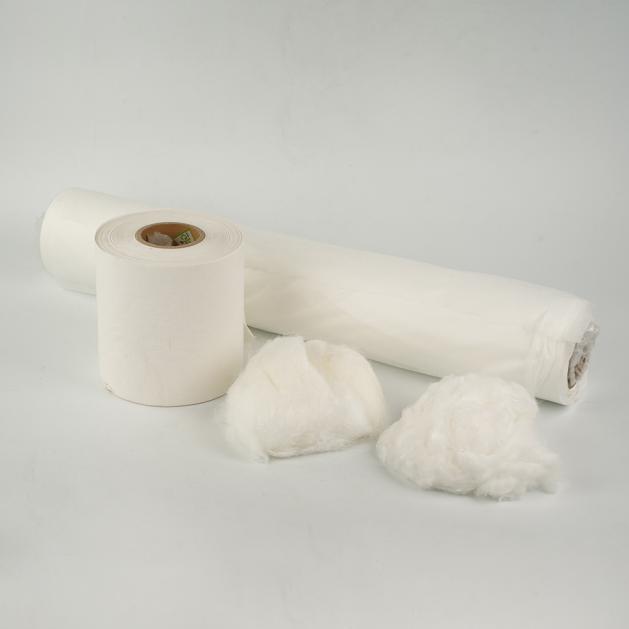
Made of PBS (Polybutylene Succinate), fully biodegradable.Features:1.Home compostable2.Raw material: PBS Polybutylene Su...
READ MOREPlease fill out the form below and our team will contact you as soon as possible.
Addres: No.66 Qiaogang Road, Haian, Nantong City, Jiangsu Province, China
E-mail: service@gcfiber.com admin@gcfiber.com
Copyright ? GC FIBER All Rights Reserved. Eco-Friendly Textile Products Manufacturer Biodegradable Yarn Company