English
 中文简体
中文简体It is made with Bio-base PLA, fully biodegradable Feature: 1. Industrial compost product 2. Made with PLA 3. Eco-frie...
READ MORE
Content
A 500 mL PET bottle weighs about 9 grams once the cap and label come off. A mid-weight knit top can take 250 to 400 grams of yarn, which means somewhere between 30 and 45 bottles end up on a hanger. That arithmetic is why recycled polyester fiber moved from a marketing story to a line item on fabric specifications.
Short version first: rPET (recycled polyethylene terephthalate) is the same polymer as virgin polyester, so it spins, textures, knits and dyes on the same equipment. The differences that actually bite are melt filtration, color consistency, lot-to-lot intrinsic viscosity, and the documentation behind the recycled-content claim. Put your attention there rather than on the fiber's basic performance.
Two feedstock families feed the market, and they behave differently on a spinning line.
Bottle flake typically arrives at an intrinsic viscosity (IV) of 0.75 to 0.80 dl/g, while fiber spinning usually wants 0.62 to 0.68 dl/g. Producers either blend flake with virgin chips, add chain extenders, or run solid-state polycondensation to land in range. When a supplier cannot tell you the target IV and how they hold it, that is the first sign a lot will run inconsistently.
Most rPET fiber today is mechanically recycled: flake is dried, melted, filtered and re-pelletized, then spun. Chemical recycling breaks the polymer back to monomers and rebuilds it, which strips out dyes, additives and contamination. Chemical capacity is still small and costs more per kilogram, so it tends to be reserved for high-clarity and demanding technical yarns.
| Criterion | Mechanical route | Chemical route |
|---|---|---|
| Input tolerance | Prefers clean, single-color flake; sensitive to PVC, glue and metal | Handles mixed color, blended and heavily contaminated waste |
| Color control | Depends on flake sorting; dark shades are easier than white | Near-virgin clarity; white and pastel shades are realistic |
| Typical IV range | 0.60 to 0.70 dl/g, adjusted by blending or solid-state treatment | 0.62 to 0.80 dl/g, built to specification |
| Energy and cost | Lower energy demand, lower cost per kilogram | Higher energy demand, higher cost per kilogram |
| Best fit | Apparel, home textiles, nonwovens, industrial fabrics | Food-contact, technical and high-clarity brand programs |
Recycled content is a sourcing decision; spinning continuity is a technical one. These are the numbers plant engineers usually demand before accepting a trial lot.
Yarn form matters as much as polymer grade. If you are unsure whether your process wants partially oriented, fully drawn or textured yarn, the POY, FDY and DTY comparison covers the trade-offs in draw ratio, crimp and downstream handling.
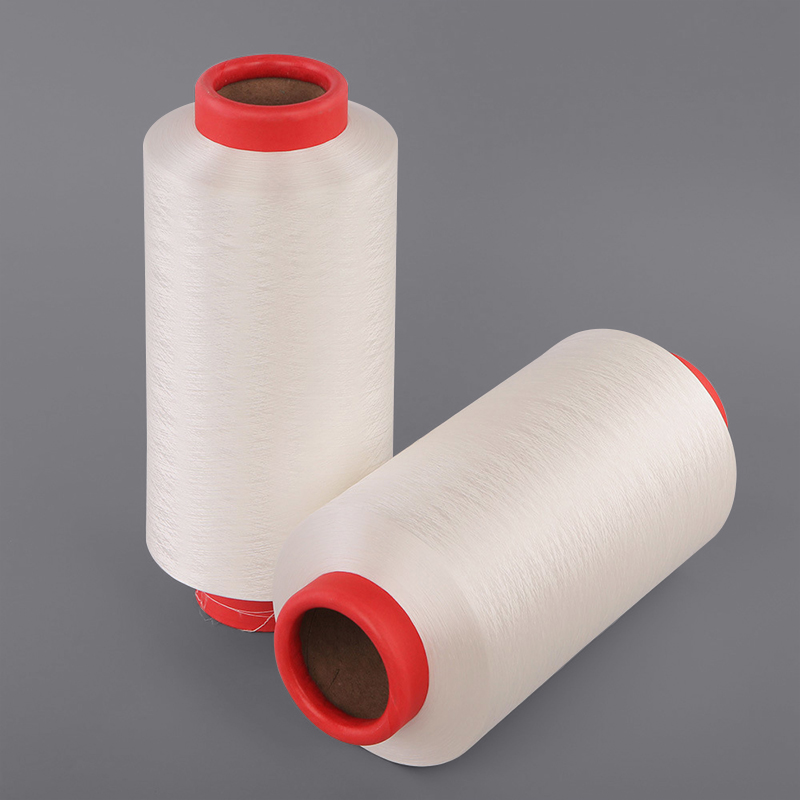
For fine-denier programs, rPET is also spun as continuous micro filament, which adds softness and opacity to the fabric without changing the polymer story.
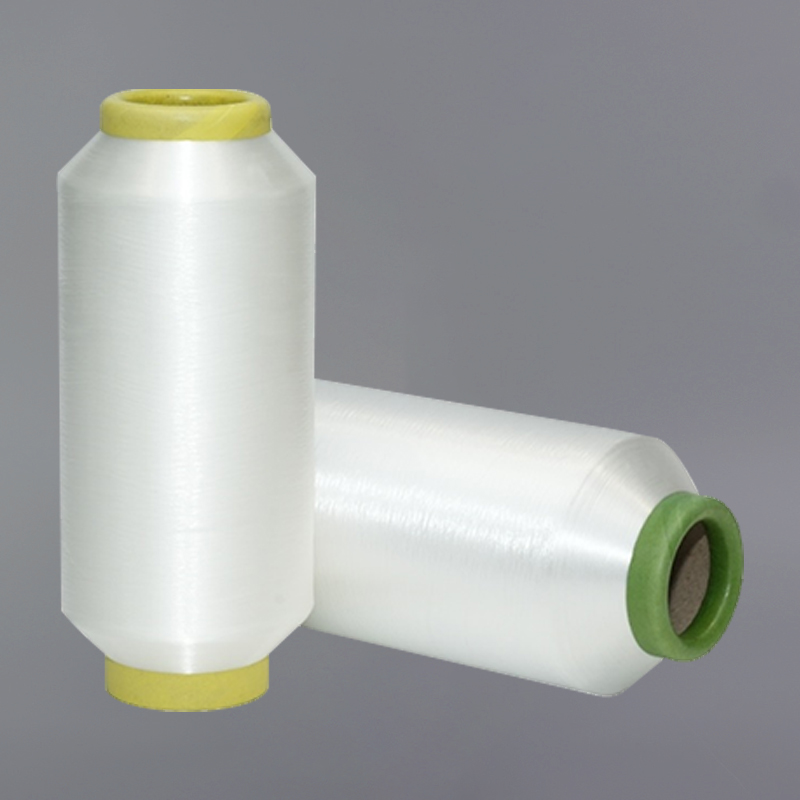 Polyester Micro Filament YarnIt is made with polyester, we can special produce micro filament, DPF can less 0.5View Product →
In practice, rPET performs best where the fiber itself is not the star of the specification.
In nonwovens and footwear, rPET is frequently combined with a low-melting binder fiber so the web bonds with heat instead of adhesive. A 110 °C polyester low-melting yarn is a common choice, because its bonding window sits safely below the melting point of the base fiber.
 Pure Polyester Low Melting Yarn 110 DegreeOur Pure Polyester Low Melting Yarn (100% Low-Melt PET) is engineered with a highly stable 110℃ melting threshold to deliver a cost-effective, high-strength industrial...View Product →
All polyester textiles shed fibers during washing, and the recycling route does not change that. If shedding is the concern, the levers are fabric construction, yarn type, washing conditions and filtration at the wastewater stage.
Demand for clear bottle flake has grown faster than supply, so rPET pricing swings with bottle bale markets and can move independently of virgin PET. It is not automatically cheaper, and a quote far below market usually signals mixed-color flake or an unverified content claim.
rPET persists in the environment exactly like virgin polyester. Where end-of-life degradation is a genuine requirement, the material change is to PLA or PBS. PLA staple fiber, for instance, brings a lower dyeing temperature and industrial compostability that rPET cannot offer.
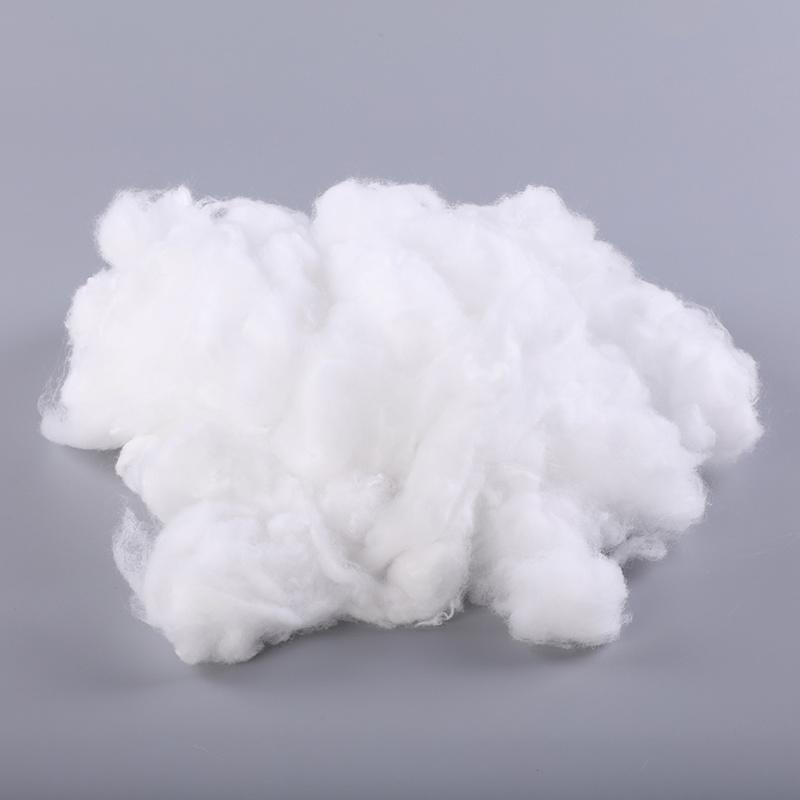 PLA Biodegradable Staple FiberOur PLA Biodegradable Staple Fiber offers the perfect bridge between premium textile performance and environmental responsibility. Derived from renewable plant resourc...View Product →
Recycled-content claims are only as good as the paperwork behind them. Three schemes cover most of what buyers need.
Alongside certificates, request per-lot lab data for IV, filter pressure value and moisture. Traceability is far easier to defend when the numbers and the documents travel together.
Recycled polyester fiber is no longer a compromise material. For most apparel, home textile and nonwoven programs it is a straight substitution, and the engineering effort belongs in filtration, moisture control and lot verification rather than in rethinking the fabric. The buyers who get the best results treat rPET like any other polymer: pin the numbers in writing, run a modest trial, and keep the documentation attached to the lot. If you are weighing a bottle-based filament against a bio-based route, it is worth mapping the full fiber portfolio before locking the specification, because the decision usually comes down to end-of-life requirements rather than spinning performance.
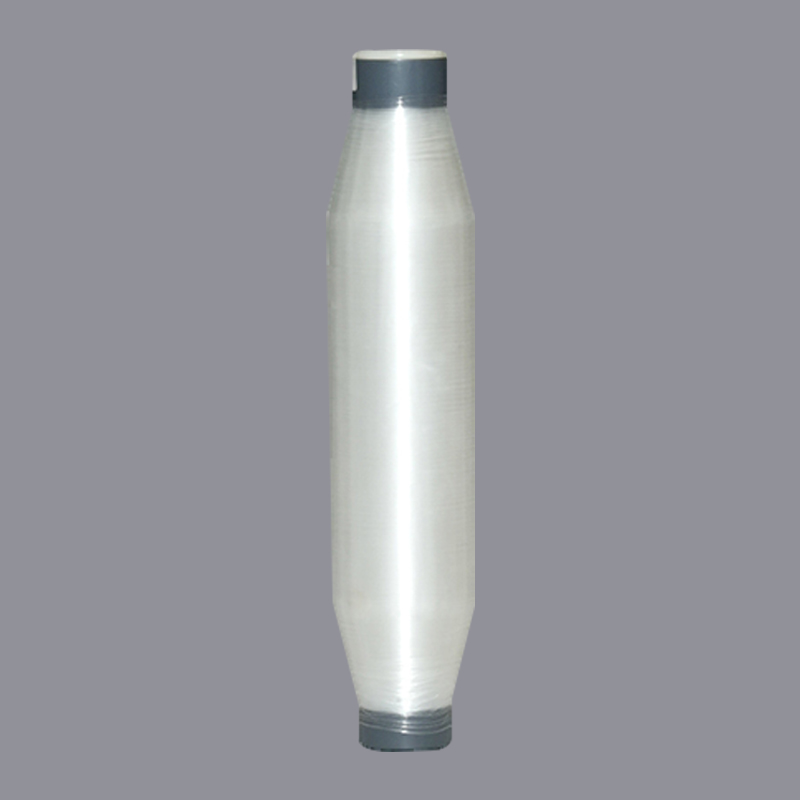
It is made with Bio-base PLA, fully biodegradable Feature: 1. Industrial compost product 2. Made with PLA 3. Eco-frie...
READ MOREPlease fill out the form below and our team will contact you as soon as possible.
Addres: No.66 Qiaogang Road, Haian, Nantong City, Jiangsu Province, China
E-mail: service@gcfiber.com admin@gcfiber.com
Copyright ? GC FIBER All Rights Reserved. Eco-Friendly Textile Products Manufacturer Biodegradable Yarn Company