English
 中文简体
Made of PBS (Polybutylene Succinate), fully biodegradable.Features:1.Home compostable2.Raw material: PBS Polybutylene Su...
READ MORE
Content
Spun polyester is easy to buy badly. A fabric can look correct on a sample card, then arrive with a softer hand, more hairiness, or faster pilling than the filament polyester it was meant to replace. The practical distinction is simple: spun polyester is polyester staple fiber twisted into yarn, not a separate polymer. The base resin may be standard PET, recycled PET, or a modified polyester; the spinning route, staple length, fiber denier, twist, and finishing decide how the yarn behaves in a tablecloth, uniform, bag, or filter.
If you are comparing quotations, compare yarn construction and test tolerances, not just the phrase “spun polyester.” Two mills can supply the same polymer and still deliver noticeably different pilling, shrinkage, and shade performance.
Filament polyester arrives as continuous strands. Spun polyester begins with cut staple, commonly around 38 mm or 51 mm for textile spinning, which is carded, drawn, and twisted into a yarn. Those short fiber ends create the cotton-like hand and dry texture many buyers want, but they also create a different set of risks: hairiness, pilling, and twist variation.
The spinning method is part of the specification. Ring spinning generally gives good uniformity and strength for finer counts. Open-end spinning is productive for coarser yarns and heavier fabrics. Air-jet spinning can produce a smoother, lower-hairiness yarn with a cotton-like feel. None is automatically better; the right route depends on the fabric, the finishing process, and the cost target.
| Feature | Spun polyester | Filament polyester |
|---|---|---|
| Yarn structure | Short staple fibers twisted together | Continuous filaments |
| Hand and surface | Softer, drier, more cotton-like; more texture | Smoother, cooler, more uniform |
| Strength pattern | Lower tenacity at equal count; twist dependent | Higher tenacity; smoother elongation curve |
| Pilling and hairiness | More sensitive to staple length, twist, and abrasion | Generally lower pilling and lower hairiness |
| Typical fit | Table linen, uniforms, bags, embroidery, some filtration | Apparel, upholstery, industrial, fine-denier uses |
For a quick visual check, do not judge spun polyester by a small swatch under office light. Ask for a finished, washed sample and compare it with the filament option under the same lighting. The difference in surface reflection is often clearer than any verbal description.
Most quality problems in spun polyester are built in before the fabric is woven or knitted. A useful mill discussion covers five stages:
Twist is a common blind spot. A low-twist yarn feels soft and absorbs surface texture well, but it can fuzz and pill. A high-twist yarn is stronger and cleaner but may feel wiry and lose elongation. Heat setting can stabilize twist and reduce later shrinkage, but it adds cost and must be matched to the fiber’s thermal history.
If the brief actually needs continuous filament rather than staple yarn, test that route before locking the purchase order. A fine-denier filament such as GC Fiber’s polyester micro filament yarn is a different product class, not a like-for-like substitute.
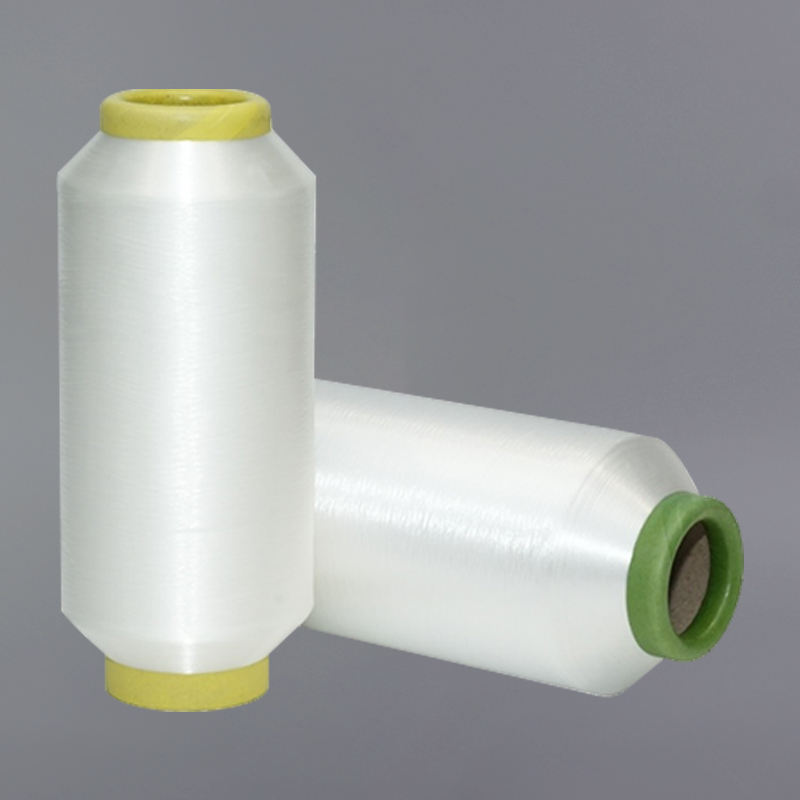 Custom Polyester Micro Filament DTY YarnFine-denier continuous filament DTY for lightweight apparel and soft fabrics; evaluate it as a separate route from staple yarn.View Product →
That distinction matters at the sampling stage: a filament sample will not reveal how a spun yarn pills, how much it shrinks after washing, or how it behaves in a high-twist embroidery application.
Spun polyester usually wins where a dry, soft hand, good cover, and seam strength matter more than a mirror-smooth surface. It is common in commercial table linen and napkins because the staple yarn creates a linen-like texture that hides creases; heavier constructions reduce show-through but raise cost. It also appears in uniforms, workwear, bags, promotional textiles, home textiles, and some filtration products.
It is a weaker choice for high-tenacity industrial slings, demanding filtration where low hairiness is critical, or any application designed around continuous filament. In those cases, changing to spun polyester can alter elongation, surface friction, and dimensional stability enough to require full re-validation.
In nonwoven or thermal-bonding projects, a low-melt binder fiber may sit alongside spun polyester. GC Fiber’s sheath-core polyester low-melting yarn 110 C is one reference point for that separate component; it is not a replacement for the main spun yarn.
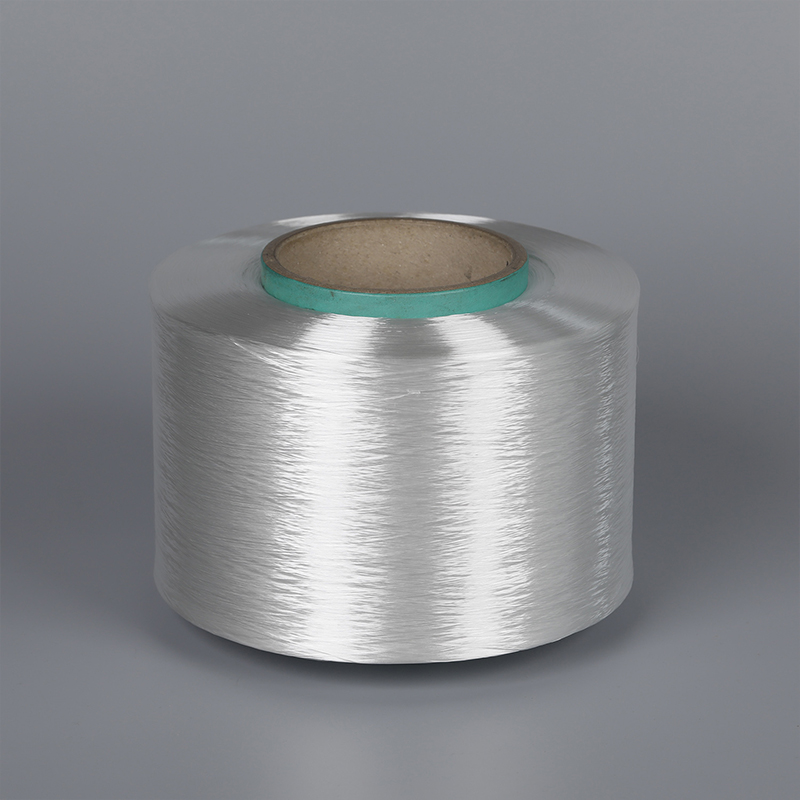 Sheath-Core Polyester Low-Melt Bonding Yarn 110°CBicomponent 110°C binder yarn for thermal-bonding projects, available in fine counts and used alongside—not instead of—the main spun yarn.View Product →
A purchase order that says “spun polyester” is not a specification. It leaves the supplier to choose fiber grade, staple length, twist, and finishing. A workable RFQ should define the following:
Ask for a pre-production sample from the same fiber lot and spinning route, not only a stock card. Test it after the intended wash or heat process, because pilling and shrinkage can change after finishing. For color-critical programs, approve a lab dip and a bulk sample under the agreed light source.
Commercially, confirm whether the supplier spins staple in-house or trades the yarn. That affects lot traceability, minimum order, and how quickly a twist or staple-length change can be made. GC Fiber, a specialty chemical fiber supplier based in Jiangsu, works with customers on custom fiber and yarn development and lists filament, ECDP, low-melting, and biodegradable options.
That route is relevant only if the brief calls for a specialty fiber program; for a standard spun polyester tablecloth, a spinner with documented staple-yarn experience is the more direct choice. Also confirm shipping terms and port access before setting a delivery date, since suppliers near Ningbo and Shanghai can have different cut-off times and consolidation options.
Most bulk-order disappointments in spun polyester come from a specification gap rather than a bad polymer. The following issues show up repeatedly:
The fix is not a longer purchase order. It is a shorter list of critical-to-quality attributes with agreed test methods. For table linen, that may be pilling, shrinkage, and shade after washing. For uniforms, it may be abrasion, colorfastness, and seam strength. For bags, it may be tenacity, elongation, and UV stability. Test what the customer will actually do to the product, not just what is convenient in the lab.
Spun polyester is a practical, cost-effective yarn family when the specification matches the end use. It gives a soft, dry hand and good cover, but it is not a drop-in replacement for filament polyester, and it should not be bought on price per kilogram alone. Define the staple, twist, shrinkage, and performance tests first; then compare samples from the same production route. That sequence catches most problems before the bulk order leaves the mill.
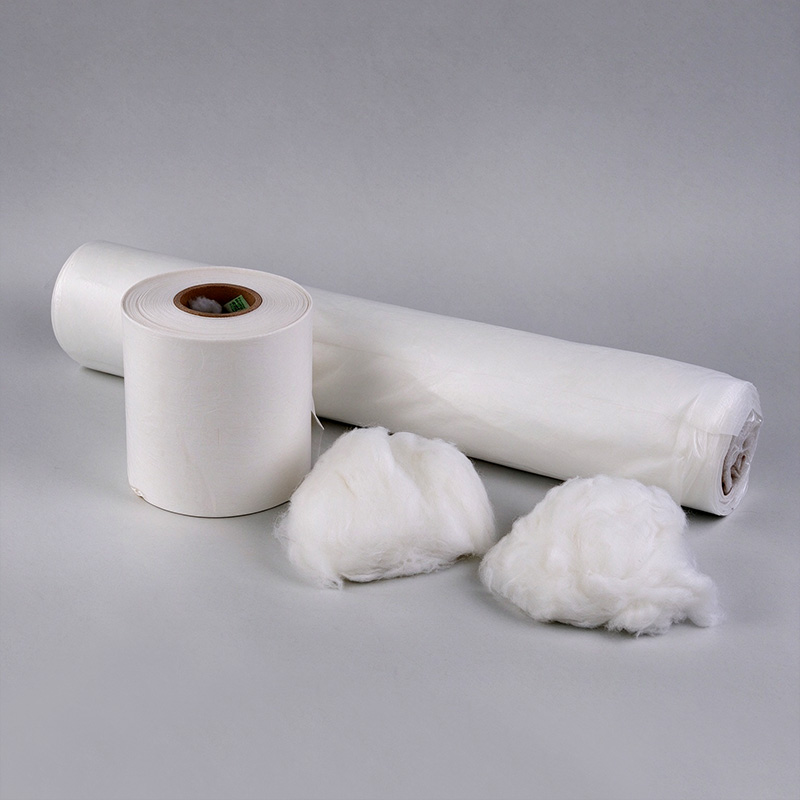
Made of PBS (Polybutylene Succinate), fully biodegradable.Features:1.Home compostable2.Raw material: PBS Polybutylene Su...
READ MOREPlease fill out the form below and our team will contact you as soon as possible.
Addres: No.66 Qiaogang Road, Haian, Nantong City, Jiangsu Province, China
E-mail: service@gcfiber.com admin@gcfiber.com
Copyright ? GC FIBER All Rights Reserved. Eco-Friendly Textile Products Manufacturer Biodegradable Yarn Company