English
 中文简体
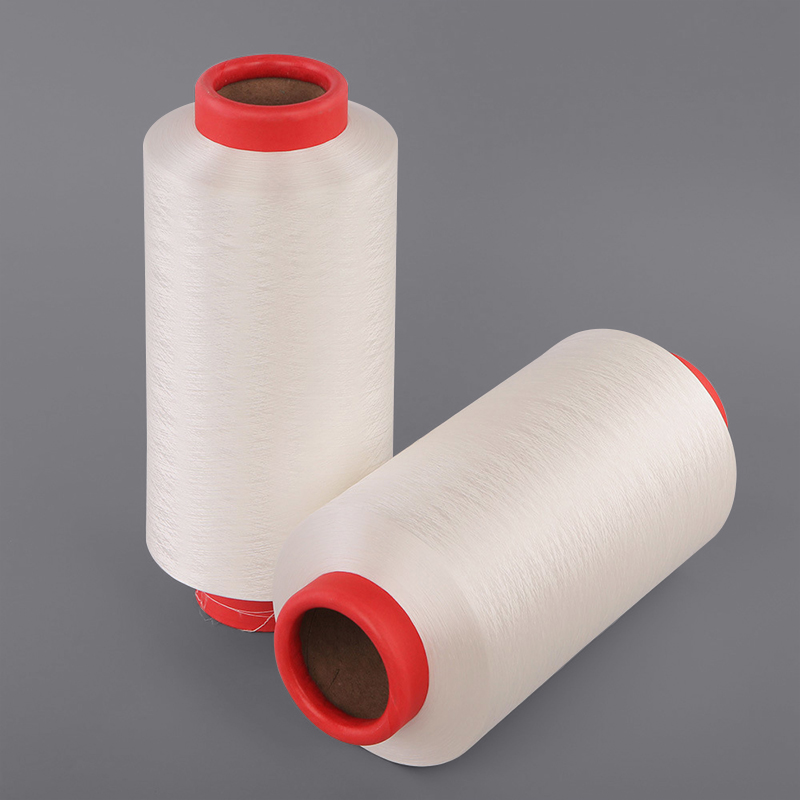
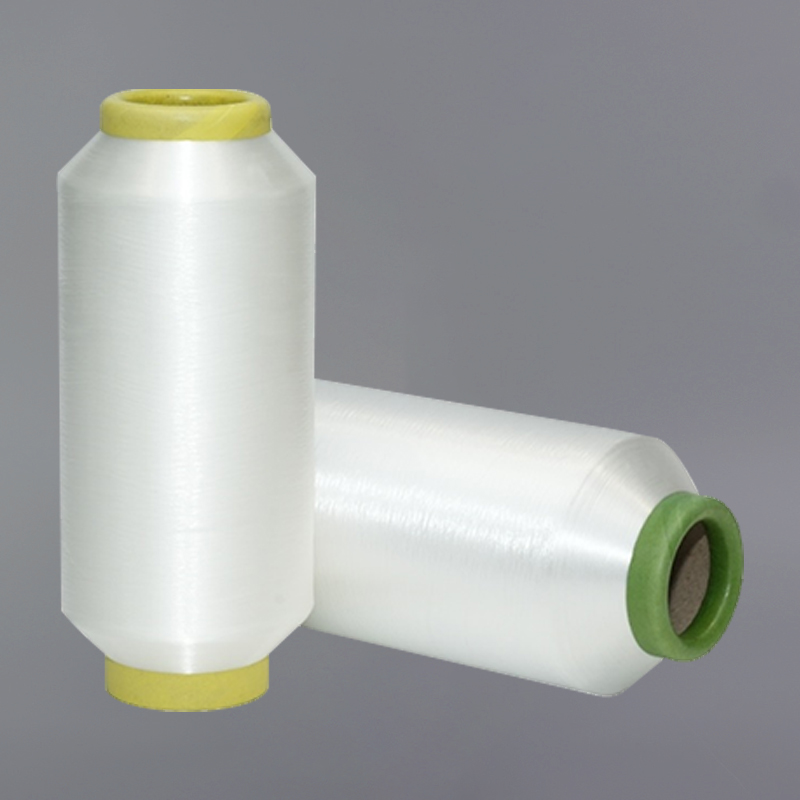
中文简体It is made with Bio-base PLA, fully biodegradable Feature: 1. Industrial compost product 2. Made with PLA 3. Eco-frie...
READ MORE
Content
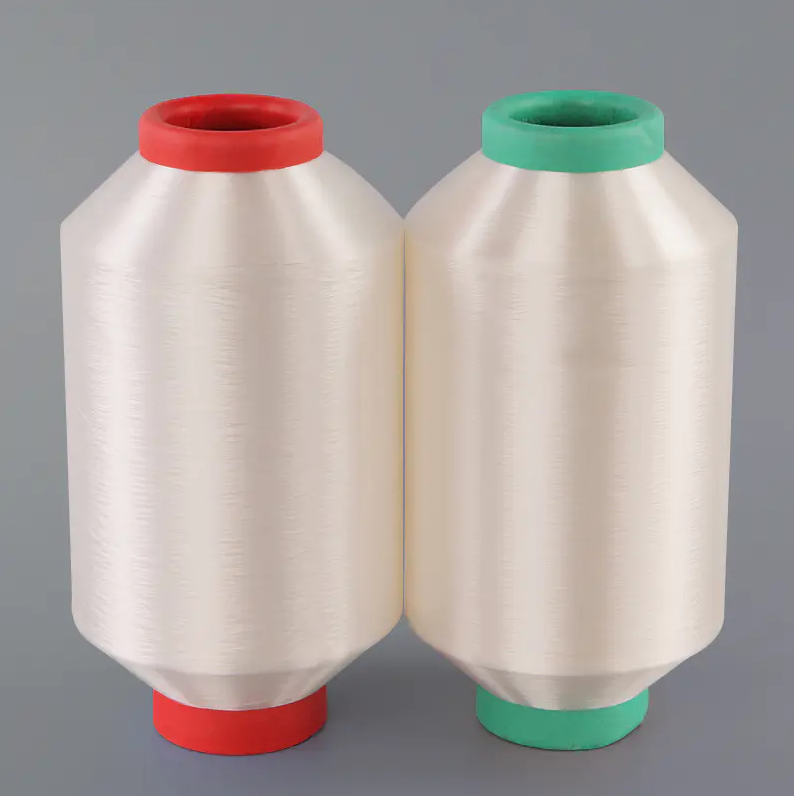
100% nylon yarn is best known for its exceptional strength, abrasion resistance, and elasticity, making it ideal for hosiery, activewear, technical textiles, and bonding applications when produced as a low melting fiber. Among the many variants, Pure Nylon Low Melting Yarn 110 Degree stands out as a specialized product that combines the durability of nylon with a precise low-temperature bonding function, opening up applications that standard nylon yarn cannot fulfill.
Quick answer: 100% nylon yarn is good for durable hosiery, sportswear, industrial webbing, embroidery thread, and thermal bonding products such as interlinings and laminated fabrics when manufactured with a low melt point.
| Property | Typical Value | Practical Benefit |
| Tensile Strength | 4.5 to 6.0 g/den | Resists tearing under repeated stretching |
| Elongation at Break | 25% to 45% | Returns to shape after stretching, ideal for hosiery |
| Moisture Absorption | 4% to 4.5% | Faster drying than cotton, reduces fabric weight gain |
| Abrasion Resistance | High | Extends garment and product lifespan |
| Melting Point (Standard) | 215 to 220 degrees C | Suitable for general weaving and knitting |
| Melting Point (Low Melt) | 110 degrees C | Enables fusing without damaging heat sensitive layers |
Standard nylon yarn melts at temperatures above 215 degrees C, which is far too high for many lamination and bonding processes involving foams, films, or printed fabrics. The Pure Nylon Low Melting Yarn 110 Degree is engineered to soften and bond at around 110 degrees C, a temperature low enough to protect delicate substrates while still creating a strong mechanical bond once cooled.
This makes the yarn especially useful in production lines where heat-sensitive components are present, such as foam-backed automotive interiors, printed labels, and multi-layer technical fabrics.
| Industry | Application | Why Nylon Low Melt Yarn Works |
| Apparel | Interlinings for collars and cuffs | Bonds fabric layers without stitching, reduces bulk |
| Automotive | Seat covers and door panels | Withstands vibration while bonding at low heat |
| Footwear | Shoe lining lamination | Strong adhesion to synthetic uppers |
| Medical Textiles | Surgical gown seam sealing | Low temperature avoids degrading barrier films |
| Embroidery and Patches | Iron-on emblems | Fuses patch to garment with household iron temperatures |
Polyester low melt fibers are common, but they typically activate between 80 and 130 degrees C with lower tensile recovery after bonding. Nylon low melt yarn at 110 degrees C offers a middle ground: a moderate activation temperature combined with nylon's superior flexibility and resistance to repeated flexing, which is important for products that experience constant motion such as shoe linings and seat covers.
If the end product requires general strength and elasticity without any bonding function, standard 100% nylon yarn in deniers ranging from 20D to 210D covers most apparel and industrial needs. However, if your production process includes a heat-press, calendering, or laminating step, choosing the Pure Nylon Low Melting Yarn 110 Degree allows you to integrate bonding directly into the textile structure, eliminating the need for separate adhesive films or extra stitching steps.
Summary: For durability and flexibility alone, choose standard nylon yarn. For durability plus a built-in low-temperature bonding function, the 110 degree low melt nylon yarn is the more efficient and cost-saving choice.
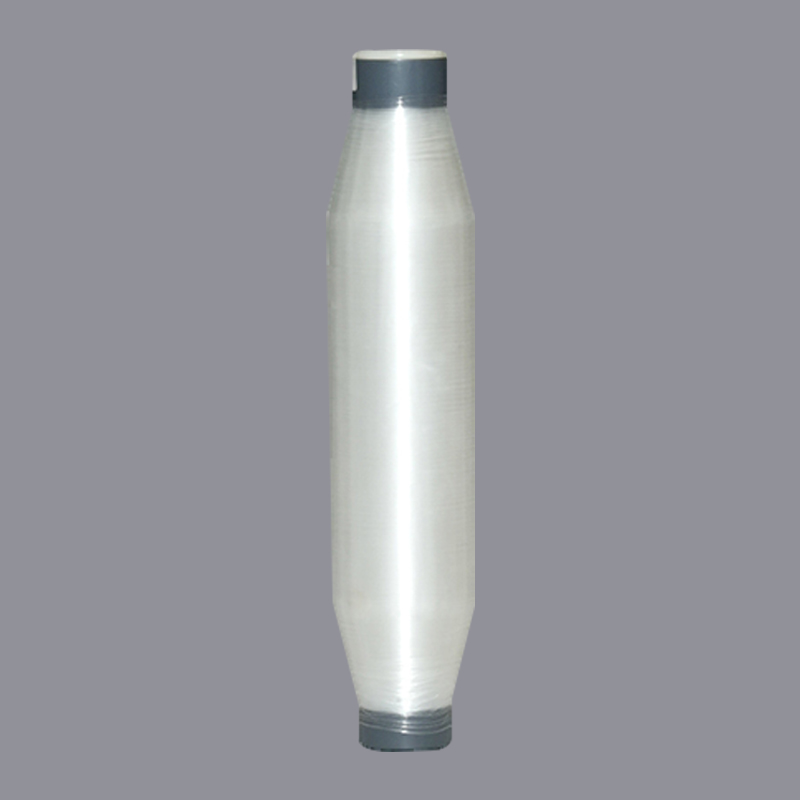
It is made with Bio-base PLA, fully biodegradable Feature: 1. Industrial compost product 2. Made with PLA 3. Eco-frie...
READ MOREPlease fill out the form below and our team will contact you as soon as possible.
Addres: No.66 Qiaogang Road, Haian, Nantong City, Jiangsu Province, China
E-mail: service@gcfiber.com admin@gcfiber.com
Copyright ? GC FIBER All Rights Reserved. Eco-Friendly Textile Products Manufacturer Biodegradable Yarn Company