 English
 中文简体
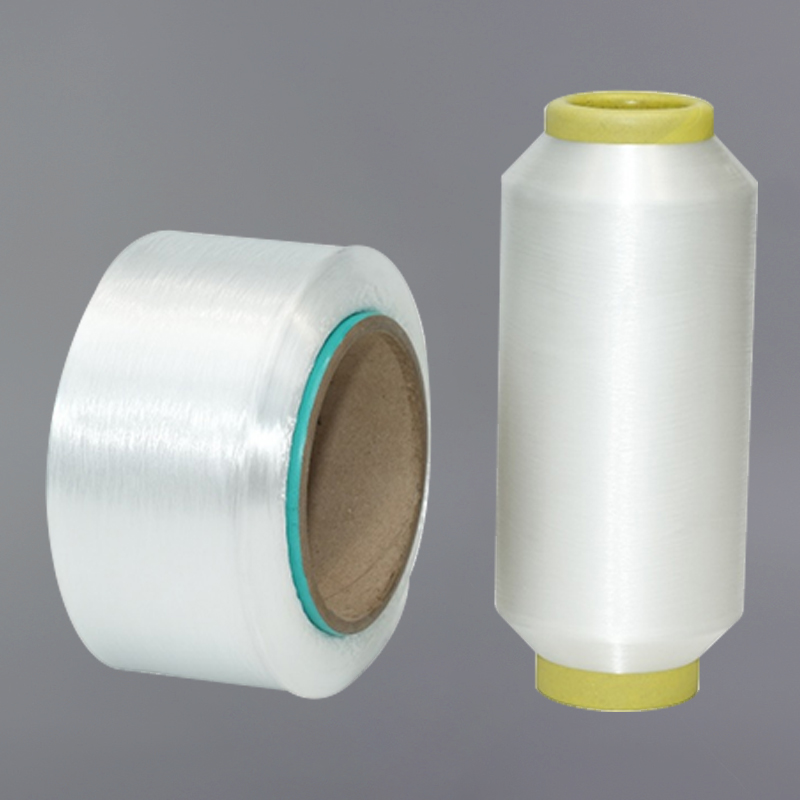
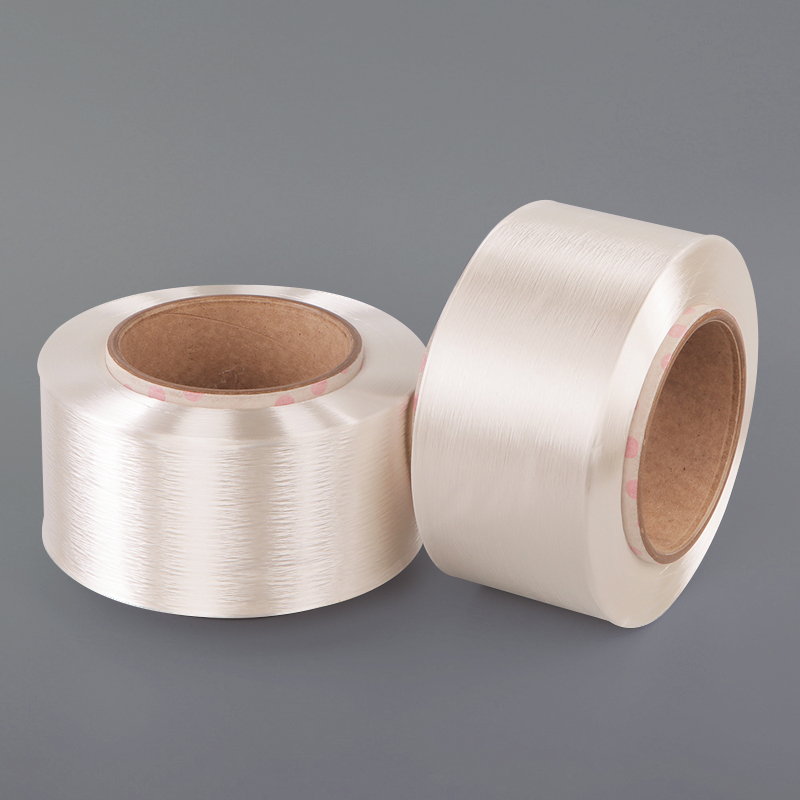
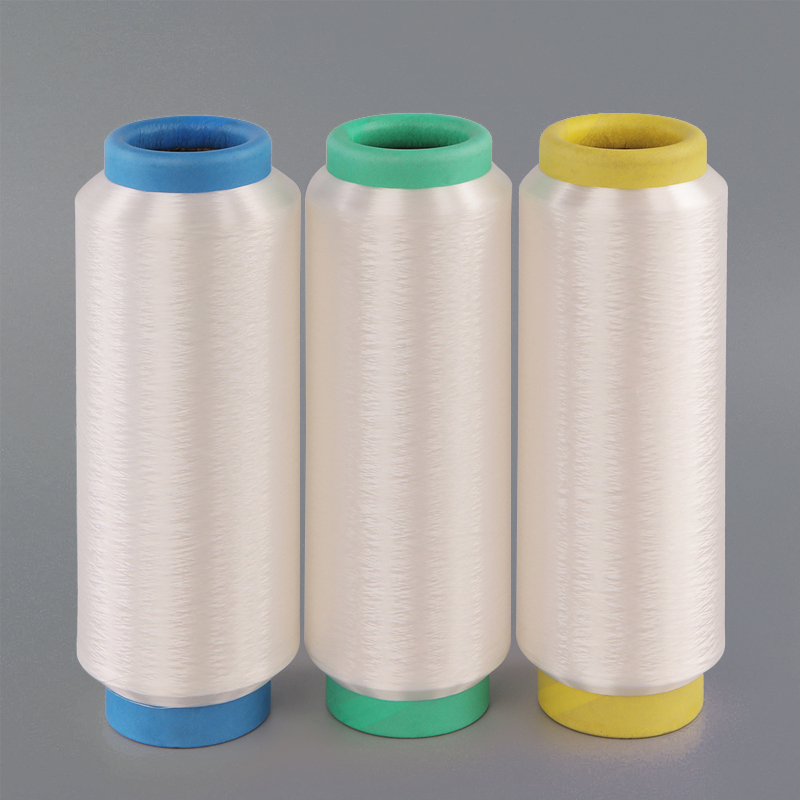
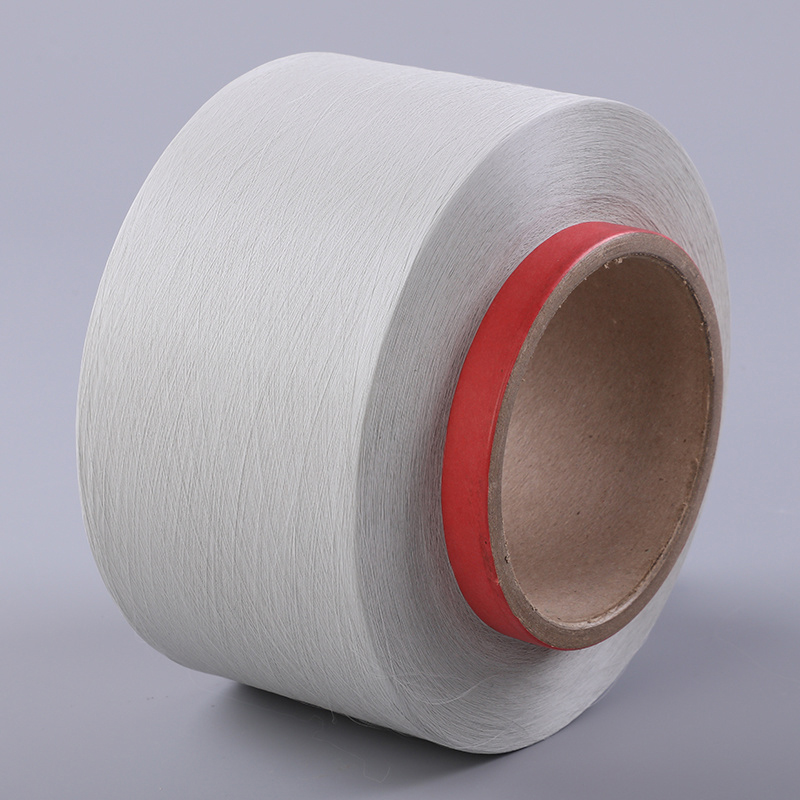
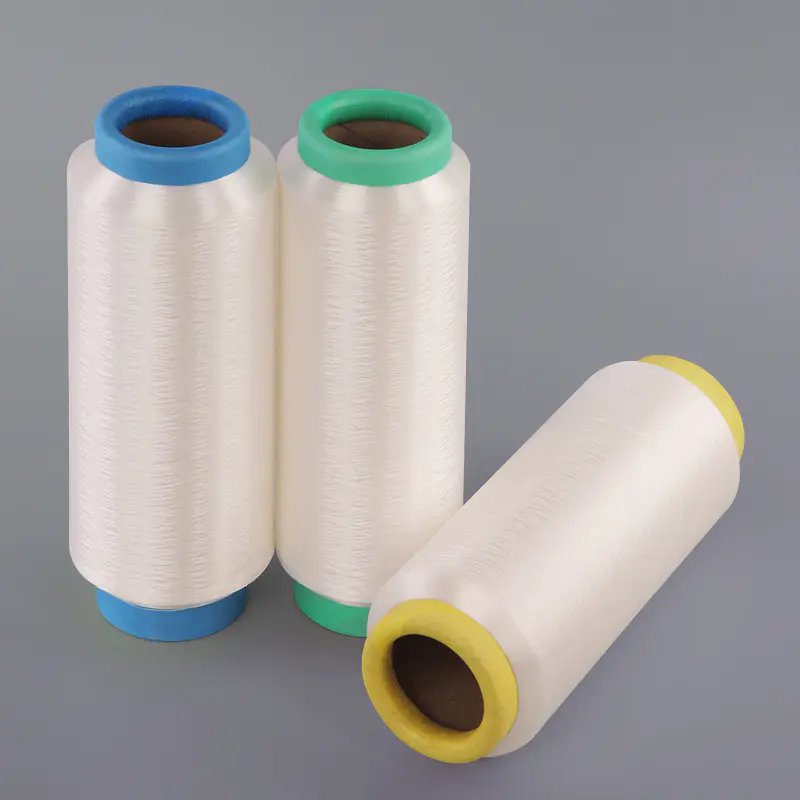


Specification
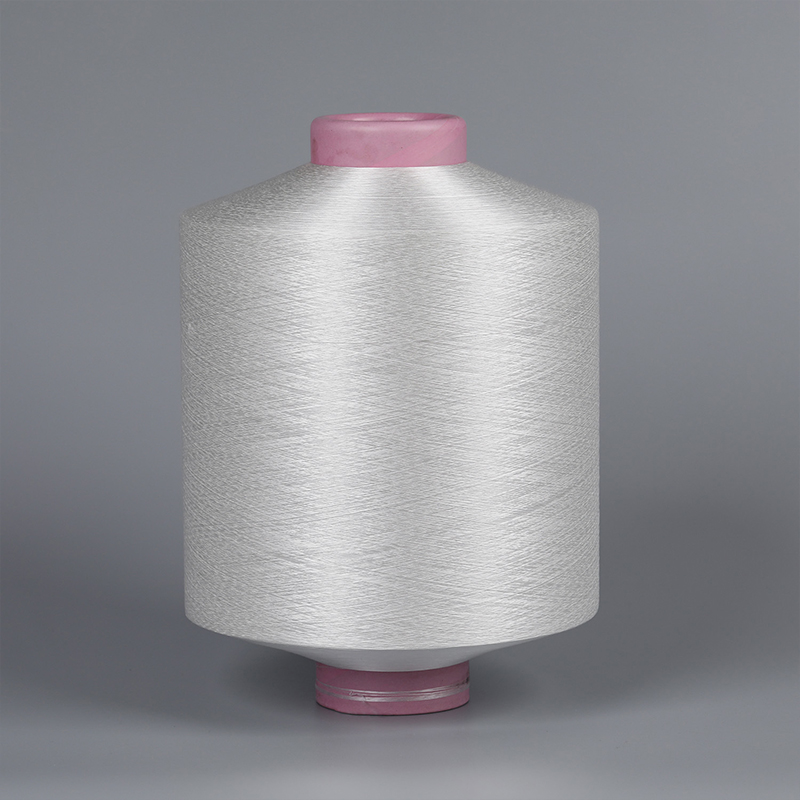
| Composition | Core: polypropylene (PP); Sheath: polyethylene (PE) |
| Cross-Section | Core-sheath (concentric or eccentric) or side-by-side, per order |
| PP/PE Ratio | 50:50, 60:40, 70:30 by weight (custom ratios available) |
| Denier per Filament | 1.5D – 6D (staple); 150D – 600D total (filament tow/yarn) |
| Fiber Length (staple form) | 38mm / 51mm / 64mm, or continuous filament tow on request |
| PP Core Melting Point | Approx. 160-165°C |
| PE Sheath Melting Point | Approx. 125-135°C |
| Tenacity | 3.0 – 5.0 cN/dtex |
| Elongation at Break | 30% – 60% |
| Bonding Temperature Range | 130-150°C (hot air or calendering bonding) |
| Color | Raw white / dope-dyed on request |
| Package | Bale (for staple fiber) or cone (for filament yarn), per customer requirement |
| MOQ | 1,000 kg per specification for staple fiber; 300 kg for filament yarn |
Application
PP-PE bicomponent yarn is mainly chosen for its low-temperature bonding behavior, which makes it a workhorse fiber in nonwoven manufacturing. Common uses include:
- Thermal-bond nonwoven fabrics: hot-air bonded or calendered nonwovens used across hygiene and medical products.
- Hygiene products: topsheet and acquisition layers in diapers, sanitary napkins, and adult incontinence products.
- Medical and protective nonwovens: surgical gown and mask components requiring reliable, chemical-free bonding.
- Geotextiles and filtration media: where a strong PP core needs to stay intact after low-temperature sheath bonding.
- Carpet backing and padding: nonwoven layers bonded without adhesive for a lighter, more consistent structure.
Advantage
- Low-temperature bonding: the PE sheath melts and bonds well below PP's melting point, protecting fabric strength and hand-feel during processing.
- Strength retention after bonding: the PP core stays structurally intact, so the fabric keeps its tensile strength even after heat treatment.
- Chemical-free bonding: replaces adhesive-based bonding, which is important for skin-contact hygiene and medical products.
- Good chemical and moisture resistance: polyolefin base resists water absorption and most common chemicals.
- Lower cost than many alternative bonding fibers: polyolefin raw materials keep this option competitive for large-volume nonwoven production.
- Consistent sheath coverage: our process control keeps sheath thickness even, which is directly tied to reliable bonding strength batch after batch.