 English
 中文简体
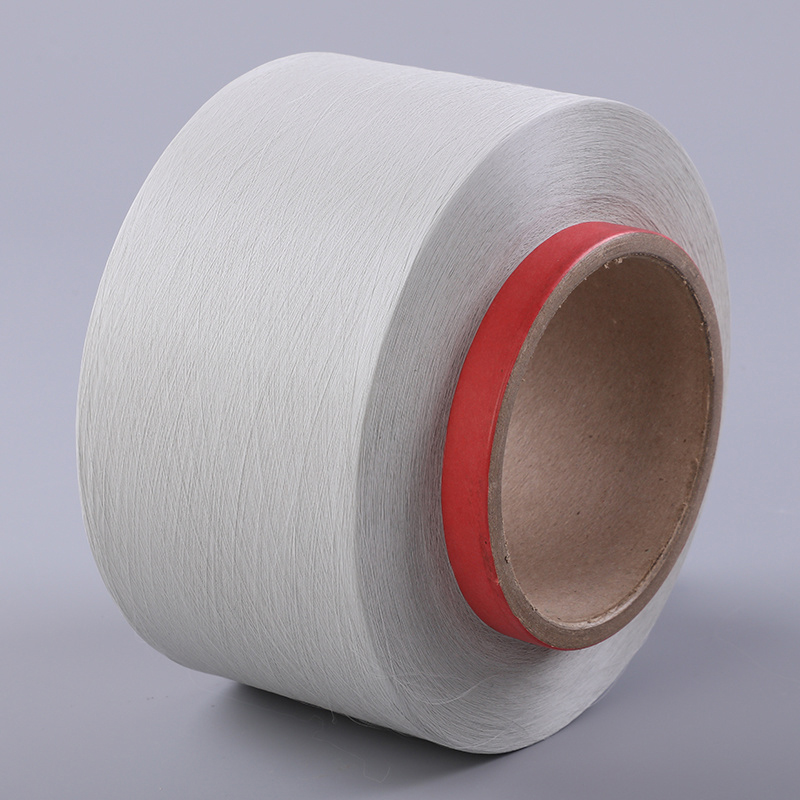
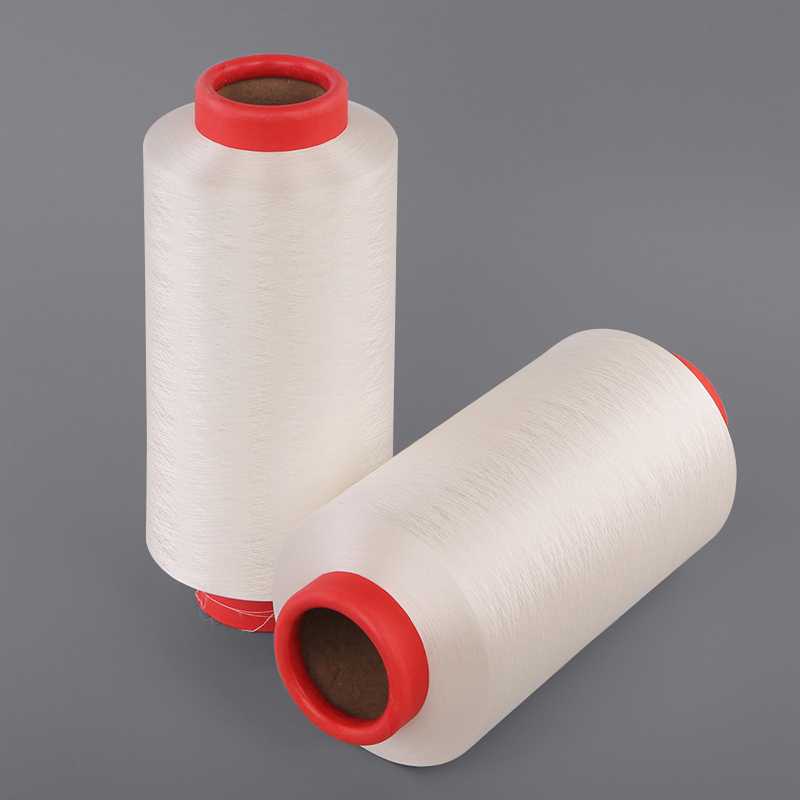
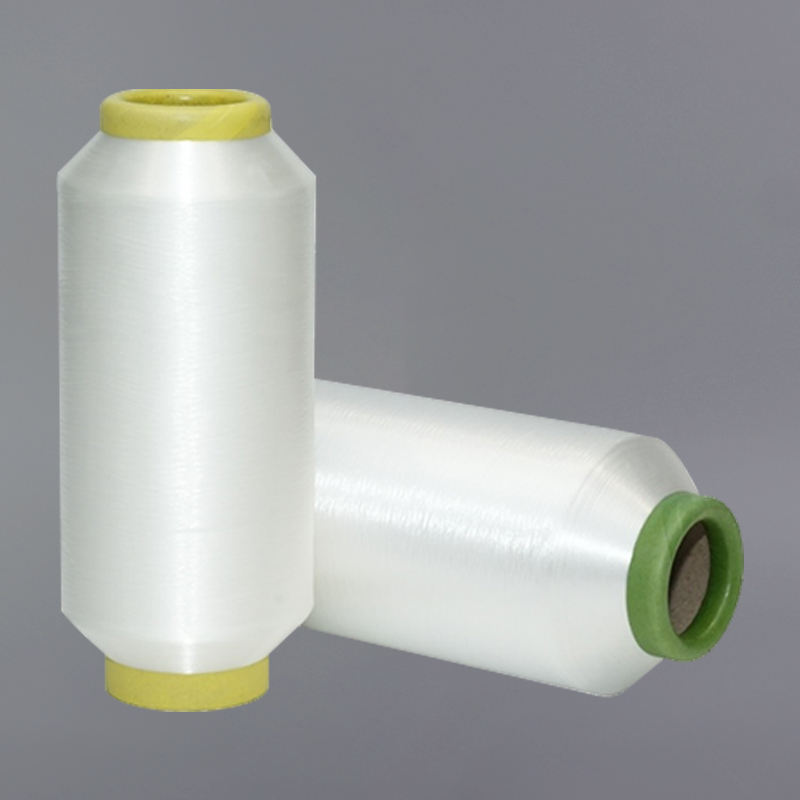
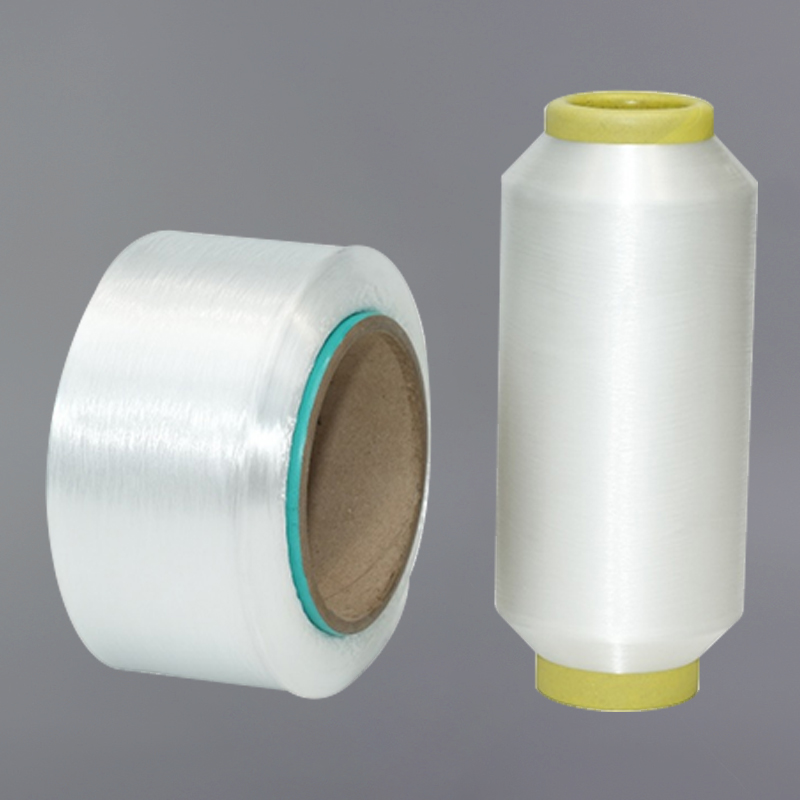
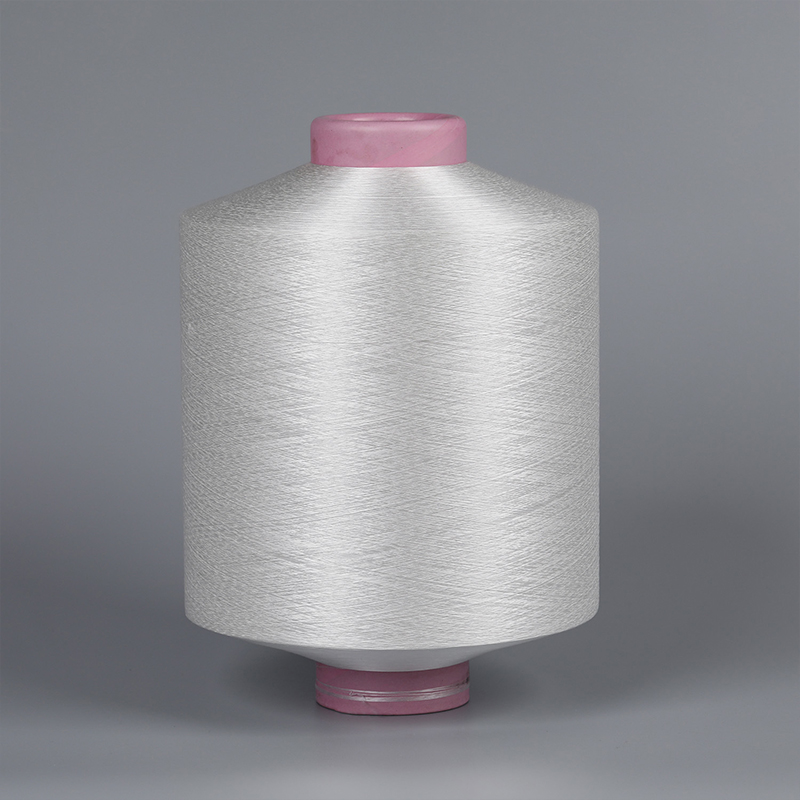


Specification
| Material Options | Polyester (PET) or polyamide (PA), automotive-grade |
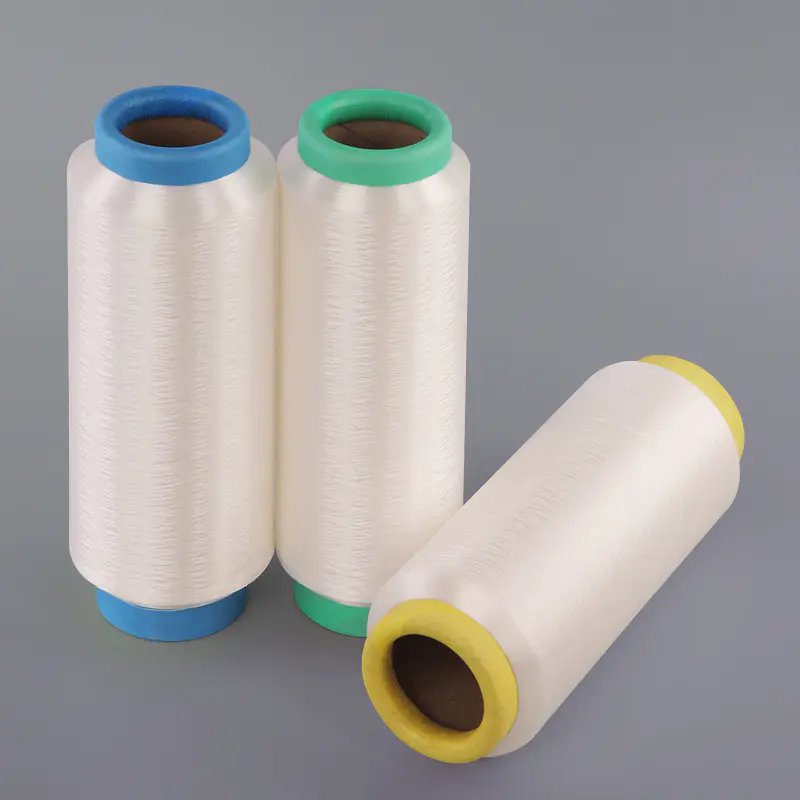
| Yarn Form | Textured filament (DTY), bulked continuous filament (BCF), or bicomponent technical yarn |
| Total Denier Range | 150D – 1200D depending on application (seat fabric vs carpet vs trim) |
| Filament Count | 48F – 288F, per application requirement |
| Tenacity | 3.0 – 5.5 cN/dtex |
| Abrasion Resistance | Engineered for extended Martindale abrasion performance in seat fabric applications |
| Light & Heat Colorfastness | Formulated for stability under prolonged UV and cabin heat exposure |
| Flame Retardancy Support | Compatible with standard automotive flammability requirements (e.g. FMVSS 302-type testing); FR-modified grades available on request |
| Color | Raw white / dope-dyed to OEM color standards |
| Package | Cone or spool packing, carton or pallet packaging for bulk shipment |
| MOQ | 500 kg per specification for standard grades |
Application
Automotive interior yarn is the raw fiber input for the fabric and trim components that make up a vehicle's cabin, including:
- Seat fabric: woven and knitted upholstery textiles requiring high abrasion resistance and consistent colorfastness.
- Automotive carpet: bulked continuous filament (BCF) yarn tufted into floor carpet and trunk lining.
- Headliner and roof trim: technical fabric layers bonded into the vehicle headliner assembly for appearance and acoustic performance.
- Door panel and pillar trim textiles: decorative and functional fabric covering interior trim components.
- Sun visors and armrest coverings: smaller interior components sharing the same durability and appearance requirements as larger trim panels.
Advantage
- Built for cabin durability: abrasion resistance and colorfastness are engineered specifically for years of interior use under sun and heat exposure.
- Automotive standard awareness: yarn properties are aligned with common OEM testing expectations for flammability, light fastness, and abrasion.
- Multiple yarn forms under one supplier: textured filament, BCF, and bicomponent technical yarn can all be sourced from the same production base for different interior components.
- Documentation for supplier qualification: test data and process consistency support can help streamline your Tier 1/Tier 2 supplier qualification process.
- Stable OEM color matching: dope-dyeing capability supports consistent color matching to OEM specifications across production runs.