 English
 中文简体
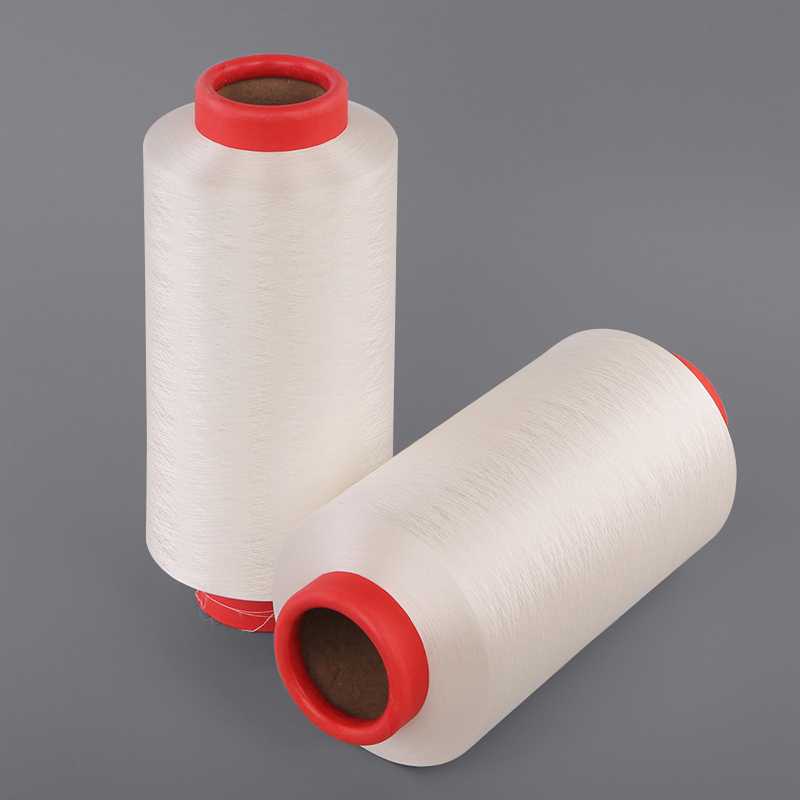
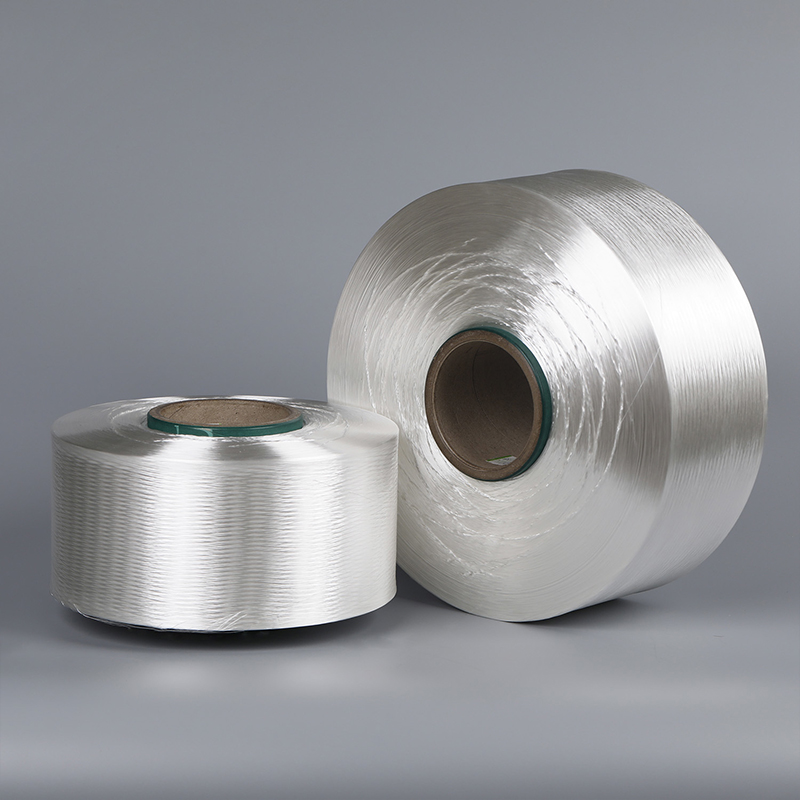
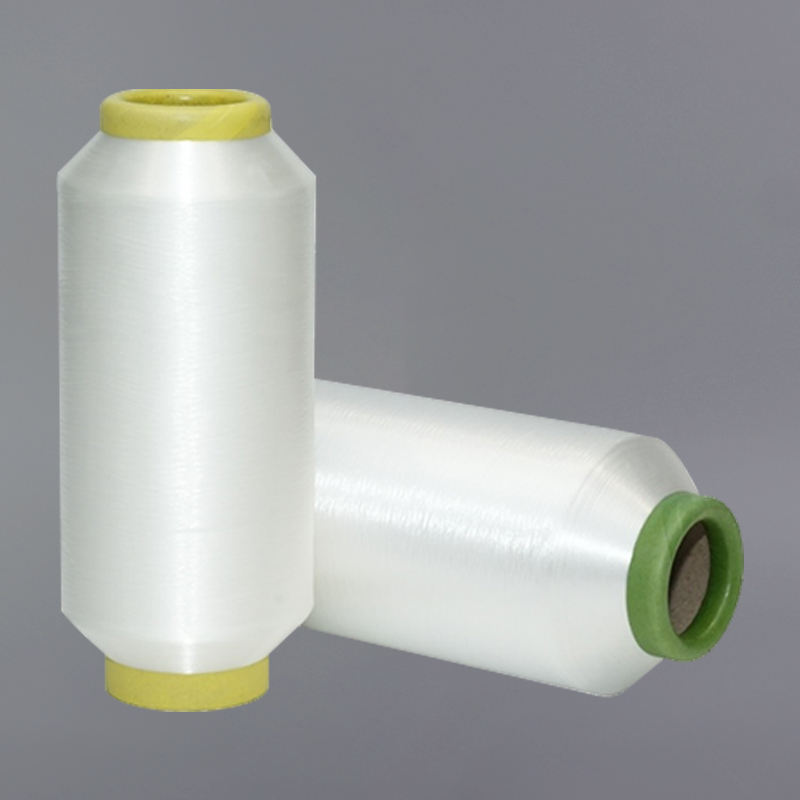
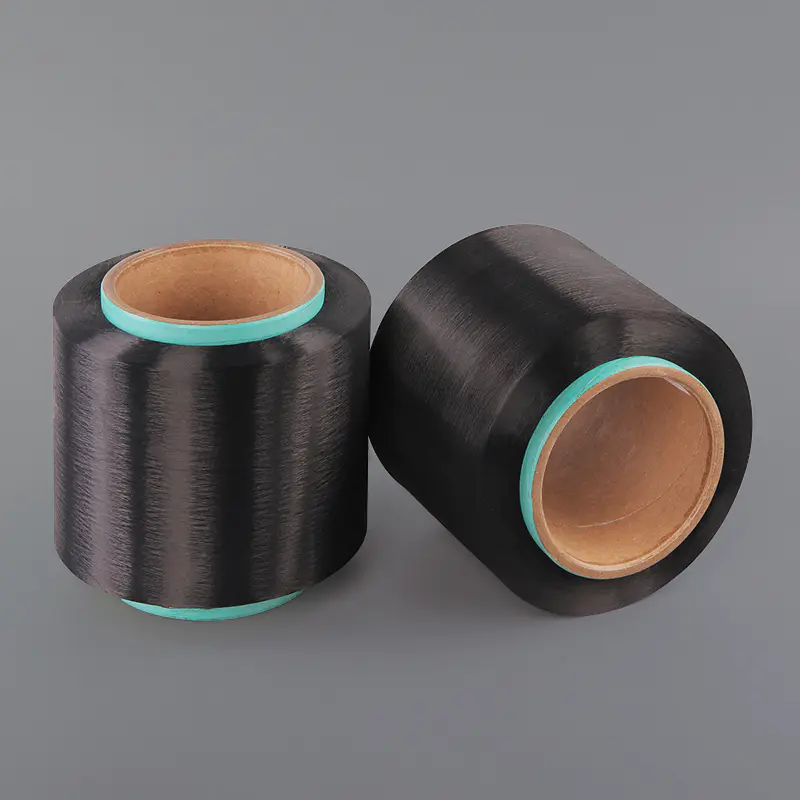
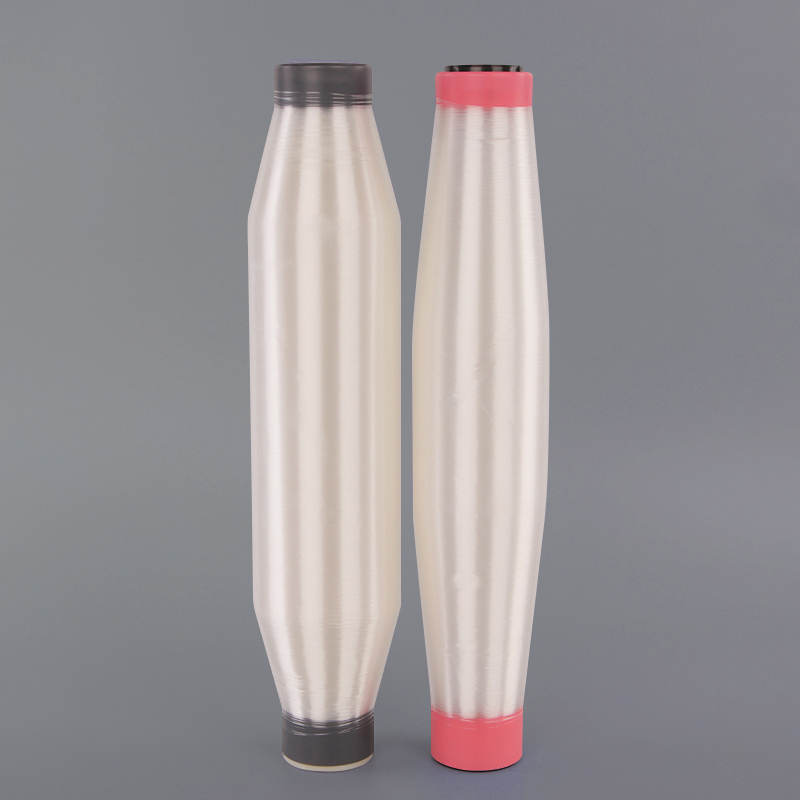
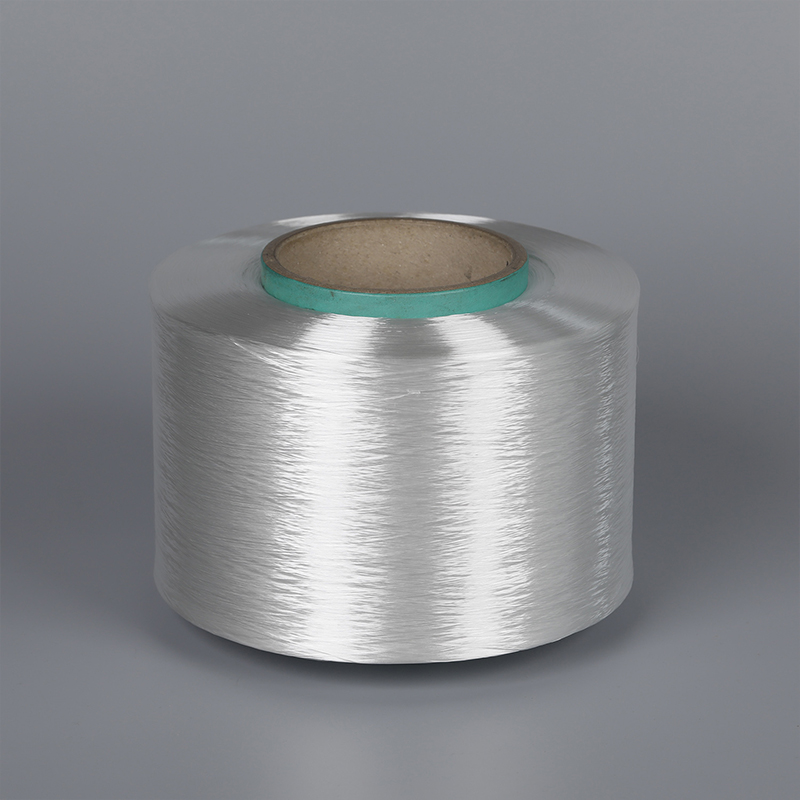


Specification
| Item | Typical Specification |
| Material | 100% polyester (PET); virgin or recycled |
| Yarn Type | FDY, DTY, POY |
| Denier Range | 30D to 600D (common: 50D/24F, 75D/36F, 100D/48F, 150D/48F, 150D/144F, 300D/96F) |
| Filament Count | 24F to 288F |
| Color | Black as standard; custom colors matched to Pantone, color chip or physical sample |
| Color Difference | Within a color-difference tolerance agreed with the buyer (commonly ΔE 1.0 or lower against the approved standard) |
| Luster | Semi-dull (SD), full-dull (FD), bright |
| Washing Fastness | Grade 4 to 5 |
| Rubbing Fastness | Grade 4 to 5 (dry and wet) |
| Perspiration Fastness | Grade 4 to 5 |
| Light Fastness | Grade 5 to 7 depending on color and pigment |
| Tenacity | FDY 3.8 cN/dtex or higher; DTY 3.2 cN/dtex or higher |
| Boiling Water Shrinkage | FDY 6% to 10%; DTY 6% or lower |
| Package | Paper tube bobbins, bagged and packed in cartons or on pallets |
| Documents | Lot test report; color-difference record; recycled-content documents on request |
Values above are typical production ranges. Final tolerances and test methods are written into the contract specification and confirmed with pre-shipment samples. Fastness grades vary with color depth and pigment choice; the target grade can be specified per order.
Application
Dope dyed polyester yarn is used where color must stay stable under sun, washing and abrasion, or where the mill wants to remove the dyeing step.
- Outdoor and automotive textiles: seat fabrics, headliners, seat belt webbing and interior trims.
- Sportswear and uniforms: black and dark shades that must resist washing and perspiration.
- Home textiles: curtains, sofa and upholstery fabrics, carpets and rugs exposed to sunlight.
- Bags, luggage and tents: heavier deniers for backpacks, awnings and tarpaulin base fabrics.
- Narrow fabrics: webbing, ribbons, drawcords, labels and zipper tapes.
- Sewing and embroidery thread: base yarn where consistent color from cone to cone is essential.
- Nonwoven and filter media: colored filament for functional and decorative uses.
Advantages
- Strong color fastness: pigment sits inside the filament, so it resists fading from light, washing and rubbing better than surface-dyed yarn.
- Consistent shade: color is controlled at the spinning stage, which limits lot-to-lot variation.
- Lower dyeing load: removing or reducing the dyeing step cuts water, steam, chemicals and wastewater treatment at the fabric mill.
- Shorter fabric processing: fewer wet-processing steps can shorten the path from yarn to finished fabric.
- Same yarn performance: strength, elongation and shrinkage stay in line with undyed yarn of the same specification.
- Recycled option: available as dope dyed recycled polyester for sustainability programs.
Dope Dyed vs Conventional Dyed Polyester
| Factor | Dope Dyed Yarn | Conventionally Dyed Yarn or Fabric |
| When Color Is Added | During melt spinning | After spinning, in package, yarn or piece dyeing |
| Color Fastness | Very good, color through the fiber | Good, depends on dyeing process |
| Water and Energy Use | Much lower at the fabric mill | Higher due to dyeing and rinsing |
| Color Range | Set per spinning run; best for standard and repeat colors | Very flexible, easy to change shade |
| MOQ per Color | Higher, needs masterbatch and a spinning run | Lower per shade |
| Best For | Repeat colors, black and dark shades, high-fastness end uses | Small lots, fast fashion, many shades |