 English
 中文简体
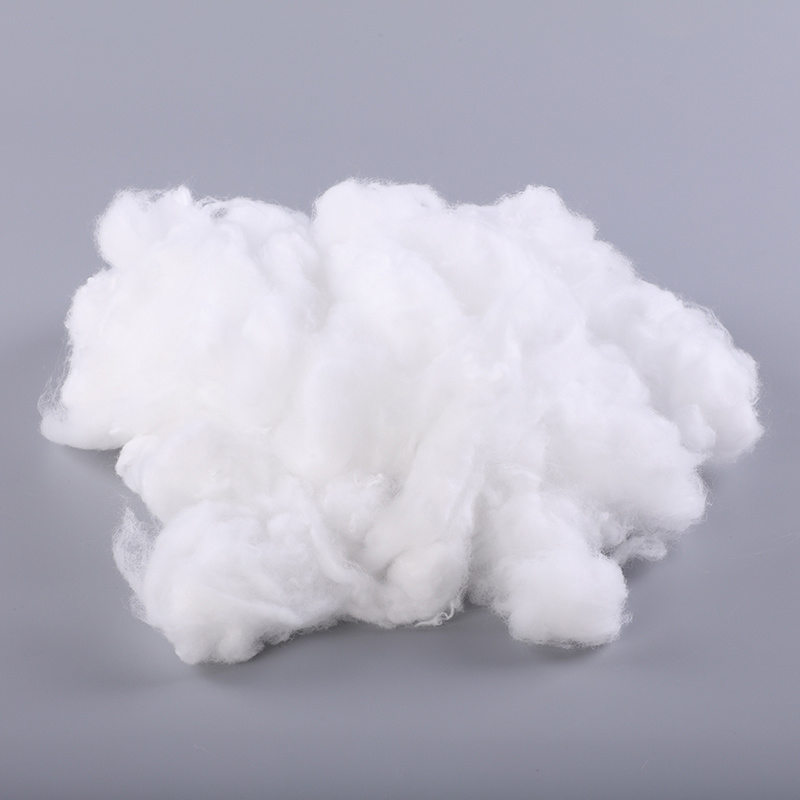
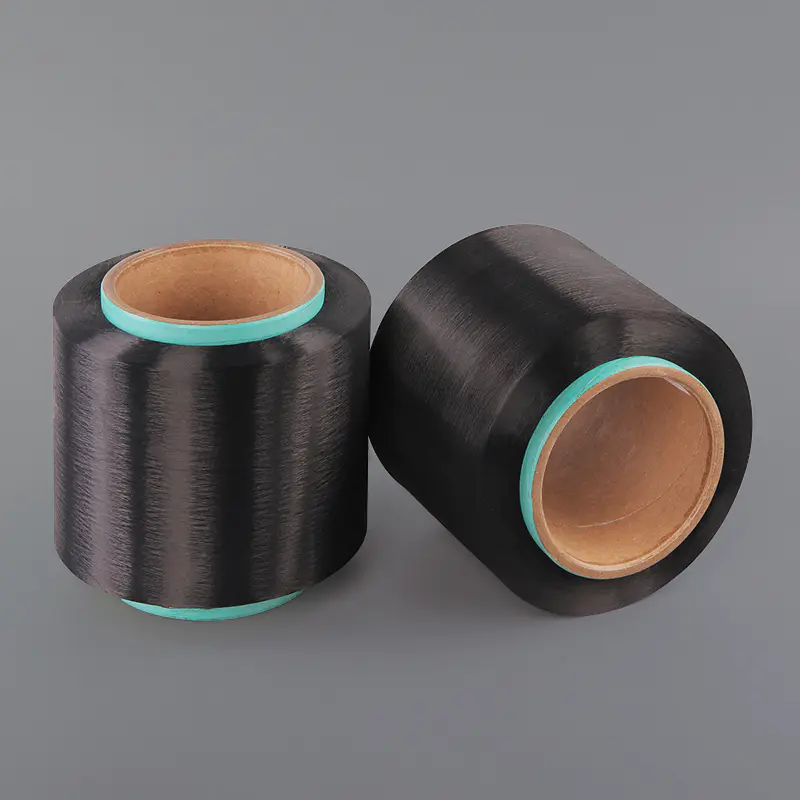
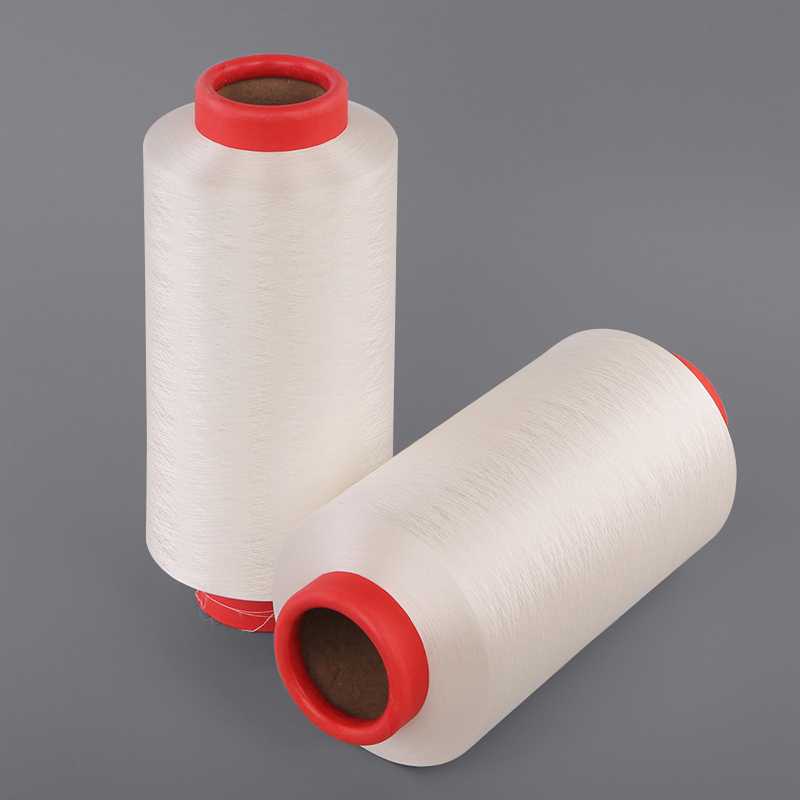
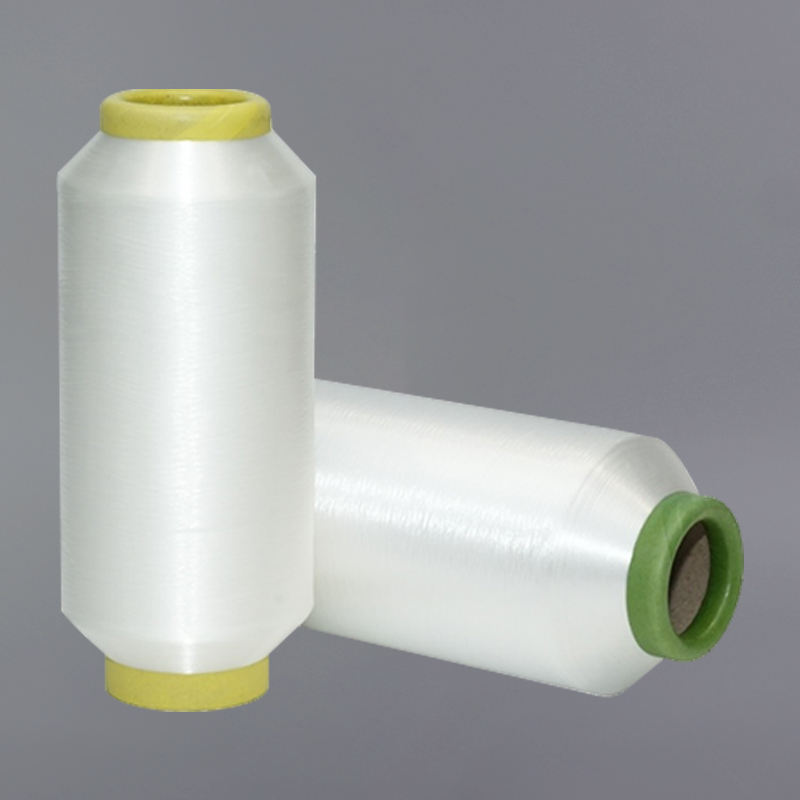
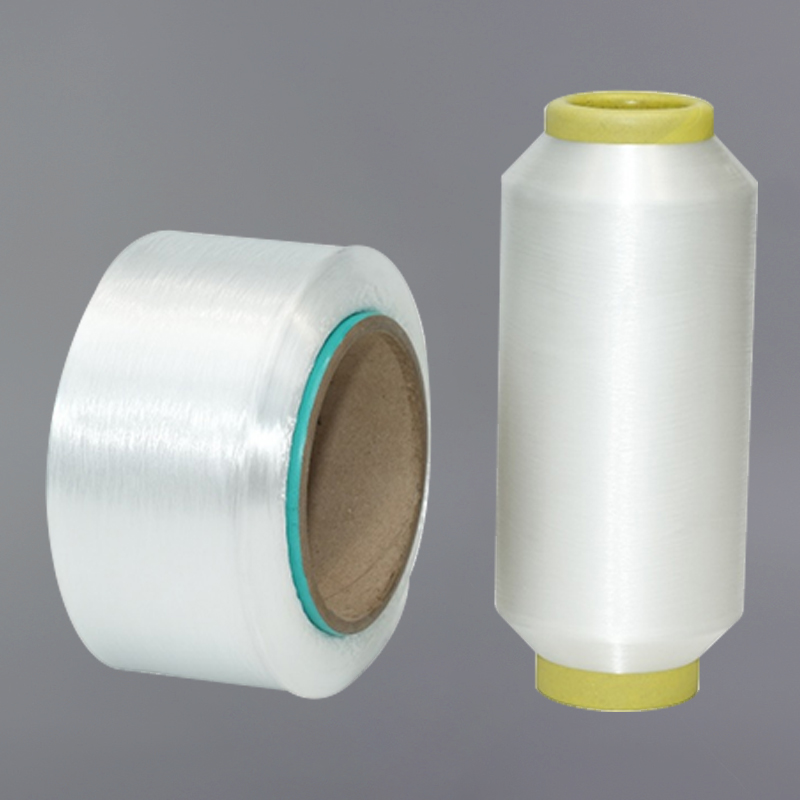
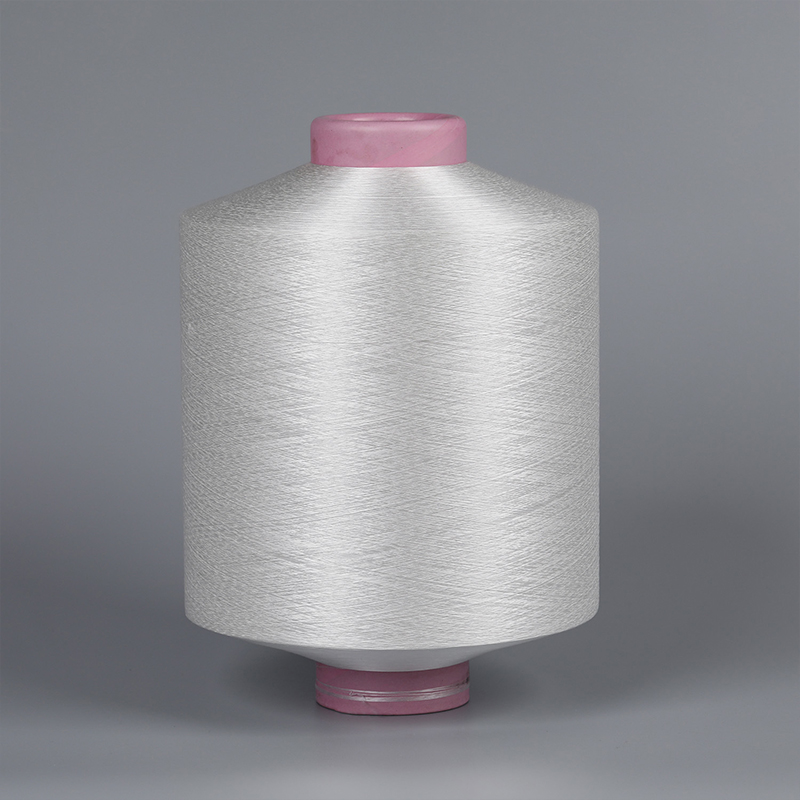


Specification
| Item | Details |
|---|---|
| Product | Biodegradable polyester filament yarn, FDY or DTY |
| Material route | PLA-based, PBS-based blend or additive-modified PET; confirmed per project |
| Common counts | 75D/36F, 100D/48F, 150D/48F, 150D/96F; other counts by order |
| Form | FDY for weaving and warp knitting; DTY for knitting and soft fabrics |
| Color | Raw white or dope dyed; custom shades agreed before production |
| Heat behavior | PLA melts below PET, around 150 to 170 C; processing and finishing temperatures must be set accordingly |
| Test standards | Agreed with the buyer, for example ISO 14855, ASTM D5511 or EN 13432, depending on the claim |
| Package | Paper tube; cartons on pallets |
| Origin and port | Haian, Nantong, Jiangsu, China; Shanghai seaport |
| Customization | Polymer route, denier, filament count, luster, color |
Application
Buyers choose biodegradable polyester when end-of-life matters to their product story or regulations. Typical uses are:
Apparel and linings: knitted and woven garments from brands with lower-impact material goals.
Home textiles: bedding, throws, curtains and soft furnishings.
Packaging and agricultural fabrics: bags, wraps and covers intended for composting or disposal after short use.
Disposable and short-life textiles: hygiene-adjacent and event textiles where long life is not needed.
Sampling and brand programs: small trial lots for new material lines.
Where a long product life is needed, a durable polyester or recycled polyester is often the better choice, so the end use should decide the route.
Advantages
Route chosen for the claim: PLA, PBS-type or additive routes matched to composting or landfill goals.
Familiar yarn formats: FDY and DTY structures that run on standard weaving and knitting machines with minor adjustments.
Documentation support: test method and report requirements agreed before production.
Custom development: denier, filament count, luster and color made to order.
Factory R&D: development team, flexible lines and inspection after each process.
Terms buyers often confuse
| Term | Meaning |
|---|---|
| Biodegradable | Broken down by microorganisms under defined conditions and time |
| Compostable | Biodegradable under composting conditions, meeting a standard such as EN 13432 |
| Bio-based | Made from renewable raw material; not automatically biodegradable |
| Recycled | Made from reused material; not automatically biodegradable |
Biodegradation depends on environment, temperature and time. A yarn that degrades in an industrial composter may not degrade at home or in the sea, so claims should name the conditions.