English
 中文简体
中文简体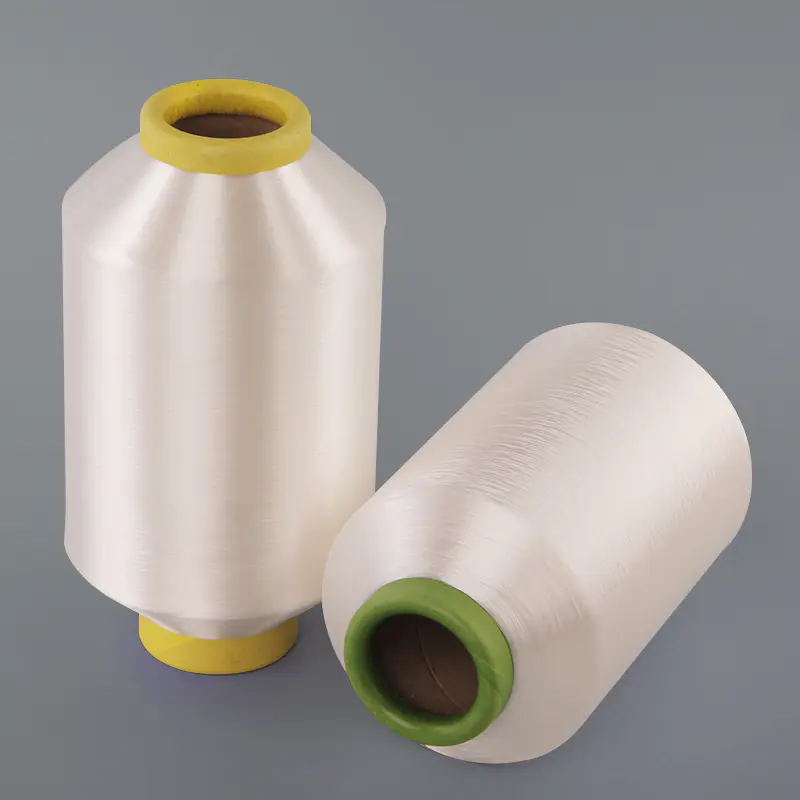
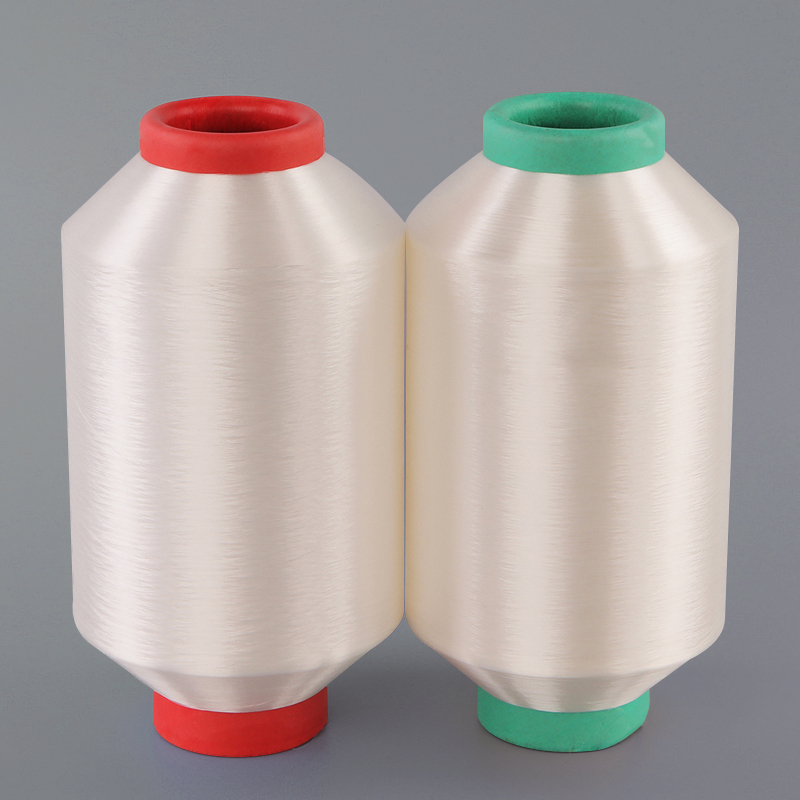
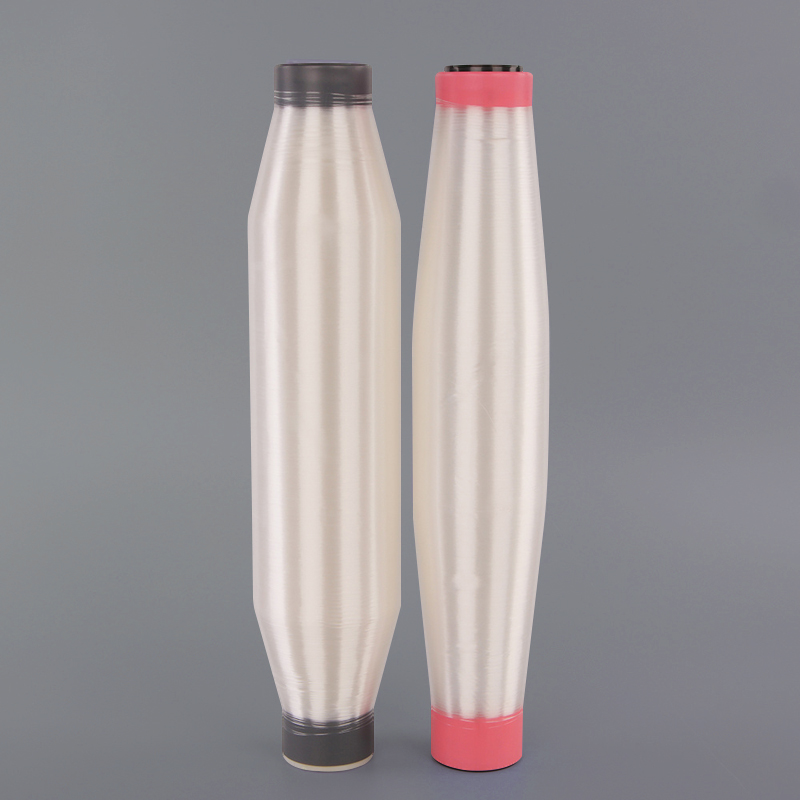
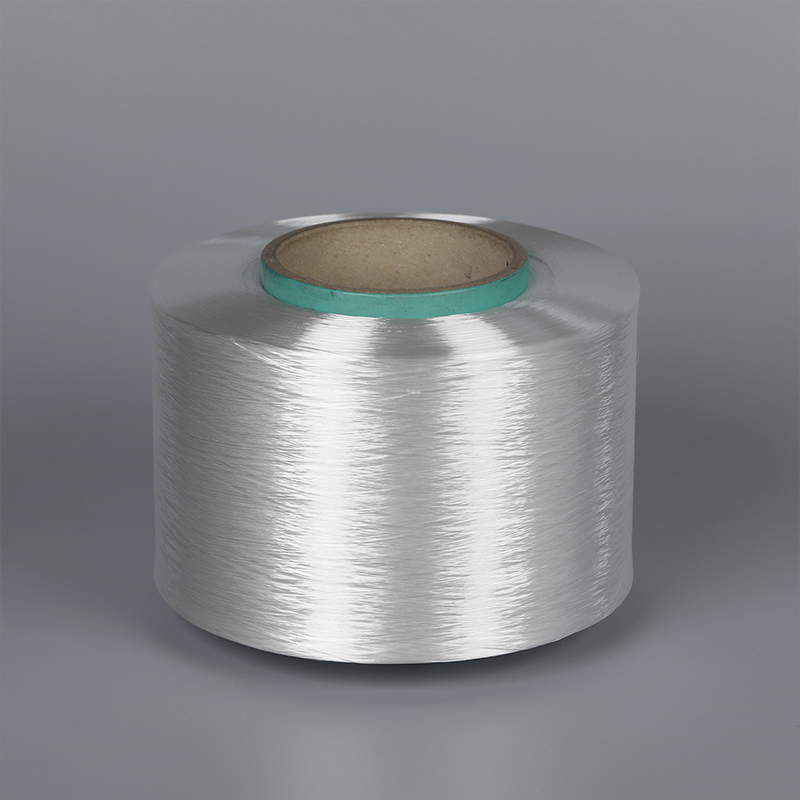
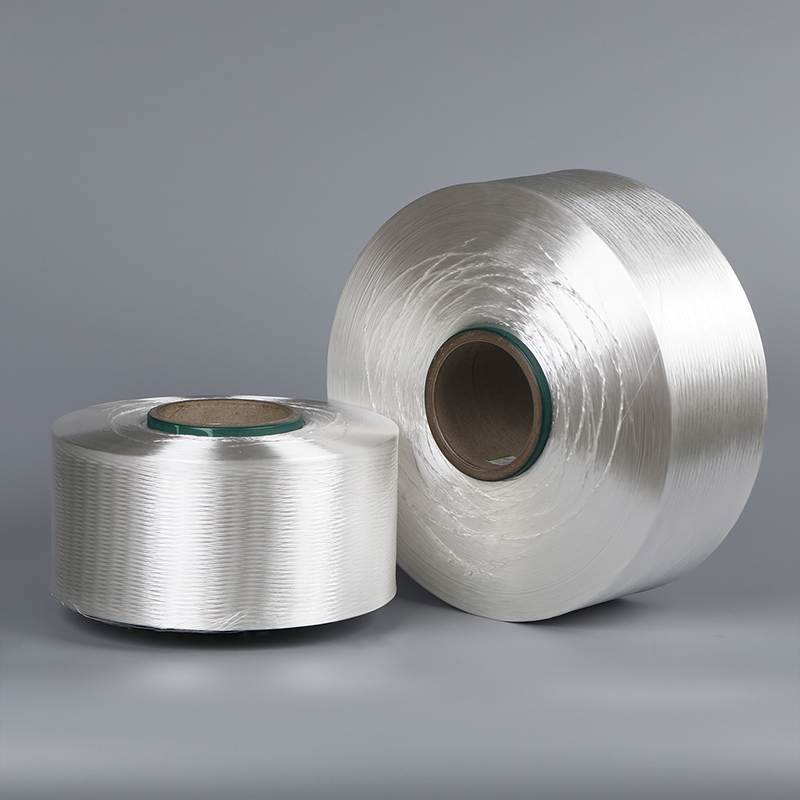
It is made with Bio-base PLA, fully biodegradable Feature: 1. Industrial compost product 2. Made with PLA 3. Eco-frie...
READ MORE
Content
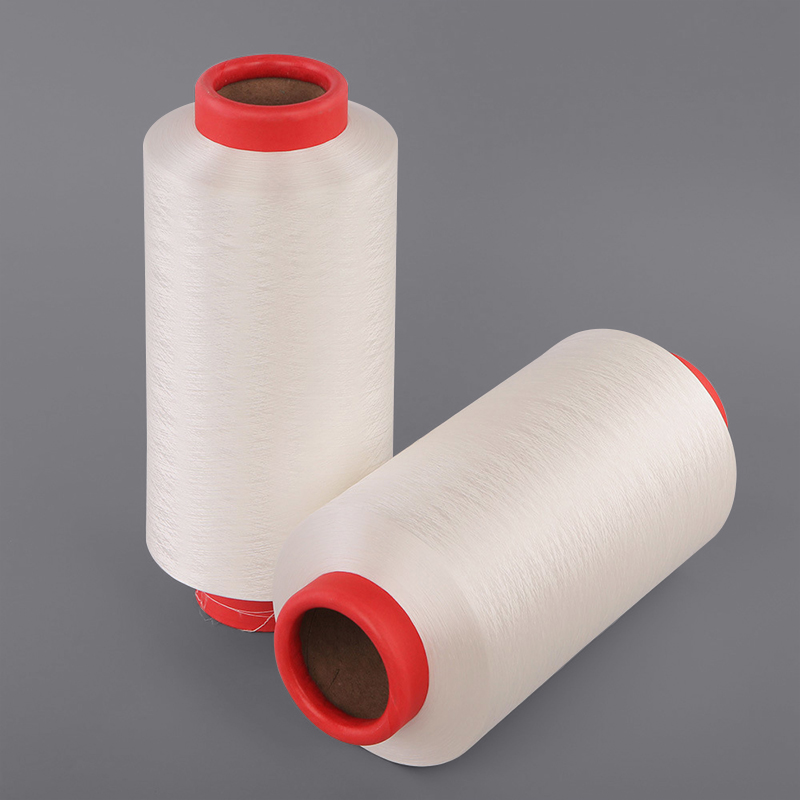
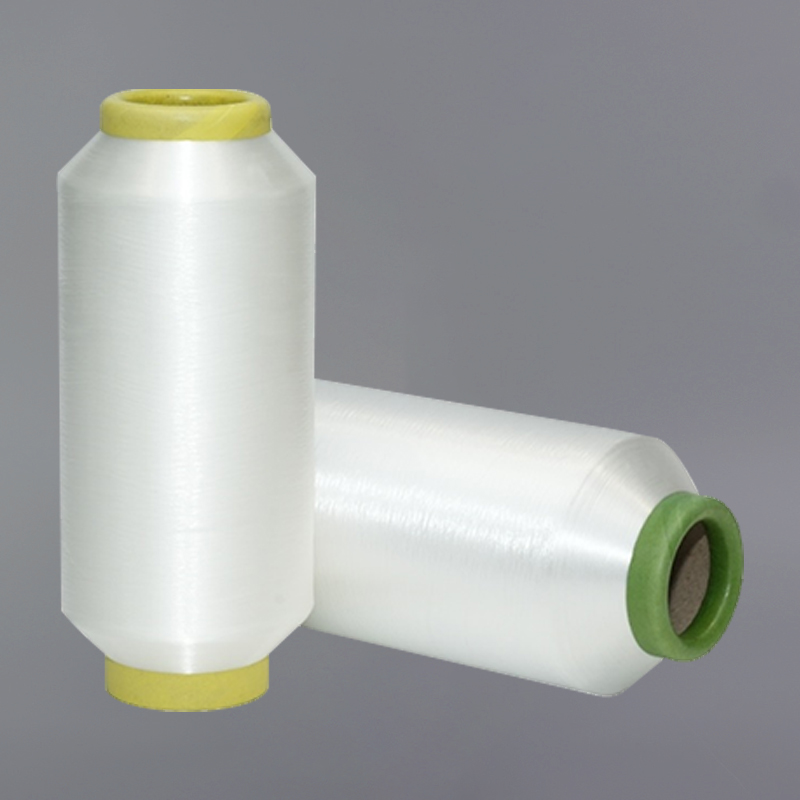
Hot melt yarn is a heat-activated fiber that softens and liquefies at a set temperature, then re-hardens on cooling to form a permanent bond between fabric layers, fibers, or trims. Because it works without liquid glue or solvent adhesives, manufacturers commonly call it Hot Melt Yarn, low-melting yarn, or fusible yarn, and it is used across knitting, weaving, and garment assembly wherever a clean, glue-free bond is needed.
Ordinary polyester and nylon yarns melt at very high temperatures, so they cannot be used as a bonding agent without damaging the surrounding fabric. Hot melt yarn is different because its polymer chain is modified during production so that it softens far below the melt point of standard fiber. This lower threshold lets the yarn fuse to nearby materials during steam setting, heat pressing, or oven bonding while the base fabric stays fully intact.
| Fiber Base | Typical Melting Point | Common Trait |
| Low-melting Nylon | Around 85 degrees C | Soft handle, gentle activation |
| Low-melting Nylon | Around 110 degrees C | Stronger bond, higher tenacity |
| Low-melting Polyester | Around 110 degrees C | Cost effective, wash resistant |
| Sheath-core Polyester | Sheath melts at 110 degrees C, core stays solid | Bonds without losing structure |
| Standard Polyester (for reference) | Around 260 degrees C | Too high for bonding use |
Fusible yarn is knitted, woven, or wound alongside the main fibers during fabric production. When the finished piece passes through a controlled heat stage, the process generally follows these steps.
Not all low-melting yarn is built the same way. The fiber base, melting point, and internal structure are adjusted depending on the end use.
| Industry | Typical Use of Hot Melt Yarn |
| Footwear | Bonding 3D knitted or flyknit shoe uppers and technical mesh |
| Intimate Apparel | Seamless underwear, lingerie ribbon, and fine lace edges |
| Fancy Yarn | Locking core fibers in chenille yarn to prevent shedding |
| Industrial Textiles | Bonded sewing thread, rope reinforcement, and cable wire sheathing |
| Home Textile | 3D knitted fabric structure and anti-fray woven labels |
Below are five fusible yarn options commonly selected for the applications described above.
Hot melt yarn, also known as low-melting yarn or fusible yarn, gives textile manufacturers a way to bond fabric layers using heat alone. By selecting the right melting point, fiber base, and structure, factories can replace liquid adhesives with a cleaner, more consistent bonding method across footwear, apparel, and industrial textile production.
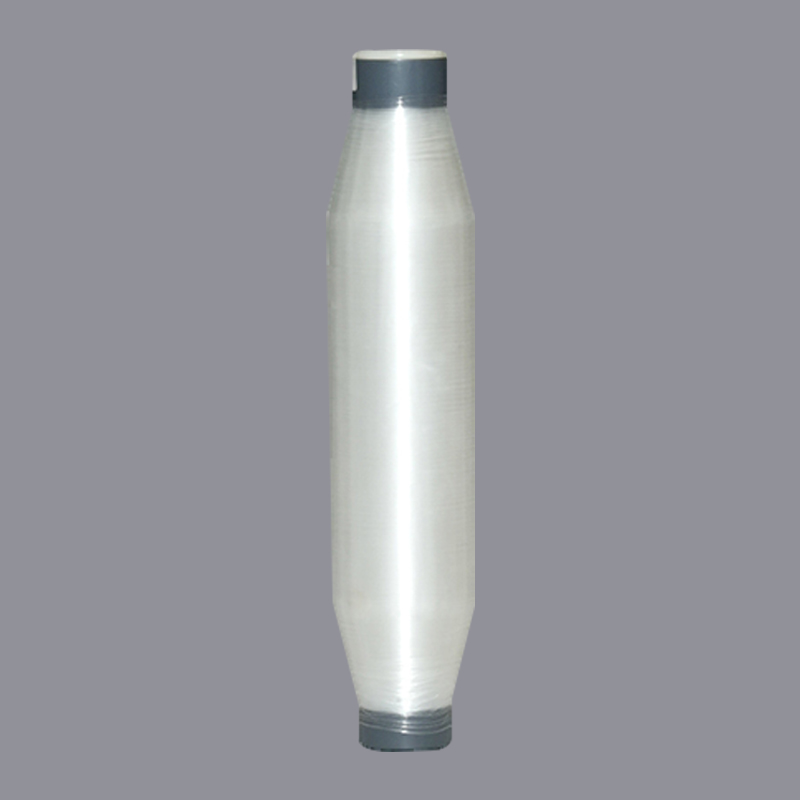
It is made with Bio-base PLA, fully biodegradable Feature: 1. Industrial compost product 2. Made with PLA 3. Eco-frie...
READ MOREPlease fill out the form below and our team will contact you as soon as possible.
Addres: No.66 Qiaogang Road, Haian, Nantong City, Jiangsu Province, China
E-mail: service@gcfiber.com admin@gcfiber.com
Copyright ? GC FIBER All Rights Reserved. Eco-Friendly Textile Products Manufacturer Biodegradable Yarn Company