English
 中文简体
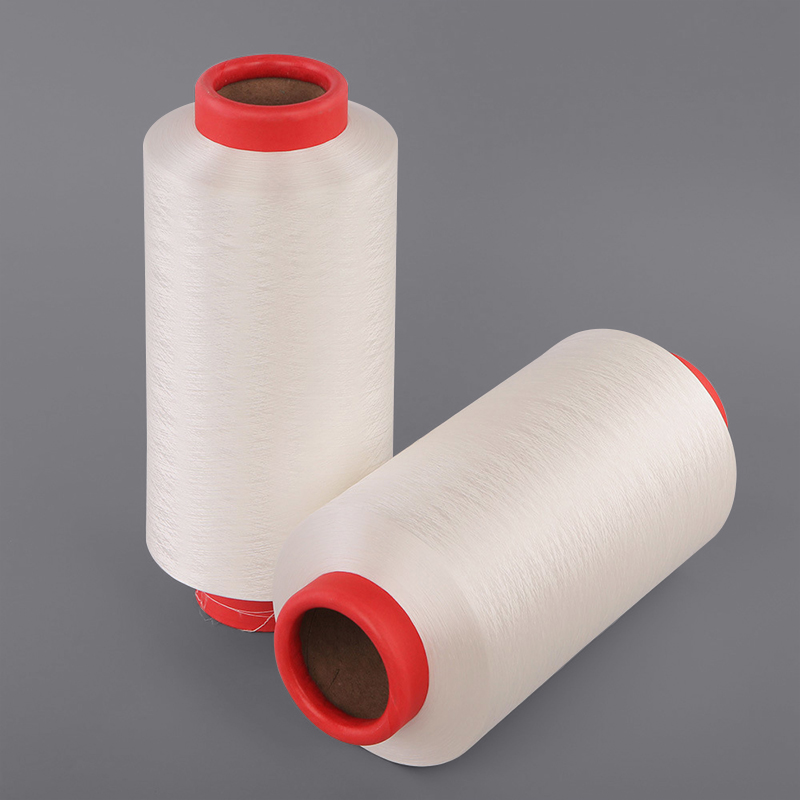
中文简体It is made with Bio-base PLA, fully biodegradable Feature: 1. Industrial compost product 2. Made with PLA 3. Eco-frie...
READ MORE
Content
Biodegradable fabrics decompose into water and carbon dioxide in natural environments, significantly reducing the long-term pollution caused by traditional synthetic textiles. They represent an essential solution for promoting green transformation across industries such as textiles, healthcare, and agriculture. From raw material sourcing to end-of-life disposal, their full lifecycle aligns more closely with low-carbon and circular economy principles.
Current technologies allow these materials to be processed into staple fibers, filaments, and nonwoven fabrics. Through melt spinning and bio-modification techniques, fiber strength has reached approximately 80%–95% of traditional polyester, meeting the requirements of most applications.
| Material Type | Degradation Time (Natural Environment) | End Products |
|---|---|---|
| PLA | 6–12 months | CO₂ + Water |
| PBS | 6–18 months | CO₂ + Water |
| Traditional Polyester | Decades to centuries | Microplastic residues |
Studies show that bio-based biodegradable materials can reduce carbon emissions by approximately 30%–70% compared to traditional petrochemical materials, especially at the raw material stage.
The global biodegradable materials market is expected to achieve a compound annual growth rate of over 15% in the next 5–10 years, with particularly strong growth in the textile sector.
Biodegradable fabrics are not only an alternative to traditional synthetic textiles but also a foundational element for building a sustainable future. With ongoing technological advancements and industrial collaboration, their application scope will continue to expand, playing a crucial role in the global green transition.
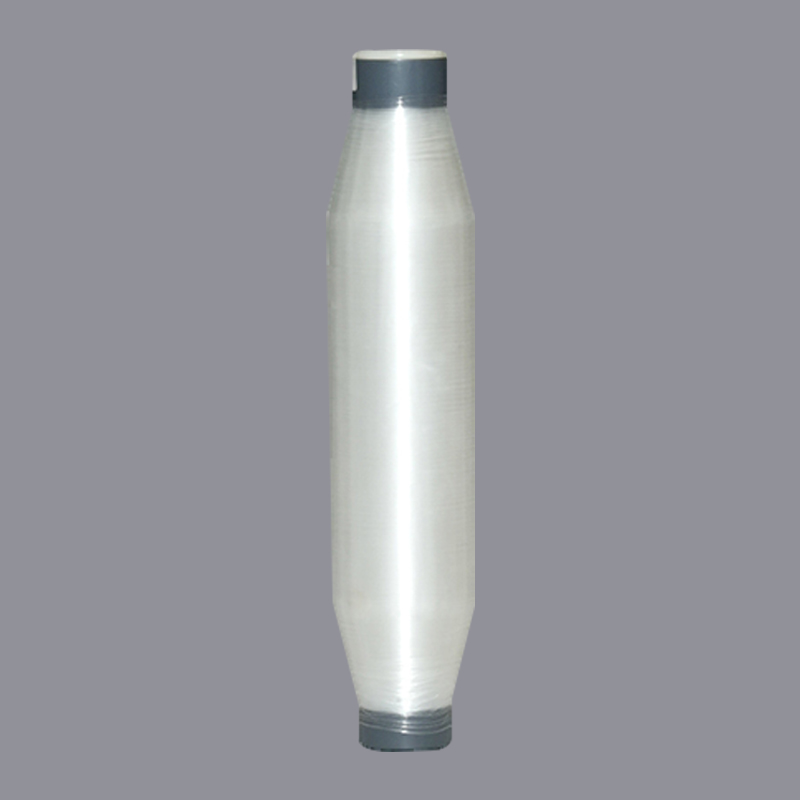
It is made with Bio-base PLA, fully biodegradable Feature: 1. Industrial compost product 2. Made with PLA 3. Eco-frie...
READ MOREPlease fill out the form below and our team will contact you as soon as possible.
Addres: No.66 Qiaogang Road, Haian, Nantong City, Jiangsu Province, China
E-mail: service@gcfiber.com admin@gcfiber.com
Copyright ? GC FIBER All Rights Reserved. Eco-Friendly Textile Products Manufacturer Biodegradable Yarn Company