English
 中文简体
Made of PBS (Polybutylene Succinate), fully biodegradable.Features:1.Home compostable2.Raw material: PBS Polybutylene Su...
READ MORE
Content
A converter comparing two polyethylene yarn quotes often finds the same promises on both data sheets: low moisture regain, good chemical resistance, and long service life. The price gap is real, though. HDPE yarn and UHMWPE yarn are both polyethylene, but their molecular weight, spinning route, and failure limits are different. HDPE is the practical choice when cost, UV stability, knot security, and predictable processing matter. UHMWPE earns its premium when cut resistance, abrasion resistance, impact strength, and strength-to-weight ratio decide the application. The useful question is not “Which polymer is stronger?” but “Which failure mode can my product not tolerate?”
The quick answer is to match the yarn to the failure mode, not the material name alone.
HDPE yarn is melt-spun from high-density polyethylene. It offers a balanced package: good chemical resistance, very low moisture absorption, useful abrasion performance, and a cost structure that suits high-volume consumption. Commercial grades can be UV stabilized, colored, or engineered for controlled shrinkage. You will see HDPE yarn in shade nets, ropes, cordage, geotextiles, filtration fabrics, woven industrial cloth, and packaging components. The spinning route is comparatively forgiving, so flat FDY, textured, and monofilament variants are available.
For buyers reviewing HDPE yarn for industrial applications, flat FDY is often specified where low bulk, dimensional stability, and clean weaving matter. Texturing adds coverage and a softer hand, but it does not turn HDPE into a high-tenacity UHMWPE replacement.
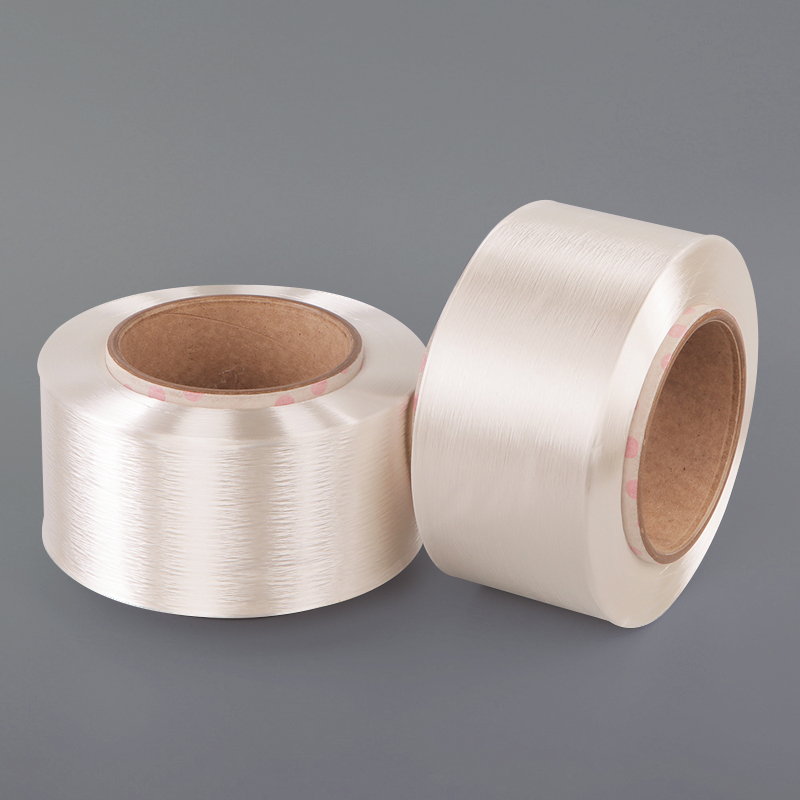 PE Flat FDY Yarn for Cooling and Industrial FabricsFlat-filament polyethylene yarn with cooling hand-feel, balanced tenacity and elongation, available from 50D to 400D for apparel, home textiles, and industrial fabrics.View Product →
UHMWPE yarn starts with ultra-high molecular weight polyethylene, typically above 3 million g/mol. The gel-spinning route aligns long molecular chains into a fiber with very high tenacity and modulus, excellent abrasion and cut resistance, low density, and buoyancy. That is why UHMWPE yarn appears in marine ropes, mooring lines, cut-resistant gloves, safety slings, ballistic composites, fishing line, and lightweight industrial fabrics. The limits matter as much as the numbers. UHMWPE can creep under sustained load, is more sensitive to UV and elevated temperature, and has low surface energy, so bonding, coating, and dyeing need specialist treatment. Knot strength can also be lower than expected if the splice or termination is not designed for the fiber.
The table below is a sourcing-level comparison, not a substitute for lot certificates. Values vary by denier, spinning route, draw ratio, and finish.
| Property | HDPE yarn | UHMWPE yarn |
|---|---|---|
| Base polymer | High-density polyethylene with moderate molecular weight | Ultra-high molecular weight polyethylene, often above 3 million g/mol |
| Typical yarn route | Melt spinning, monofilament, multifilament, or tape | Gel spinning |
| Tenacity | Moderate for general industrial use | Very high |
| Modulus | Moderate | Very high |
| Density | About 0.94–0.96 g/cm³ | About 0.97 g/cm³; floats |
| Moisture regain | Very low | Very low |
| Abrasion and cut | Good | Excellent |
| Creep under sustained load | Moderate | High; needs design attention |
| UV and weather | Can be UV stabilized | More sensitive; jacketing or coating often needed |
| Heat | Melts around 125–135°C | Similar melt range, but more sensitive to heat history |
| Bonding and dyeing | Generally easier than UHMWPE, but still needs treatment | Difficult due to low surface energy |
| Cost | Lower | Premium |
Specify the yarn by process and end use. A purchase order that says only “HDPE” or “UHMWPE” leaves too much room for drift. Ask for linear density, filament count, tenacity, elongation at break, shrinkage, twist or intermingling, finish, UV package, colorfastness, and any required certification. For HDPE, flat FDY and textured DTY solve different problems: flat yarn supports stable weaving and low bulk, while textured yarn improves coverage and hand. If your fabric needs bulk or softness, evaluate HDPE textured DTY alongside flat FDY; do not assume texturing raises tenacity.
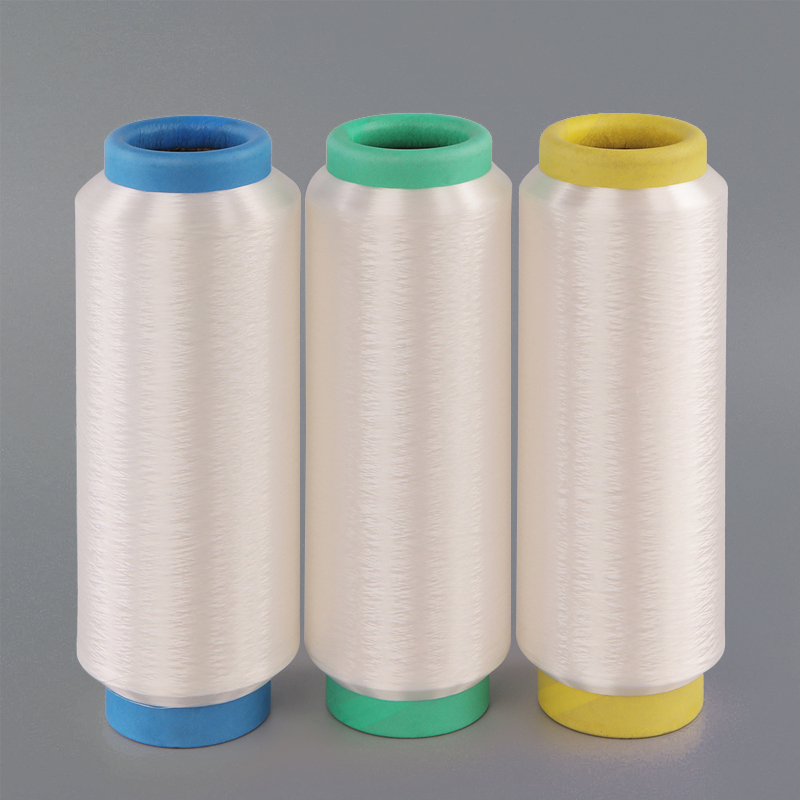 PE Texture DTY Yarn for Cool-Touch Knits and WovensBi-component textured polyethylene yarn with cooling contact, balanced strength and elongation, and 30D–75D counts for sportswear, bedding, and blended fabrics.View Product →
Most failures appear after sampling, not in the first meter. Watch for these risks before releasing a bulk order:
In tensile strength and modulus, usually yes. But assembly strength, creep, UV, and cost can reverse the decision for a finished product.
Only after testing. For light-duty, temporary, or cost-sensitive ropes, HDPE can work. For high load, small diameter, abrasion, or long-term mooring, UHMWPE or a blended construction is often safer.
HDPE is generally easier to color and coat, but both polyolefins have low surface energy. Use dope-dyed yarn, plasma treatment, or a supplier-approved coating.
End use, load, diameter, UV exposure, color, tenacity, elongation, shrinkage, knot or splice method, certification, and annual volume. A supplier can then recommend flat FDY, textured, or UHMWPE.
The final choice should survive a practical trial. If an HDPE yarn meets the strength, UV, and creep budget for a shade net, geotextile, or general rope, its lower cost and easier processing are hard to beat. If the product is judged by cut resistance, abrasion, impact, or strength-to-weight ratio, UHMWPE usually justifies the premium. Test the finished assembly, not just the yarn, and keep the specification tied to the failure mode you cannot accept.
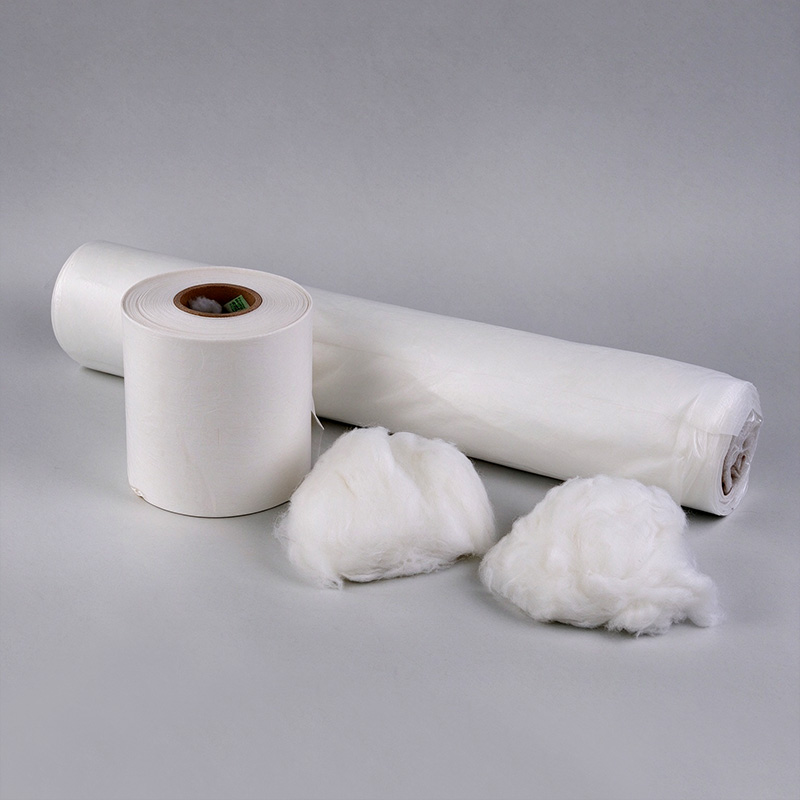
Made of PBS (Polybutylene Succinate), fully biodegradable.Features:1.Home compostable2.Raw material: PBS Polybutylene Su...
READ MOREPlease fill out the form below and our team will contact you as soon as possible.
Addres: No.66 Qiaogang Road, Haian, Nantong City, Jiangsu Province, China
E-mail: service@gcfiber.com admin@gcfiber.com
Copyright ? GC FIBER All Rights Reserved. Eco-Friendly Textile Products Manufacturer Biodegradable Yarn Company