English
 中文简体
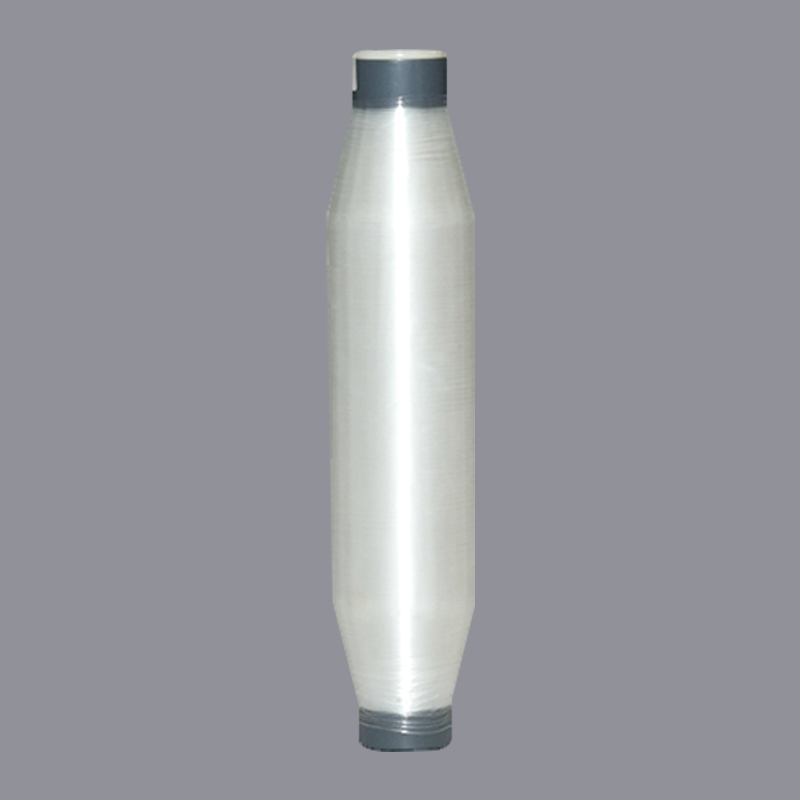
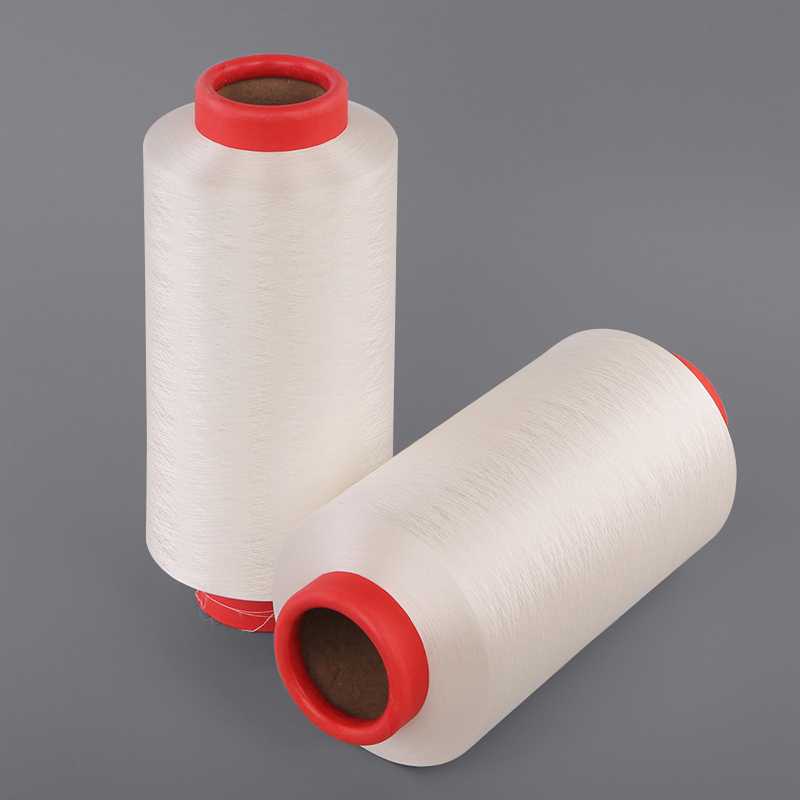
Made of PBS (Polybutylene Succinate), fully biodegradable.Features:1.Home compostable2.Raw material: PBS Polybutylene Su...
READ MORE
Content
A sheath-core bicomponent fiber is specified by three numbers before anything else: sheath melting point, sheath/core ratio, and core tenacity. The word “bicomponent” only confirms that two polymers were spun into one filament; it does not confirm that the fiber will bond at your calendar temperature, survive downstream heat, or keep core strength after carding. In the usual construction, a lower-melting sheath—co-PET, PE, or low-melt nylon—encapsulates a higher-melting core such as PET or nylon. The sheath becomes the adhesive; the core carries load. That division explains why these fibers appear in nonwoven bonding, automotive interiors, filtration, hygiene, and shoe uppers, where a controlled thermal bond can replace or reduce a separate binder.
Treat a 110 °C low-melt polyester sheath and an 85 °C low-melt nylon sheath as different process families. They may share the word “sheath-core,” but they do not share the same hot-roll window, moisture sensitivity, or finish requirements. A trial that works on one grade is not evidence that the other will scale.
The value is not in the fiber alone. It comes from replacing binder resin, creating dense bond points at lower add-on, and keeping the web softer than a heavily resin-bonded alternative. A concentric core gives uniform sheath coverage and predictable bonding. An eccentric core can produce self-crimp after heat treatment, which adds bulk but makes web formation less predictable.
In thermal bonding, the web is heated above the sheath melting peak but below the core melting peak. Pressure and dwell time set bond area; temperature sets whether the sheath flows. A 110 °C sheath often starts around 125–135 °C web surface temperature, but that is a starting point, not a guarantee. Line speed, nip pressure, fiber denier, and web density can move the useful window by 10 °C or more.
For a broader product view, see the sheath-core yarn range and compare concentric, eccentric, and low-melt binder options before fixing a specification.
A purchase specification should read like a process window, not a catalogue line. Fix these items before the first trial: polymer pair and melting peak by DSC; sheath/core ratio by cross-section; denier per filament and total denier; tenacity and elongation at break; crimp and finish; hot-air and boil shrinkage; color method; and lot traceability. If the fiber is for a medical or hygiene web, add finish chemistry and extractables to the discussion.
For a 110 °C low-melt polyester sheath-core grade, check the supplier’s cross-section data and bonding recommendation against your calendar or oven conditions.
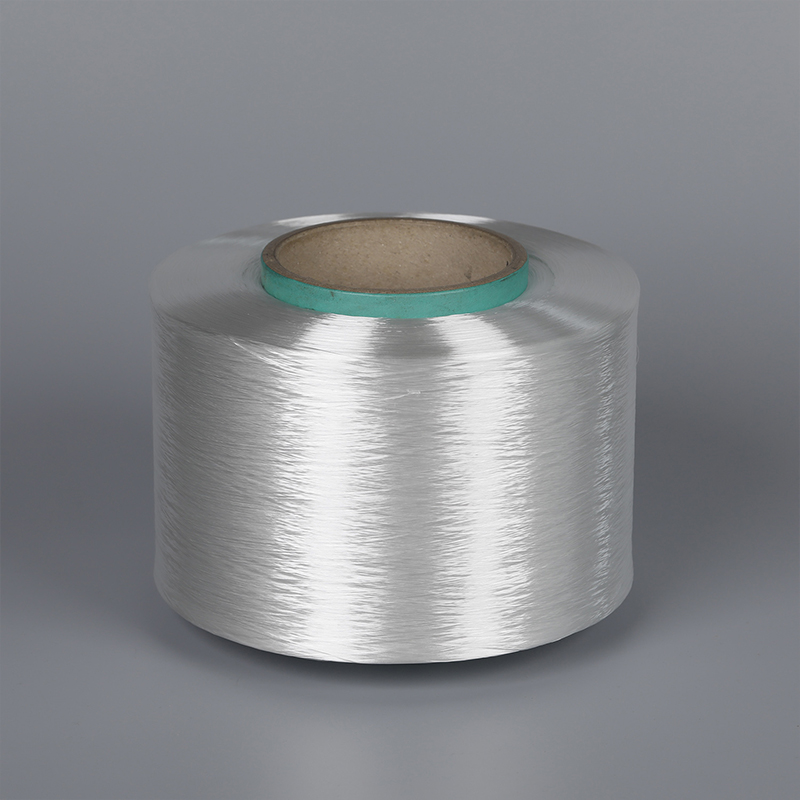 Sheath-Core Low-Melt Polyester Yarn 110°CBi-component yarn with a 110°C melting sheath and polyester core for thermal bonding; review cross-section and bonding data against your process conditions.View Product →
The table below is a starting point for material selection, not a substitute for a line trial.
| Construction | Typical sheath/core | Best fit | Main risk if mis-specified |
|---|---|---|---|
| PET / low-melt co-PET, around 110 °C sheath | 30/70 to 50/50 | Nonwoven thermal bonding, automotive interior, filtration | Weak bonds if line temperature is low; core loss if sheath ratio is too high |
| PE / PET | 40/60 to 50/50 | Soft nonwoven, hygiene, packaging, shoe upper | Narrow hot-roll window; sticking and sheath smear |
| Low-melt nylon, around 85 °C sheath | As agreed by cross-section | Low-temperature bonding, nylon-compatible industrial textiles | Moisture pickup and finish compatibility need checking |
If the application needs a lower activation temperature, move to the appropriate low-melt polymer family rather than pushing a 110 °C grade beyond its window.
Sheath ratio is a trade-off between adhesive volume and core strength. At the same total denier, a 30/70 fiber leaves more PET core to carry load, but it needs better heat transfer and may show weak spots where the sheath is thin. A 50/50 fiber bonds more easily and gives a softer hand at low pressure, yet the core contribution falls and the fiber can become tacky on hot rolls.
Eccentric placement adds another variable. It can create useful crimp, but it also means sheath thickness varies around the circumference. Buyers who inspect only the average coating thickness can miss thin-side exposure, which later appears as bond variation or core fibrillation.
Where a lower activation temperature or nylon compatibility is needed, 85 °C low-melt nylon grades can widen the material options, but they also demand moisture control and a tighter finish check.
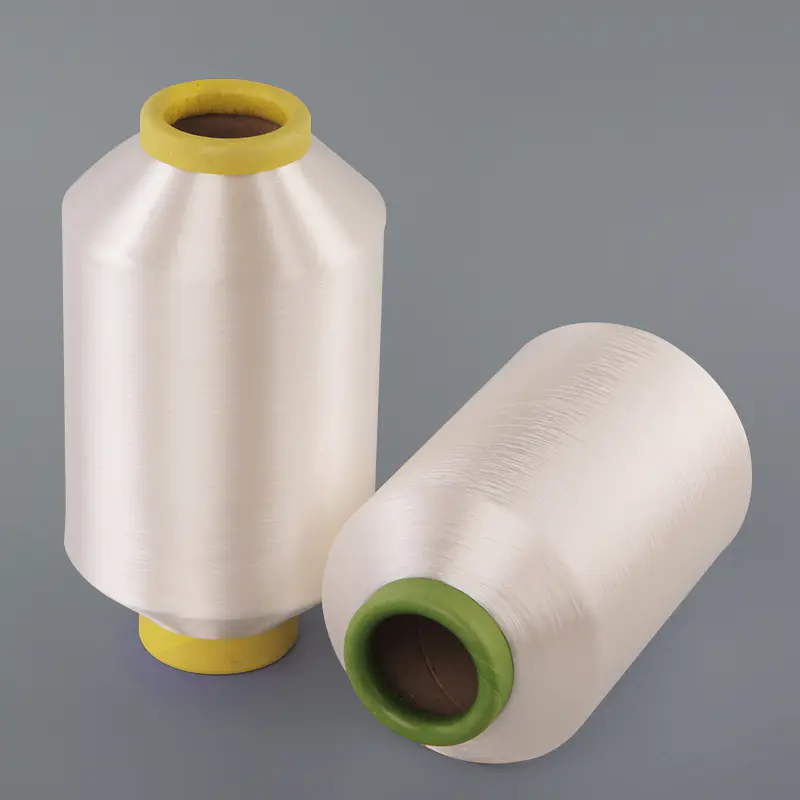 Low-Melt Nylon Yarn for Heat-Sensitive TextilesCopolyamide bonding yarn activates near 85°C for heat-sensitive fibers; consider it when lower-temperature nylon compatibility is needed, with moisture control.View Product →
For process details on thermal bonding grades, see thermal bonding low-melt yarns.
Most failures show up as bond strength variation, surface defects, or unexplained shrinkage after aging. The cause is often not the polymer pair but the gap between the lab sample and the production line: lab calendar pressure, web density, and dwell time are rarely identical to the plant.
If the sheath fractures during carding, suspect finish, crimp, or overly aggressive opening rather than raising temperature. If bonds are weak at the edges but strong in the center, check nip parallelism and web density variation before changing polymer grade.
PE/PET bi-component grades often enter where softness and low activation temperature matter, such as hygiene, packaging, and shoe upper fabrics.
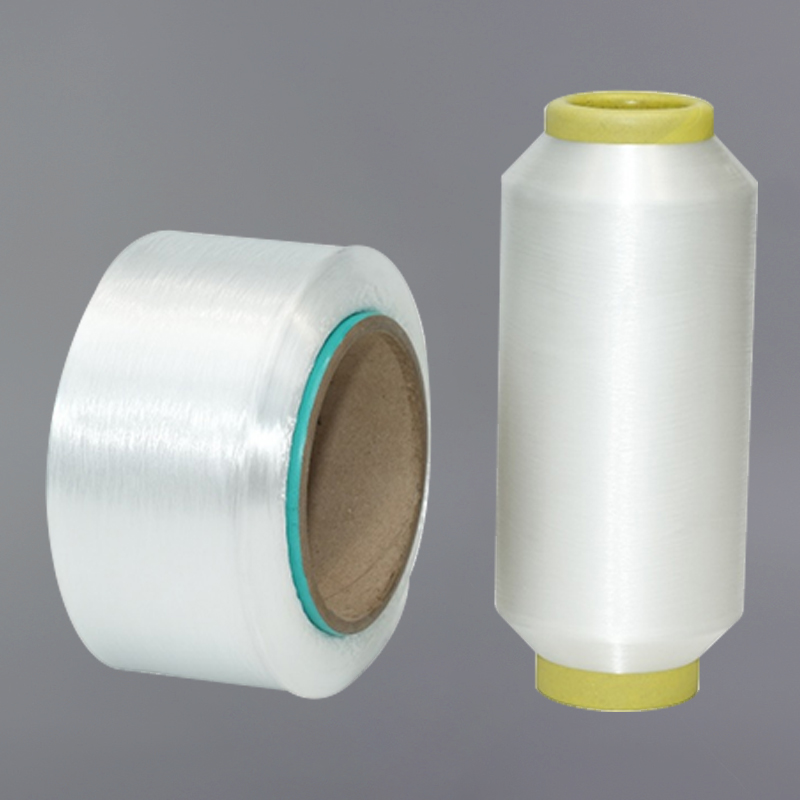 PE/PET Bi-Component Yarn for Soft Cool-Touch FabricsDual-polymer filament yarn provides a soft handle and cooling touch for lightweight apparel and industrial textiles; confirm end-of-life route separately from biodegradable grades.View Product →
They are not interchangeable with biodegradable grades; confirm the end-of-life route separately if that is a programme requirement.
When comparing quotes, ask for lot-specific data, not a generic TDS. A useful quotation package includes DSC melting peak, sheath/core ratio by cross-section, tenacity and elongation, shrinkage, crimp, finish type, packaging, and a retained sample from the production lot. For custom colors, add dope-dyed or dyeable status and colorfastness requirements. For overseas delivery, confirm pallet protection, moisture barrier, and port handling from the supplier’s location.
No. Sheath-core is one bicomponent architecture. Bicomponent also includes side-by-side, islands-in-the-sea, and segmented-pie structures. The distinction matters because each architecture solves a different problem: bonding, crimp, microfilament creation, or strength.
Both, but for different reasons. Melting point sets the activation temperature and the risk to nearby heat-sensitive materials. Sheath ratio sets how much adhesive is available and how much core remains for strength. A low melting point cannot compensate for a sheath layer that is too thin or badly distributed.
Yes, constructions based on PLA, PBS, or other biodegradable polymers exist, but “bio-based,” “biodegradable,” and “compostable” are not synonyms. Ask for the test standard, the disposal environment, and the certified grade rather than accepting a general claim.
Start with denier, tenacity, elongation, crimp, and finish. Add DSC and cross-section checks when the lot is for a critical bonding line. Keep a retained sample and record the line conditions used in the first successful trial; that record is more useful than a certificate alone when a future lot behaves differently.
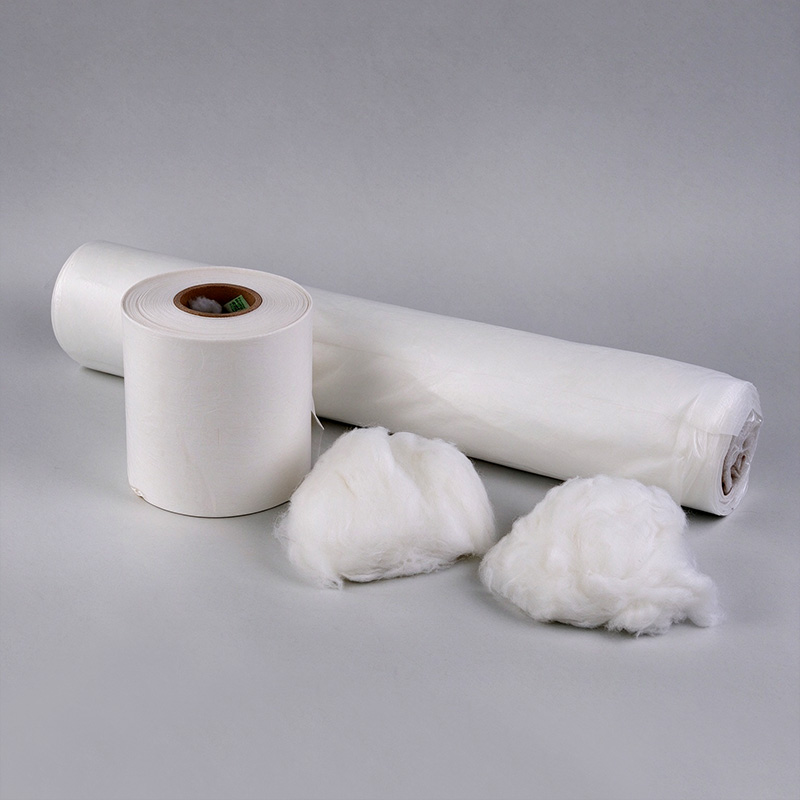
Made of PBS (Polybutylene Succinate), fully biodegradable.Features:1.Home compostable2.Raw material: PBS Polybutylene Su...
READ MOREPlease fill out the form below and our team will contact you as soon as possible.
Addres: No.66 Qiaogang Road, Haian, Nantong City, Jiangsu Province, China
E-mail: service@gcfiber.com admin@gcfiber.com
Copyright ? GC FIBER All Rights Reserved. Eco-Friendly Textile Products Manufacturer Biodegradable Yarn Company