English
 中文简体
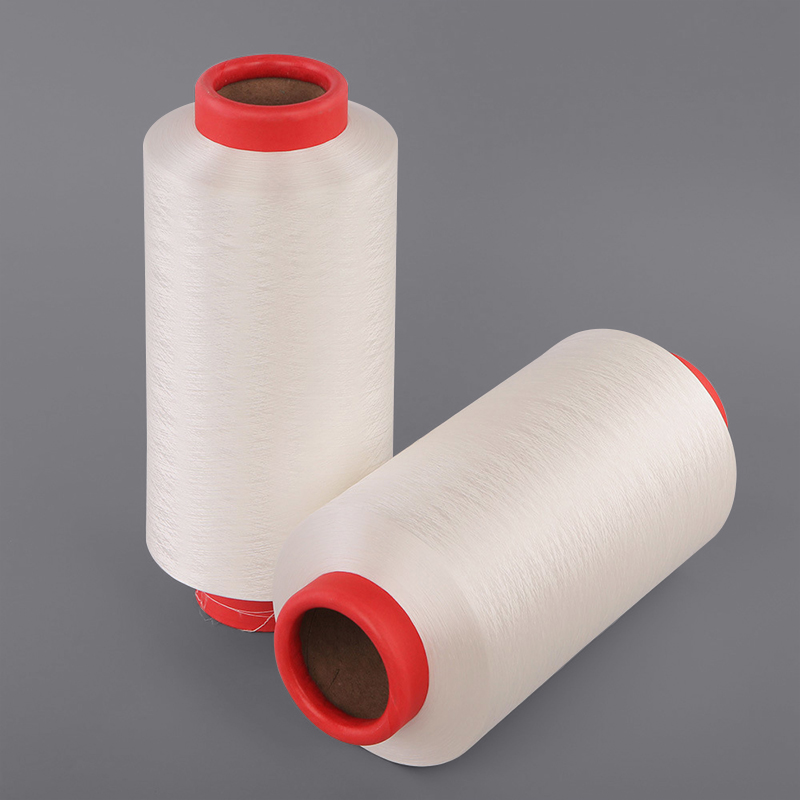
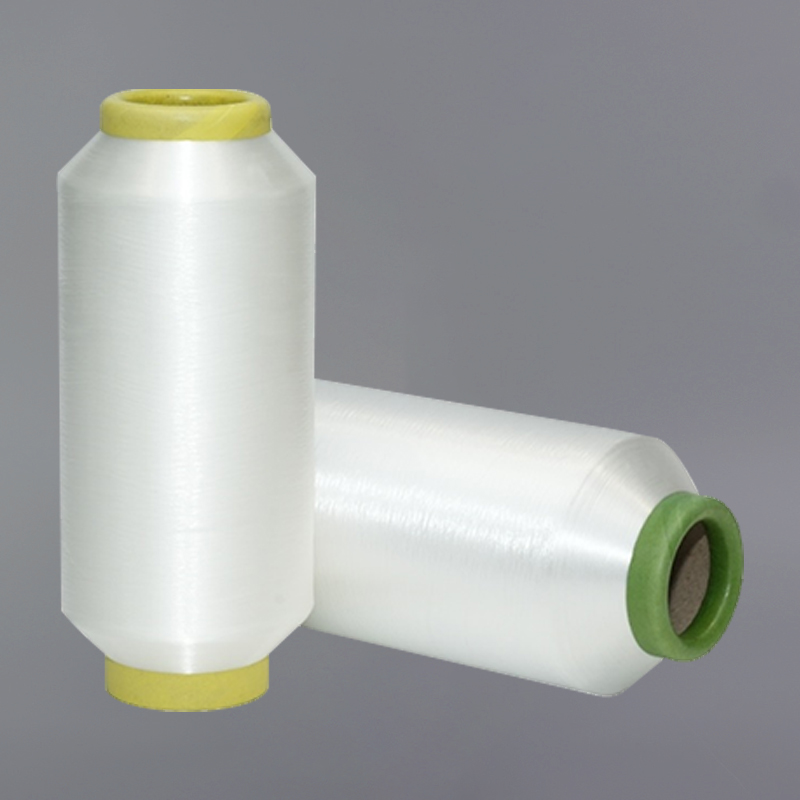
中文简体It is made with Bio-base PLA, fully biodegradable Feature: 1. Industrial compost product 2. Made with PLA 3. Eco-frie...
READ MORE
Content
Most natural biodegradable yarns decompose within 1 to 5 years under active composting conditions. In a landfill, however, the same fibers can persist for 10 to 30 years due to limited oxygen and moisture. Bio-based synthetic yarns such as PLA may take 50 to 100+ years unless processed in an industrial composting facility. The fiber type, treatment history, and disposal environment are the three factors that matter most.
Different yarn fibers break down at vastly different rates. The table below provides estimated decomposition timelines under two common end-of-life scenarios: active composting and landfill disposal.
| Fiber Type | Common Examples | Active Composting | Landfill |
|---|---|---|---|
| Animal protein fiber | Wool, alpaca, cashmere | 1–5 years | 10–25 years |
| Plant cellulose fiber | Cotton, linen, hemp | 3 months–5 years | 5–20 years |
| Silk | Mulberry silk | 1–4 years | 15–30 years |
| Regenerated cellulose | Bamboo viscose, Tencel | 1–3 years | 10–30 years |
| Bio-based synthetic (PLA) | Corn-based PLA yarn | 3–6 months (industrial only) | 50–100+ years |
Fiber type sets the ceiling for biodegradability, but these four variables determine how close to that ceiling real-world decomposition gets.
Microbial decomposition — the primary mechanism for breaking down natural fibers — requires both oxygen and moisture. Optimal aerobic decomposition occurs at 50–65°C with moisture levels between 40 and 60%. A hot compost pile meeting these conditions can break down a small wool skein in under two years. The same skein buried in an anaerobic landfill layer may remain structurally intact for over 20 years.
Many commercially sold yarns are treated with moth-proofing agents, chlorine-based superwash coatings, or synthetic dyes that inhibit microbial activity. Untreated, undyed wool degrades roughly two to three times faster than superwash-treated equivalents. When evaluating a yarn's biodegradability, the processing history matters as much as the base fiber.
Tightly plied, high-twist yarns expose less surface area to decomposing organisms. A loosely spun, bulky linen yarn will break down measurably faster than a tightly twisted linen thread of identical weight and fiber content. Cutting yarn into short pieces (under 5 cm) before composting accelerates breakdown significantly by increasing surface exposure.
Any synthetic component — even 5 to 20% nylon or polyester added for durability — prevents complete biodegradation. The natural portion breaks down while the synthetic fraction remains as microplastic residue indefinitely. A yarn blend is only as biodegradable as its least biodegradable component. Always verify the full fiber content label before treating a yarn as compostable.
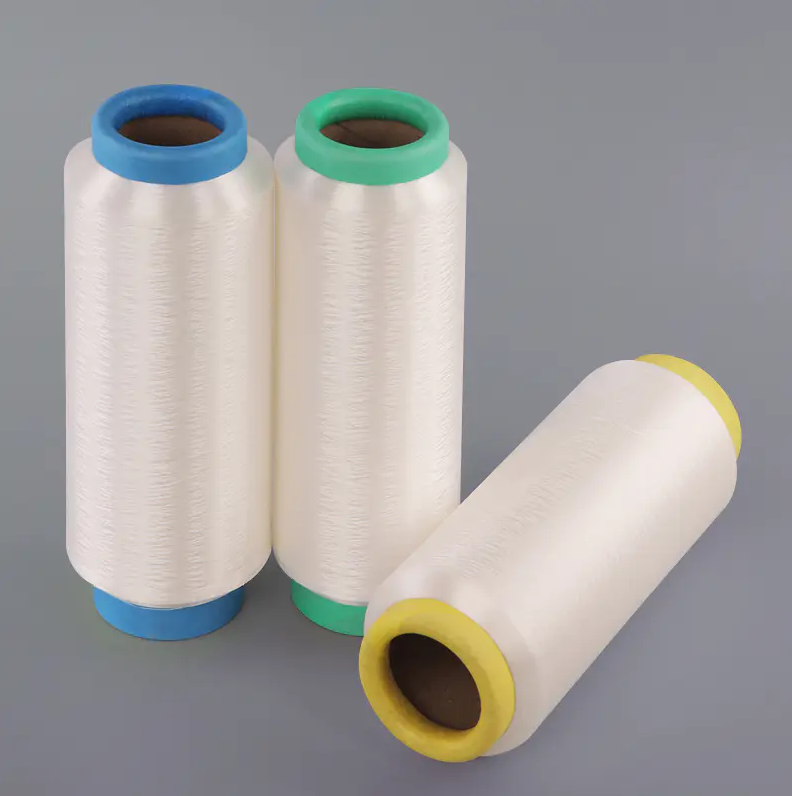
Wool is one of the most reliably biodegradable yarn fibers available. Pure, untreated wool decomposes in 1 to 5 years in active compost, releasing nitrogen and sulfur as plant-available nutrients. However, superwash wool — the dominant commercial form — carries a polymer resin coating that significantly slows this process. Alpaca has a similar breakdown profile but contains less lanolin, which can slightly accelerate decomposition in certain soil environments.
Plant cellulose fibers are among the fastest degrading when untreated. Fine, undyed linen can begin visibly breaking down in active compost within weeks, with complete decomposition in 6 months to 2 years for yarn-weight constructions. Organic cotton typically takes 1 to 5 years depending on density and treatment. Hemp degrades at a rate similar to linen and has the added advantage of rarely requiring chemical processing.
Despite its eco-friendly reputation, most commercially available bamboo yarn is chemically converted into viscose or rayon through a solvent-intensive process. This processing reduces its biodegradability compared to raw bamboo. Bamboo viscose yarn typically takes 1 to 3 years to fully decompose in active compost — significantly slower than raw bamboo fiber, which can break down in weeks. Mechanically processed bamboo yarn, though rarer, retains much more of its original biodegradability.
Silk is a protein fiber that biodegrades over 1 to 4 years in composting conditions. Its naturally smooth surface and tighter fiber structure mean it breaks down somewhat more slowly than wool under identical conditions. Undyed, untreated silk scraps can be composted at home without issue.
PLA (polylactic acid) yarn is derived from plant starch and is frequently marketed as a biodegradable alternative to conventional synthetics. The claim is technically accurate but practically misleading for most consumers. PLA only biodegrades under industrial composting conditions: sustained temperatures above 58°C with controlled humidity, conditions that home compost bins and landfills cannot replicate.
In a standard home compost heap or garden soil, PLA behaves similarly to conventional plastic and may persist for 50 to 100 years or more. Unless a local industrial composting facility explicitly accepts PLA textiles — which most do not — this yarn should not be treated as compostable.
A similar distinction applies to yarns marketed as "bio-based." This term refers only to the origin of the raw material, not its end-of-life behavior. A bio-based acrylic, for example, is still structurally a plastic and will not biodegrade in any meaningful timeframe.
The disposal method has as much impact on actual decomposition speed as the fiber type. These options are ranked from fastest to slowest outcome:
For crafters seeking genuinely compostable yarn choices, the following principles are the most actionable:
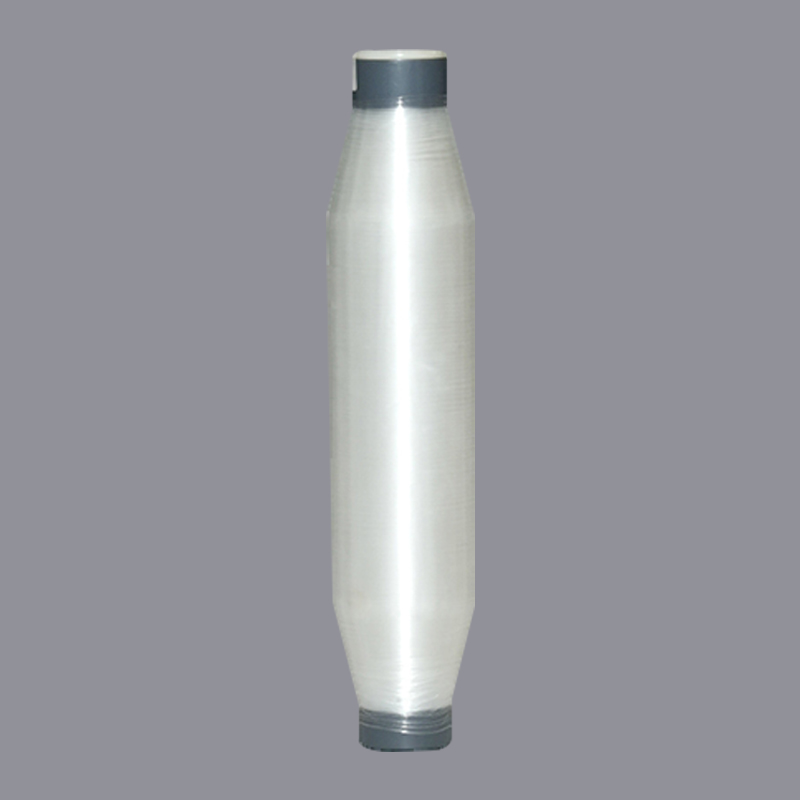
It is made with Bio-base PLA, fully biodegradable Feature: 1. Industrial compost product 2. Made with PLA 3. Eco-frie...
READ MOREPlease fill out the form below and our team will contact you as soon as possible.
Addres: No.66 Qiaogang Road, Haian, Nantong City, Jiangsu Province, China
E-mail: service@gcfiber.com admin@gcfiber.com
Copyright ? GC FIBER All Rights Reserved. Eco-Friendly Textile Products Manufacturer Biodegradable Yarn Company