English
 中文简体
中文简体It is made with Bio-base PLA, fully biodegradable Feature: 1. Industrial compost product 2. Made with PLA 3. Eco-frie...
READ MORE
Content
In the textile fiber industry, polyester filament is one of the most commonly used materials. In the processing of polyester filament, FDY and DTY yarns are two of the most common finished products.
FDY (Full Drawn Yarn) – Fully Drawn Yarn
FDY, also known as fully drawn yarn, introduces a drawing process during spinning to obtain a wound yarn with high orientation and medium crystallinity. Simply put, it is "fully drawn" during the production process.
DTY (Drawn Textured Yarn) – Stretch Textured Yarn
DTY yarn, often referred to as low-elasticity polyester yarn, is made from POY (pre-oriented yarn) as the base yarn, through stretching and false twisting. This processing gives DTY yarn a unique bulkiness and elasticity, making it the most widely used fiber material in clothing fabrics today.
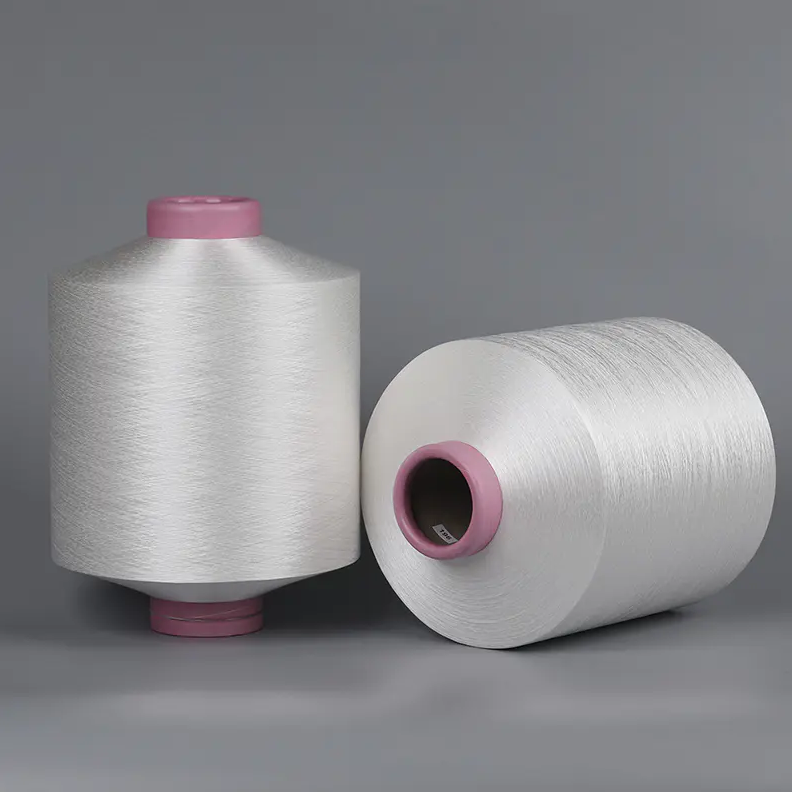
In practical applications, DTY yarn has a very wide range of users, mainly due to its unique physical properties:
FDY yarn emphasizes "crispness" and "brightness," while DTY yarn focuses on "comfort" and "texture." When choosing raw materials, companies should decide based on the intended use of the end product. If you prioritize fabric elasticity, warmth, and a soft feel against the skin, DTY yarn is the best choice.
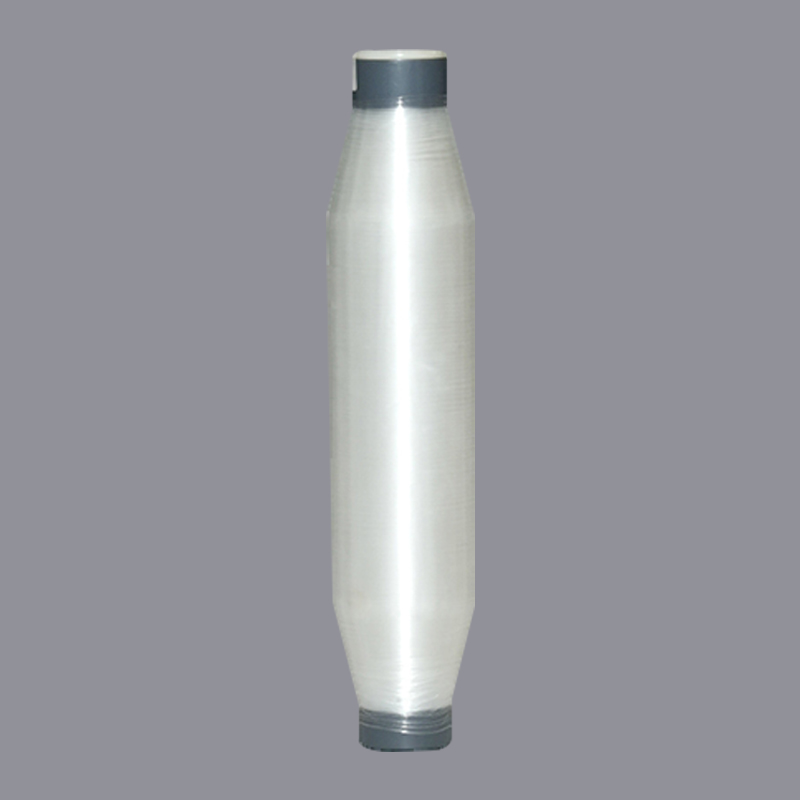
It is made with Bio-base PLA, fully biodegradable Feature: 1. Industrial compost product 2. Made with PLA 3. Eco-frie...
READ MOREPlease fill out the form below and our team will contact you as soon as possible.
Addres: No.66 Qiaogang Road, Haian, Nantong City, Jiangsu Province, China
E-mail: service@gcfiber.com admin@gcfiber.com
Copyright ? GC FIBER All Rights Reserved. Eco-Friendly Textile Products Manufacturer Biodegradable Yarn Company