English
 中文简体
中文简体It is made with Bio-base PLA, fully biodegradable Feature: 1. Industrial compost product 2. Made with PLA 3. Eco-frie...
READ MORE
Content
In the modern textile industry, with consumers' increasing demands for fabric color, feel, and environmental friendliness, various new synthetic fibers are emerging. Among them, ECDP yarn (Easy Cationic Dyeable Polyester), as a high-performance modified polyester fiber, is gradually becoming a favorite in the high-end fabric market due to its excellent dyeing performance and unique physical properties.
ECDP yarn, short for Easy Cationic Dyeable Polyester Yarn, is modified by introducing third and fourth monomers (such as SIPM) with acidic groups into the molecular chain of polyester (PET).
Simply put, traditional polyester (polyester fiber) requires dyeing with disperse dyes under high temperature and high pressure, while ECDP yarn can be dyed with cationic dyes under normal pressure (even below 100°C).
Why are more and more textile companies choosing to use ECDP yarn? This is primarily due to its significant advantages in production and application:
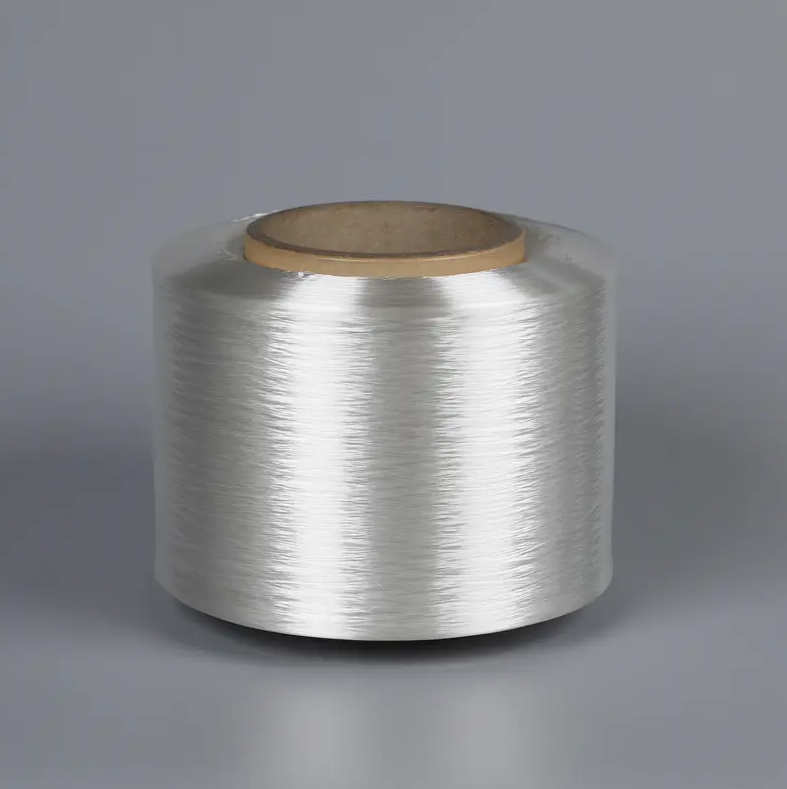
Due to its combination of polyester's abrasion resistance and cationic fiber's vibrant colors, ECDP yarn is widely used in the following areas:
While both are cationic modified polyesters, ECDP yarn represents a significant leap forward in processing performance, specifically in the following aspects:
Regular CDP typically requires high-temperature and high-pressure environments of 120°C to 130°C for dyeing; ECDP yarn, however, overcomes this limitation, achieving saturated dyeing at normal pressure environments of 95°C to 100°C. This not only significantly reduces heat consumption during production but also improves production efficiency.
Because ECDP yarn avoids the harsh conditions of high-temperature and high-pressure dyeing, the fiber structure suffers minimal heat damage. In contrast, regular CDP is prone to fiber embrittlement or strength reduction under prolonged high temperatures, while fabrics made with ECDP maintain better strength and resilience.
The lower dyeing temperature directly affects the final style of the fabric. Regular CDP dyed fabrics often have a stiffer feel, while ECDP yarn-treated fabrics are more fluffy and soft, with a skin-friendly texture similar to natural fibers, making them ideal for making intimate apparel.
This is one of the biggest advantages of ECDP yarn. Because it supports low-temperature dyeing, it can be blended or interwoven with heat-sensitive natural fibers such as wool and silk, achieving co-bath dyeing. Regular CDP, on the other hand, often suffers from excessively high dyeing temperatures, easily damaging these delicate natural components during processing.
ECDP yarn is not only an innovation in textile technology but also a product that aligns with the global trend of "green, energy-saving, and environmentally friendly" manufacturing. It solves the problems of difficult and energy-intensive dyeing of traditional polyester, providing a wider range of colors for clothing design.
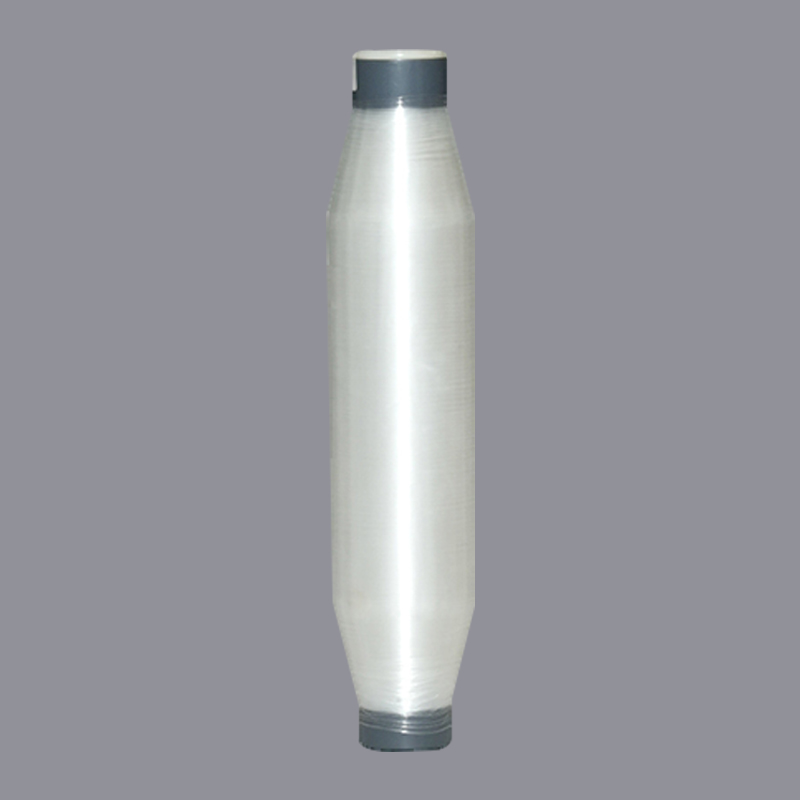
It is made with Bio-base PLA, fully biodegradable Feature: 1. Industrial compost product 2. Made with PLA 3. Eco-frie...
READ MOREPlease fill out the form below and our team will contact you as soon as possible.
Addres: No.66 Qiaogang Road, Haian, Nantong City, Jiangsu Province, China
E-mail: service@gcfiber.com admin@gcfiber.com
Copyright ? GC FIBER All Rights Reserved. Eco-Friendly Textile Products Manufacturer Biodegradable Yarn Company