 English
 中文简体
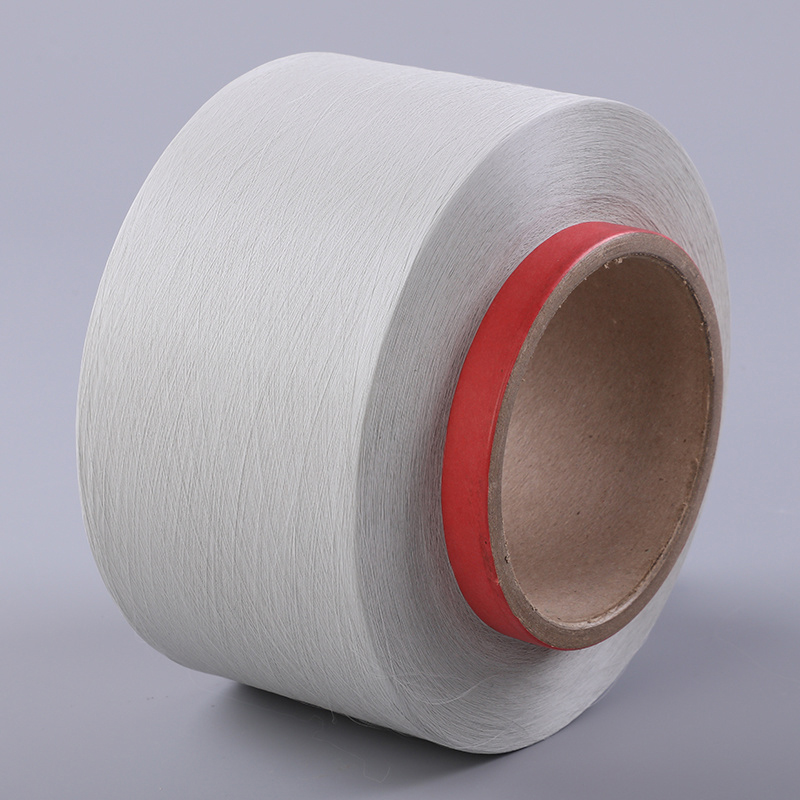
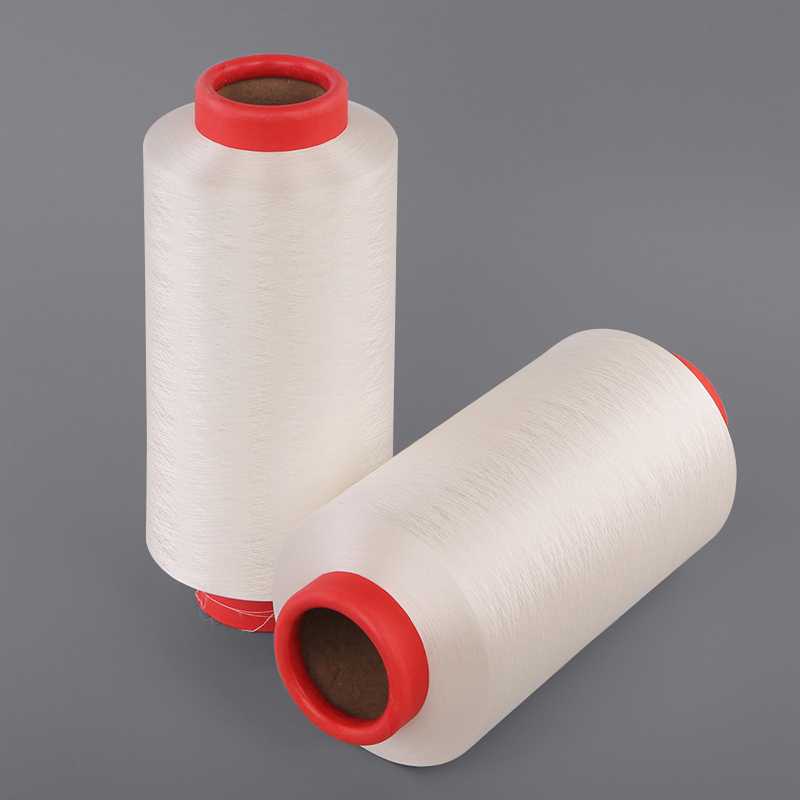
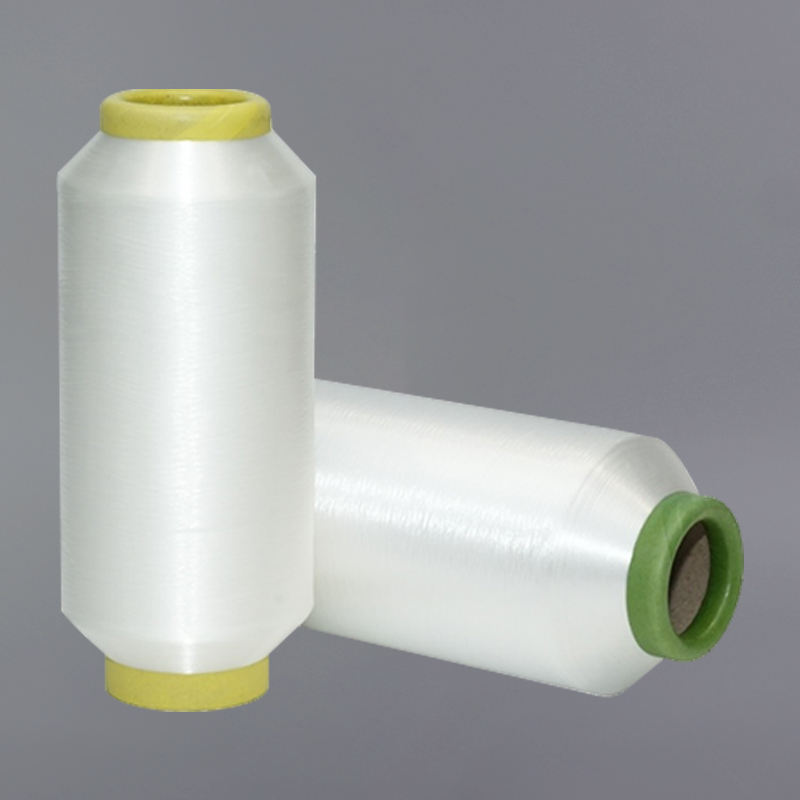
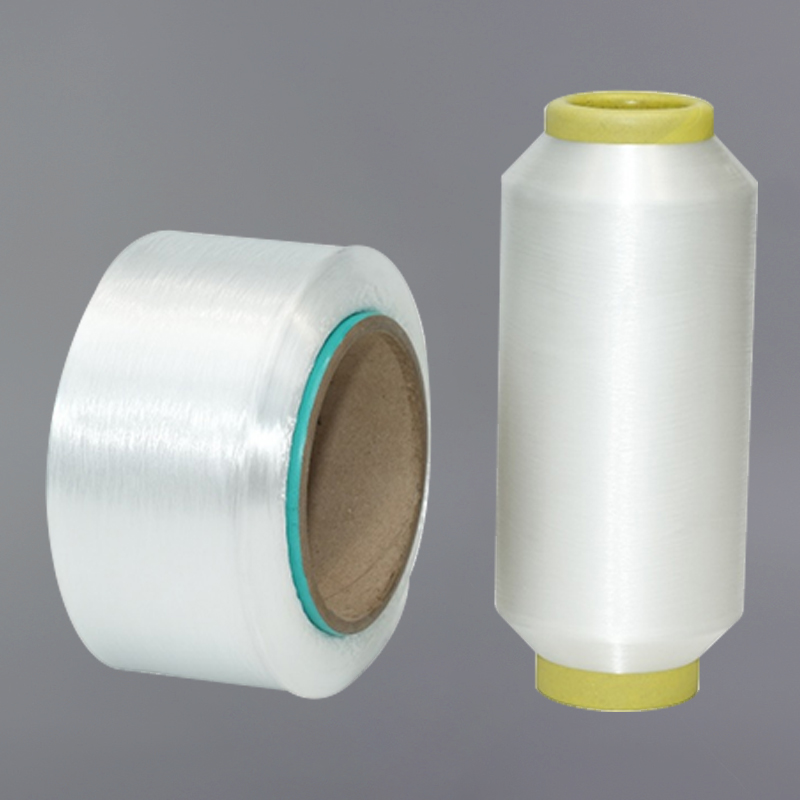
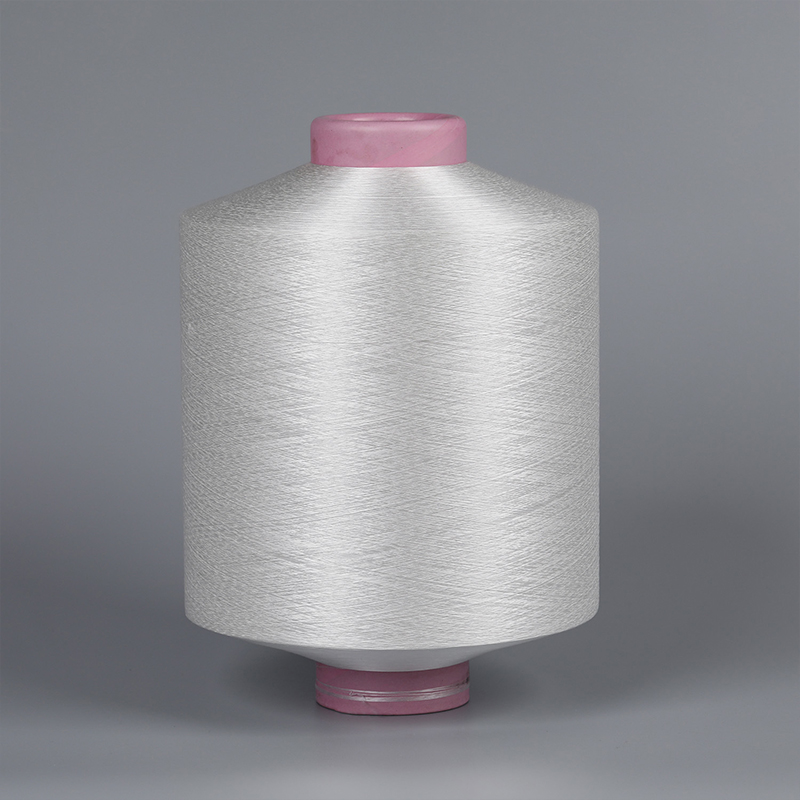


Specification
| Item | Details |
|---|---|
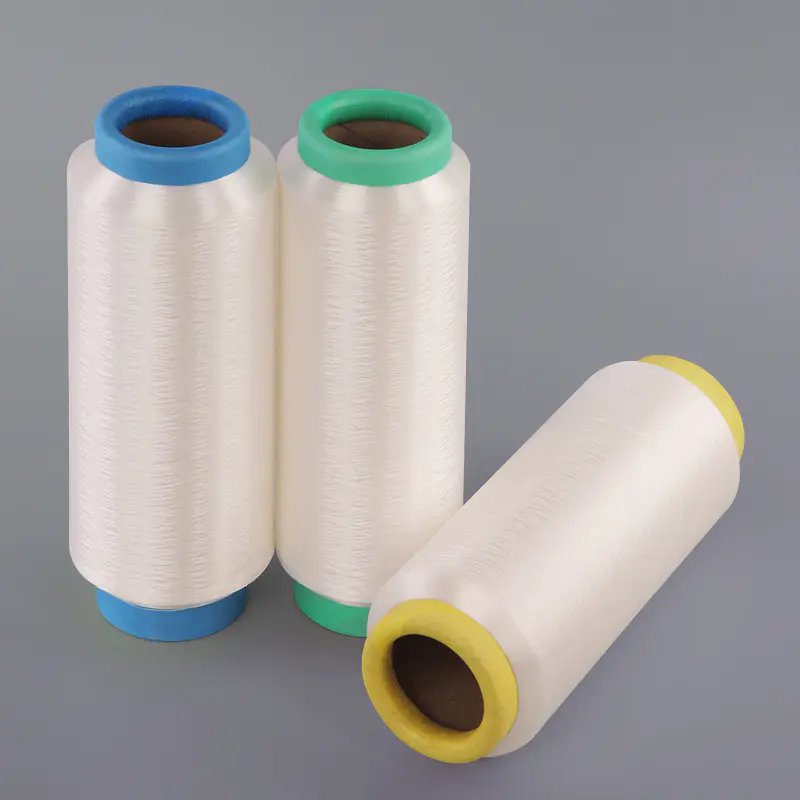
| Product | Sheath core bi-component filament yarn |
| Structure | Concentric sheath and core; ratio adjustable by order |
| Core polymer | Commonly polyester; other cores by request |
| Sheath polymer | Low-melting copolymer or other functional polymer, by order |
| Sheath activation | Common low-melt grades bond at roughly 110 to 180 C; exact grade confirmed per project |
| Denier and filament count | Customized to your fabric or product |
| Color | Raw white or custom colors agreed before production |
| Form | Continuous filament yarn on tubes or cones |
| Origin and port | Haian, Nantong, Jiangsu, China; Shanghai seaport |
| Customization | Core and sheath materials, sheath ratio, melting point, denier, filament count, color |
Application
Sheath core yarn is chosen when a product has to hold its shape, bond without adhesive, or combine two properties in one filament. Typical uses are:
Heat-bonded fabrics: knitted and woven cloth that is heat set into a firm, dimensionally stable structure.
Webbing, tapes and laces: filaments fuse on heating, which reduces fraying and keeps cord ends neat.
Footwear materials: uppers, linings and reinforcement fabrics that need shape retention.
Technical and industrial textiles: filter fabrics, mesh and reinforcement layers where bonded filaments add rigidity.
Nonwoven and composite reinforcement: yarn laid into a structure and fused by heat.
Seams and stitching points: bonded areas that resist slippage and unraveling.
The core keeps the yarn strong after the sheath has fused, which is why sheath core yarn works better than a single low-melt polymer for most bonded products.
Advantages
Bonding without adhesive: the sheath acts as a built-in binder, so no separate glue or resin step is needed.
Strength stays in the core: the core does not melt at bonding temperature, so tensile strength survives heat setting.
Adjustable design: sheath ratio, melting grade, denier and color can be tuned for your fabric and process.
Cleaner processing: fewer chemicals and finishing steps than adhesive-based bonding.
Development support: an R&D department, flexible production lines and inspection after each process.
Sheath core yarn compared with common alternatives
| Property | Sheath core yarn | Regular polyester filament | Adhesive or resin bonding |
|---|---|---|---|
| Self-bonding on heating | Yes, through the sheath | No | Needs a separate step |
| Strength after bonding | Core retains strength | Not applicable | Depends on the adhesive |
| Extra chemicals | None needed | None | Binder or resin required |
| Process control | Set by sheath melting grade | Heat setting only | Coating and curing steps |
Choose the sheath melting point with care: it must sit safely below your core and fabric tolerance, and above the temperatures the finished product sees in use.