 English
 中文简体
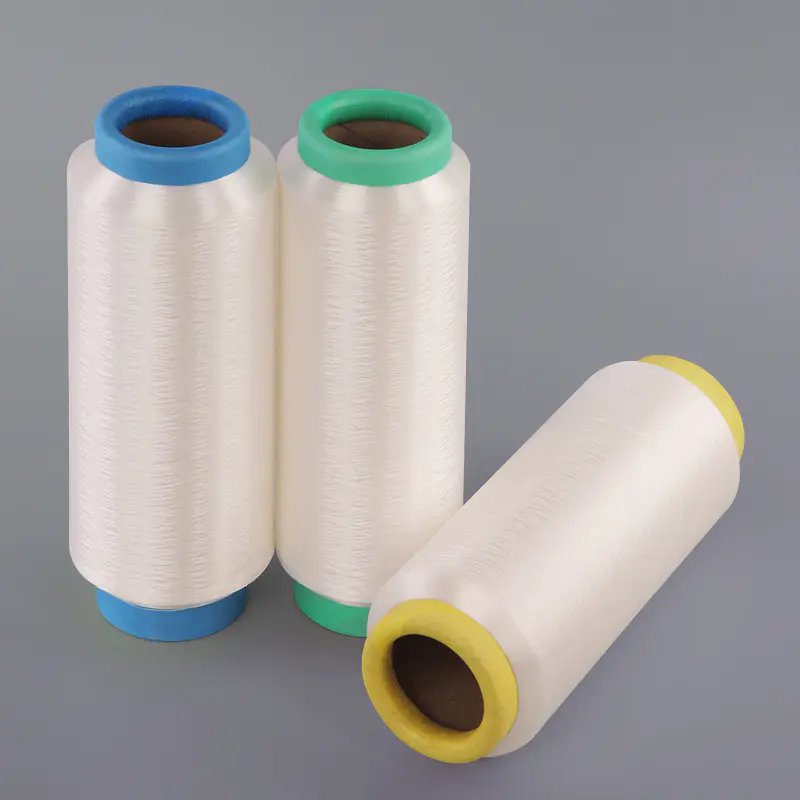
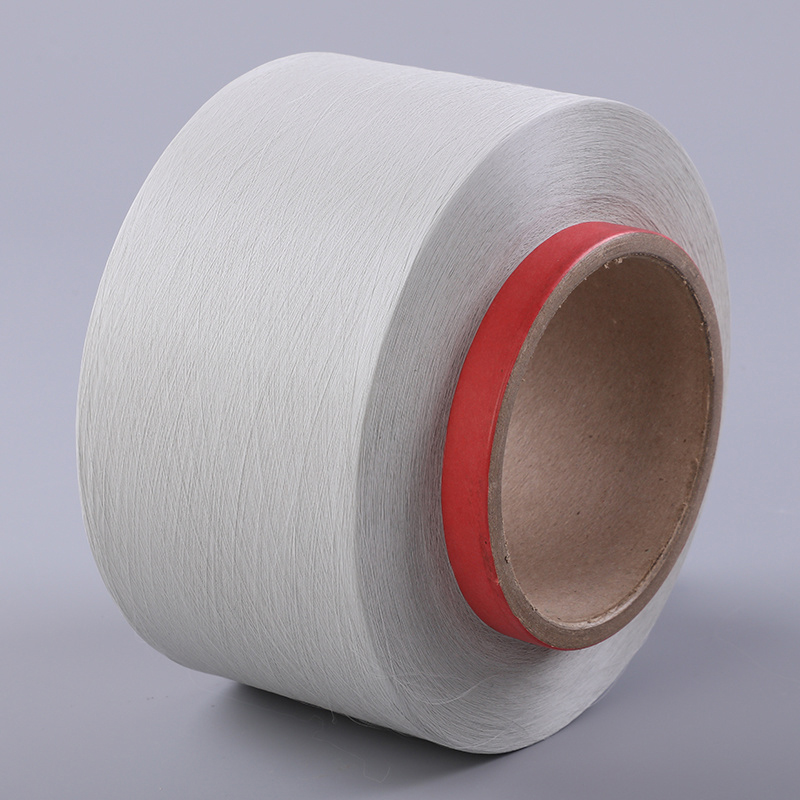
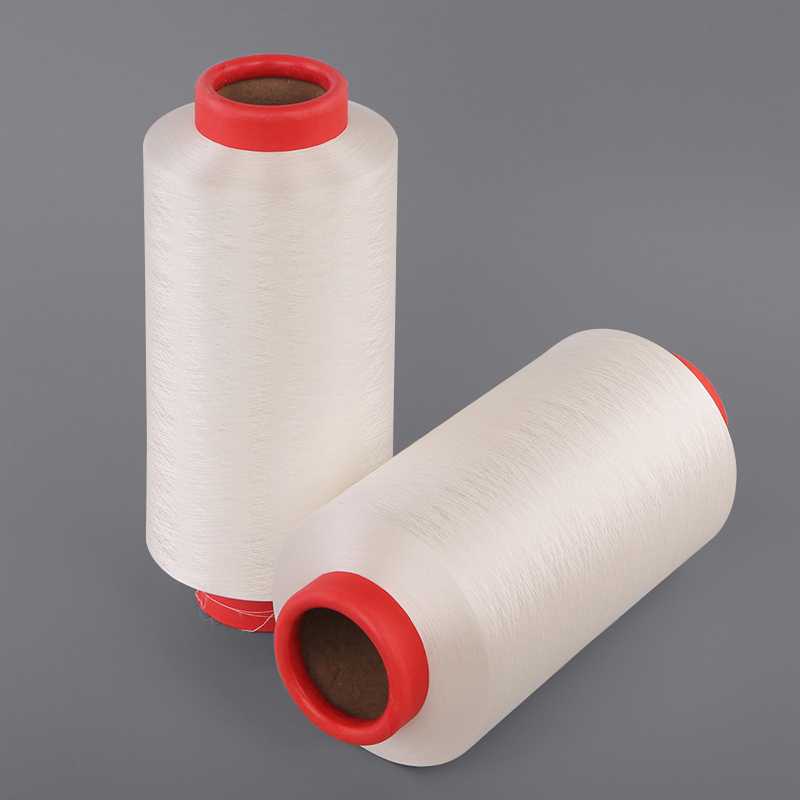
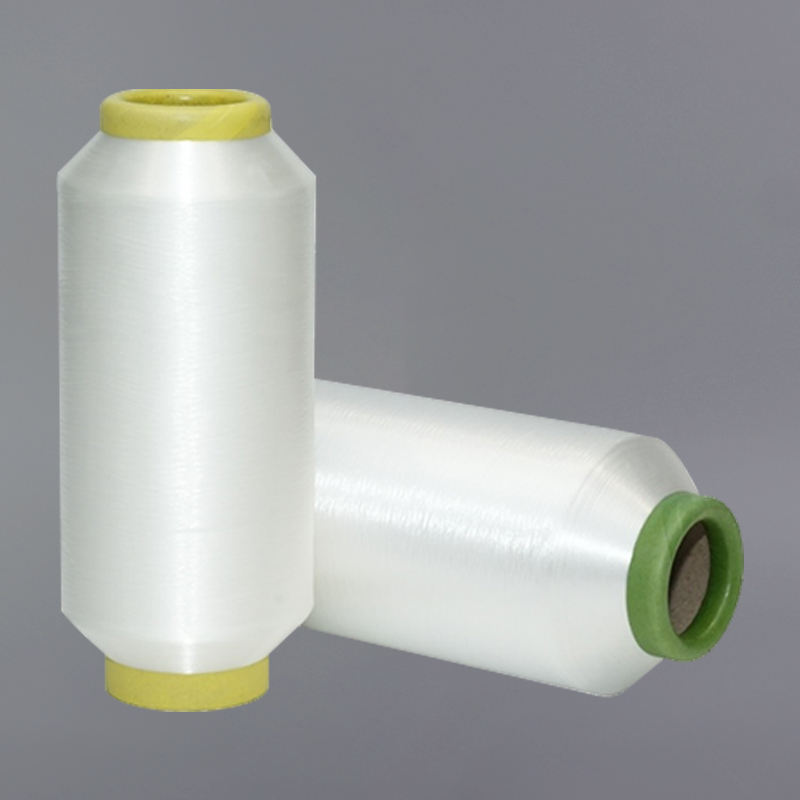
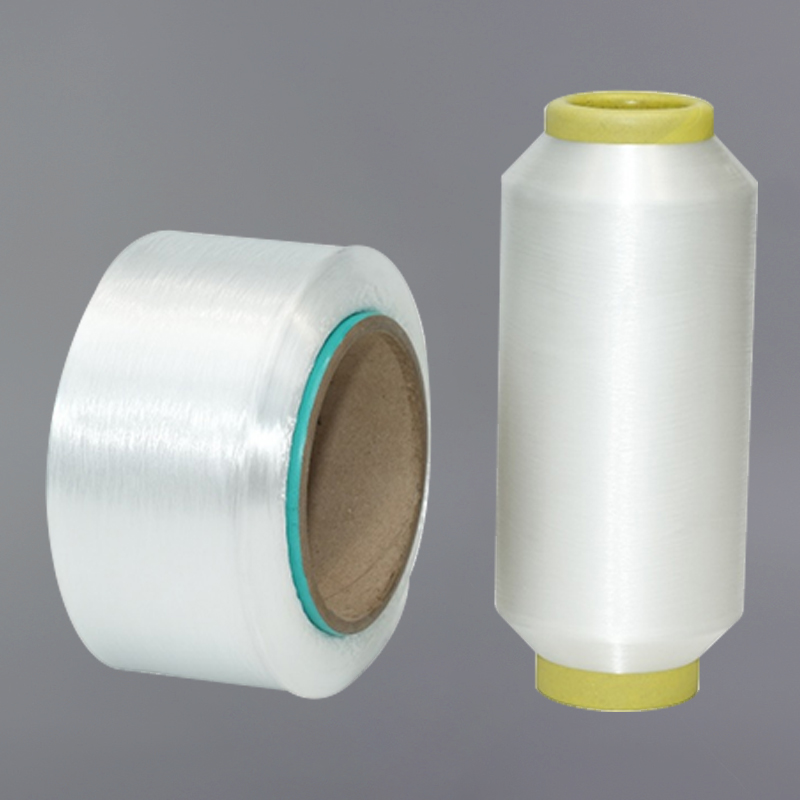
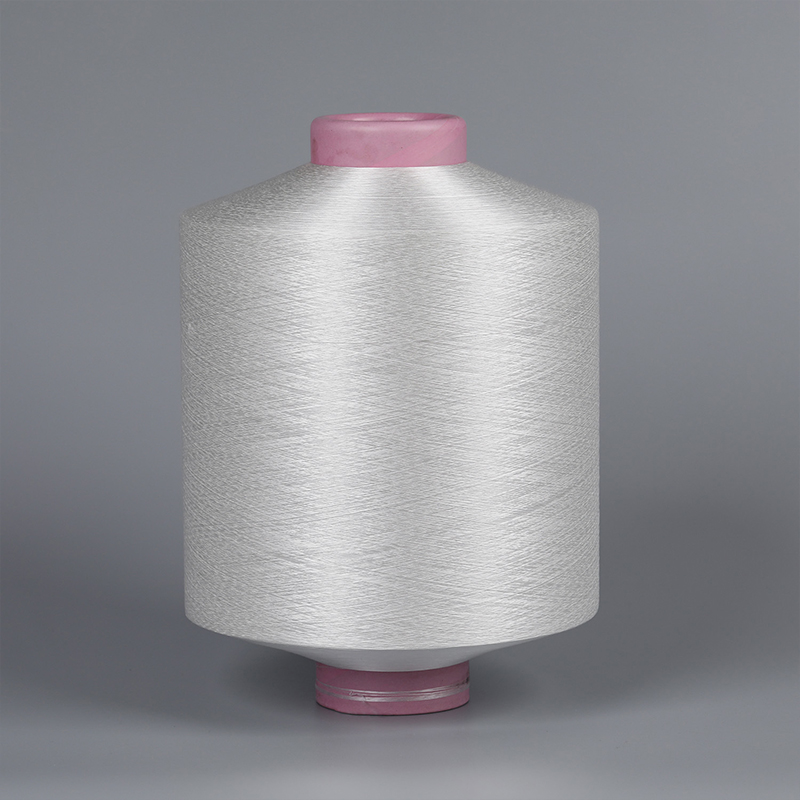


Specification
| Item | Details |
|---|---|
| Nominal count | 75 denier, equal to 83 dtex or 8.3 tex |
| Length per kg | About 120,000 meters per kilogram |
| Common structures | 75D/36F (about 2.1 denier per filament), 75D/72F (about 1.0 denier per filament); others by order |
| Yarn types | FDY, DTY and POY |
| Luster | Bright, semi-dull or full-dull |
| Intermingle | NIM, SIM or HIM |
| Color | Raw white, dope dyed or custom |
| Variants | Recycled, easy-dye cationic and biodegradable routes on request |
| Package | Paper tube; cartons on pallets |
| Origin and port | Haian, Nantong, Jiangsu, China; Shanghai seaport |
Application
75D is chosen for light, fine fabrics that still need strength. Typical uses are:
Linings and shirting: FDY 75D/36F for smooth, lightweight woven cloth.
Fine knit apparel: DTY 75D/72F for soft T-shirts, underwear and sportswear.
Lace, tulle and mesh: warp-knit fabrics with a clean, fine look.
Sheer curtains and home decor: lightweight, drapey fabrics.
Ribbons and labels: fine narrow fabrics with sharp detail.
Blended fabrics: paired with 150D or 300D yarn to add surface detail or density.
For a cool-touch fine fabric, our HDPE FDY in the same range can be blended with 75D polyester.
Advantages
Light but strong: fine filaments with stable tenacity for thin, durable fabrics.
Hand by filament count: choose 36F for crisp or 72F for soft and silky.
Three yarn types: FDY, DTY and POY at the same count.
Color options: raw white for piece dyeing or dope dyed for stable shades.
Factory support: inspection after each process, OEM development and samples.
75D FDY versus 75D DTY
| Question | 75D FDY | 75D DTY |
|---|---|---|
| Hand | Smooth, sleek | Soft, bulky, stretchy |
| Best for | Linings, woven cloth, warp knit | Knit apparel, socks, soft fabrics |
| Stretch | Low | Moderate |
Fabric density per centimeter decides final weight, so confirm gsm with a sample weave or knit.