 English
 中文简体
中文简体
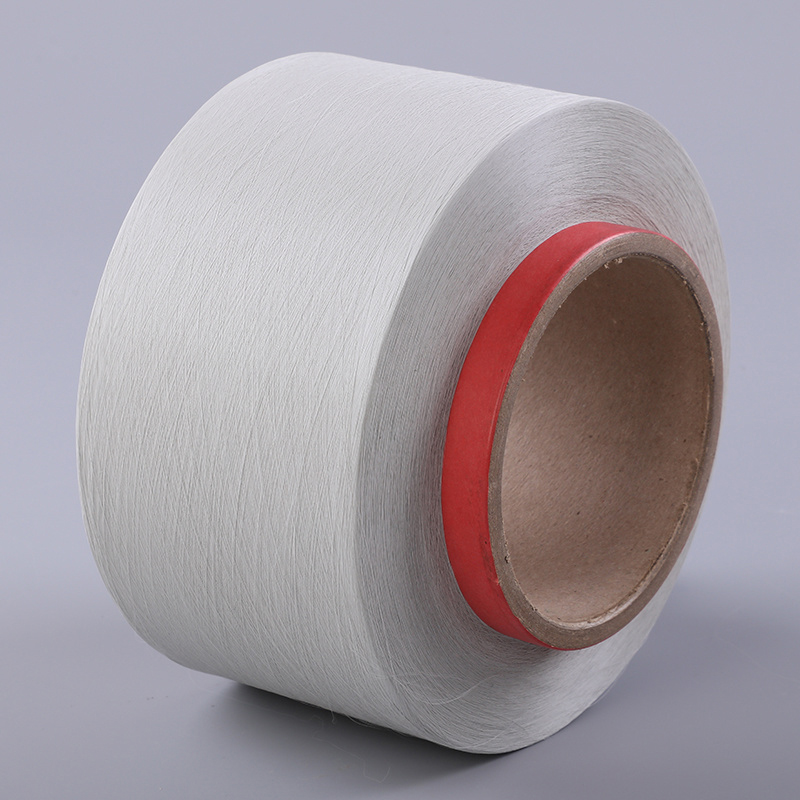
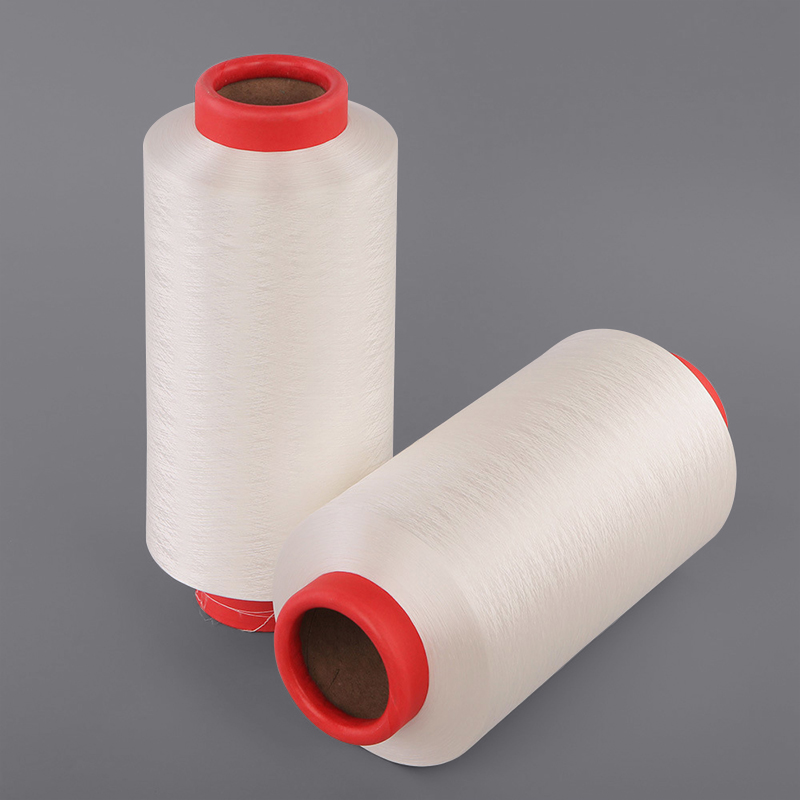
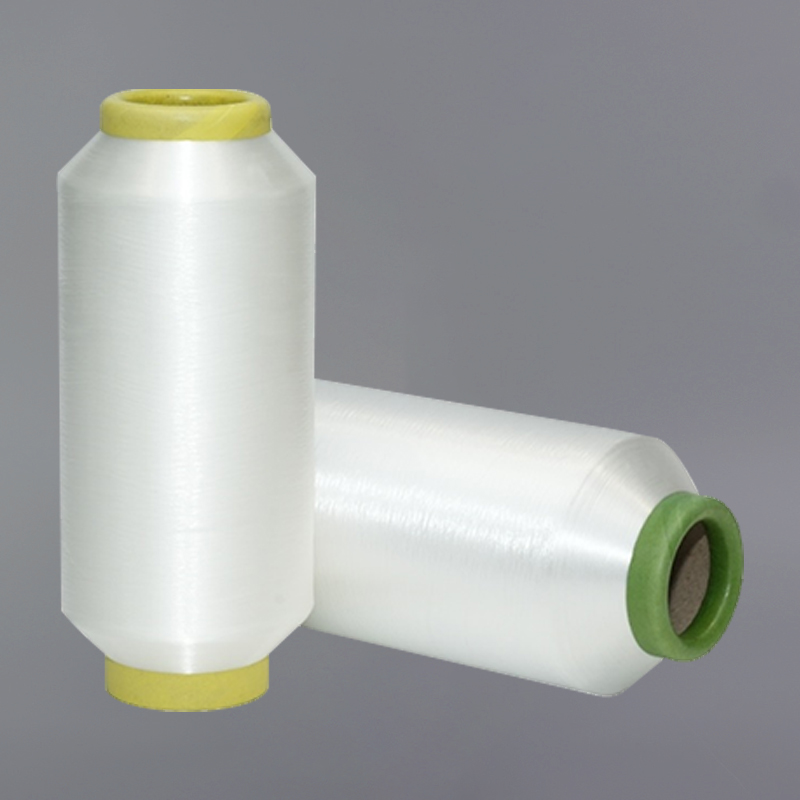
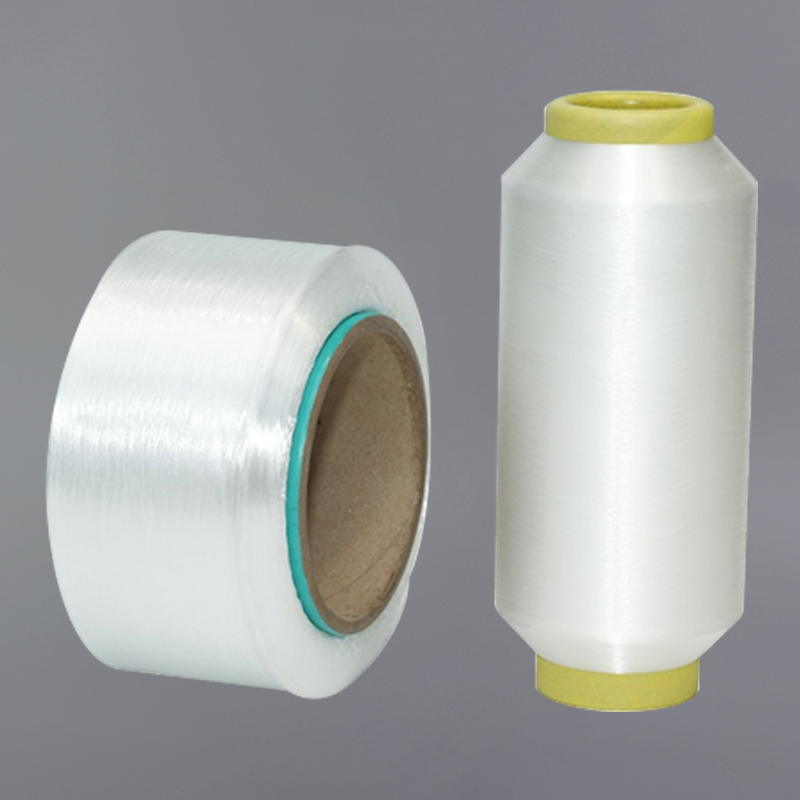
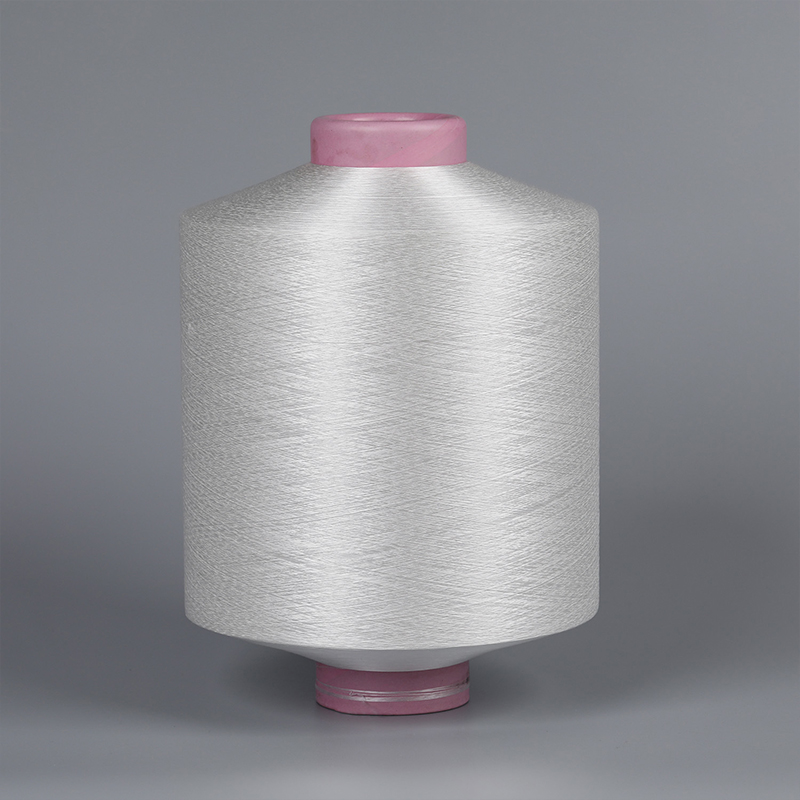


Material Specifications
| Property | Details |
| Composition Examples | PET/CoPET, PET/PP, PP/PE, PA6/PA6.6, etc. |
| Cross-Section Types | Sheath-Core, Side-by-Side, Islands-in-the-Sea, Segmented-Pie |
| Denier Range | Wide range from micro-denier to heavy industrial deniers (e.g., 20D - 1200D+) |
| Functionality | Thermal Bonding, Self-Crimping, Moisture Wicking, Enhanced Loft, Softness |
| Melt Point Options | Customizable based on sheath polymer for thermal bonding applications (e.g., 110°C - 180°C) |
Key Applications
The versatility of bicomponent yarns makes them invaluable in advanced textile manufacturing:
- Non-woven Fabrics: For hygiene products, filtration, and automotive components requiring strong, lightweight structures.
- Technical Apparel: Enhancing sportswear with moisture-wicking, insulation, or stretch recovery.
- Upholstery & Home Textiles: Creating durable, soft, and easy-care fabrics with enhanced bulk and resilience.
- Filtration Media: Developing complex filter structures with superior pore size control and bonding.
- Medical Textiles: Providing specific properties for surgical gowns, dressings, and implants.
Core Advantages
Bicofiber technology opens up a new realm of possibilities for product design:
- Tailored Functionality: Combine properties like strength and low melt, or rigidity and softness, in a single fiber.
- Enhanced Performance: Achieve superior bulk, resilience, thermal insulation, or moisture management compared to mono-component fibers.
- Process Efficiency: Simplifies manufacturing by integrating multiple functionalities into one yarn, reducing processing steps (e.g., thermal bonding).
- Cost-Effective Customization: Custom-engineer yarn properties to precise specifications, optimizing material use and performance.